Translate

maandag 25 augustus 2025

Animal welfare organisations are concerned about Japan's growing exotic animal cafe trend for human entertainment ( video )


Animal Welfare Charities Demand Urgent Legislative Reform in Japan


A growing animal welfare crisis is unfolding in Japan, as the trend of keeping primates as pets, along with the proliferation of exotic animal cafes across major cities, raises significant ethical and welfare concerns. Global recognised charity Wild Welfare, in collaboration with the Japanese Coalition for Animal Welfare (JCAW), are urgently calling for critical legislative reforms to address these pressing animal welfare and public health issues.

Fennec Foxes in cramped Animal Cafe window, Tokyo, Japan.

Wild Welfare works tirelessly with partners around the globe to safeguard the welfare of captive wild animals in zoos, aquariums, rescue centres and sanctuaries. Along with JCAW, an organisation dedicated to raising animal welfare standards in Japan through public education and the lobbying of policymakers, a joint petition letter to the Japanese government seeking significant changes in the ‘Act on Welfare and Management of Animals’ has been developed and sent to the Japanese government for consideration.

The Japanese government is poised to review and revise the country’s animal welfare law, making now the ideal time to ensure that vital key animal welfare considerations are included within the new bill. Wild Welfare and JCAW jointly published the powerful letter, which directly addresses important issues regarding the trend for keeping pet primates and the inherent welfare issues within exotic animal cafes across Japan.
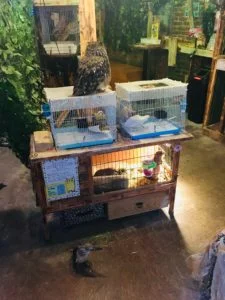
Animals stacked in cages inside an animal café in Japan.

Animals stacked in cages inside an animal café in Japan.

The letter highlights the complexities of proper husbandry required to appropriately care for highly intelligent and socially complex primates. “By not providing suitable environments and species appropriate social opportunities, the welfare of the animals is compromised, which can lead to abnormal behaviours and suffering. Although the owners might be providing care (food and water), they will not be able to meet the behavioural and psychological needs of the animals, as well as it being very difficult to appropriately provide for their nutritional and veterinary care needs” explained Simon Marsh, Director at Wild Welfare.

The joint letter further elaborates on how the absence of properly enriched environments and specialised treatments can fundamentally erode the physical and psychological health of non domesticated animals placed in these unnatural settings.

The collective appeal also outlines the increasing issue of Japan’s growing exotic animal cafe trend. Wild Welfare and JCAW have shown particular concern for the welfare of a diverse array of wild animals exhibited within these locations. From nocturnal owls confined indoors under bright unnatural light for many hours of the day, to socially complex animals such as meerkats kept segregated from groups. These unnatural and artificial environments force a high level of direct human interaction onto the animals, taking away the choice or control each animal has over their own life. “There is no place in a modern society for the keeping of exotic species in cafes for human entertainment” Simon expressed.

Wild Welfare and JCAW also highlight the heightened risk of zoonotic disease transmission within these confined and close contact facilities. As there are little to no effective national regulations governing these facilities, it is currently impossible to ensure both animals and customers are protected from the real risk of such disease exposure.

Two Prairie dogs in a small animal café cage.

Prairie dogs in a small animal café cage, Japan.

Another key issue raised by the appeal letter regards the troubling issue of illicit wildlife trade. Many of the thousands of exotic animals kept within Japanese animal cafes may also be pets, a number of which will be subject to international trade prohibitions. Without a robust system that allows traceability, there is a real risk that illegally traded animals may be exhibited at these cafe locations. In this circumstance, customers could unknowingly be supporting the illegal pet trade.

Wild Welfare and JCAW propose that deep legislative reform is necessary to tackle the many issues at hand. “Our joint letter makes a number of recommendations for reform, for instance, the prohibition or restriction of keeping primates as pets and close control of primate ownership. In the case of exotic animal cafes, the coalition recommends implementing a new regulatory framework for the industry” explained Simon.

two flamingos standing in an animal cafe in Japan

Two flamingos standing in a tiny pool by a chained Owl inside of an animal cafe in Tokyo.

The board members of the Japanese Coalition for Animal Welfare (JCAW), expressed how they are committed to lobbying for laws that protect all animals in Japan. “In recent years, there has been a global focus on issues regarding wildlife in captivity, and in Japan too, there is an array of unresolved issues related to the keeping of wildlife. JCAW believes that bringing each and every one of these issues to the attention of stakeholders as well as the general public would serve as the first step to creating a world that is compassionate to all animals.” said JCAW.

The comprehensive report is now available to download, with content currently only provided in a Japanese language version at https://www.dokyoren.com/250426/

“Our joint report with JCAW underscores Wild Welfare’s unwavering commitment to improving wild animal welfare globally” Simon exclaimed. It is hoped that this vital work by JCAW and Wild Welfare will encourage the government to act on the proposed suggestions and take real steps towards enhancing animal welfare across Japan, reducing the risk of zoonotic disease, and protecting the public, as well as conserving important wildlife by addressing the illegal trade of wild animals. 


Wild Welfare is devoted to improving the welfare of captive animals across the world. You can support our efforts by sharing this article, signing up to our newsletter, following our social media accounts (Facebook and Instagram), or by making an online donation. Every small contribution can help us to develop our vital accessible animal resources. Thank you.


Notes to Editors

For more information or interview requests please contact Wild Welfare on communications@wildwelfare.org

Wild Welfare is a global organisation committed to improving animal welfare for captive wild animals. By uniting the world’s leading zoos, zoo associations and animal welfare organisations, we build trusting partnerships that help provide long-term solutions to critical wild animal welfare issues.

Our vision is to end the suffering of captive wild animals around the world and ensure full and sustainable protection is given to all animals in human care. Find out more at wildwelfare.org. Registered charity in England (no.1165941).


zondag 24 augustus 2025

Natalie Herron in Scotland sentenced for 2 years and 3 months prison for taking part in global monkey torture video's with unbelievable suffering of baby monkeys

 Woman in Scotland jailed in baby monkey torture case

https://actionforprimates.org/

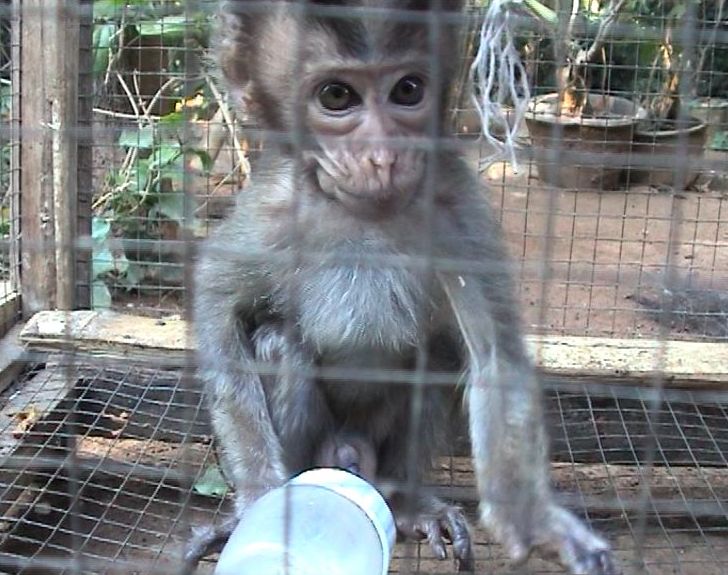
Captive infant long-tailed macaque in Indonesia; Action for Primates
Captive infant long-tailed macaque in Indonesia
Action for Primates

Natalie Herron in Scotland, has been sentenced to two years and three months at Airdrie Sheriff Court today for her part in a global monkey torture ring that paid for and ordered baby monkeys to be sadistically tortured and killed in Indonesia, to create videos to be circulated online.

The sentence has been welcomed by Action for Primates and Lady Freethinker, who have spent four years investigating the sadistic world of online monkey torture groups. The conviction is part of an international crackdown by law enforcement agencies in the UK and the USA against those people who facilitate the torture of baby monkeys. Several people in the UK and USA are already serving or have served prison sentences.

Herron was a member of the same monkey torture group as two women from England—Adriane Orme and Holly LeGresley—who were both sent to prison in November 2024 (https://www.westmercia.police.uk/news/west-mercia/news/2024/november/women-jailed-for-monkey-torture-offences/). The group was run by Michael Macartney, who called himself the "Torture King". Macartney is currently serving three years and four months in prison in the USA for conspiring to make and distribute "animal crush" videos. He ran several online Telegram groups that facilitated the torture, murder and sexually sadistic mutilation of baby long-tailed macaques as 'entertainment'. Several other members of the group are also serving time in US jails.

In the group on Telegram, Herron shared videos depicting the torture and abuse of baby monkeys, and enthusiastically discussed her enjoyment at watching horrific and disturbing videos in which monkeys suffered unimaginable agony and distress. These videos included placing an infant into a food blender; sealing an infant inside a jar with red ants; gouging out the eyes of an infant; and wrapping an infant tightly in sticky plaster in the shape of a ball, who was then kicked around. Examples of comments posted by Herron include:

  • Or watch them be blitzed in blenders and scalped, dicks cut off, set alight. If only my family and friends knew they'd never look at me the same again lol.
  • Torch its whole face off until it's just skull and melting skin haha.
  • We finally got our ants in a jar. Phenomenal!
  • Haven't you seen the video where they cellotape it into a ball? It's awesome.

Along with LeGresley, Herron was also involved in organising a poll amongst group members to suggest and then vote on which method of torture they wanted to see inflicted upon a monkey in the next video they were funding. The choices included sealing a monkey inside a jar with red ants, applying a painful substance to the wounds created by a cheese grater or gluing together various parts of a monkey's body.

Sarah Kite, co-founder and spokesperson for Action for Primates, stated: We welcome the sentence given to Herron and are extremely grateful to UK law enforcement for continuing to track down and bring to justice these sadistic and depraved people involved in online monkey torture groups. The perverted 'enjoyment' Herron and others obtained from facilitating and watching baby monkeys being abused and brutalised in the most sickening and horrifying ways shows a level of depravity that must never be tolerated.

Nina Jackel, Founder, Lady Freethinker, stated: The suffering endured by helpless, infant monkeys for online videos is heartbreaking, and the brutal nature of these acts is sickening. The perpetrators involved in the creation, funding, or sharing of animal torture content for human 'amusement' must be held accountable.

Members of these online torture groups are primarily active on platforms such as Telegram and get 'pleasure' from watching helpless and vulnerable infant monkeys in terror and pain, fighting for their lives. The extreme cruelty inflicted upon the baby monkeys included being set alight; having parts of their body cut off, including limbs, genitals, fingers and toes; their bones broken with a hammer; their heads squeezed in a clamp; beaten viciously; and having their eyes drilled out with a power tool.

The evidence obtained during the investigations by Action for Primates and Lady Freethinker has been given to various law enforcement agencies and spurred the BBC investigation and documentary about online monkey torture gangs—The Monkey Haters—which helped lead to the inclusion of animal cruelty in the UK Online Safety Act (https://www.bbc.co.uk/news/world-65951188 and https://www.bbc.co.uk/news/world-65951188).

Disturbingly, many graphic and violent videos paid for by members in Telegram groups—depicting extreme violence and sexual abuse inflicted upon baby monkeys, including genital mutilation—have appeared on mainstream social media platforms such as Facebook.

https://actionforprimates.org/

zaterdag 23 augustus 2025

In New York is it shockingly still legal to eat fish or octopus while they are alive for 'sashimi' : Animal welfare advocates have long called for an end to this archaic custom


Only for American citizens a petition underneath the photo's and article 

In New York, it is shockingly still legal to serve marine animals alive on a plate, a reality hidden behind a practice known as ikizukuri. This method of sashimi preparation involves slicing fish or octopus while they’re still fully conscious, causing prolonged suffering as they slowly and painfully die.

Animal welfare advocates have long called for an end to this archaic so-called custom. Now, Assembly Bill A8926, introduced by Assemblyman Patrick Burke (D–Buffalo), aims to do just that. The bill would amend New York’s public health law to make it illegal to prepare seafood while the animal is still alive.

“This is needless suffering, and it has no place in our state. Assembly Bill A8926 would finally ban this barbaric practice. But it won’t pass without your voice,” said Voters For Animal Rights on social media. 

Octopus Sashimi 

These are simple yet perfect ways to taste fresh octopus.

What you need
Fresh octopus, 
Soy sauce and wasabi for sashimi
Olive oil, salt and sweet paprika powder for Spanish carpaccio

IMG_0613

What to do

Simply cut off tentacles and slice it.

IMG_0614

Line it on a plate and serve it with soy sauce and wasabi for eating as Sashimi.

If you want to try the Spanish appetizer, sprinkle coarse salt and sweet paprika powder over the slices of octopus, and drizzle it with extra virgin olive oil.


If passed, the bill would take effect 30 days after becoming law. It would also empower regulators to create any additional rules necessary to enforce the ban. But passing A8926 will require strong public pressure. Without it, this cruel practice could continue unchecked in New York restaurants.

Scientific research has shown that fish and octopus are sentient beings capable of feeling pain, fear, and stress. Allowing them to be mutilated alive for so-called “freshness” is both sick and inhumane.

You can help end this cruelty by telling your New York State lawmakers to support Bill A8926 and ban ikizukuri once and for all.

TAKE ACTION! Sign Voters for Animals Rights’ petition HERE!  Only for readers living in America. That is a shame because I would have signed

World Animal News

vrijdag 22 augustus 2025

Het dierenopvang van Sara in Marokko heeft 700 honden, 100 katten, 45 ezels, geiten en wilde zwijnen: de financiële nood is hoog


https://dierennood.nl/hulpproject-193/  Larger photo's via this link

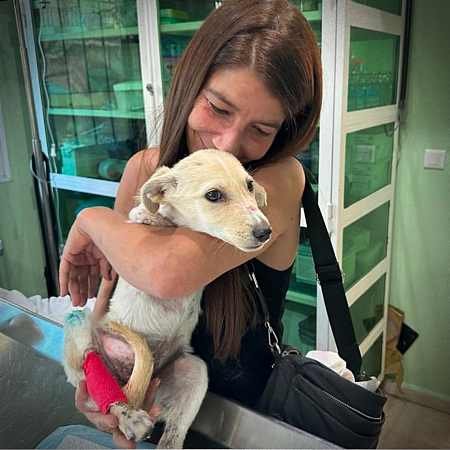
Kleine puppy, trillend van angst, doelloos zwervend door de straten van Tanger. Haar poten bloederig van het scherpe asfalt.

Iets verderop een uitgemergelde kat, met lege ogen, zoekend naar een restje voedsel in bergen afval.

Voor duizenden dieren in Marokko is dit helaas hun dagelijkse realiteit. Maar het hoeft niet zo te blijven.

SFT Animal Sanctuary is hun laatste redmiddel. Lees maar verder...


Door Sara Moussaoui

1.000 dieren...

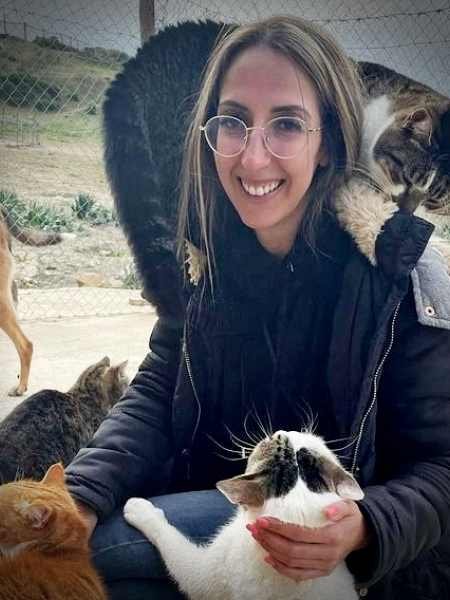
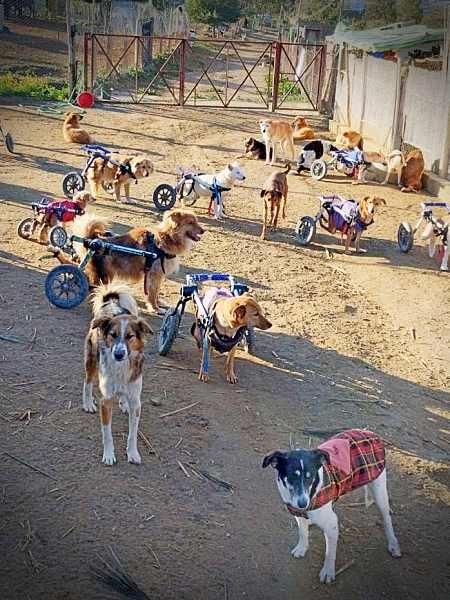
Het team van deze bijzondere opvang staat dagelijks klaar om gewonde, verwaarloosde en achtergelaten dieren te redden.

Van noodzakelijke operaties tot voedzame maaltijden en veilige plekjes om te slapen.

Elk dier in nood dat door hen op straat gevonden wordt, krijgt een behandeling met liefde en zorg.

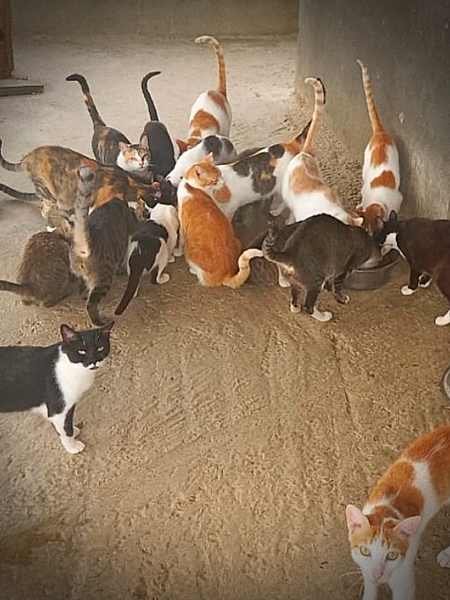
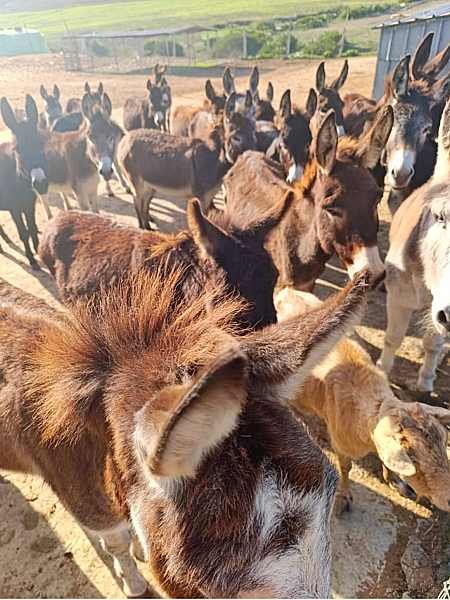
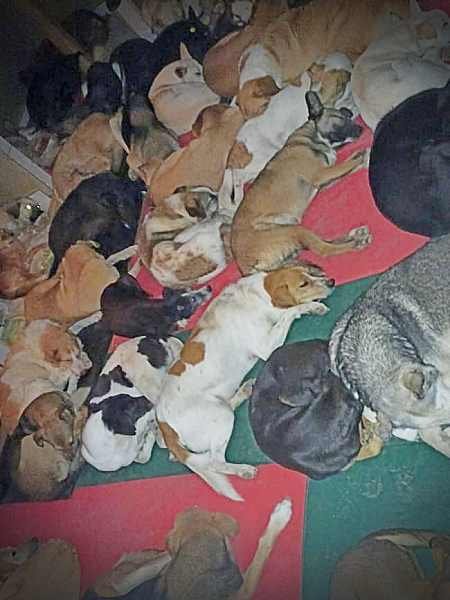
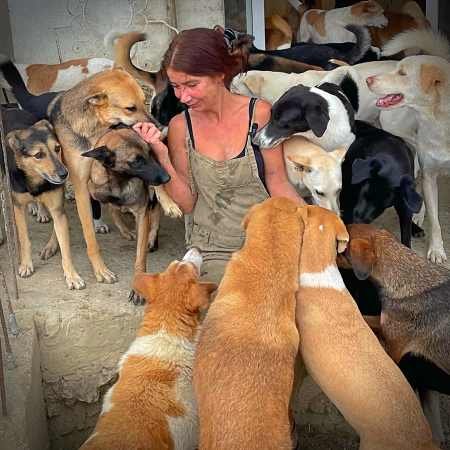
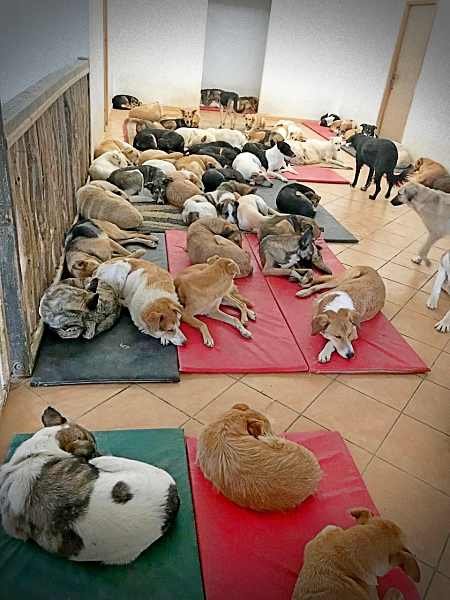
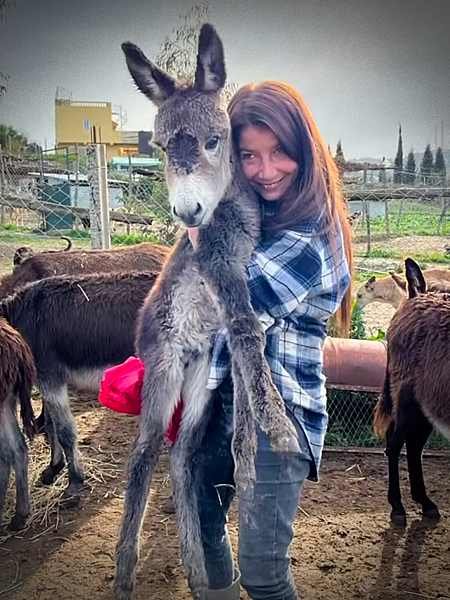
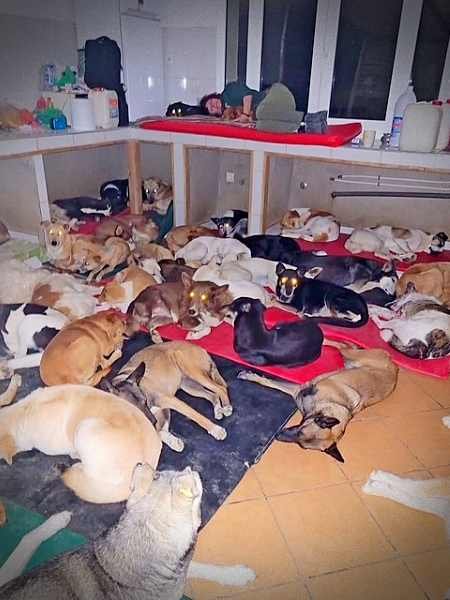
Maar ze kunnen het niet alleen. Inmiddels telt de opvang bijna 1.000 dieren: zo'n 700 honden, 100 katten, 45 ezels, geiten, schapen, vogels, wilde zwijnen en zelfs een aapje.

Eén voor één gered van een tragedie.

Sally verkocht alles...

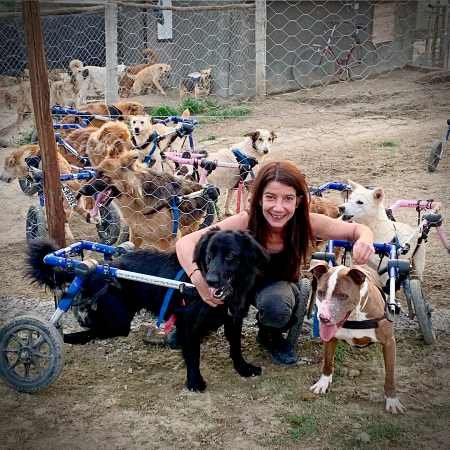
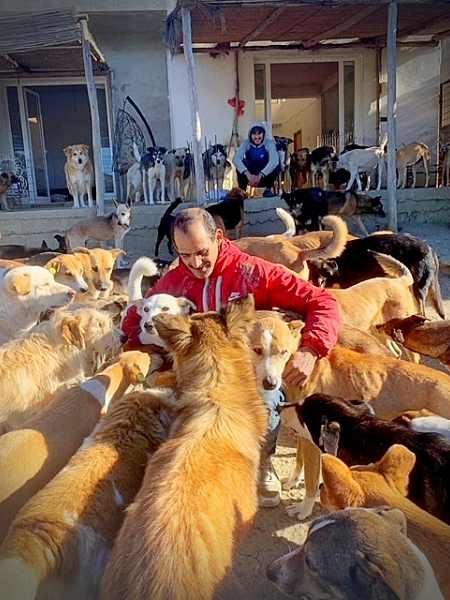
Het betreft dus geen traditioneel asiel maar een opvang met een groot stuk land waar de dieren vrij kunnen bewegen.

Ze leven niet in hokken of kooien maar hebben dag en nacht de vrijheid om rond te rennen en te spelen. Maar ook plekken om te schuilen en te slapen.

Een team van vrijwillige medewerkers is altijd aan het werk en aanwezig bij de dieren.

Gestart in 2013, door de Engels/Marokkaanse Salima Kadaoui (Sally) die haar huis en alles in Engeland verkocht om in Tanger zwerfdieren in nood ECHT goed te gaan helpen.

Vele adopties naar Europa

Enkele jaren geleden hebben wij er al eens een hulpproject voor gehouden, maar nu klopte Sara Moussaoui, die al heel lang in Nederland woont, opnieuw bij ons aan...

Zij gaf ons aan dat het zo mooi is, dat zij er inmiddels ook voor zorgen dat elk jaar zo'n 100 honden en katten van hen geadopteerd worden, zowel in Marokko als naar het buitenland.

Regelmatig begeleidt Sara als vluchtvrijwilliger deze geadopteerde dieren naar hun nieuwe thuis.

Sara heeft ons aangeboden, dat zij ook graag voor jullie als onze trouwe volgers dierenadopties wil verzorgen. Zie rubriek links onderaan.

Een grote held

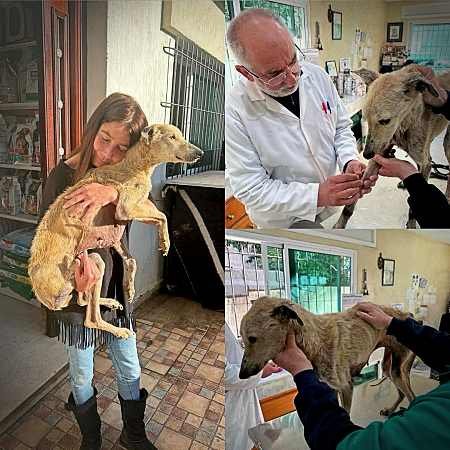
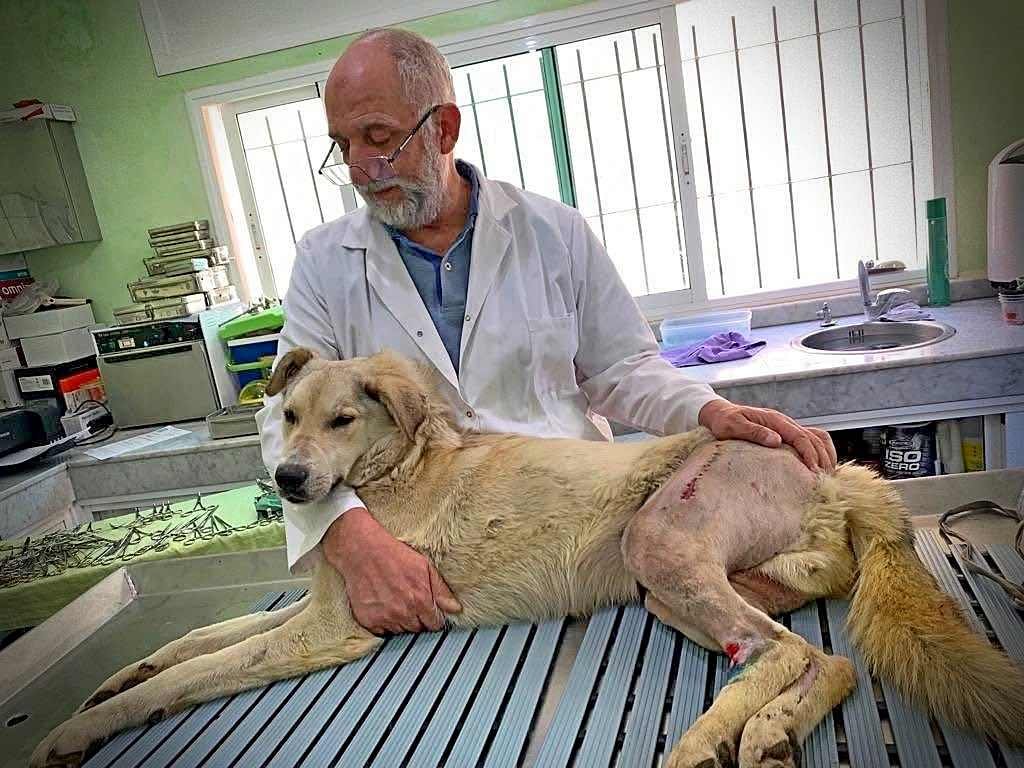
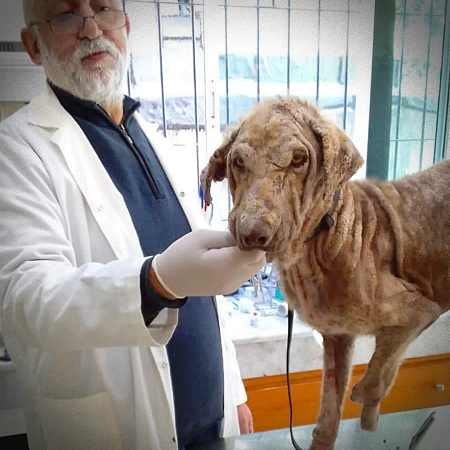
De dierenarts waarmee de stichting samenwerkt is voor hun absoluut een echte held.

Ondanks de hoge schuld die er bij hem is voor het helpen van al die gevonden gewonde dieren, blijft hij hiermee doorgaan. Maar ook voor hem is er een financiële grens...

Ook is er een groot probleem omdat er geen geld meer is om straatkatten en honden te steriliseren en vaccineren om de verspreiding van rabies tegen te gaan.

Sinds de start van dit project zijn er al meer dan 3.500 honden en meer dan 4.000 katten gesteriliseerd en gevaccineerd! Dat moet echt door gaan...

Een overvolle opvang...

Gelukkig heeft de opvang een goede basis, wat wij voor de toekomst heel belangrijk vinden.

Want de grond van de opvang is door een Amerikaanse weldoener gekocht en voor 1 euro huur per jaar ter beschikking gesteld aan de stichting.

Toch is de financiële nood hoger dan ooit. Het asiel zit overvol, medische kosten stapelen zich op en de voerbakken raken leeg.

Jouw donatie is dus echt heel hard nodig.

Adopteer een dier!

Tientallen geredde honden en katten wachten in deze opvang op hun kans op een veilig thuis.
Ze zijn al klaar voor vertrek en hebben alleen nog een vliegticket nodig.
Geef jij ze een toekomst vol liefde?
Stuur gerust een berichtje voor meer info en je evt. voorkeuren naar Sara:

https://www.facebook.com/infoSFT

Vind jij ook dat dit een prachtig voorbeeld is om dieren niet in kleine hokken op te sluiten, maar met veel ruimte buiten te laten spelen in een veilige omgeving?

Je kunt deze dieren direct helpen door een bedrag over te maken naar:

NL16 INGB 0004 7841 60 t.n.v. Stichting Dierennood o.v.v. 'Hulpproject 193' en wij zorgen dat je donatie echt alleen voor dit hulpproject besteed zal worden.

Bij ons is er geen aftrek voor salarissen, huisvesting of overbodige franje.

Of doneer via onderstaande knoppen:

Website van de opvang: www.sftmorocco.org   Facebooklink: https://www.facebook.com/infoSFT

Streefbedrag: 8.000 euro - Stand per 17 aug.: 6.110 euro

Iedere donateur bedanken wij graag heel hartelijk!

18 aug. - Wat kunnen wij toch op jullie bouwen, lieve vrienden! Ondanks alle hulpvragen die wij deze maand naar jullie sturen, blijven er ook voor dit 1.000 dieren asiel met o.a. vele ezels hele mooie donaties binnenkomen! Erg mooi en zeer veel dank!

11 aug. - Ook deze week waren er diverse projecten waarvoor wij jullie aandacht vroegen. Op onze website, op Facebook en nog van onze Extra Nieuwsbrief van vorige week. Toch kwam er ook voor het actuele hulpproject van deze maand een prachtige bedrag binnen. Ontzettend veel dank daarvoor!

4 aug. - Ondanks de 'concurrentie' van het Extra Noodproject zijn de eerste paar dagen voor dit nieuwe maandproject erg mooi verlopen! Dit spreekt jullie met die enorme aantallen dieren, waaronder veel ezels blijkbaar erg aan. En terecht!

Week t/m 3 aug. - 1.450 euro
Week t/m 10 aug. - 3.285 euro
Week t/m 17 aug. - 1.375 euro