
Translate

donderdag 29 oktober 2026

Our weekly updates from Safe Haven For Donkeys Gaza and the Westbank ( video's)


That's why we have a vet clinic in Gaza City, which offers treatment and follow-up appointments until the animal is fully recovered. But we need your support to ensure the team is there and ready to continue treating donkeys in pain. 
 
A gift from you could help support our vets providing life-saving diagnosis, treatment and follow-up care. It could also ensure we are equipped with medicine and other vital supplies, such as bandages, gauze, saline, iodine and gloves.

Without these essentials, wounds cannot be treated effectively and infection can set in, leading to further complications and potentially life-threatening illnesses. 


See a video of the Vet Team at work in Gaza

Please help us today – and save the lives of donkeys on whom so many communities in Gaza rely.
 
Yours sincerely,
 
Andy Foxcroft
Chief Executive, Safe Haven for Donkeys 


P.S. Next week we have exciting news to share - we will be inviting you to a Zoom call with Dr Ahmed Thabet to hear first hand about our work helping donkeys in Gaza. We can't wait for you to meet him.

Facebook
Twitter
Instagram
Website
Copyright © 2026 Safe Haven for Donkeys, All rights reserved.
You were subscribed to the newsletter from Safe Haven for Donkeys

Our mailing address is:
Safe Haven for Donkeys
Unit 23 More House Farm Business Centre
Wivelsfield
Haywards Heath, West Sussex RH17 7RE
United Kingdom

The West Bank


It’s always lovely to see a donkey thriving after receiving treatment from one of our vets, and this week Dr Rakan has shared an update that I thought you’d enjoy.

You may remember the donkey we told you about in the summer, who was dehydrated and struggling to walk. Seeing the latest photograph, looking so much healthier, is a wonderful reminder of the difference your support makes.

Below, you can catch up with this familiar face and meet a youngster who needed help. Both stories show why the care you help provide in the West Bank – and beyond – matters so much.

Thank you for being part of it.
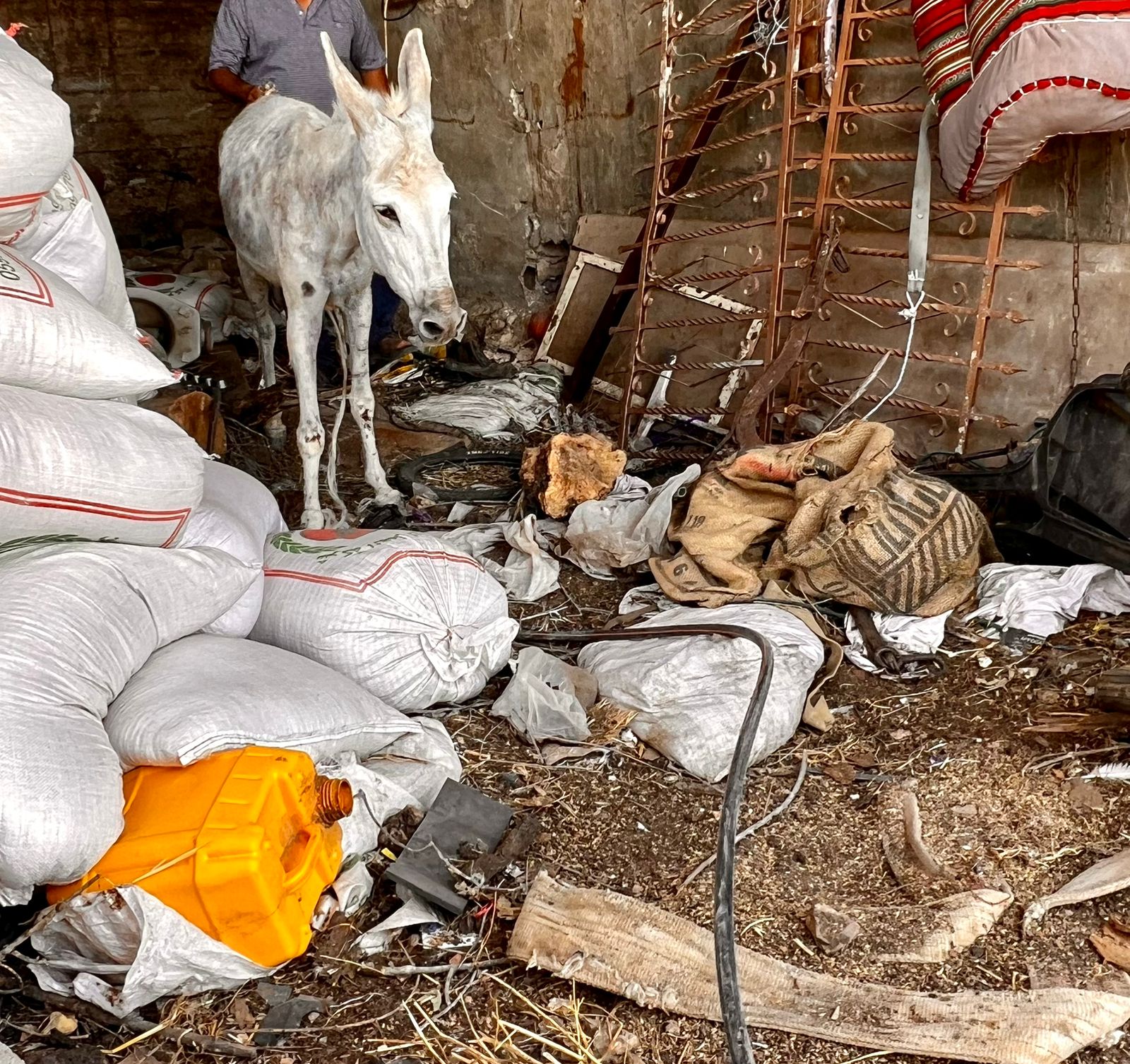
Update from the West Bank – 29th October 2026

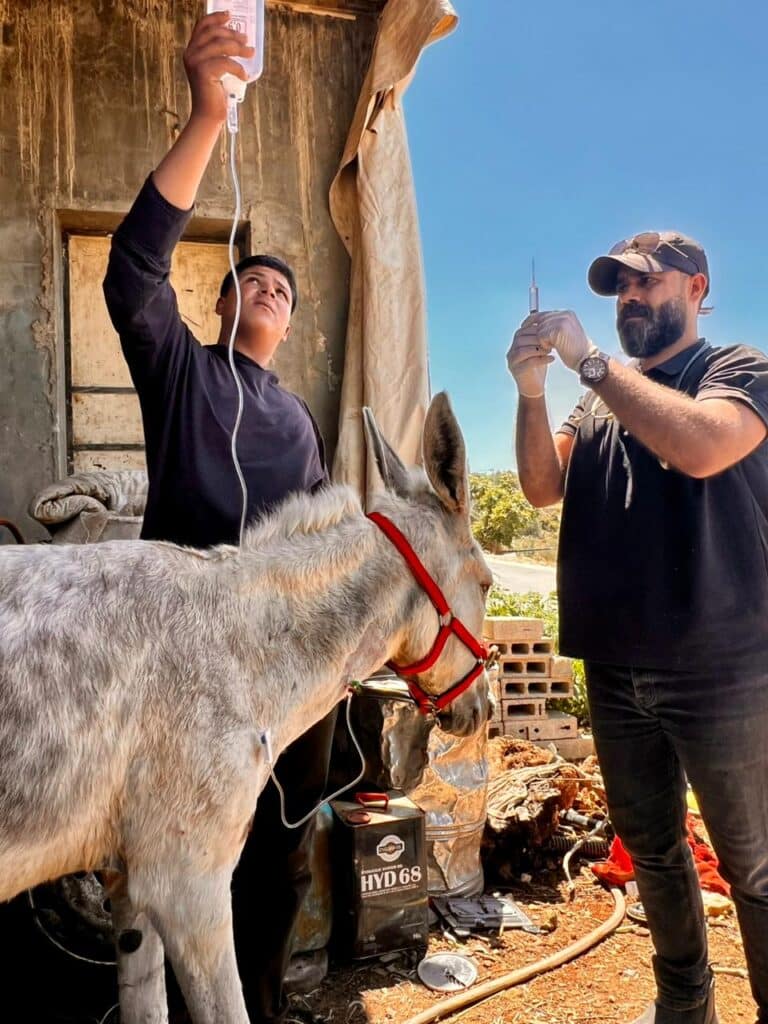
Back in July, we shared the story of this donkey living alongside a horse in a cramped shelter with a rocky, uneven floor. The donkey was dehydrated, with stiff, painful muscles that made walking difficult.

Dr Rakan and the team gave intravenous fluids, pain relief and vitamins. They also spoke with the owner about improving the shelter to help the donkey recover.
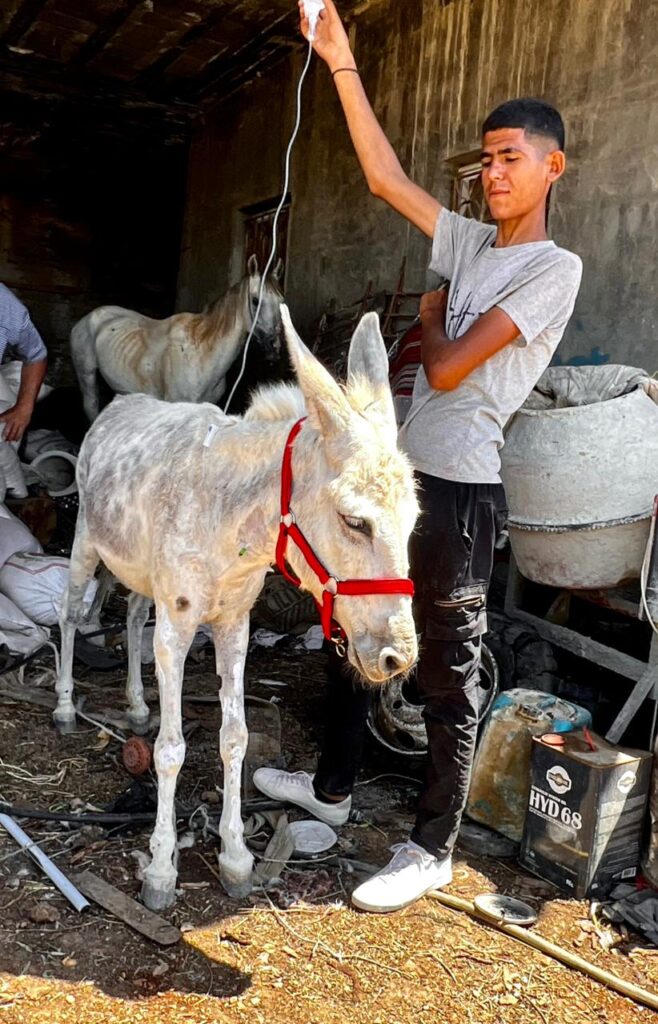
Back in July, Dr Rakan helped this donkey – in desperate need of veterinary care.

At a recent visit, they were delighted to see such a change. The donkey is now in good body condition, with healthy muscles and a healthy-looking coat.

This latest photograph is a lovely way to share that progress with you. Thank you for helping our team provide treatment when it was needed.
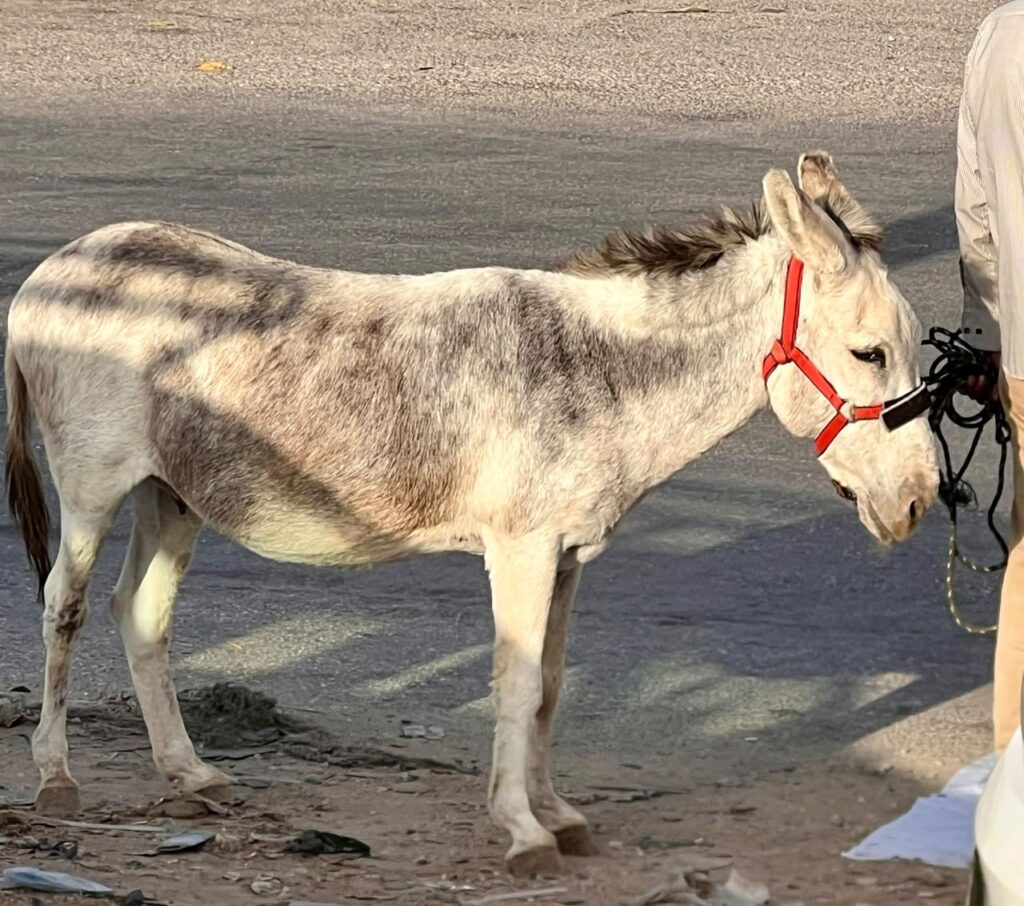
Thanks to your support the donkey is now fully recovered and healthy.

Just this week, a two-year-old horse developed colic during the night, and his owner faced a worrying problem. Dangerous roads and roadblocks around his village made it difficult to get a vet to the farm.

Colic causes abdominal pain and can become life-threatening. Anxious to help, the owner sought veterinary advice by telephone. He also kept sheep, so had some veterinary medicines available.

Following that advice, he gave a painkiller. Thankfully, the youngster recovered from the colic. But a large swelling developed on his neck where the injection had been given.
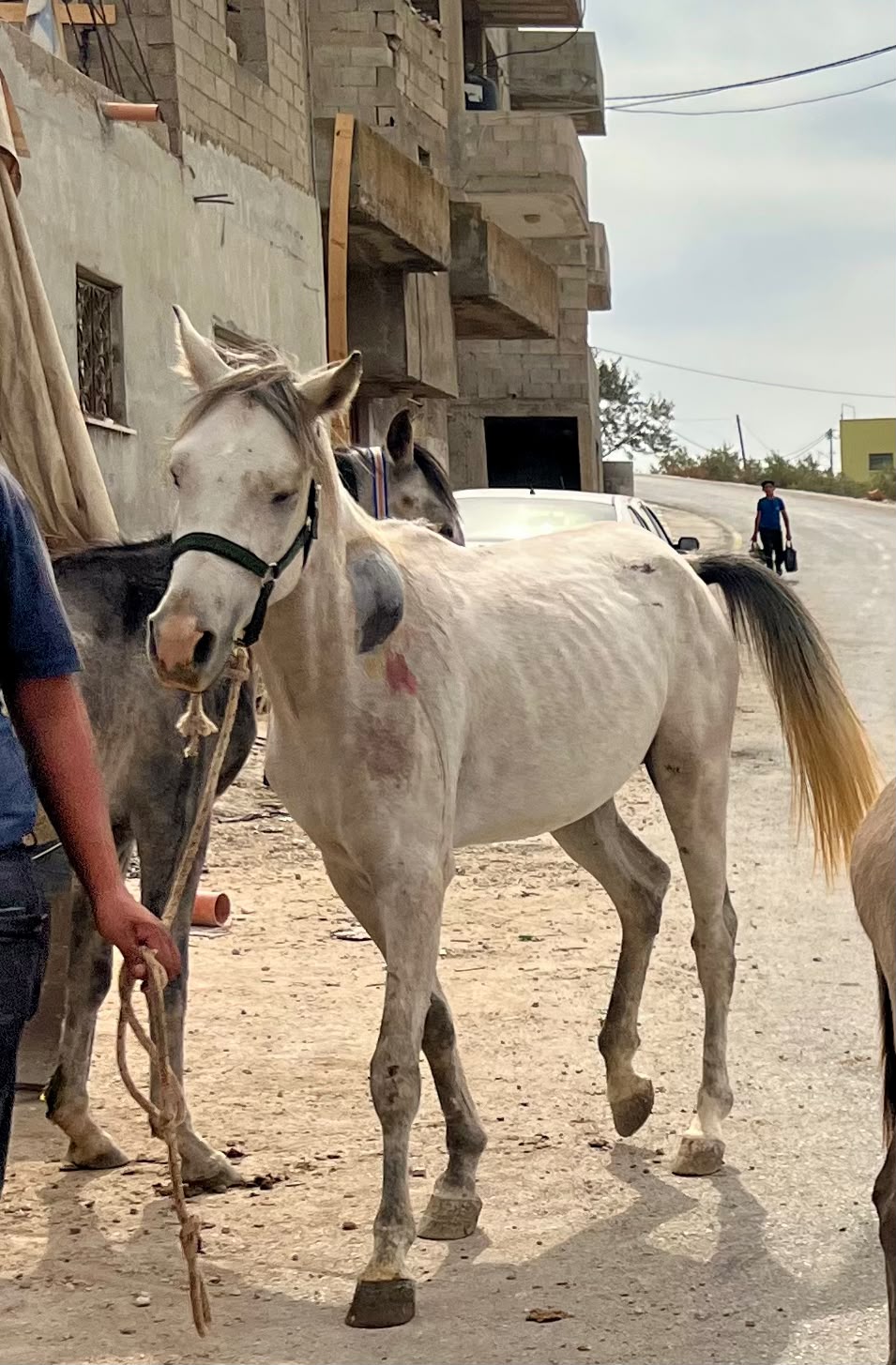
The swelling on the horse’s neck was painful and needed draining.

Thankfully, Dr Rakan was able to examine him during our mobile clinic in Mazare’ Al Nobani, near Ramallah.

He carefully clipped the hair around the swelling, cleaned and disinfected the area, then drained the fluid that had collected beneath the skin. Dr Rakan was also able to provide pain relief, antibiotics and ointment so his owner could continue treatment at home.
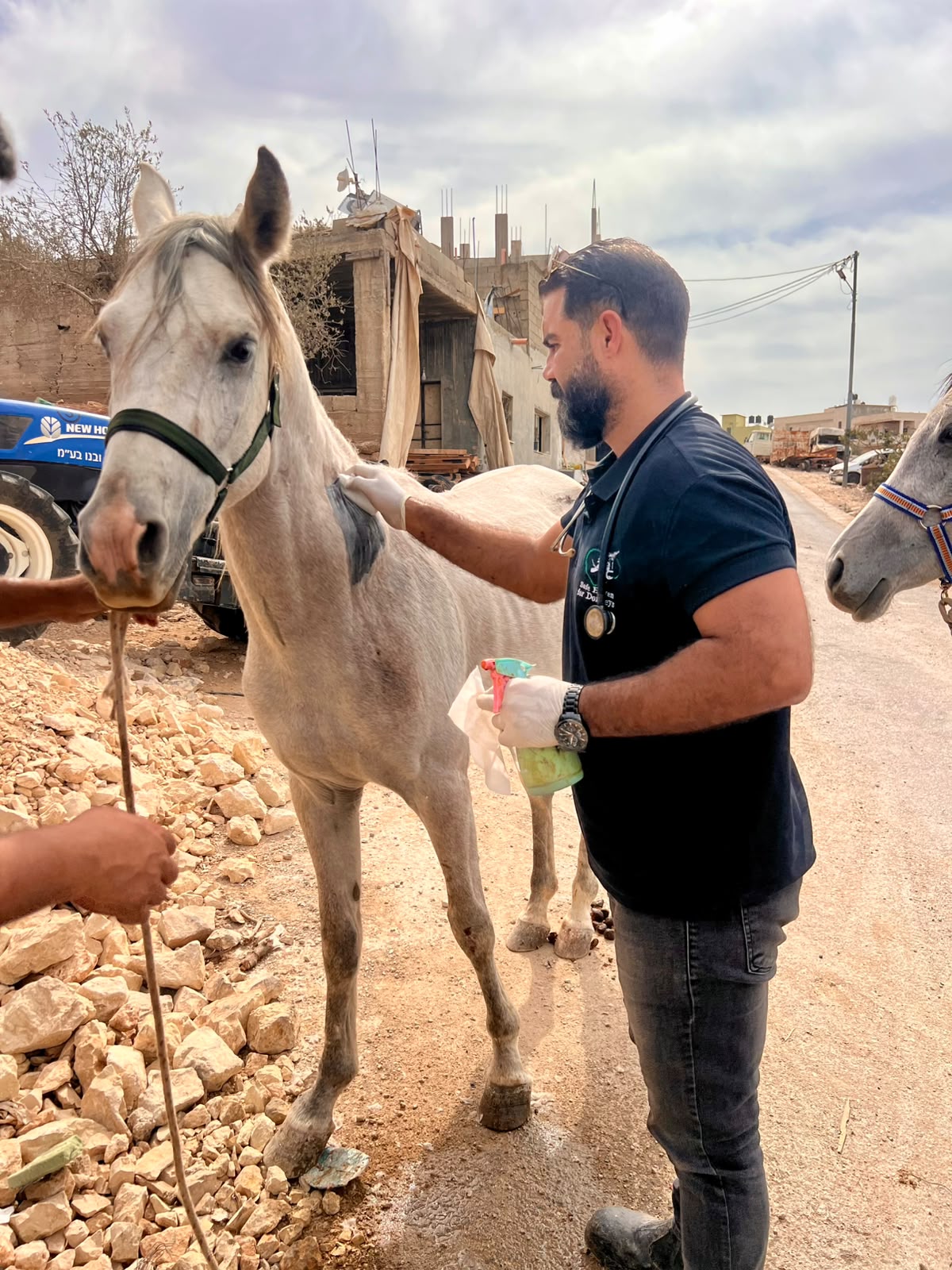
Dr Rakan was able to provide treatment, including pain relief and antibiotics. 

He still needs time to recover, and the team will stay in touch with his owner to check that his neck is healing well.


Your support helps our mobile team reach animals like him, and owners who can struggle to get veterinary help when they need it. Thank you.


Thank you ♥️♥️

With your help, our teams in across the West Bank can treat painful injuries, support recovery and help owners keep their animals healthy.

Your kindness also provides care for rescued donkeys at our sanctuaries and helps our other veterinary teams reach working animals across Gaza and Egypt.

Thank you for helping donkeys and giving them the chance of living healthier, more comfortable lives.
Thanks to your support, this is just one of the donkeys free from pain and back to full health. Thank you for caring.


woensdag 28 oktober 2026

It's all about Felix and friends.......

https://www.orangutan.org.au/projects-overview/


 Orangutans for Adoption - The Orangutan Project


A real charmer our Felix

About Felix
  • Sex: Male
  • Approximate Date of Birth: June 2023
  • Arrival Date: January 2025
  • Rehabilitation Centre: Bornean Orangutan Rescue Alliance (BORA) East Kalimantan, Indonesia

Adopt Felix

Rescued from a life of suffering, baby Felix was found locked in a tiny cage where he had been kept illegally as a pet for six months. His tiny body bore the scars of captivity—wounds on his head from banging against the bars and sores on his fingers from clinging to the cage in distress. Weak, malnourished, and running a fever, he had endured unimaginable fear and trauma.


All the babies on the way for a day in the forest

On 3 January 2025, Felix’s life changed forever when our rescue team brought him to the BORA Rescue Centre. In desperate need of round-the-clock care and comfort, he quickly bonded with his babysitters, just as he would have with his mother in the wild. Despite his rough start, Felix’s curious spirit shone through—he amazed his caregivers by bravely climbing small trees soon after arriving, eager to explore his new world.


Our baby sitter, likes to carry us around. She's nice but we CAN walk. We allow it to please her. That's me Felix, on the left side clinging on


Too old for a bottle of milk!! Are you kidding me? 


When Felix first arrived he had baby pot belly and was only 6 months old

To learn to survive in the forest the babies go to jungle school 


maandag 26 oktober 2026

New Trump rule allows hunters to bait bears in Alaska with doughnuts, bacon and meat scraps for the 'thrill' of killing a defenseless animal at close range


humaneworld.org/ 


Photo: https://alaskabearbaiting.com/


Critics decry Trump administration rule that lets hunters lure bears with human foods on federal lands in Alaska


A new Trump administration rule allows hunters to bait bears on federal lands in Alaska with bacon, doughnuts, meat scraps or other human foods typically used to help kill the trophy animals at close range.


Photo: https://alaskabearbaiting.com/


Opponents say the practice will cause bears to be more aggressive around humans, and allege that the rule change is a political gift to largely right wing trophy hunters. The rule replaces a 2024 Biden administration rule that banned the practice, and environmental groups criticized the move as “indefensible and inexcusable”.

“We are discouraged to see this rule come back, specifically the bear baiting piece which is cruel and dangerous, not only to wildlife but the public as well,” said Drew Robertson, senior regulatory specialist for Humane World for Animals

“We are discouraged to see this rule come back, specifically the bear baiting piece which is cruel and dangerous, not only to wildlife but the public as well,” said Drew Robertson, senior regulatory specialist for Humane World for Animals.

The US interior department on Friday published the rule on the federal register, and it will take effect in mid-November. It marks the latest in a series of rule changes at the state and federal levels since 2023 that allow trophy hunters to use what critics say are barbaric and unethical practices to kill animals.

Doug Burgum, the secretary of the interior, wrote in a press release that the latest rule was developed in response to demands by Alaska residents and it was a “commonsense framework and gives Alaskans a stronger voice in decisions affecting the lands, wildlife and traditions they know best”.

The federal rule does not list specific foods that are allowed, but it defers to state rules, which allow for baiting, and hunters typically use “the cheapest and most effective food, which is high fat and high sugar”, said Nicholas Arrivo, a managing attorney at Animal Protection Law. Hunters typically put food in a steel drum or garbage can, monitor the bait, then set up from a nearby blind from which they kill the bear at short range, Arrivo said.

The practice raises broader ethical questions around the spirit and intent of sport hunting.

“It is a more extreme practice than the hunting traditions that people think of, and many hunters would not see this as a fair chase,” Robertson said.

The move comes after Alaska and federal officials in recent years started allowing sport hunters to hunt big game with controversial practices, like shooting bears from helicopters, shooting swimming caribou from motor boats, killing wolf pups in their dens and using artificial lights to draw bears out of the dens to kill them. The bear baiting is not highly unusual as about a dozen states allow similar practices, but more do not.

The rule change came at the direction of Donald Trump in an executive order, called Unleashing Alaska’s Extraordinary Resource Potential, which was issued in his second administration’s early days.

“It was a priority for the president … and he included direction to reissue this rule, which says that there is a political motivation, not something that seems to be derived from careful consideration,” Robertson said.

This baiting rule has a long history. A ban was first put in place by Barack Obama’s administration, then undone by the first Trump administration. Litigation upheld the Obama rule and overturned the Trump rule. The Biden administration then reimplemented the rule in 2024, largely because science shows that the practice will make bears more aggressive, and put park visitors’ lives at risk.

Though the Trump administration has said the rule was designed to give the state more control over the land, the lands are federal and Congress created the federal land program to give the federal government decision-making power, not state governments, Arrivo said. He said it “is anathema to federal land management goals … of preserving wildlife diversity”.

Though no decision has yet been made about a lawsuit, Arrivo said the interior department’s decision to fully scrap the 2024 rule that underwent a more robust scientific process “doesn’t smell right and raises questions about the legality of this rule”