Translate

Posts tonen met het label Animals Today. Alle posts tonen

vrijdag 3 april 2026

Hundreds of unregistered poultry farms in Poland ( ghost companies), a lack of supervision and the use of large amounts of antibiotics, is a danger to public health and animal welfare

I

No animal welfare supervision of chickens in Poland | Photo (Epe, March 2026): ©AnimalsToday

I read this news for the first time and can hardly believe this is Poland, a member of the European Union ! The Netherlands has a Political Party for Animals ( PvdD) and I can assure you that I will be asking them questions next week. I will update as soon as possible.

Hundreds of poultry farms in Poland operate without the required environmental permits and therefore remain largely out of sight of regulators. Research by The Bureau of Investigative Journalism (TBIJ) shows that these are 'ghost companies', which hardly exist on paper. But in reality, these ghost chicken farmers keep animals on a large scale, including for export.
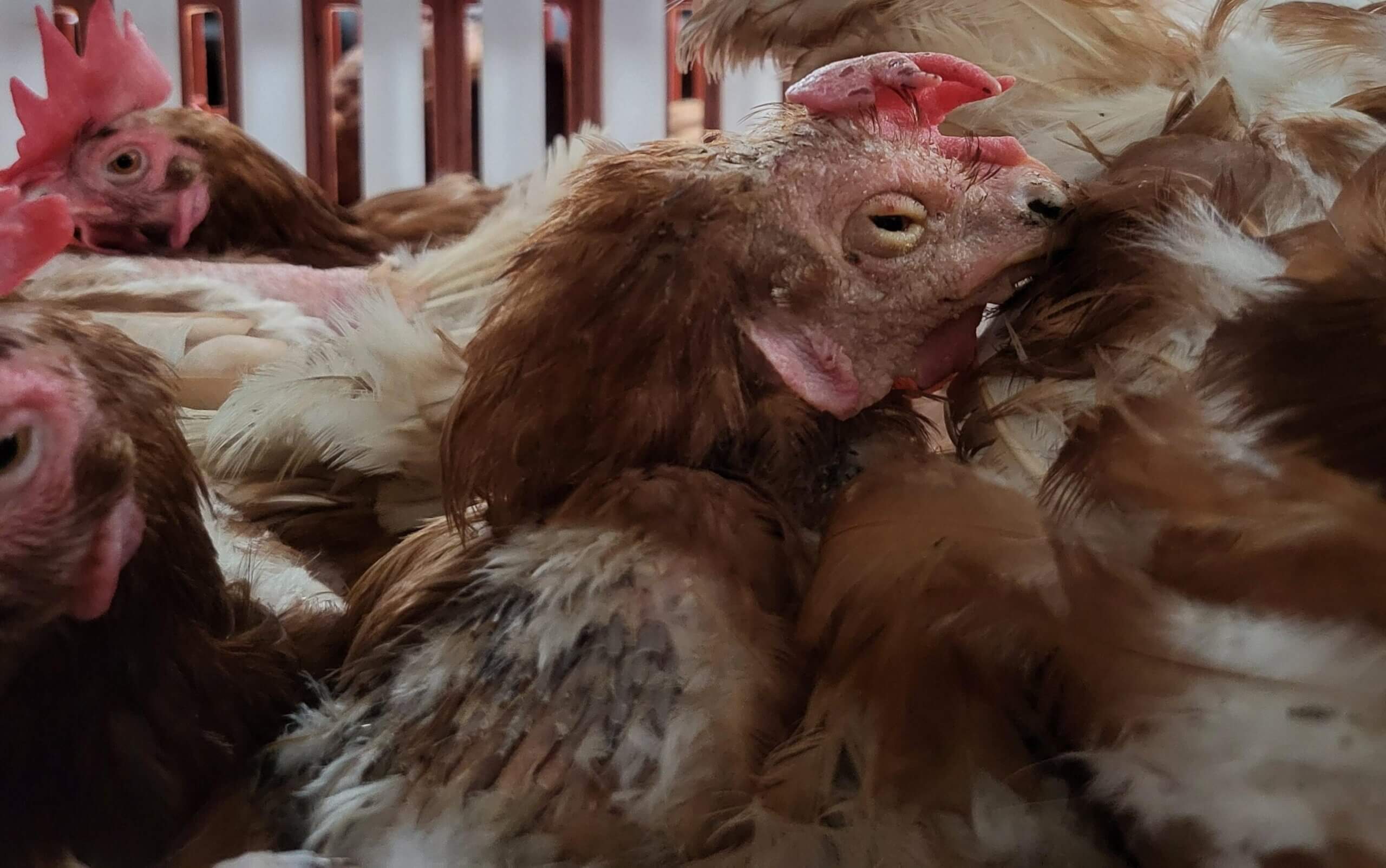
Ghost chicken farmers in Poland out of the picture and therefore out of control
Animal welfare remains out of sight | Photo (illustrative, taken in the Netherlands): Animal Emergency Aid Committee

The problem goes beyond administrative sloppiness. Because these companies are not properly registered, these 'ghost chicken farmers' often remain out of sight of supervision. Different bodies point at each other, so that supervision is lacking. There is often a lack of central responsibility, which means that control becomes fragmented in practice. Because what is not in the system simply does not exist.

Ghost chicken farmers

However, the consequences are not phantoms. There are known cases in which significantly more animals are kept than allowed. There are also signs of illegal discharges and water pollution, with bacteria such as E. coli being found in surrounding areas. Local residents, including children, are said to have developed health problems as a result.

The risks are also high within the farms themselves. Due to the large number of animals close together and the lack of supervision, the risk of disease outbreaks increases. To control this, intensive poultry farming often uses antibiotics, which are subject to strict rules.
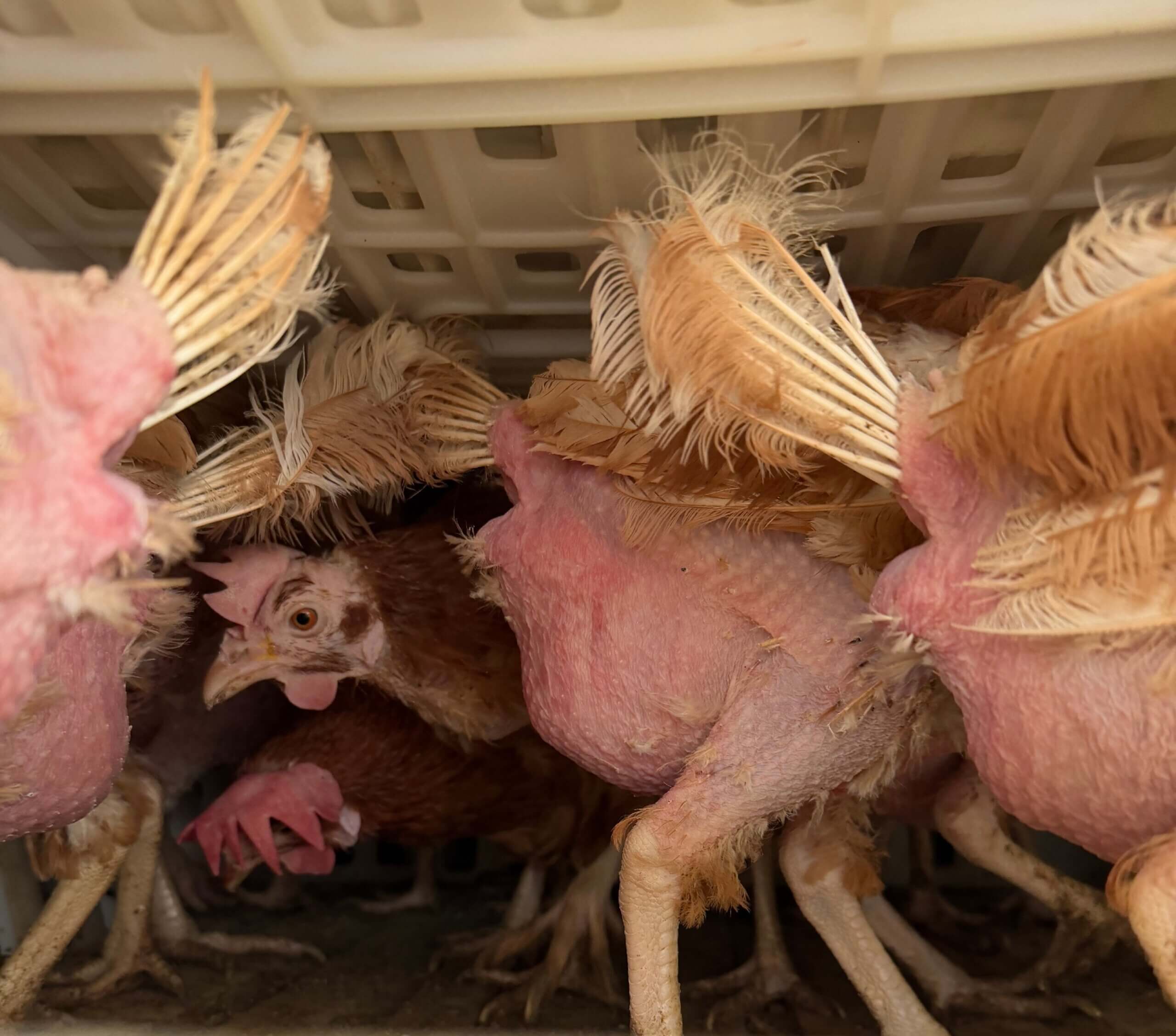
Ghost chicken farmers in Poland out of the picture and therefore out of control
No animal welfare supervision of chickens in Poland | Photo (Epe, March 2026): ©AnimalsToday

Antibiotics

According to a recent report by the European Medicines Agency, Poland ranks second in the EU in terms of total sales of antibiotics for veterinary use. According to The Bureau of Investigative Journalism, this means that an average broiler chicken in Poland receives three to four courses of antibiotics during its short life of about six weeks and is therefore under treatment for almost half of its life.

This raises questions about resistance and its broader public health implications. For example, salmonella can become resistant to antibiotics. Recent EU audits also point to serious shortcomings in the control of this bacterium in Poland. It is striking that official figures on infections are considerably higher than the figures reported by producers themselves, which raises the question of whether the true extent of the problem is fully understood.

Out of the picture, no supervision

Although European regulations were tightened in 2022 to reduce the risk of so-called 'superbugs', research shows that the use of antibiotics that are crucial for human healthcare actually increased on Polish poultry farms in 2023. At the same time, monitoring is lagging behind the rapid growth of the sector, partly due to staff shortages and limited resources at inspection services.

Increasing the number of animals in more intensive farming not only increases the risk of resistance, but also of the spread of other diseases, such as bird flu. Between 2021 and 2023, almost two hundred outbreaks were registered in Poland. In one case, contaminated turkey meat was even exported to other EU countries before the contamination was discovered.

Animal welfare  

At the same time, what goes on within these companies remains largely out of the picture. This naturally raises the question: what does this mean for the animals themselves? If it is not clear how many animals there are, their welfare will also remain completely out of the picture. Exactly how many animals are kept, under what conditions and with what care, is often unclear. It is precisely this invisibility that makes the situation worrying.

Although there is no insight into these ghost farms, it is known what the conditions in intensive poultry farming usually look like. Chickens live in their thousands in enclosed barns, with little or no room to show natural behaviour. Even under regular supervision, their well-being is already under pressure. What this means for animals on farms that operate outside that supervision is anyone's guess and certainly not reassuring.

Not a far from my bed show

The fact that ghost chicken farmers are not a local problem is evident from Poland's role as one of the largest producers and exporters of poultry meat and eggs in Europe. A large part of this production is for export and also ends up on European plates, including in Dutch supermarkets.

Although the situation in Poland is striking because of its size, signs of underregistration and exceeding numbers are also known closer to home. In the Netherlands, for example, outbreaks of bird flu revealed cases in which more turkeys were kept than allowed.

System too vulnerable

A system that depends on registration, but at the same time leaves room to operate out of sight, is by definition vulnerable. Because what does not officially exist, you cannot control. And if this is not enforced, it can continue to exist, regardless of the consequences for animals, people and the environment.

Sources:

©AnimalsToday.nl Mariska van Geelen


dinsdag 17 maart 2026

Public outcry stops controversial macque execution show in China


Screenshot @Protect_Wldlife on X

China: macaque execution show stopped 


The show consisted of trainers who forced macaques to re-enact an execution scene in front of an audience. The animals wore costumes and metal muzzles, they were tied with rope. An actor then pretended to shoot the monkeys with a fake weapon. During the performance, the animals had to fall to the ground while visitors watched. Among the audience were also children. According to the tourist venue, the show was performed by an outside entertainment group. After many complaints, the attraction decided to terminate the contract. The show has now been completely canceled.

Macaques are intelligent and social apes. In the wild, they live in groups with strong social ties. In entertainment shows, the opposite often happens. There, macaques are forced to behave unnaturally. Training is regularly accompanied by violence and coercion. Trainers hit or kick animals when they don't obey. Or they decide not to feed the animals. In this way, they try to keep macaques under control.Serious suffering for macaques

When the animals are not performing, they are often locked up in small cages. Contact with other species is regularly lacking. For social animals such as macaques, this causes a lot of stress. Long-term confinement can lead to health problems and severe psychological trauma.

Global exploitation of macaques

The execution show is not an isolated one. All over the world, macaques are used for tourist attractions and street shows. Often these are young animals. They are easier to manipulate and 'train'.
Macaques are also widely exploited on social media. Videos in which monkeys are abused regularly go viral. In some videos, young macaques are beaten, strangled or almost drowned for online attention.

Social media often contributes to the spread of content that shows violence against animals. Through likes, views and comments, these types of videos continue to circulate.

Report animal cruelty online

Although the cessation of this execution show is positive, the exploitation of macaques continues worldwide. Animal protectors are therefore calling for stricter rules against the use of wild animals in entertainment.

Internet users can also help. Do you see videos online that mistreat macaques or other animals? Then report it to the Social Media Animal Cruelty coalition (SMAC) via their report page. You can also report the content directly on the social media platform itself.

Stop of execution show and other violence

Macaques are wild animals. They don't belong in shows or in violent videos. Their place is in the wild. There they can live as they should: freely, in their own habitat.

Sources:


©AnimalsToday.nl Savannah Drenth


zaterdag 8 november 2025

VIDEO: So called 'leftover piglets' rejected because of health problems, on gruesome transport to Croatia for slaughter a 16 hour journey without access to water


Residual piglets on gruesome transport to Croatia for slaughter (video) 

 
www.animalstoday.nl

Animal welfare organizations  Eyes on Animals  and  the Animal Welfare Foundation  are raising the alarm about the fate of so-called 'leftover piglets'. These are  young pigs that have been rejected due to health problems or growth abnormalities and

 are therefore prematurely culled, slaughtered. However, this

doesn't happen in the Netherlands, but in  Croatia  and  Spain . These transports   are horrific for the vulnerable animals.

Discarded piglets being transported to Croatia for slaughter, a 16.5-hour journey | Photo: screenshot  video Eyes on Animals/YouTube acces to water 

Waste piglets are discarded animals from  pig farming . They may have congenital defects, abscesses, or an umbilical hernia. Transporting these animals is not prohibited per se, but the conditions under which they are transported are. Thousands of waste piglets are transported from the Netherlands alone every week. Annually, this amounts to hundreds of thousands of young, vulnerable animals.

Residual piglets transported to Croatia

Eyes on Animals and  Animal Welfare Foundation followed two transports and observed the following violations:

  • Overcrowded compartments: piglets were lying on top of each other and could not easily reach the water.
  • Many piglets in deplorable condition, with large umbilical hernias, abscesses, bitten ears, abscesses, deformities and bitten ears.
  • No access to water en route.
  • Dead piglets on arrival.
    .

The transport to Croatia traveled nonstop for 16.5 hours, without rest, food, or water for the piglets. Upon arrival, they had to wait another hour and a half because the slaughterhouse wasn't open yet,  according to  Eyes on Animals.


Piglets left over in overloaded transport to Croatia | Photo: screenshot  video Eyes on Animals/YouTube

Risk of injury

It's not illegal to transport vulnerable residual piglets, but it is when transport poses serious risks to the animals' welfare. Conditions like an umbilical hernia pose a real risk of injury, as does overloading. The NVWA  told  the NOS that the observed violations occur because the inspectors can't be present everywhere.


maandag 8 september 2025

13,000 kilos of hay on its way to Ukraine for hungry animals in Ukraine


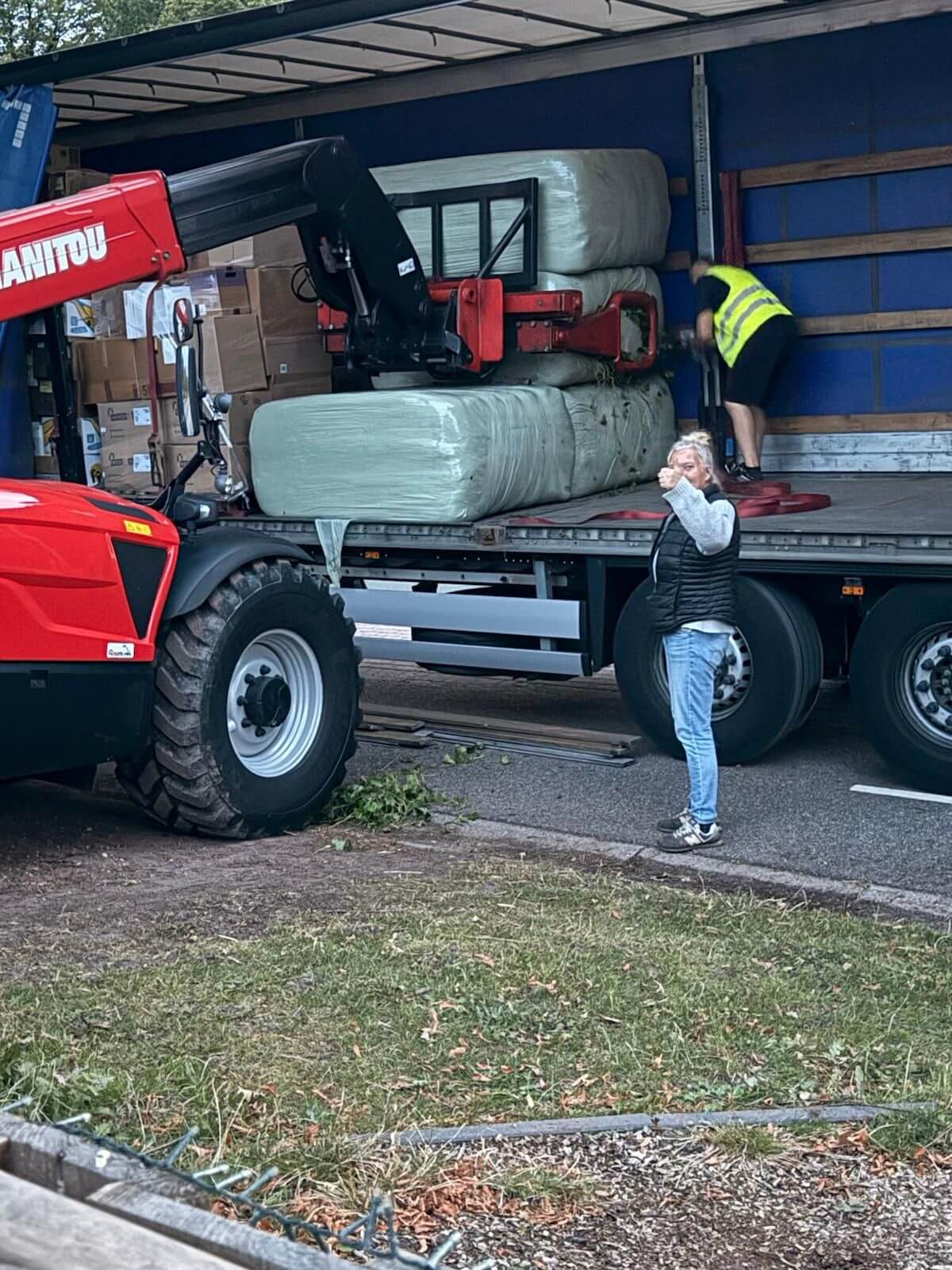
13,000 kilos of hay on its way to hungry war animals in Ukraine | Photo: Pegasus

A few weeks ago, House of Animals issued an urgent appeal due to the dire situation facing the Pegasus shelter in Ukraine. There is hardly any hay available for the horses, ponies, goats, donkeys, and cows. Patricia from Smilde (Drenthe) contacted House of Animals with fantastic news: she is donating 13,000 kilos of hay for the hungry animals at Pegasus.  

Patricia herself fosters 14 horses, some of whom are given a second chance by her. Her passion for animals is immense. When she saw our emergency call for hay, she didn't hesitate and immediately came to help. Patricia:

"I saw the call for Ukraine, saying there's no more hay. Then I thought: I have 30 bales of hay here, so I'll buy some new ones and donate what I have.

Patricia from Smilde donated 13,000 kilos of hay
Patricia from Smilde donated 13,000 kilos of hay | Photo: Patricia from Smilde

13,000 kilos of hay to Ukraine

No sooner said than done! On Wednesday, September 3rd, the truck full of hay departed for Ukraine. With 13,000 kilos of hay, Pegasus can feed its horses, ponies, and other animals for another two weeks. Patricia:

War is terrible for everyone, but animals have no voice. They are completely dependent on humans. That's why we must all work together to help them. Animals can't flee; they're trapped. They need help because they're hungry!

Previous hay donations for war animals

This donation reminds us of April 2022, when, shortly after the outbreak of war, Durkje Visser and René de Boer from Bears, Friesland, donated no fewer than 66 bales of silage and 75 bales of hay. With this donation, they helped a riding school that had to feed its 35 horses and 40 evacuated horses.

And another truck…

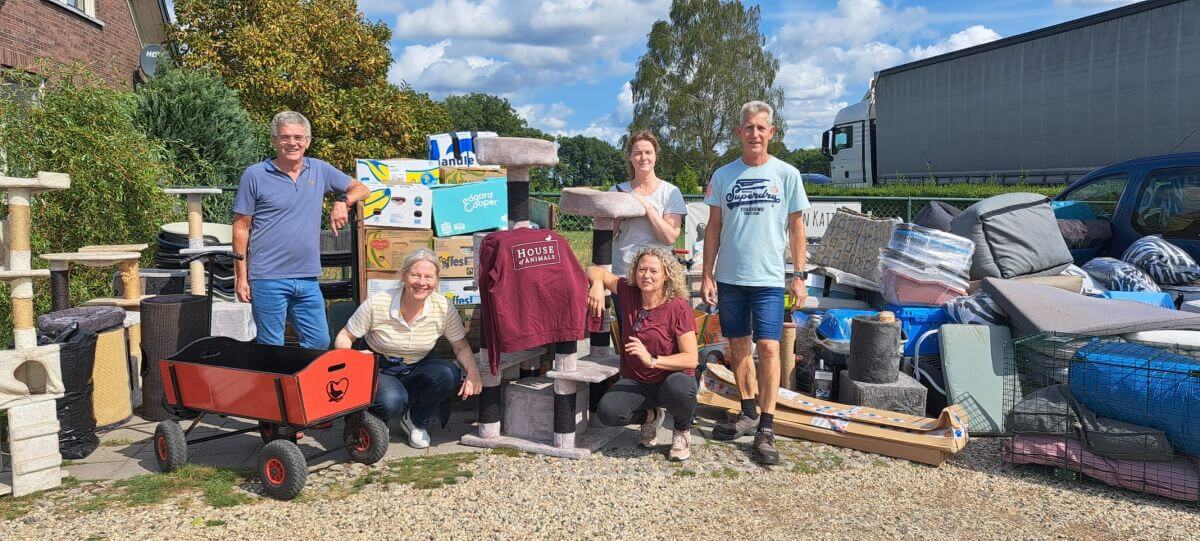
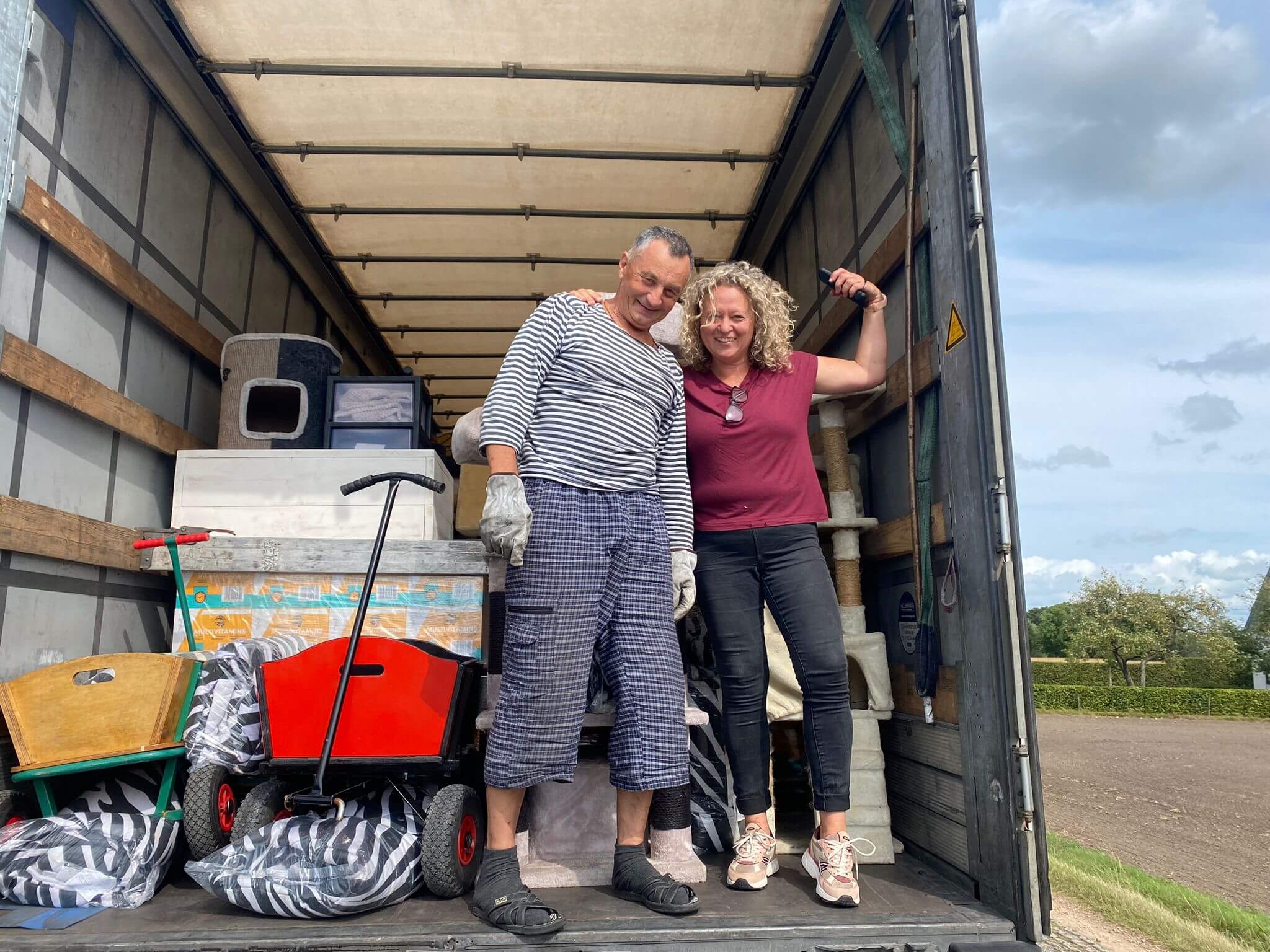
And we have more good news! Last week, a second truck left for Ukraine, fully loaded with pallets of food donated by WWAR and over 1,400 kilos of pet supplies collected through our fantastic colleague Frida, along with several wonderful donors from House of Animals! This truck will arrive at Pegasus next week.

Frida (bottom right) received help loading the truck | Photo: House of Animals

Many thanks to Patricia and WWAR for the donated food, to the Dopomoha Foundation for arranging the transport, to the Wings for Animals Foundation for the donated supplies, and to everyone who donated supplies and money for the war animals in Ukraine!      

Truck ready to leave for Ukraine | Photo: House of Animals

Pegasus provides shelter to approximately 1,800 animals and is very grateful for all donations. Hay remains urgently needed, and all donations are more than welcome.

What can you do?


©AnimalsToday.nl | House of Animals Estefania Pampin Zuidmeer

zaterdag 9 augustus 2025

Greece has made a controversial decision: working horses, mules and donkeys are allowed to work in extreme heat and only rest above 40 degrees between 1pm and 5 pm


Up and down steps all day. When they rest for a while there is no shade and no water. 

https://www.animalactiongreece.org/

https://secure.peta.org.uk/page/67583/action/1   Petition

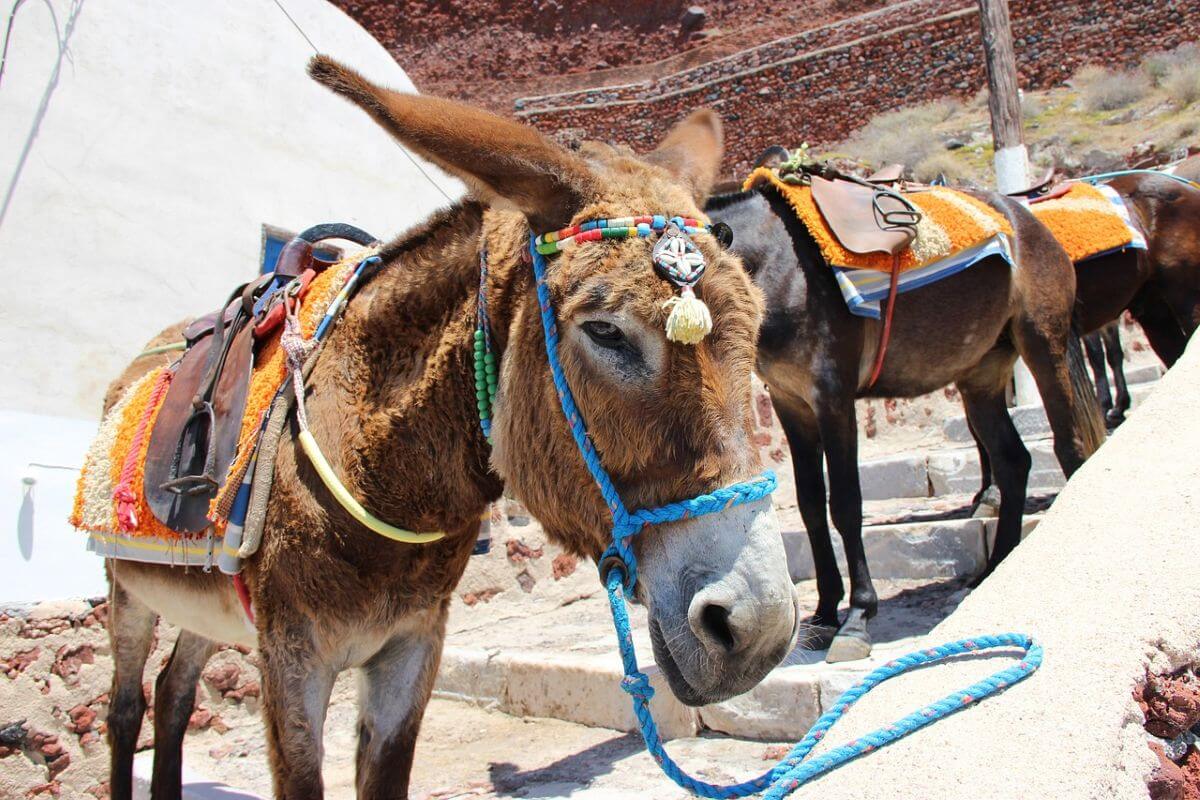
In a controversial decision, the Greek Ministry of Rural Development and Food has significantly relaxed protection measures for working donkeys, horses, and mules during extreme heat . While these animals were prohibited from working at all in 2023 when temperatures exceed 39°C, this ban now applies only between 1:00 PM and 5:00 PM when temperatures exceed 35°C. Animal welfare organizations call it a dangerous step backward, creating a "torture window" for exploited working animals.

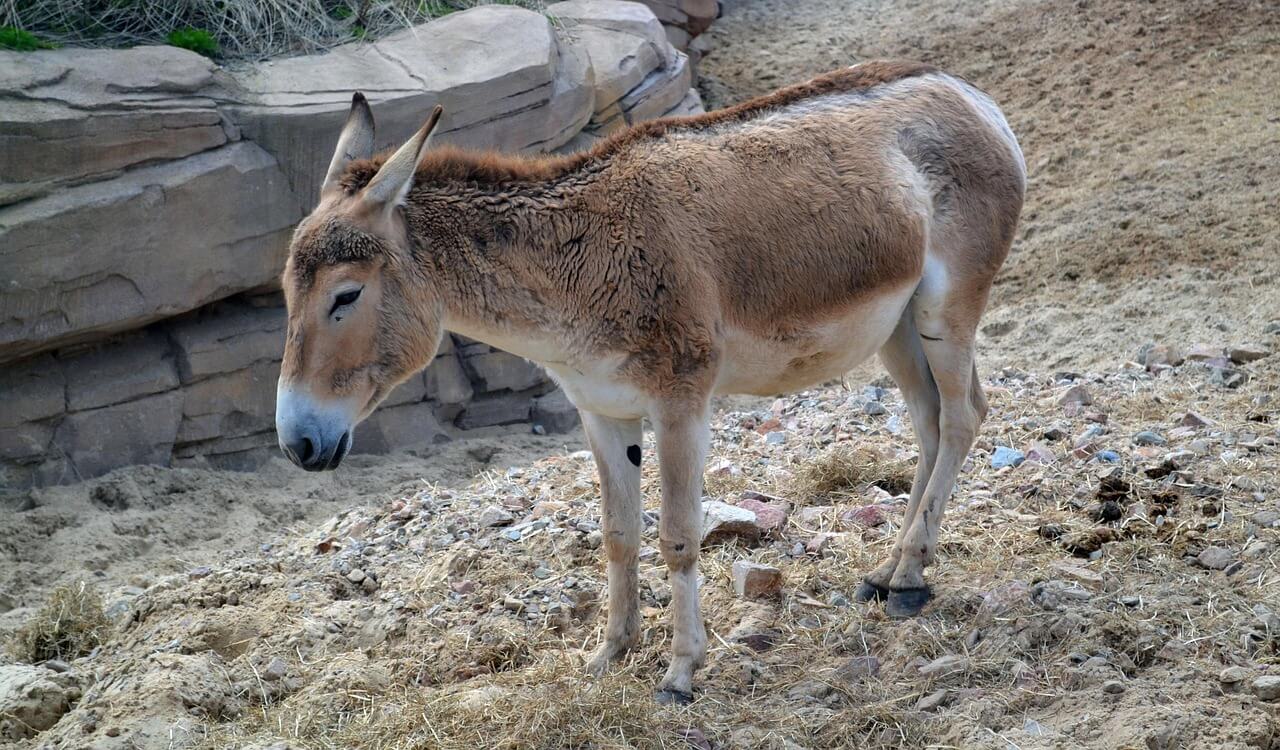
Two working donkeys in Santorini, Greece. The country allows donkeys to be used as pack animals in extreme heat.
Working donkeys in Greece allowed again amid extreme heat | Photo: Public domain  No Shade, no water.

Greece is experiencing increasingly intense and prolonged heatwaves . Temperatures regularly exceed 40°C, nights offer little relief, and extreme weather conditions are becoming the new norm. In 2023, the country experienced its longest heatwave ever recorded, with temperatures exceeding 40°C for weeks. This climate change impacts not only Greece's residents and visitors, but also its working animals, who have no choice or shelter.

Meteorological data shows that heatwaves in 2025 will be at least as severe as in previous years. Despite this, the Greek government has decided to relax protection measures for working animals. This decision contradicts the advice of animal welfare experts.

Centuries-old 'tradition' under pressure

Donkeys, horses, and mules have been used for centuries as cheap labor in daily life in Greece, especially on the islands. What once began as a necessity is now largely a tradition that comes at the expense of the animals. They are still used for tourist trips, carrying heavy loads, and tasks for which alternatives have long existed.

The problem is that this traditional role increasingly clashes with modern insights into animal welfare and the realities of climate change. Especially during the tourist season, when cruise ships bring thousands of visitors to the islands daily, the animals are severely overburdened.

animal rides
Donkeys, horses, and mules have been used for centuries as cheap labor in daily life in Greece, especially on the islands | Photo: Public domain

From protection of working donkeys to relaxation

Until 2023, a rule was in effect that actually protected animals: at temperatures of 39°C or higher, donkeys, horses, and mules were not allowed to work at all. This scientifically based measure recognized what every veterinarian knows: extreme heat is fatal for working animals.

But in 2025, the Greek ministry decided to weaken this protection. The new rules create a "torture window": animals can once again be exploited in the blazing morning sun and scorching afternoon heat, as long as a few hours' rest is provided between 1:00 PM and 5:00 PM.

The result is predictable: exhausted donkeys lugging tourists around in temperatures of 40°C on Santorini or Hydra, for an industry that puts profit above well-being.

Why this dangerous relaxation?

The question that preoccupies both animal welfare organizations and citizens is: why this step backward? There are no new scientific insights that justify this relaxation. On the contrary, climate change makes stricter protection even more necessary. The relaxation also does not appear to be the result of recommendations from scientific committees or consultation with veterinarians. Moreover, it came at a time when the EU is working on a new, stricter strategy for the welfare of working animals, and while public awareness of animal rights is growing. The Greek decision therefore appears to go against the European and international trend.

Many organizations therefore suspect that pressure has been exerted by commercial interests: entrepreneurs who see animals as instruments for profit, not as living beings with needs and rights.

Tips for responsible tourists

The easing of heat restrictions in Greece is unfortunately not an isolated incident, but part of a broader culture where animal welfare is subordinated to economic gain. From the neglected cows on Kos, kept in parking lots and other unsuitable locations for EU subsidies, to the exploited donkeys on Santorini. Only through collective pressure from tourists, animal welfare organizations, and the international community can we hope that Greece will return to stricter protections for its working animals.

What can tourists do for working donkeys and horses:

Visitors to Greece can make a big difference themselves. Here are a few tips:

  • Avoid donkey rides, no matter how romantic they're presented. Take the cable car or use your own two feet.
  • Support animal-friendly tour and accommodation providers that do not use animals for transport or entertainment.
  • Report abuse to local animal organizations if you see animals suffering or being abused.
  • Share your experiences through reviews and social media so that other travelers are better informed.

Source:

©AnimalsToday.nl Liesbeth Riekwel


woensdag 9 juli 2025

De rechter in Zeeland heeft toestemming gegeven om 1500 ganzen in de rui, daardoor niet kunnen vliegen, te vergassen


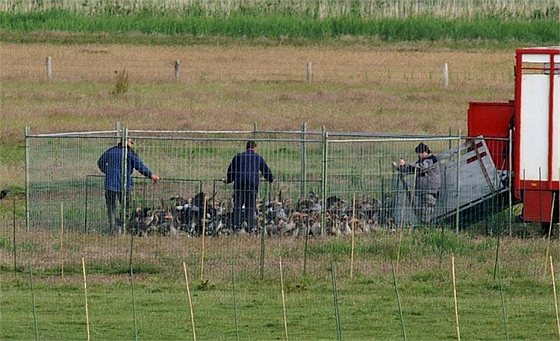
Duke Faunabeheer gaat deze week ganzen vangen en doden. Gedeputeerde Wilfried Nielen is er blij mee: „We maken ons grote zorgen over de schade die ganzen in de landbouw veroorzaken.” © Duke Faunabeheer / Mechteld Jansen

Zeeland laat deze week zo’n 1500 ruiende ganzen vergassen 


Foto: Stichting Akka’s Ganzenparadijs

Zeeland laat deze week zo'n 1500 ruiende ganzen vergassen
Foto: Stichting Akka’s Ganzenparadijs

Het beruchte Duke Faunabeer zal de ganzen gaan vangen en vergassen met CO2, hetgeen een extreem wrede wijze is van doden. Eer de dieren het bewustzijn verliezen beleven ze een gruwelijke doodsstrijd. Ze hebben het gevoel van binnenuit te verbranden en vrezen voor hun leven, terwijl ze in eerste instantie nog bewust meemaken wat er gebeurt.

Zeeland laat deze week zo'n 1500 ruiende ganzen vergassen
Ruiende ganzen hebben geen enkele kans | Foto: Stichting Akka’s Ganzenparadijs

Ruiende ganzen vergassen laf

Critici vinden het laf van Zeeland om ruiende ganzen te laten vergassen. Maar gedeputeerde Wilfried Nielen is tegenover BD zeer te spreken:

“We maken ons grote zorgen over de schade die ganzen in de landbouw veroorzaken.”

Schade aan landbouw is een eeuwig terugkerend argument, terwijl Nederland qua ligging en voedselaanbod een ideaal ganzenland is. Uitgestrekte sappige grasvelden, veel waterrijke gebieden en (tot nu toe) veilige gebieden om te kunnen ruien. Verjagen heeft daarom meer zin dan schieten, want als er voedsel is komen er ganzen op af. Het geveinsde argument door ganzenverdelger Stan den Hertog is daarom ook niet de discussie

“Wie zegt dat de natuur de grootte van de populatie vanzelf regelt, heeft gewoon ongelijk.”

Maar niemand met inzicht beweert het bovenstaande, want de mens zet velden vol voedsel klaar voor de ganzen. Natuur heeft er niets mee te maken, behalve dat ganzen hun honger niet kunnen bedwingen. Ook mensen zouden rijen dik staan voor gratis lekker eten. Maar schiet je ze dood of vergas je ze, dan komen er altijd weer nieuwe ganzen voor terug. Want dat gras staat er volgend jaar weer.

Diervriendelijke vogelverschrikker gezocht

Verjagen met bijvoorbeeld drones, lasers, neproofvogels of combinaties daarvan, maakt er een onzekere, mogelijk gevaarlijke plek van. Een hedendaagse, diervriendelijke vogelverschrikker moet toch te bedenken zijn.. Karen Soeters van House of Animals:

“Vergassen betekent een wrede en keiharde doodsstrijd voor de ganzen. Dat er mensen staan te juichen bij zo veel dierenleed en onkunde is tekenend. En wanneer je ganzen die in de rui zijn niet eens een vluchtpoging gunt, ben je in onze ogen heel laag bezig. Zolang er voedsel is komen er ganzen op af, ze doden heeft geen zin en lost het probleem niet op.”.

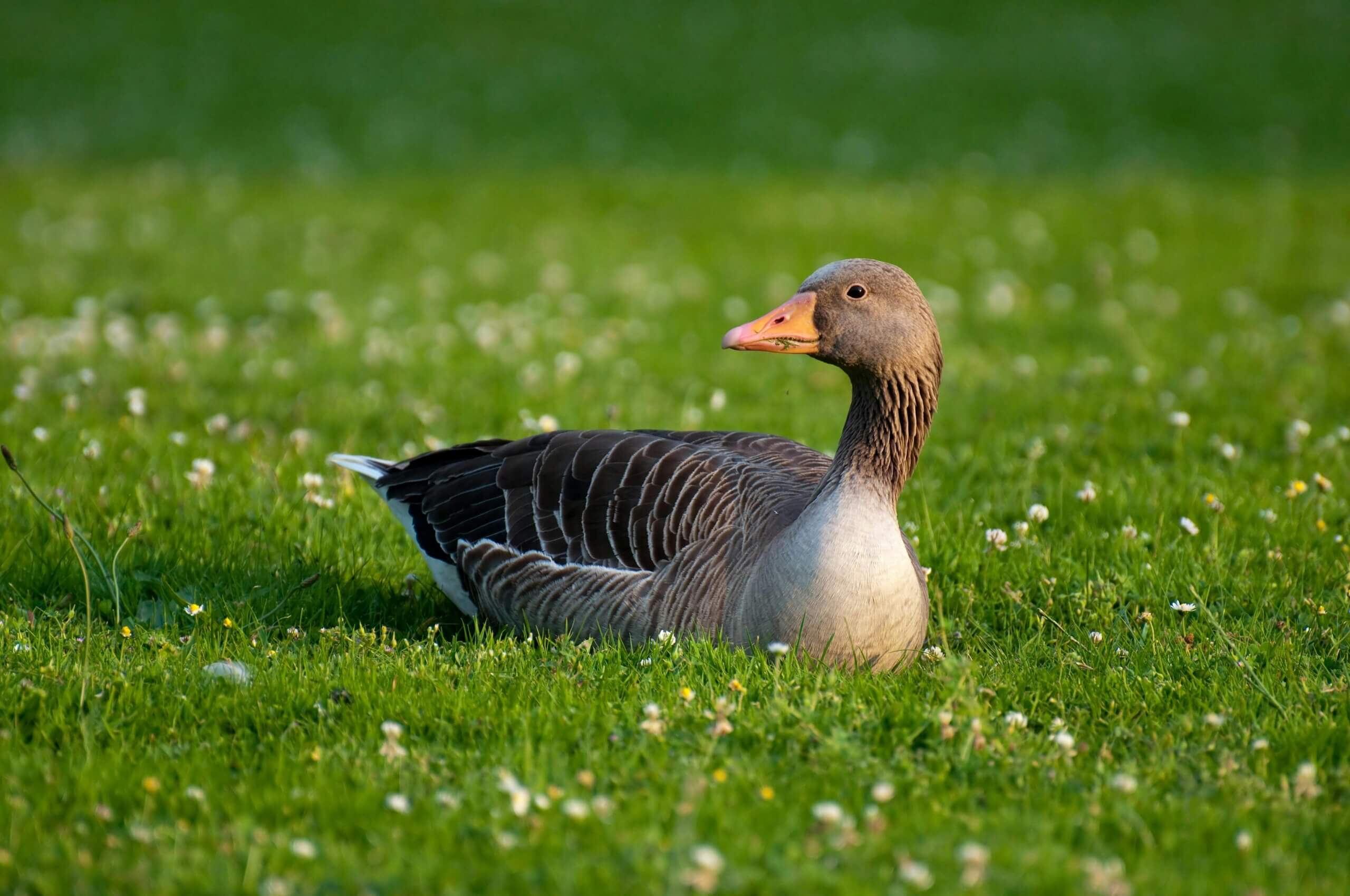
Grauwe gans | Foto: publiek domein

Volgens BD begint Duke Faunabeheer donderdag of vrijdag met het vangen en vergassen van de ruiende ganzen, die hun verenpak verliezen en wachten op nieuwe veren.

Bron: