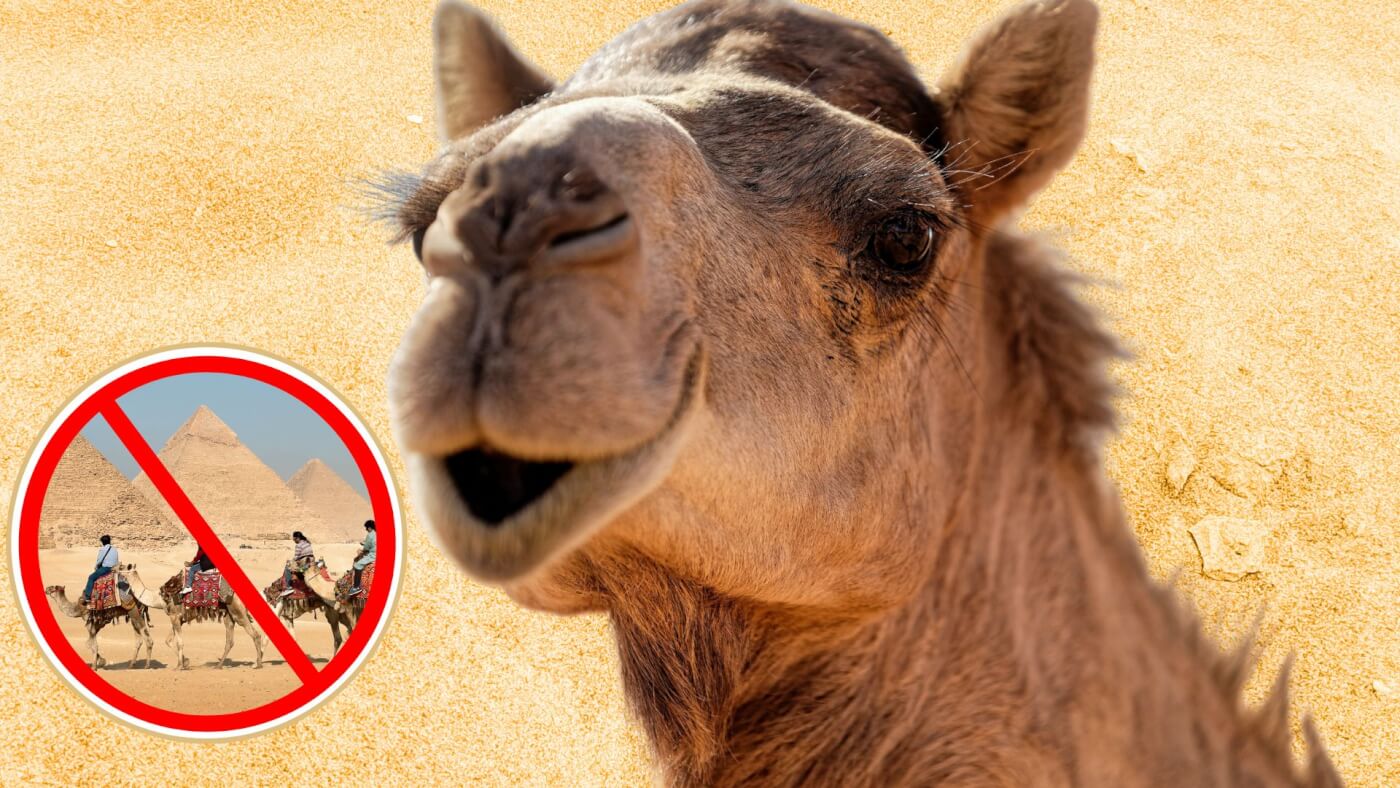
Good news for camels and horses. UK-based travel company Aero Travels has dropped cruel camel and horse rides at the Giza Pyramids in Egypt from its tours.
The decision was made just a week after we urged our supporters to contact the company to ask them to do right by horses and camels. Thank you to more than 12,000 compassionate people who emailed the company. When we speak out for the animals, we create change.
Camels and Horses Are not “Taxis”
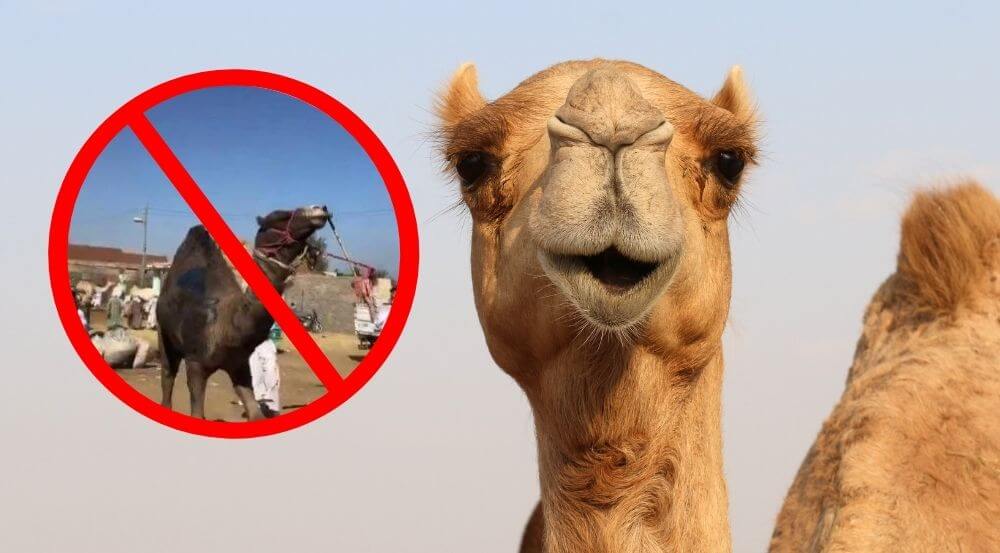
Horses are herd animals who can feel stressed if forced to live alone and mourn each other’s deaths. Camels are known to greet one another by blowing air on each other’s faces. They don’t deserve to be abused for tourist rides.
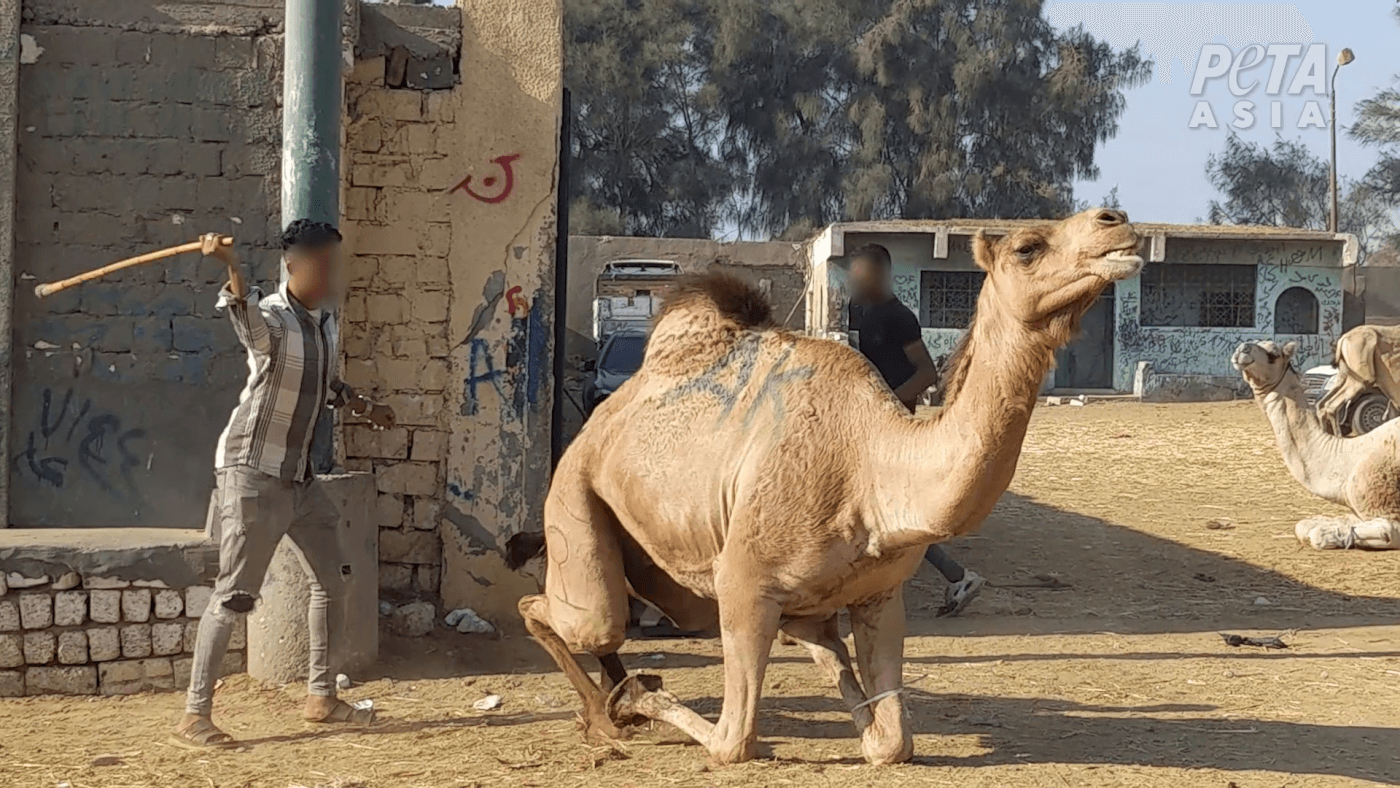
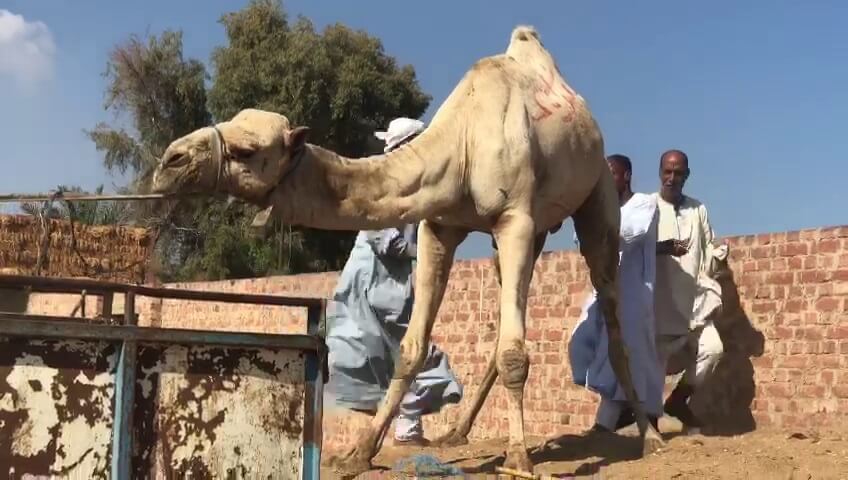
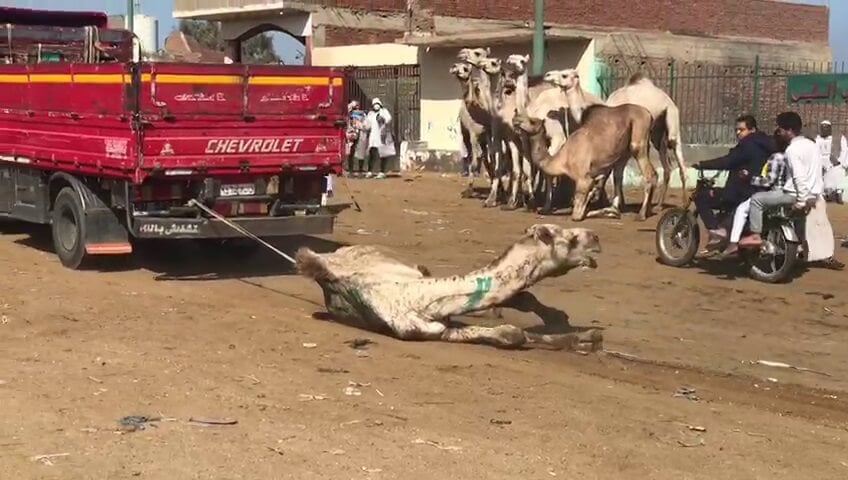
PETA Asia’s latest investigation into the historic site documented handlers violently beating exhausted horses and camels who are used to haul tourists in the blistering heat and without shade. Injured and malnourished horses were seen eating from rubbish dumps, and the bodies of dead horses were found discarded every day at rubbish heaps outside the Giza pyramids.
Camels considered too old, sick, or injured to be useful were often hauled to a slaughterhouse, where their throats were slit while they were still conscious. One camel on video can be seen continuing to kick for agonising minutes after her throat has been cut.
Whether you’re planning a trip to Egypt or anywhere else in the world, please always stay away from camel riding and camel trekking.
Aero Travels’ decisive action will stand them in good stead with compassionate tourists who only want to deal with companies that shun these shameful rides. It now joins more than 50 businesses that won’t promote or sell animal rides at the pyramids, including Marriott, Airbnb, Audley Travel, British Airways Holidays, easyJet holidays, Exodus Adventure Travels, Flash Pack, Hays Travel, Scott Dunn, and Travel Republic.
Camels Need You to Take Action
Travel operators that are still profiting from animal abuse in Egypt must immediately follow suit. Let’s secure another victory for horses and camels. Join us in calling on Stubborn Mule Travel and On The Go Tours to follow in Aero Travel’s compassionate footsteps and drop horse and camel rides from their offerings.
More and more travel companies are agreeing not to offer or promote animal rides at the Pyramids in Egypt. And a growing number are saying no to camel rides worldwide. Here’s how camels are abused for rides, which companies made the compassionate decision not to promote such cruelty, and what you can do to help.
What’s Wrong With Camel Rides?
PETA Asia investigations at the pyramids of Egypt reveal extreme suffering and the subsequent death of camels and horses used for tourist rides. Watch this video to see handlers routinely beating them with sticks, whips, and other weapons. ( I have removed the video too graphic )
Many animals are so emaciated that their ribs jut out through their skin, and when they collapse, they are beaten and forced to continue working. Camels often have open sores and bloody wounds, are tied up or hobbled when not being used for tourist “selfies” or rides, and are not provided with shade or water. Malnourished horses try to subsist by eating from rubbish dumps and are not provided with veterinary care – even when they have open wounds and broken legs.
At Birqash Camel Market, where camels are often sold to be used for tourist rides, the exploited animals are beaten bloody and their legs are tied so tightly with rope that they can’t even walk freely. When camels and horses are no longer able to give rides, they are dumped like rubbish or hauled to abattoirs and killed for their flesh.
These Travel Companies Do Not Offer Camel Rides at the Pyramids
These British travel operators do not offer or promote exploitative animal rides at the pyramids.
Abercrombie & Kent Aero Travels Affordable Luxury Travel Airbnb AllTrippers Audley Travel Booking Holdings Contiki Costsaver Exodus Adventure Travels Explore! Families Worldwide Flash Pack G Adventures Hays Travel Insight Vacations Marriott Original Travel Tauck The Adventure People The Natural Travel Collection Trafalgar Trailfinders Travel Bag TravelLocal Travel Republic Uniworld
These Travel Companies Do Not Offer Camel Rides Anywhere
Whether it’s happening in Egypt, Morocco, the United Arab Emirates, Jordan, Gran Canaria, Australia, or anywhere else, camel treks and rides exploit camels. Leading the way in compassionate travel, these travel operators do not offer or promote exploitative rides in Egypt, or anywhere else worldwide.
American Holidays British Airways Holidays Citalia Destination 2 Destination 2 Cruise easyJet holidays Exoticca Expat Explore Group Tour Shop HF Holidays HolidayGems KE Adventure Travel Newmarket Holidays Red Savannah Riviera Travel Scott Dunn Sovereign Luxury Travel The Ultimate Travel Company Titan Travel TourAxis Travcorp Holdings We Are Travel Girls
Say ‘No’ to Camel Rides
You don’t have to wait until all travel operators stop promoting cruel activities that exploit camels, horses, and other animals. Be a responsible traveller and avoid all tourist traps that involve animals. Use this guide to learn more about the ways animals are abused for tourism
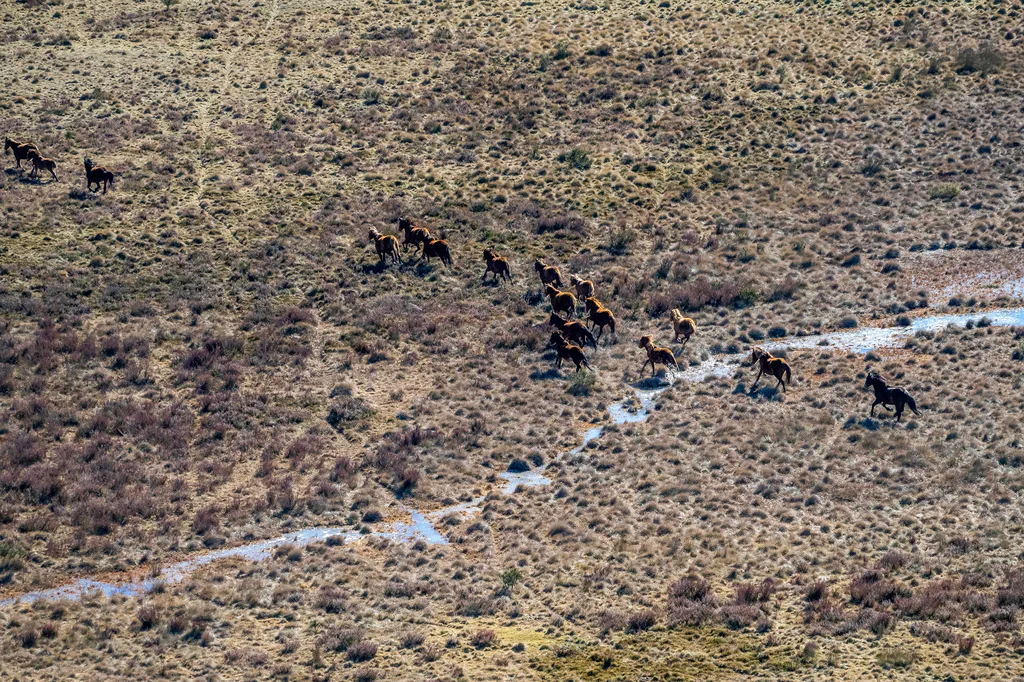
From a distance, they stir the heart. Heads high and manes flowing, brumbies can be a magnificent sight — a symbol of pioneering spirit and the wildness within us all. Yet there’s another side to their story. The hard hooves of feral horses churn riverbanks to slop and trample delicate ecosystems into extinction.
Standing by the Snowy — Australia’s “river of dreams” — you can still glimpse paradise. A platypus will duckdive nearby and flocks of flame robins swarm and swirl. Red-necked wallabies watch furtively from the bush while a kestrel wheels on high. A towering Kurrajong rises like an apparition from a matchstick forest of Cypress Pine.
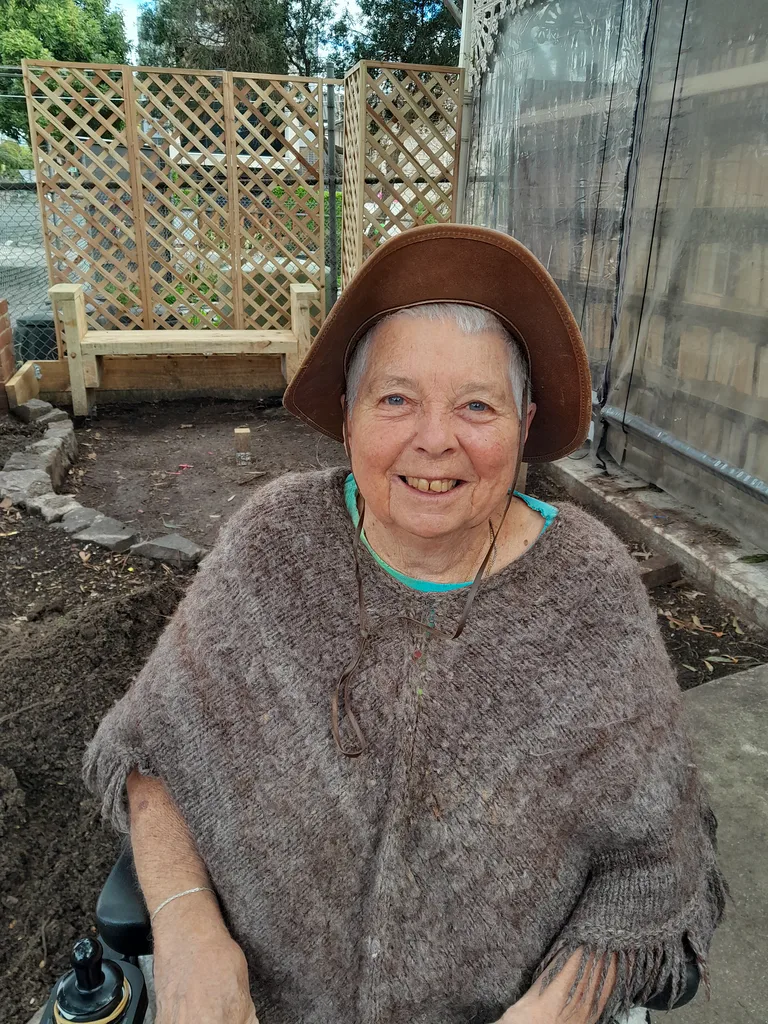
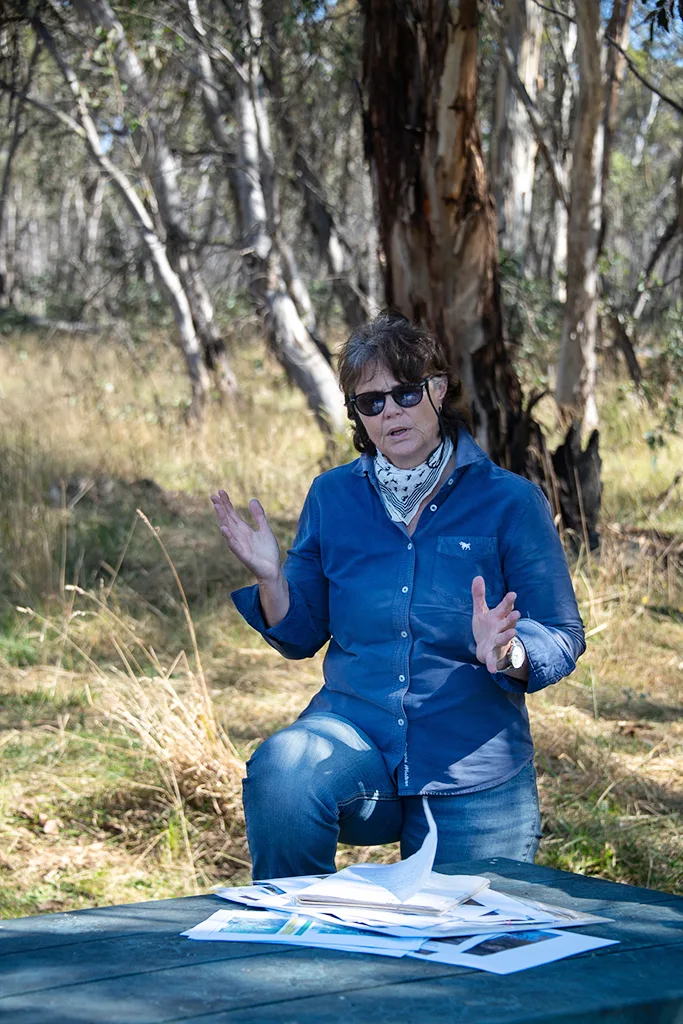
But the river is low and the banks are high, ripped up and rutted with hoofprints. Tall water plants have been decapitated and ground shoots plucked and plundered. Wombat burrows and Corroboree frog bogs have been caved in. And on the breeze, the air of the Australian Alps fights a losing war with a reek of horse dung. This is the unlikely frontline for what many call “a battle for the soul of Australia”. On one side are the brumbies, magnificent beasts of bush lore, the stars of Banjo Paterson’s The Man from Snowy River and Elyne Mitchell’s The Silver Brumby. Fighting for them are horse lovers, science sceptics, descendants of cattle families, and fifth-generation mountain dynasties whose forebears fenced and forged this land. “Brumbies are part of our heritage,” says Jill Pickering, 77, who runs the Australian Brumby Alliance. “Without horses, the white men of Australia wouldn’t have survived. They’ve earned their place in this landscape and deserve to be protected. We want sensible management of brumbies — rehoming and fertility control. But to so-called scientists, the only fertility control is shooting them.”
On the other side are the environmentalists, First Nations custodians and scientists. They see feral horses as a scourge on a once pristine landscape, a pest totem for invaders, subjugators of soil and destroyers of native life. They fight to protect the fauna and flora that’s been here for more than 5000 generations.
“Feral horses do terrible damage to our native wildlife, fragile wetlands and streams,” says Invasive Species Council Advocacy Director Jack Gough. “Australia is an ancient landscape not made to cope with thousands of heavy, hard-hoofed beasts trampling and trashing sensitive environments. Aerial culling is a humane and effective way to reduce their numbers. Feral horses or thriving national parks? We can’t have both.”
Although the horse debate has only really exploded in the past 25 years, the issue of feral animals destroying native ecology is old and ongoing. Two bulls, four cows, 44 sheep and nine horses arrived via the Cape of Good Hope with the First Fleet. And as early as 1788, the punishment for any convict herdsman who allowed them to stray was death.
Jill Pickering, who runs the Australian Brumby Alliance, believes the animals deserve to be protected, and that fertility control and rehoming should be used to manage their numbers.
Yet stray they did, and on a land of creatures no bigger than a male red kangaroo (90kg), the hard-hooved behemoths unleashed chaos.
Today, the war on ferals is waged on every inch of our wide, increasingly brown land. Cats alone kill an estimated 75 million native animals every night. Foxes are implicated in the extinction of 19 of 21 marsupials on the mainland. And then there’s the estimated 400,000 brumbies around Australia.
“Wild horses are a great nuisance,” The Australasian newspaper wrote in 1867, “and we can suggest no means for their destruction …”
Back then, brumby culling was common. Only when a poem by a 26-year-old lawyer from Orange was published in 1890 did brumbies transform from a pest into an icon. Banjo Paterson’s The Man from Snowy River — based on the rugged exploits of high-country stockmen in what is now Kosciuszko National Park — fast became a legend and today is the central tenet of arguments that brumbies belong in the mountains.
“The Man from Snowy River is an iconic part of our history,” says former Nationals MP and cattleman Peter Cochran, who runs brumby-spotting tours through the High Country. “At the 2000 Olympics, we used that image to promote Australia to the world, proudly so. But there is a cult within political fields where they do what they can to destroy our cultural history and The Man from Snowy River is an image they don’t like.”
Before: Alpine ecosystems thrive and support native animals. After: Australian Brumbies cause degeneration of vegetation and soil stability.
Paterson’s poem hit with patriotism at a fever pitch. Federation followed 11 years later. Yet not often cited is that even Paterson saw feral horses as a scourge on Australian land. “The wild horses [have] got to be as big a plague as the wallabies and rabbits,” he said, and while culling by settlers was “a terrible thing”, horse numbers were such that “it had to be done, for if they didn’t get rid of the horses, the horses would get rid of them”.
Science bears that out. Ecologist Renée Hartley loves horses but not ferals. “There are other ways to celebrate Australia than protecting horses,” she says. “Feral impacts on our ecology are considerable and cumulative. It’s time to take responsibility for actions and inactions in our history and act. My solution would be total eradication — and that’s driven by horse welfare. Culling brumbies is an investment in our future.”
That future is unfolding now, with a cull underway of the high-country herd that Paterson made famous — a herd that environmentalists say has reached almost 25,000 but which pro-horse lobbyists say numbers as few as 900. With the bullets flying and protests raging onto the lawns of Parliament House in nearby Canberra, it’s time to go where the fighting is fiercest, and where past and present, poetry and science collide.
Driving to the Snowy River in the dim dawn of winter, I watch the temperature gauge slide south. Canberra’s chilly seven degrees has hit -2 by the time I arrive in Cooma 75 minutes later. This is a gold rush town, established in 1849, but the Ngarigo clan have lived hereabouts for more than 15,000 years.
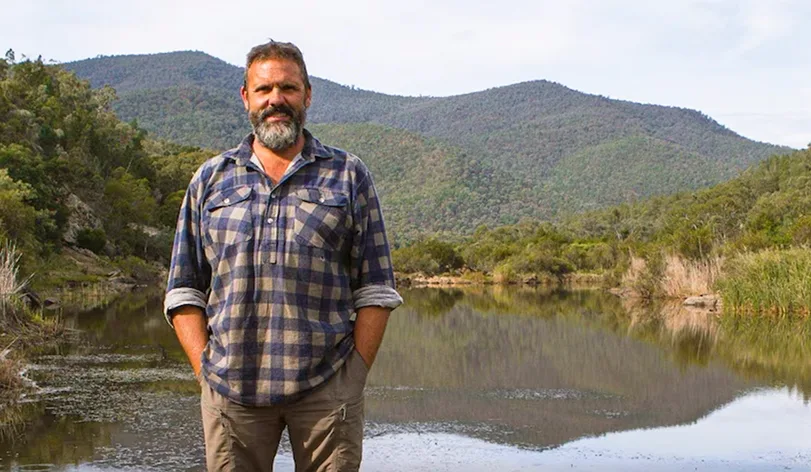
I’m here to meet a real man from Snowy River. Richard Swain is a river guide and local elder known as “Uncle Cooma” to his mob. Richard has paid, and still pays, a high price for his anti-brumby stance. Some of the pro-brumby lobby have slashed his tyres, threatened his wife and kids, and concocted lies to discredit him — all to warn him off his sacred duty to protect this land.
Local elder Richard Swain is concerned natural areas will be irreparably damaged and native species pushed to extinction if the brumby population isn’t reduced.
Today, Richard shakes my hand warmly but doesn’t smile. It’s serious business we’re here to discuss. I want to know how a shy bloke — one of eight born to a mountain man who moved the rocks that hikers still use crossing Charlotte Pass — found his voice.
“We were reared not to buck the system,” he tells me in his gentle burr. “But I don’t think there’s a patch of Australia that got better after the white man stepped on it.”
To explain, Richard drives me to the Snowy. In Jindabyne, we pass a statue of Polish geologist Paul Strzelecki, whose 1840 expedition saw him name Australia’s highest peak after Tadeusz Kościuszko, hero of the American Revolutionary War. When he saw the rich topsoil had been stripped to dust by overgrazing, he warned Governor Gipps that squatters “were not improvers but spoilers of the land”, but he was ignored.
“So much damage had been done by then, but if we’d only listened to Strzelecki, this problem wouldn’t be anywhere near as bad,” says Richard sadly. “The lower Monaro was natural grassland. For millennia the biggest grazers here were insects. This was frog song land. These bogs held more carbon than the forests in the high country. The air would’ve been singing with butterflies and pollinating bugs. All the mountain men did was bleed the water dry and erode the soil around it.”
We descend a rutted road of ochre, past deep gorges surrounded by sheer mountains. It’s a landscape Australia recognises:
He hails from Snowy River, up by Kosciuszko’s side, Where the hills are twice as steep and twice as rough, Where a horse’s hoofs strike firelight from the flint stones every stride …
The Man from Snowy River, A.B. Paterson, 1895.
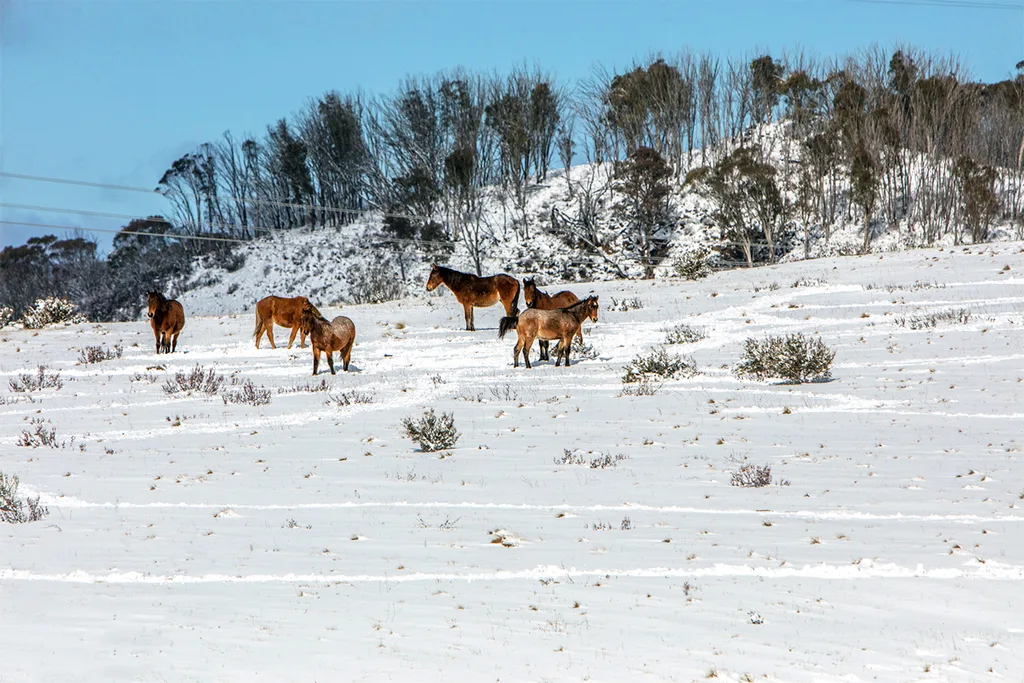
And there they are. A herd of seven horses, ragged-looking beasts with thistles in their manes and no sheen to their coats. These are survivors of the current aerial cull by the NSW National Parks and Wildlife Service (NPWS) that, since November 2021, has removed 8944 horses. The NSW Government has committed to further reducing numbers to 3000 surviving animals by mid-2027.
“If we do not succeed in reducing the population, one of Australia’s most fragile natural areas will be irreparably damaged and iconic species will be pushed closer to extinction,” NPWS Deputy Secretary Atticus Fleming tells The Weekly.
“The Australian Alps cover one per cent of the Murray-Darling Basin catchment but contribute 30 per cent of its water,” adds environmental scientist Jess Ward-Jones. “It’s one of the few regions in Australia where snow falls and sticks, and that’s why 40 per cent of our annual agricultural production comes from [the water that flows from] here — $3 billion per annum’s worth.”
The destruction that horses wreak on these waterways, she insists, risks agricultural land, too.
Leisa Caldwell, a leading brumby advocate, will tell you something else is being extinguished: “An integral part of our heritage and its folklore [that] reflects the history of our ancestors.” All that, she says, is gone, or going. “What is there left but the brumbies to demonstrate that our history even existed?”
Leisa, Sydney-born but now a mountain resident for almost 50 years, found her voice after the last significant horse cull (Leisa refers to it as a “massacre”) in 2000. On that occasion, NPWS culled 606 horses. However, the public wasn’t informed before or after, so when leaked visions of dead horses went global, it detonated claims of animal cruelty. Indeed, the RSPCA initiated prosecution but the matter was settled out of court.
The RSPCA has been consulted on the “repeat shooting” technique which NPWS employed in its most recent cull. Animals were shot from the air (as many as 15 times each) to ensure a quick death. Information from trial culling indicated most horses were unconscious within five seconds.
According to an NPWS spokesperson, the pilot and shooter confirm each animal is dead before the helicopter moves on, a process that is consistent with advice from an independent vet. Most carcasses are left to decompose in place, a standard practice that applies to a wide range of feral animals in national parks, while a management plan is in place to ensure none are left near waterways or visitor facilities.
“This is probably the most scrutinised feral animal control program in Australia,” Atticus claims. “No one enjoys doing it, but it is necessary to protect the park and our unique animals and plants. And to date, the program has been delivered without any adverse welfare incidents.”
Ballistics expert Andrew Mallen disagrees. He told a NSW Government inquiry that the number of shots required to fell each animal was “deplorable”, and that the weapon used (the .308 Winchester rifle) was not an efficient or humane way to cull horses.
During the most recent aerial cull, Leisa tells The Weekly, she received reports of “several orphaned foals in the north and the south of the park which had been left to fend for themselves. Some survived with rehoming. Friends of mine have also seen mares, aborting foals, and some who had been shot in the gut and neck, who would have died slow deaths. In the past, there were restrictions on shooting in the spring, during foaling, in forested areas where the shooters couldn’t get a clear line of sight. Now they can shoot anywhere, anytime. It’s open slather and it’s cruel.” The Weekly has seen still and video images of slowly dying horses and aborted foals but has not been able to verify if they are from the NPWS cull.
One alternative that has been employed in the past is “trapping and trucking” — capturing wild horses and transporting them either to an abattoir to be killed or to volunteers to be domesticated, cared for and rehomed. However, at present, there are too few volunteers to rehome the number of horses involved, and the logistical challenges in capturing and transporting thousands of horses are immense.
It was around the time of the 2000 cull that the brumby wars — and culture wars — really kicked up a gear. Mountain families, angry at being stripped of the right to graze in the high country, were outspoken with their objections to what Peter Cochran calls “the complete annihilation of the horses [and] our cultural history”. It triggered the social media slander and abuse that still exists, and which Richard and National Parks continue to wear.
NSW National Parks says this recent cull has been “very challenging” with sources claiming over $1 million has been spent on security to protect aerial shooters and NPWS staff from anonymous “threats and intimidation”.
Brumby advocate Leisa Caldwell says she received reports of orphaned foals left to fend for themselves during the most recent cull.
“They include a threat to firebomb an NPWS office, threats to shoot at helicopters, threats to assault the children of NPWS staff, dumping a severed horse head at an NPWS office, abuse on social media and other threats of violence,” a spokesperson said.
“We need balance and co-operation in this debate,” says Sue Bulger, former mayor of Tumut, “and leaders on both sides willing to give ground.” But the thing about common ground is that, like common sense, it’s not that common.
Even the retention of 3000 feral horses in one-third of Kosciuszko is problematic. For Jill Pickering “It’s not enough. We need 4000 at least in case of fire or disease”. While for Jack Gough, it “locks in damage” to ecologically fragile land.
When the cull ends in October, what remains of that herd will be subject to a reproductive control trial.
For Richard Swain, healing this broken wilderness will last a lifetime and beyond. He sees disrespect everywhere: when he steps into a river and sediment plumes; when he visits an old ceremonial ground of striking stones and shale torn up by 4WD tyres; when he sees pre-settlement trees chopped down for a brumby corral.
“This was once a sea of orchids and 16 varieties of yam, with bettong, potoroo, bandicoot and thylacine,” Richard says. He is determined to help what little is left of this ancient landscape to survive.
Australia wake up !! 500.000 camels drink a lot of water which is very scarce in Australia 10 million sheep were also imported.
I must add that not all the camel 'owners' are cruel
Dromedary camels are interesting and deeply misunderstood creatures. They are naturally found roaming through Africa and Asia. In the 1840s camels were introduced into Australia, and have since established a prominent wild herd. With the cruelty associated with elephant rides coming to light in recent years, camel rides are interestingly not receiving the same attention - yet, the intelligence of camels is similar to that of elephants. This article explores the use of camels in the Australian tourism industry and the welfare issues it presents to the animals.
About Camels
Sadly, there has been minimal research into camels, their personalities and intelligence, leading to a disconnect in how we perceive them. Robyn Davidson, who spent months travelling the Australian dessert with four camels in the 1970s, has shared her insights into these wonderful creatures in her book, Tracks.
They are intelligent and emotional animals
Camels are often presented as grumpy and temperamental creatures, when in reality, they are just misunderstood. Camels are smart and have shown to have the intellect and emotional intelligence of an eight year old child [1,2]. Both Bactrian and Dromedary camels have an encephalization quotient (EQ) value of 1.3, which is a similar level to the intelligence of the African elephant, and greater than that of the horse [3].
Robyn describes camels as “affectionate, cheeky, playful, witty, self-possessed, patient, hard-working and endlessly interesting and charming.” She noted that they also have “delicate” hearts and are highly sensitive [2].
Camels travel great distances
In the wild, camels like to stay together in herds, led by a dominate male. The remaining males form “bachelor herds”. Being nomadic animals, they spread themselves over hundreds of kilometres and can travel up to 160 km in a day. They enjoy exploring their environment and socializing with other individuals [4]. Studies have found that while they roam and feed during the day, wild dromedaries rest during the hottest hours - around noon [5].
Camels are used as a tourist attraction in Egypt, Jordan, Morocco, China, Kenya, Dubai, Tanzania, and Australia. In all of these countries, there are little to no animal welfare laws or standards.
Camels in Australia
Approximately 20,000 camels were introduced to Australia between 1840 and 1907, for riding, the transportation of goods, and as draught animals (used to draw load like a plough) in the early development of arid areas. As they naturally live in arid environments and require less water, they were seen as a more suitable option than horses. When they were no longer needed, due to the increase in motor transport, people set them free. Since then, they have established a stable wild population [7 PDF]. Soon after, they were classified as a feral ‘pest’ species.
The estimated number of camels in Australia today ranges drastically from 300,000 [8] to over 1 million [7 PDF]. While few efforts have been taken to establish a more accurate count, the latter figure has driven the push for mass culls. Others saw this as an opportunity to exploit the camels, trapping and sending them to slaughter, using them in dairies for camel milk, or for rides and even racing.
Interestingly, camels are classified as a ‘pest’ due to the so-called damage they do to the environment. The impact of the estimated 1 million grazing camels, however, would be significantly less than that of the 25 million cattle and 63.7 million sheep in Australia. These farmed animals were not only introduced, but are continuously being bred, relying on cleared agricultural land and large amounts of water and resources. To learn more about these industries, read our articles on Cattle Farming and Sheep Farming.
All ferals show resilience, intelligence, self-organization, and a capacity to evade human captivity—all of the things that contradict a belief that livestock exist only to serve us, obey us. Going feral, they remind us that animals are neither machines, nor docile objects, but thinking, escaping, beings, and as such they help us to define the injustice of farming a little better. Perhaps this is why they are so hated; they are an uncomfortable reminder that animals are not “happy meat.”