Translate

Posts tonen met het label PETA. Alle posts tonen

zaterdag 14 november 2026

Animal Tourism: People for the Ethical Treatment of Animals ( PETA ): lists of travel companies that do not offer animal rides at the Pyramids of Egypt

 Warning: graphic and not suitable for children


Posted by on May 12, 2025 | Permalink

Good news for camels and horses. UK-based travel company Aero Travels has dropped cruel camel and horse rides at the Giza Pyramids in Egypt from its tours.
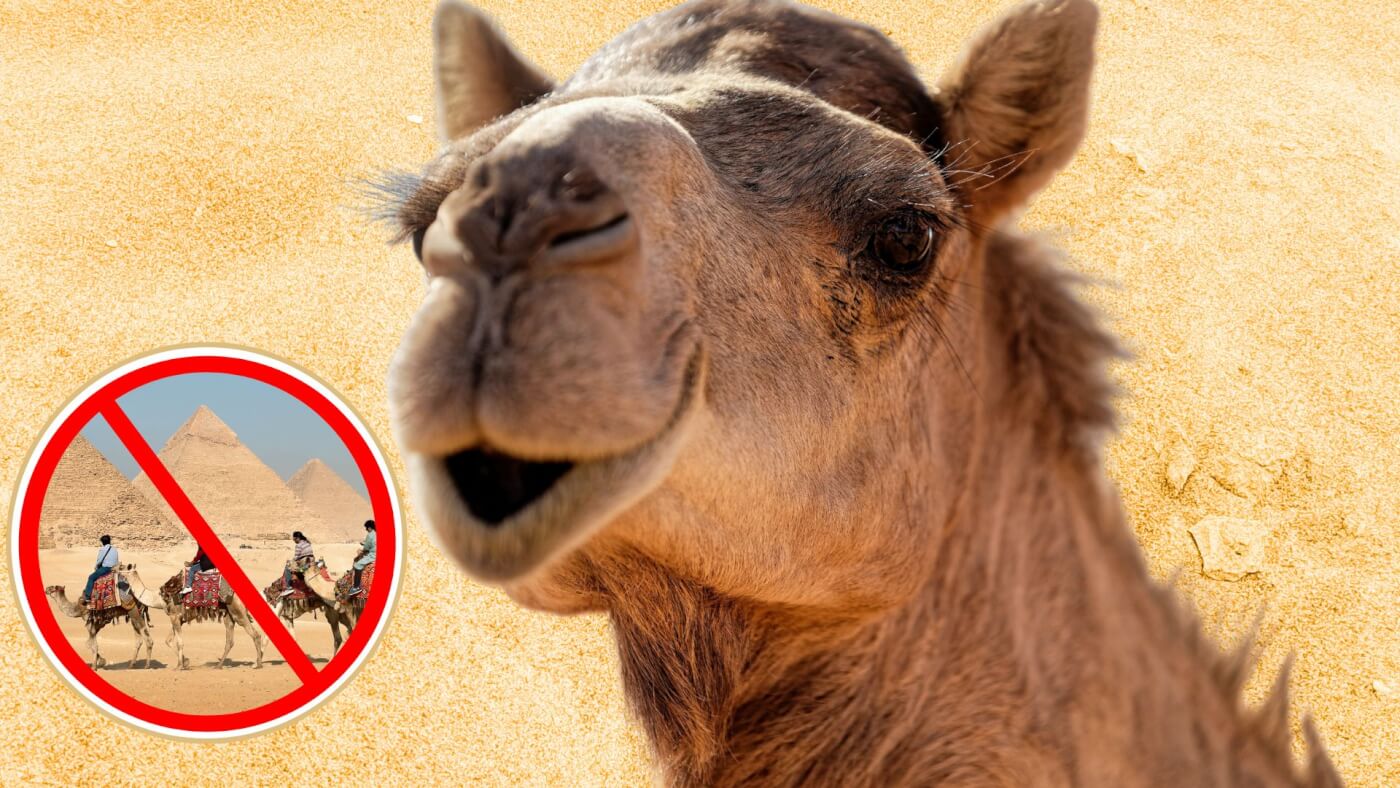
The decision was made just a week after we urged our supporters to contact the company to ask them to do right by horses and camels. Thank you to more than 12,000 compassionate people who emailed the company. When we speak out for the animals, we create change.

Camels and Horses Are not “Taxis”

Horses are herd animals who can feel stressed if forced to live alone and mourn each other’s deaths. Camels are known to greet one another by blowing air on each other’s faces. They don’t deserve to be abused for tourist rides.
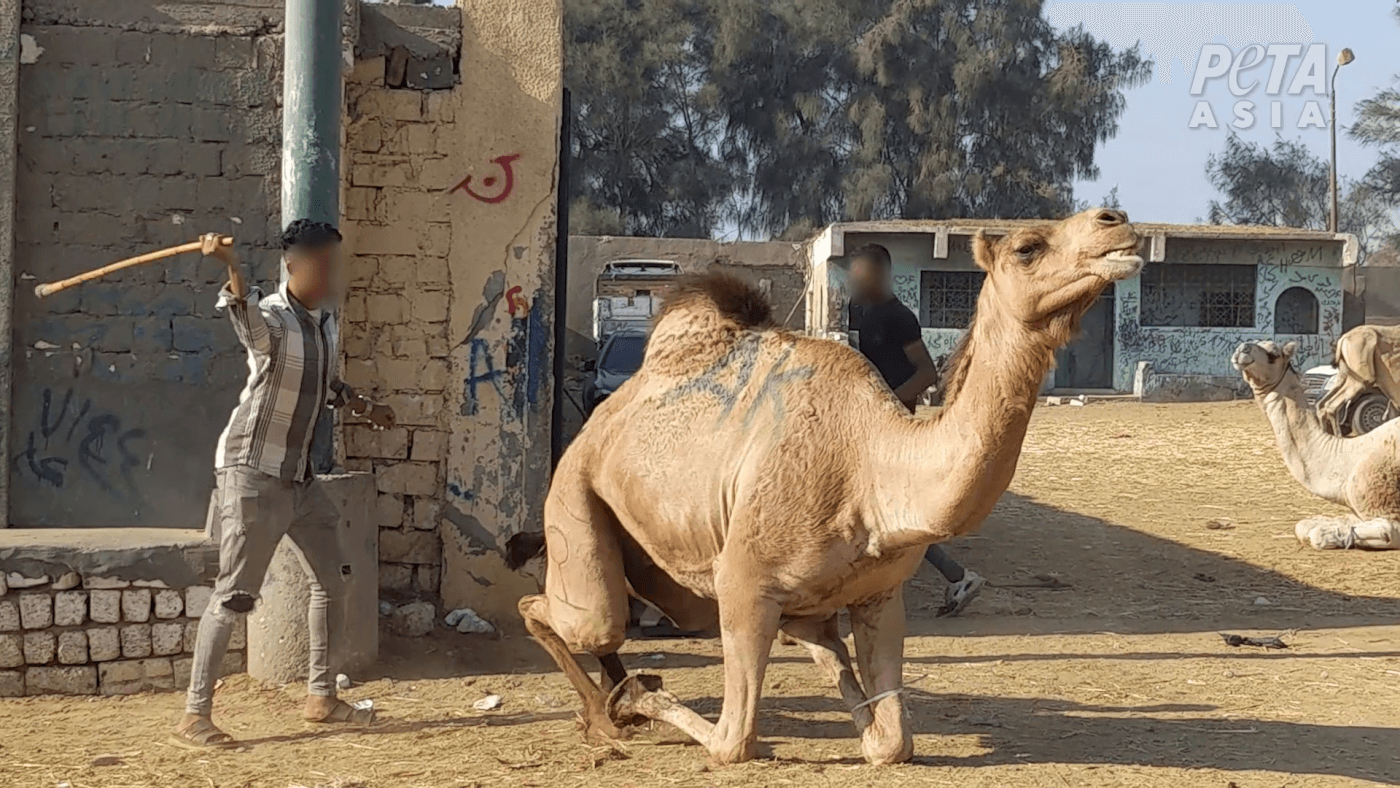
PETA Asia’s latest investigation into the historic site documented handlers violently beating exhausted horses and camels who are used to haul tourists in the blistering heat and without shade. Injured and malnourished horses were seen eating from rubbish dumps, and the bodies of dead horses were found discarded every day at rubbish heaps outside the Giza pyramids.

Camels considered too old, sick, or injured to be useful were often hauled to a slaughterhouse, where their throats were slit while they were still conscious. One camel on video can be seen continuing to kick for agonising minutes after her throat has been cut.
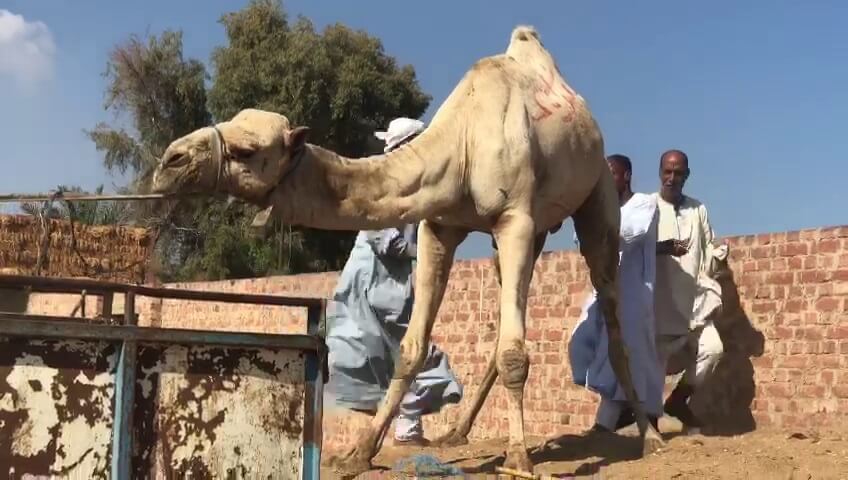
Whether you’re planning a trip to Egypt or anywhere else in the world, please always stay away from camel riding and camel trekking.

Travel Companies Reject Animal Abuse

Aero Travels’ decisive action will stand them in good stead with compassionate tourists who only want to deal with companies that shun these shameful rides. It now joins more than 50 businesses that won’t promote or sell animal rides at the pyramids, including Marriott, Airbnb, Audley Travel, British Airways Holidays, easyJet holidays, Exodus Adventure Travels, Flash Pack, Hays Travel, Scott Dunn, and Travel Republic.

Camels Need You to Take Action

Travel operators that are still profiting from animal abuse in Egypt must immediately follow suit. Let’s secure another victory for horses and camels. Join us in calling on Stubborn Mule Travel and On The Go Tours to follow in Aero Travel’s compassionate footsteps and drop horse and camel rides from their offerings.


donderdag 4 december 2025

Animal welfare organisation People for the Ethical Treatment of Animals ( PETA) , has made 2 lists of travel companies that do, or refuse to offer camel and horse rides

www.peta.org

People for the Ethical Treatment of Animals (PETA) 

More British Travel Providers Are Saying ‘No’ to Animal Rides at the Pyramids in Egypt


Posted by   | 

More and more travel companies are agreeing not to offer or promote animal rides at the Pyramids in Egypt. And a growing number are saying no to camel rides worldwide. Here’s how camels are abused for rides, which companies made the compassionate decision not to promote such cruelty, and what you can do to help.
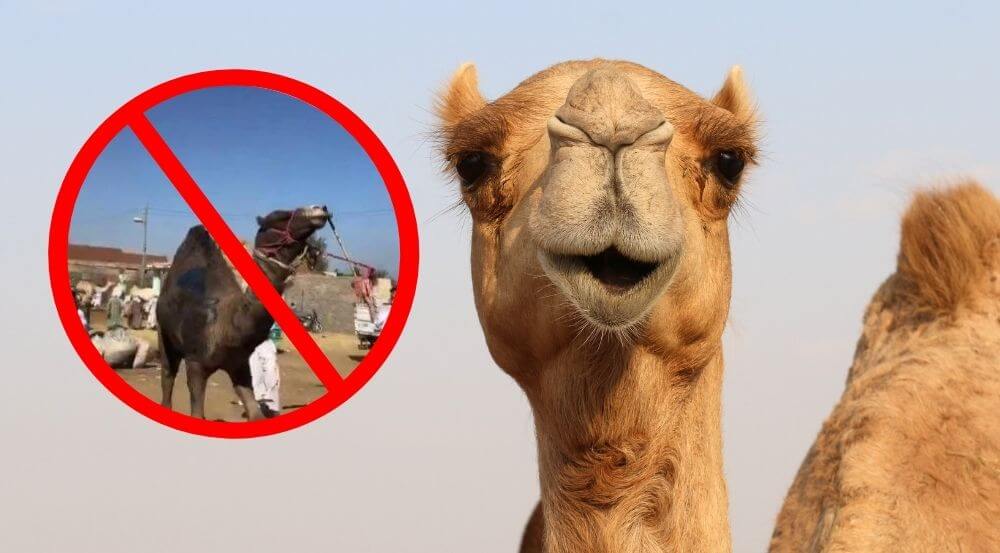
What’s Wrong With Camel Rides?

PETA Asia investigations at the pyramids of Egypt reveal extreme suffering and the subsequent death of camels and horses used for tourist rides. Watch this video to see handlers routinely beating them with sticks, whips, and other weapons. ( I have removed the video too graphic )

Many animals are so emaciated that their ribs jut out through their skin, and when they collapse, they are beaten and forced to continue working. Camels often have open sores and bloody wounds, are tied up or hobbled when not being used for tourist “selfies” or rides, and are not provided with shade or water. Malnourished horses try to subsist by eating from rubbish dumps and are not provided with veterinary care – even when they have open wounds and broken legs.
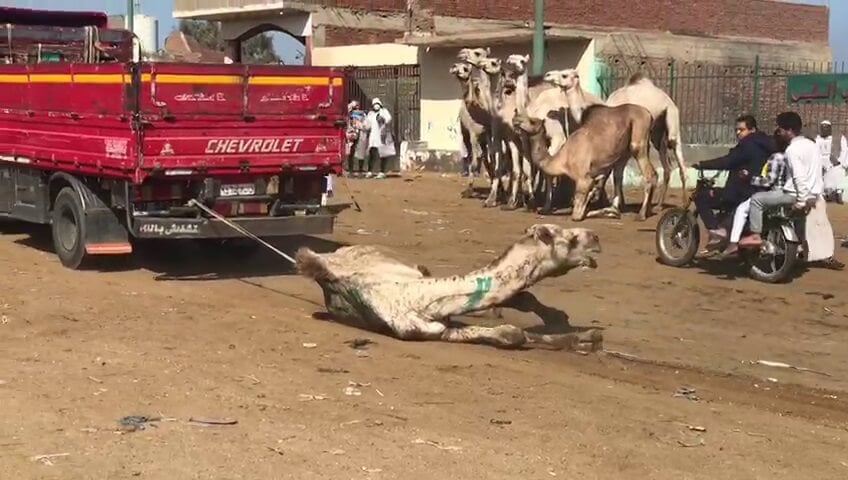
At Birqash Camel Market, where camels are often sold to be used for tourist rides, the exploited animals are beaten bloody and their legs are tied so tightly with rope that they can’t even walk freely. When camels and horses are no longer able to give rides, they are dumped like rubbish or hauled to abattoirs and killed for their flesh.

These Travel Companies Do Not Offer Camel Rides at the Pyramids

These British travel operators do not offer or promote exploitative animal rides at the pyramids.

Abercrombie & Kent
Aero Travels
Affordable Luxury Travel
Airbnb
AllTrippers
Audley Travel
Booking Holdings
Contiki
Costsaver
Exodus Adventure Travels
Explore!
Families Worldwide
Flash Pack
G Adventures
Hays Travel
Insight Vacations
Marriott
Original Travel
Tauck
The Adventure People
The Natural Travel Collection
Trafalgar
Trailfinders
Travel Bag
TravelLocal
Travel Republic
Uniworld

These Travel Companies Do Not Offer Camel Rides Anywhere

Whether it’s happening in Egypt, Morocco, the United Arab Emirates, Jordan, Gran Canaria, Australia, or anywhere else, camel treks and rides exploit camels. Leading the way in compassionate travel, these travel operators do not offer or promote exploitative rides in Egypt, or anywhere else worldwide.

American Holidays
British Airways Holidays
Citalia
Destination 2
Destination 2 Cruise
easyJet holidays
Exoticca
Expat Explore
Group Tour Shop

HF Holidays
HolidayGems
KE Adventure Travel
Newmarket Holidays
Red Savannah
Riviera Travel
Scott Dunn
Sovereign Luxury Travel
The Ultimate Travel Company
Titan Travel
TourAxis
Travcorp Holdings
We Are Travel Girls

Say ‘No’ to Camel Rides

You don’t have to wait until all travel operators stop promoting cruel activities that exploit camels, horses, and other animals. Be a responsible traveller and avoid all tourist traps that involve animals. Use this guide to learn more about the ways animals are abused for tourism

dinsdag 3 november 2026

People for the Ethical Treatment of Animals ( PETA ) Kabang didn't choose to run but a rope was knotted around his neck


A Video No One Could Ignore

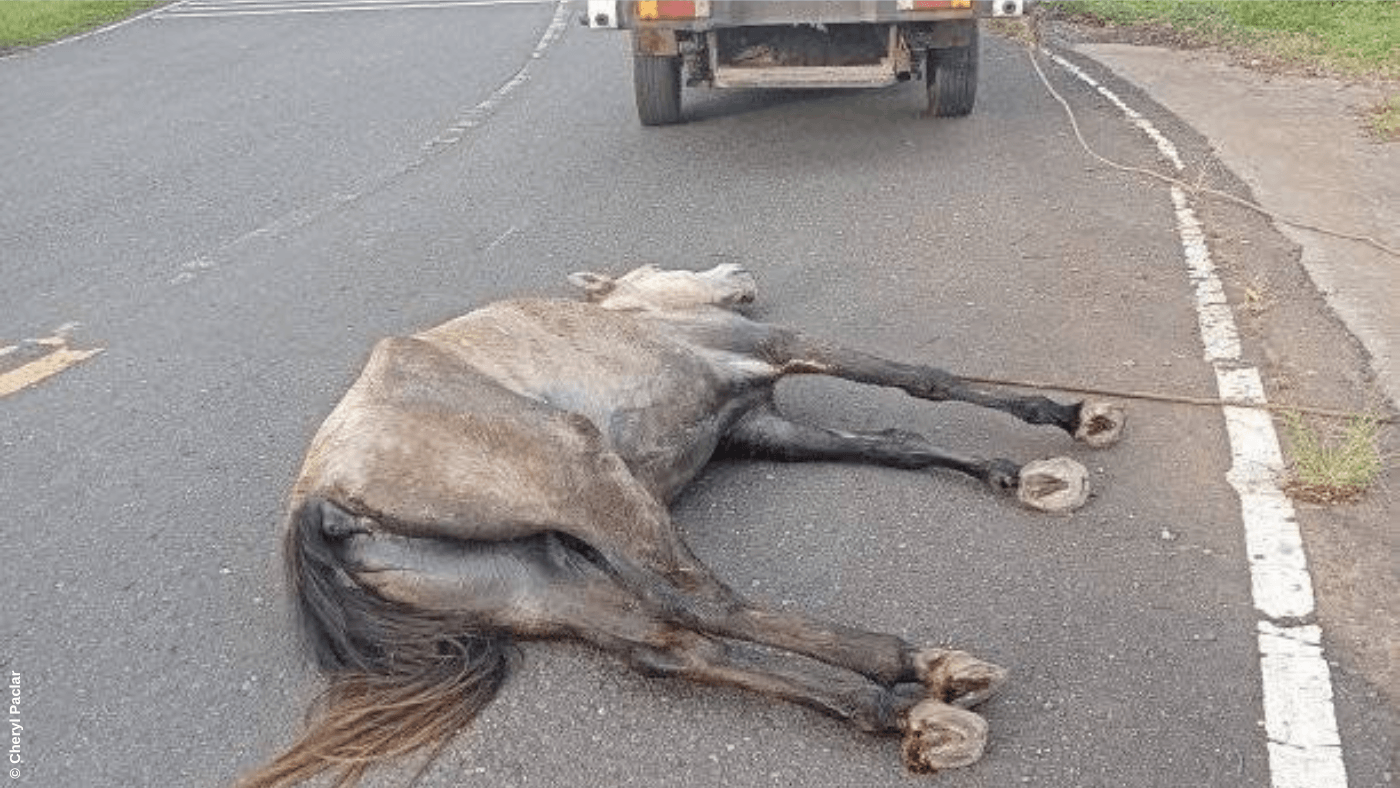
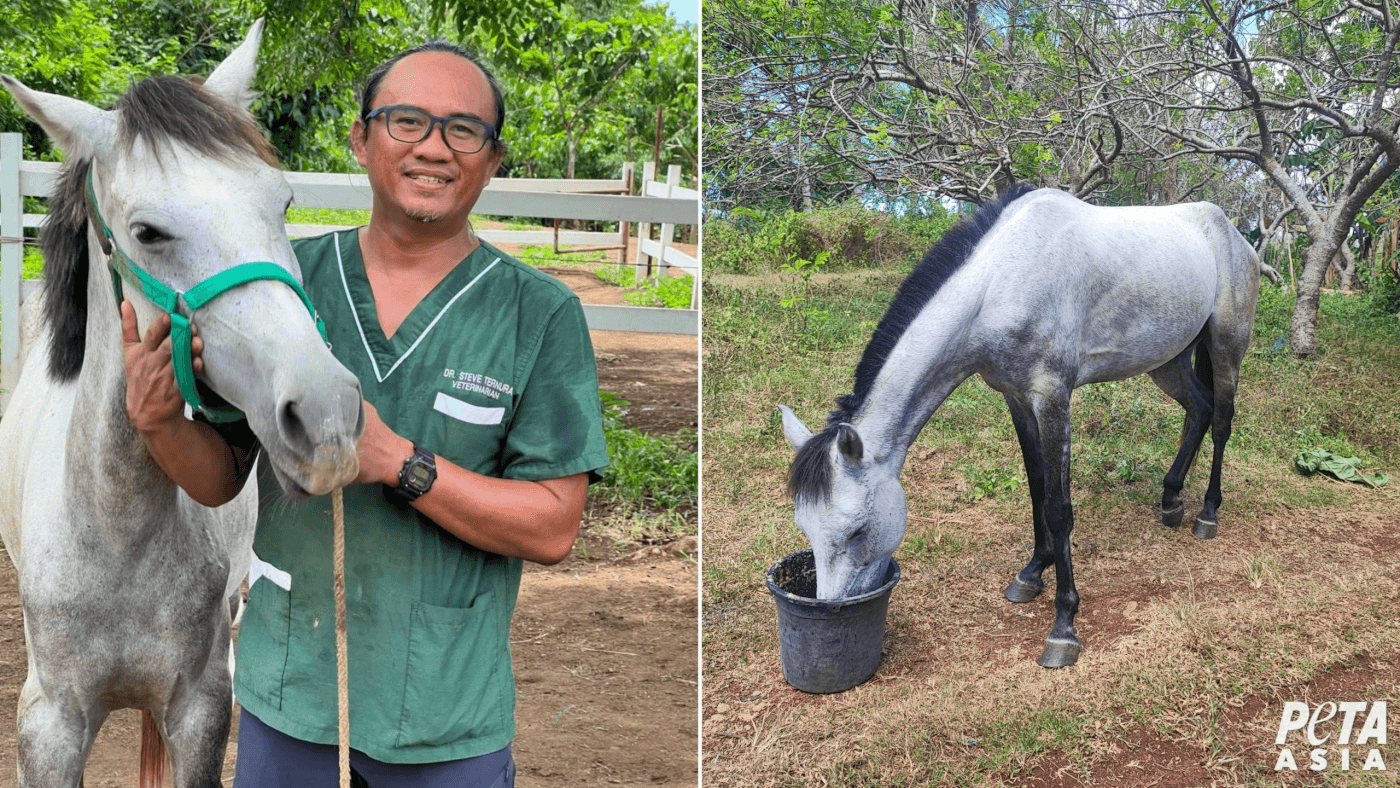
Kabang didn’t choose to run. A rope was knotted around his neck, the other end tied to a moving pickup truck—and for nearly 25 kilometers on a steep, winding cemented road, he had no choice but to run until he simply couldn’t anymore. He collapsed. And when the footage of his abuse went viral, PETA tracked Kabang down to an unlicensed ranch in Misamis Oriental and immediately began working to secure his release.

The Fight to Free Kabang
Getting custody of Kabang was anything but easy. PETA flew a team to the island, met with local government officials, and flew in an equine veterinarian. PETA refused to back down and kept pushing until full custody was secured. Kabang’s former owner was banned from caring for animals for life.

A Six-Day Journey to Safety
A PETA-arranged veterinary exam revealed that Kabang was suffering from severe lameness, hip pain, and hoof inflammation—conditions his former owner had never bothered to treat. PETA provided him with much-needed pain medication and prepared to transport him to a horse hospital.

When long-distance passenger ships and air cargo companies refused to transport a horse, PETA secured a horse trailer and truck and embarked on a six-day, more than 1,500-kilometer journey that included two ferry crossings, stopping frequently so Kabang could graze and rest.

The equine veterinarian who accompanied Kabang throughout the entire journey stayed by his side through the difficult parts of trip—and by the time they arrived at the hospital in Batangas, he had already fallen in love with Kabang and asked to adopt him.

Kabang’s New Life
Today, Kabang lives free from exploitation. He spends his days in peace at his forever home, where he continues to recover in the company of other horses and a person who sees him for who he is—not what he can be used for.

What You Can Do
Kabang is free today because the footage of his abuse sparked nationwide outrage, and caring citizens shared the video with PETA—setting his rescue in motion. If you see an animal being abused, don’t look away—speak up, document it, and report

Your support makes rescues like Kabang’s possible—help us be there for the next animal who needs us.

Support PETA's Vital Work


dinsdag 7 juli 2026

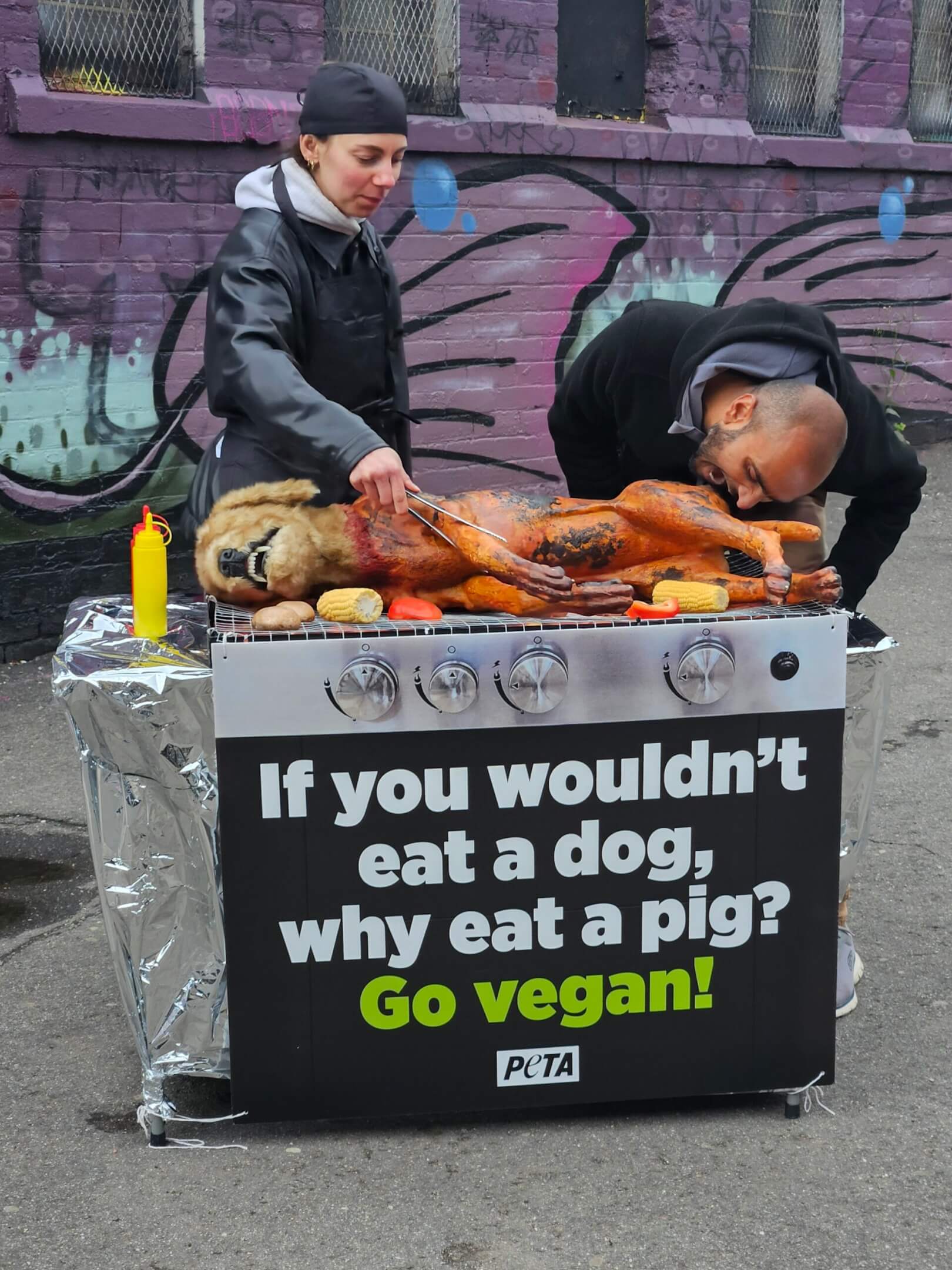
OPINION: Peoples Ethical Treatment of Animals ( PETA): "If you wouldn't eat a dog why eat a pig? " (graphic photo)


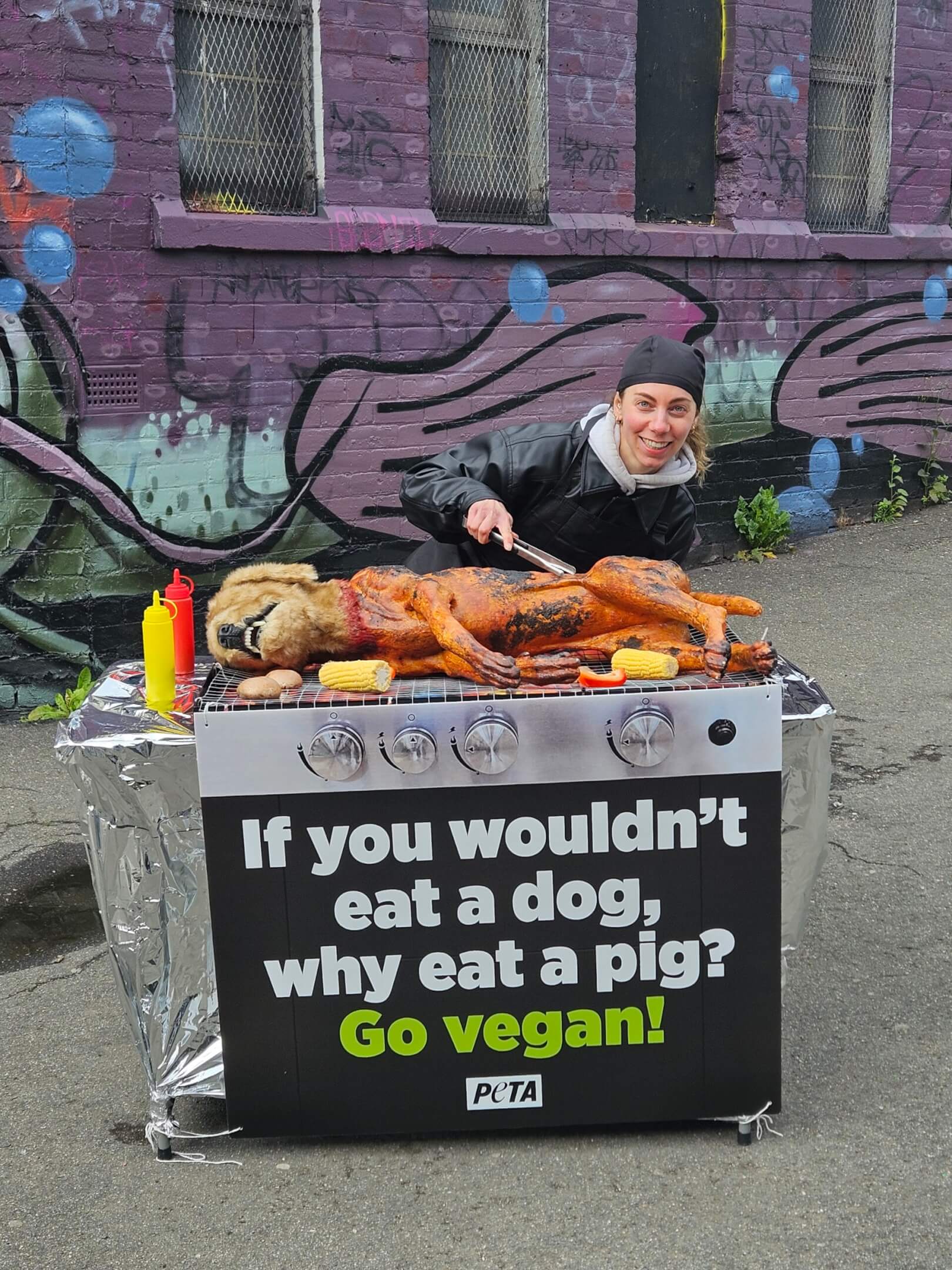
Last Friday PETA supporters confronted festival goers with a lifelike “dog” being grilled on a barbecue bearing the words, “If You Wouldn’t Eat a Dog, Why Eat a Pig? Go Vegan!”

A “chef” at the scene urged onlookers to question why they recoil at the idea of eating one animal while accepting the suffering of others.

Whether they’re a dog, a pig, or any other sentient individual, there’s no excuse to eat animals. Pigs, cows, and chickens are thinking, feeling beings who value their lives, just as dogs do. Yet meat-eaters make arbitrary distinctions based on species, not an animal’s capacity for suffering.

Eating Pigs, But Not Dogs, Is Speciesism

This inconsistency is speciesism –  a misguided belief that one species is more important than another. Just as we reject other forms of discrimination, we should reject the arbitrary hierarchy that places some animals on sofas and others on plates. As PETA President Ingrid Newkirk famously observed, “When it comes to pain, love, joy, loneliness, and fear, a rat is a pig is a dog is a boy. Each one values his or her life and fights the knife.” Our compassion shouldn’t stop at the animals we happen to share our homes with.

The Reality of Animal Agriculture 

In the UK, pigs are subjected to painful mutilations as standard practice. Workers cut off piglets’ tails, clip their teeth with pliers, and castrate males – all without pain relief. Many are crammed into barren, overcrowded sheds where they’re denied the chance to root, explore, or engage in natural behaviours.

Their lives end in slaughterhouses, where they’re killed violently for “food” that people don’t need to eat. Each person who goes vegan spares nearly 200 animals every year, while also reducing their environmental footprint and lowering their risk of developing life-threatening diseases such as heart disease, some cancers, and type 2 diabetes.

zaterdag 23 mei 2026

The 23 year old Simone saw pictures of the Ukraine war, animals left behind when families were forced to flee and joined the Animal Rescue Kharkiv

 News from Peoples Ethical Treatment of Animals ( PETA )  www.peta.org 


Simone Eisenbeiss never wanted to chase danger. But at just 23 years old, the longtime PETA Germany member and dedicated vegan animal advocate had already seen that sometimes doing what was right pushed her out of her comfort zone. She had faced fear before with calm and discipline, fighting alongside Captain Paul Watson and Sea Shepherd to defend marine animals from harm. And when she saw the pictures of one of the Ukraine war’s least visible tragedies—the animals left behind when families were forced to flee with only what they could carry—she knew she couldn’t sit idly by.


Two years ago, Simone joined the PETA-supported Animal Rescue Kharkiv teams,Animal Rescue Kharkiv risking their lives to reach animals trapped along the 800-mile battlefield frontline. Cats hiding in the rubble of their demolished homes. Cows sprayed with shrapnel. Pigs at risk of starvation. Dogs who had grown too big for their now-embedded collars. After specialized training, she was completing missions that require skill, composure, and readiness—because in a war zone, anything less puts everyone at risk, including the animals you’re trying to save. Recently, Simone spoke with PETA Germany about the daily challenges the rescuers face, one of her most unforgettable missions, and the difficult—and beautiful—realities of this work.


How does the situation feel right now? How do the rescue missions compare with those of a year ago?

Simone: Evacuations have changed extremely compared with a year ago. It comes down to how the war is being fought and how we can be safest. Every week, we see how technology in warfare continues to evolve, and that’s a huge challenge for us. We have to deal with that momentum and develop tactics to carry out evacuations as effectively and safely as possible.


A year ago, there weren’t as many drones as there are now. When we rescued animals in Toretsk, for example, there were, of course, lots of drones—the danger was always very high. But now, as soon as you’re not even 40 kilometers from the front line, the drone threat is already extremely high. They’re reaching farther and farther into the country.

Now, you basically always head toward Donbas with a knot in your stomach. A drone could be anywhere. You just have to be aware that you never really know when and where an incident might happen. But of course, that’s not a signal for us to stop rescuing animals. It’s simply a new challenge, and we have to find ways to deal with this problem—and we are.

How do you deal with this risk? How do you manage it personally?

Simone: You have to be very aware of what our work can mean—and what consequences it can have.

Of course, you have to expect that you could be injured—even killed. But when you weigh that against the animals you’ve rescued and the ones who still need to be rescued … and on the other side, what you might have to give up—your own life—it isn’t easy. But it shows that a human’s life is worth exactly as much as the life of an animal.

And I find that thought very beautiful—that we’re supported. It gives you hope.

In moments like that, it’s also important to realize that you have to stay clear-headed and find ways to cope. When we go to the front line, for example, it can sometimes be safer to take off your helmet. You have to understand that drones are looking for military personnel. They specifically target people wearing a helmet or body armor. In some areas, it’s therefore safer for us if we wear less protective gear. Many people don’t understand that, but if you understand the situation and act logically, you’re safer.

What condition are most of the animals in?

Simone: Very sick. We’re seeing that the animals are getting sicker and sicker. They have many more illnesses, and they’re also extremely thin. And there are simply countless animals. The longer the war goes on, the unbelievably greater the number of animals who are also reproducing—and bringing more diseases with them.

Have there been moments in recent months that you like to look back on? Is there a rescue story that has especially stayed with you?

Simone: Yes—this wasn’t that long ago. I was out with Ruslan, also a member of our team. We went to Rajske, and the situation there had changed dramatically in just a few weeks. It became more and more dangerous. We were searching for a cat in a completely destroyed house. It was really nothing but rubble, and I didn’t know whether the animal was still even there.

It was a very dangerous situation because there were drones everywhere. Then we saw the cat, severely emaciated. She was lying on the veranda waiting for her guardians. She had no water, no food. But she was there, truly waiting for her guardians to come back. That really hurt my heart. Ruslan and I knew this cat had to get out of there. But she was afraid of us and hid in the ruins. We had to somehow get her out of the debris, and we were there for a good half hour, even as the danger kept growing. We knew it was the only chance because the next day the cat would probably have already died. She was so dehydrated, so thin …


With a lot of patience, we finally managed it.

Those are the moments that truly confirm for you that we can achieve anything with the help of donors and PETA. With the help of people who actively step up to change animals’ lives. It’s not about somehow changing the whole world; it’s about each individual being, who also has a right to live, and we can actively change that life for the better.

And that brings you back to the question of how you deal with the situation on the front line. How can you live with this danger? This is exactly one of those key moments that shows why people are still doing this work.

Is there anything else you’d like to say in closing to the people who support us?

Simone: Without the supporters, this work wouldn’t be possible at all. Truly, it’s incredible what outside help can accomplish.

From PETA, from supporters and donors, you can see that help from outside is just as important as help on the ground. It’s a group effort, and everyone has a place in it.

PETA’s help is essential for survival. The rescues are only one part, but then the animals have to be cared for and placed in homes. We’re so grateful that so many supporters are out there and truly believe in the work. For that: a huge thank-you.


woensdag 18 maart 2026

Despite international outrage following previous investigations spanning more than ten years, nothing has changed. Kopi Luwak – also known as civet coffee or cat poop coffee

https://secure.petaasia.com/page/161358/action/1?locale=en-US

PETITION

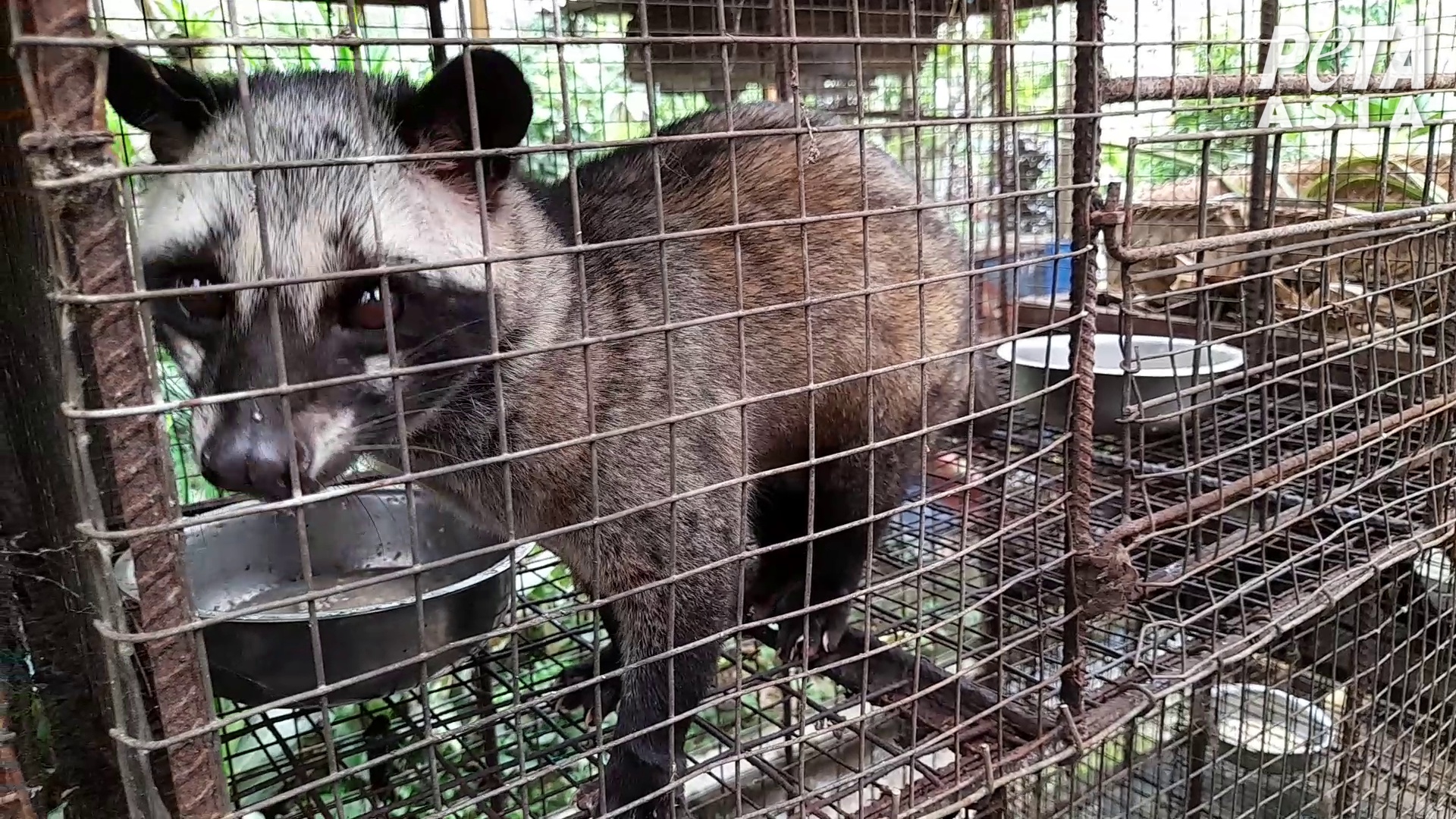
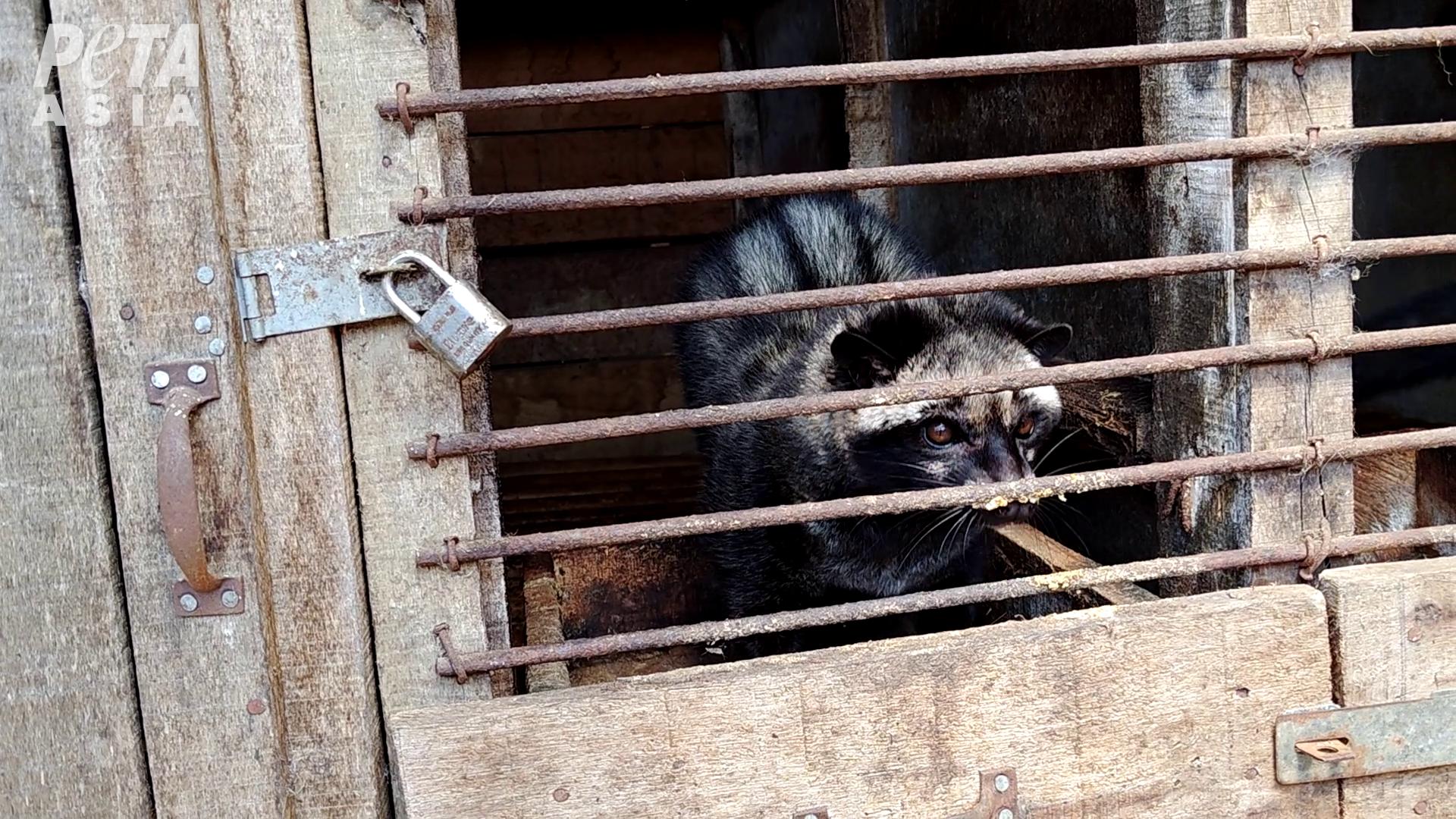
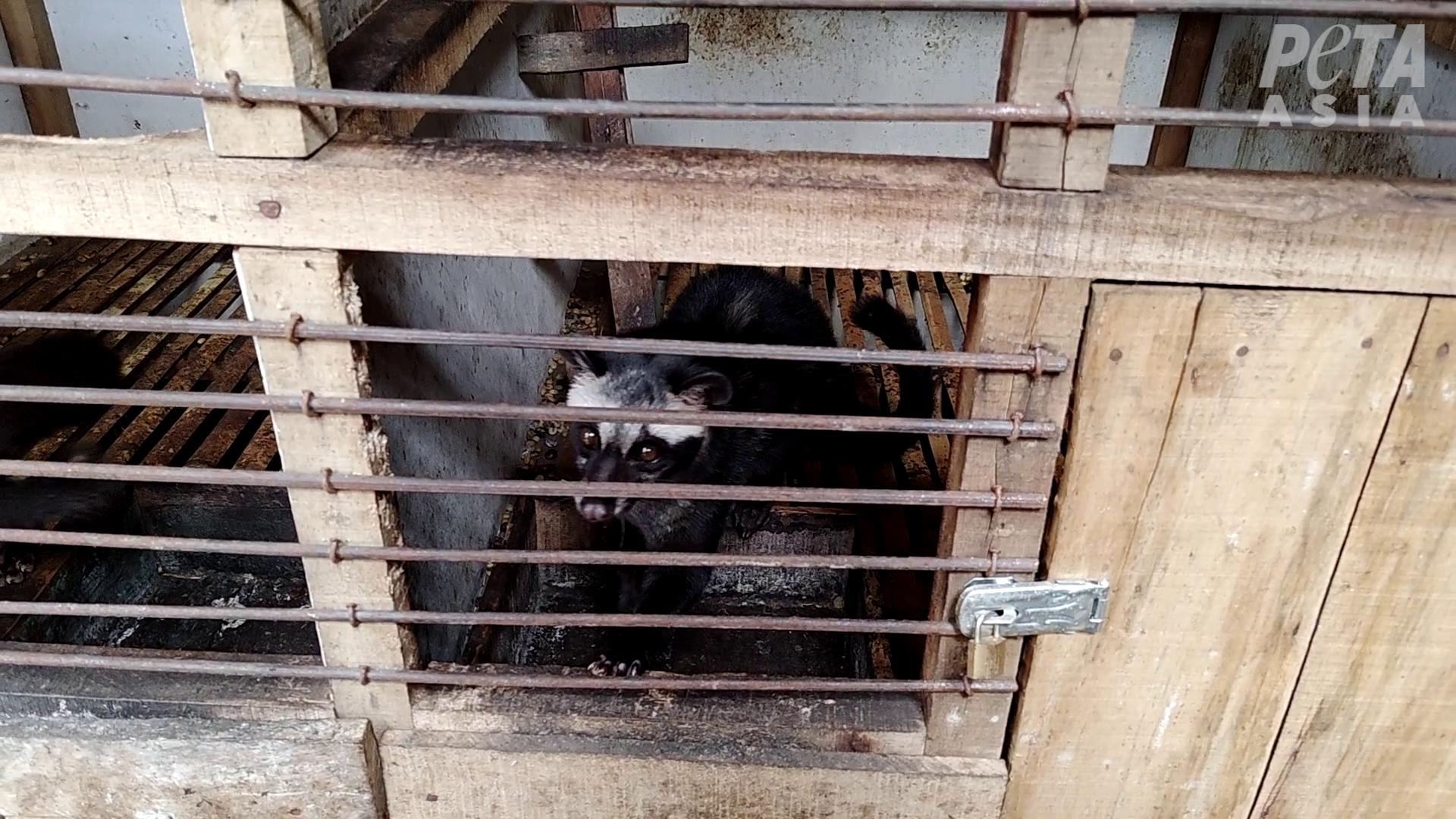
 Civet Cats are being tortured for very expensive coffee known as Poop Coffee or Kopi Luwak  petition 


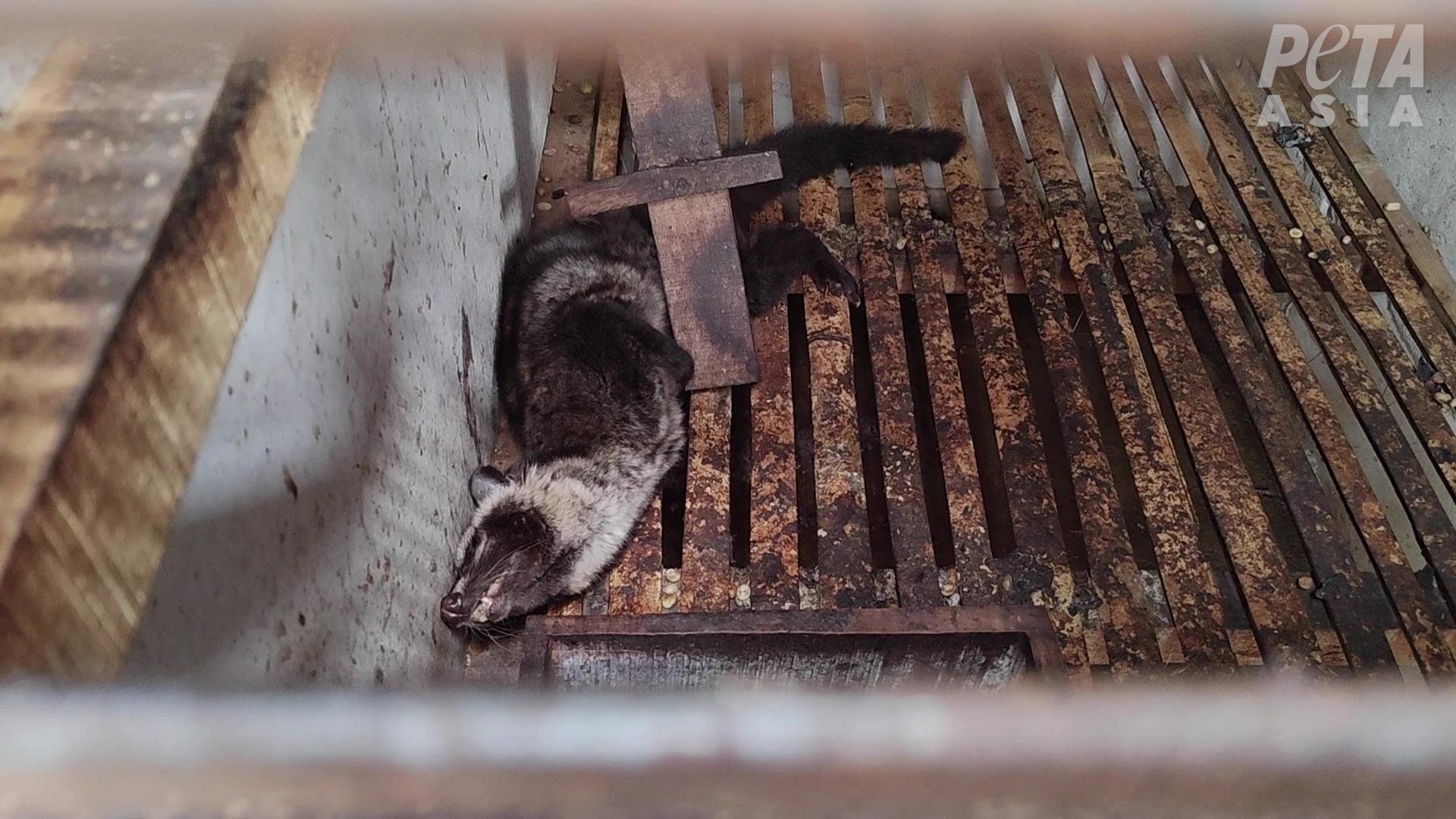
The stressed, terrified animal paces and circles, desperate to escape the filthy prison cell in which he’s forced to eat unnatural amounts of coffee berries so that his excrement can be sold as kopi luwak or “cat poop coffee.” After being ripped from his home in nature and made to endure continuous contact with humans, whom he naturally fears, this civet cat has been driven insane. He is just one of the many suffering animals our investigators filmed during multiple exposés of kopi luwak farms in Indonesia—the world’s top producer of civet coffee.

‘Wild-Sourced’ Is a Wild Lie
Since the release of PETA’s multiple investigations into the industry, spanning a decade, many businesses have made the compassionate decision to pull kopi luwak from their shelves and cut ties with this cruel industry. Others, including distributors in Japan, one of the biggest markets for kopi luwak, and retailers in Taiwan, choose to continue profiting from animals’ misery for a novelty product, despite having heard from us about the rampant cruelty.

Customers and retailers are being deceived by producers who deliberately mislabel the beans from captive civet cats as “wild-sourced.” For over a decade, PETA investigators have encountered every trick the kopi luwak industry uses to deceive the public. One farm worker told an investigator, “We label this as wild because even though the animals are caged now, they came from the wild.” Other farmers have openly admitted that gathering enough wild civet cat excrement would be nearly impossible. To mask this, some producers collect a small portion of beans from free-roaming civets, mix it with beans from caged animals, and label the product “wild-sourced.” Others have brazenly told investigators that they simply label the coffee from caged animals as “wild.” The industry knowingly obtains sham certifications or mislabels coffee from captive animals which can then be exported anywhere in the world and sold as “wild-sourced.”

Brewing the Next Pandemic
When animals are caged in their own waste and their immune system is suppressed because of stress, breeding grounds for zoonotic diseases are created. SARS, which has an estimated human fatality rate of around 15%, has jumped from civet cats to humans. Scientists have also identified civet cats as a possible “intermediate host” for COVID-19, potentially allowing the virus to mutate and pass from bats to humans. Civet cats who are “lucky” enough to survive beyond their usefulness to the kopi luwak industry are sometimes sold to live-animal markets, just like the one in which the novel coronavirus is believed to have originated, putting them in direct contact with humans and providing the perfect opportunity for SARS or some other virus to mutate and jump from one host to another.


It’s Time to Cut the Crap
Kopi luwak isn’t a delicacy—it’s a disgrace. No matter which country you’re in or what assurances you’ve received, please don’t purchase or drink it.

PETA sent these companies evidence that “wild” civet cat coffee is essentially a lie, but they’ve ignored requests to stop selling it. Please urge them to stop funding cruelty to civet cats by ending the sale of kopi luwak today. In addition, if you see kopi luwak being sold at a retailer, please speak up! Talk to the manager, send the company a letter, and let us know about your actions.


vrijdag 6 maart 2026

Huge News! Michelin Green Guide Removes Cruel Animal Activities: "We promote responsible tourism which includes animal welfare"

 Please click on the video to enlarge


An example of holograms of wild animals in circus in Germany 


Instead of this poor elephant balancing on a ball

Thanks also to Green Guide Michelin is there more awareness of the horrors wild animals endure being made with violence, to do tricks  


One of the world’s most influential travel guides is turning 100, and animals are part of the celebration! The Michelin Green Guide, which is designed for travellers and focuses on must-see sights, attractions, and activities at destinations worldwide, confirmed to PETA US and PETA France that it’s made a number of historic changes for animals.

“We are convinced of the need to present content promoting responsible tourism, which includes animal welfare. Therefore, activities that can cause mistreatment … have been removed from our guides.” 

Michelin Ã‰ditions

 Michelin and the Green Guide’s Three Huge Changes for Animals  

1. Michelin Won’t Sell Leather Online or in Store 

Cows are sensitive individuals who live in complex social groups and mourn when a loved one dies or when separated from each other. In the meat and animal skin industries, thousands of cows are often confined to the same crowded, filthy sheds and feedlots. By banning leather sales on its website and in its boutique, Michelin will spare gentle cows from a lifetime of suffering and violent deaths. 

The move is kinder to the planet, too. According to the Higg Materials Sustainability Index, leather made from cow’s skin contributes more to the climate catastrophe, water pollution, water depletion, and greenhouse-gas emissions than any synthetic or plant-based vegan leather.  

2. Tourist Activities Using Animals Will No Longer Be Featured in the Michelin Green Guide 

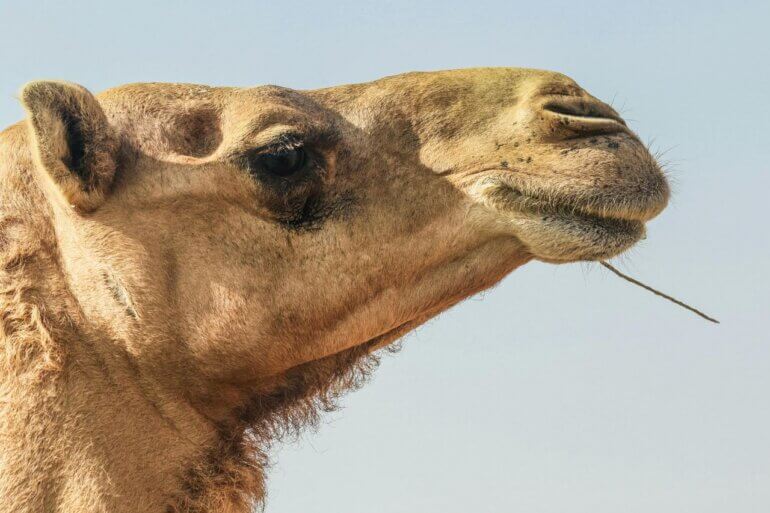
The side profile of a camel

Michelin previously won a PETA France award for removing captive-dolphin exhibits from its guides, and now the guide is removing all tourist activities that use animals. Cruel tourist traps, like elephant and camel rides , will no longer be featured in the Michelin Green Guide.  

When free to roam in nature, camels live in herds and talk to each other with sounds and body movements. As a sign of friendship, they will sometimes blow on each other’s faces. But in the tourist industry, these animals endure lifetimes of misery. In 2019, 2023, and 2024 PETA Asia investigators went to the Great Pyramids in Egypt and saw workers whipping exhausted horses and camels forced to haul tourists in the blistering heat.  

Camels carry heavy loads all day under the sweltering sun and go without appropriate shade or food. They’re often dumped like garbage or sent to slaughter when they are too old, sick, or injured to be profitable.  

3. A Clear Warning About an Abusive and Declining ‘Tradition’ 

In a groundbreaking move, the new edition of the Green Guide Spain will also include a clear warning that bullfighting is “an abusive and declining tradition.” As Michelin noted, public opposition to bullfighting continues to grow, with 8 out of 10 Spaniards now rejecting the gruesome spectacle.  

Bulls are curious, social, and gentle when humans aren’t torturing and killing them for “entertainment.” During bullfights, assailants repeatedly stab bulls with lances and banderillas before attempting to kill them by driving a sword into their lungs. 

How You Can Help: Keep Animals Out of Your Vacation Plans

The Michelin Green Guide is one of the most prestigious and influential travel guides in the world, and PETA applauds these kind decisions. But animals need your help, too.  

Whether it’s sensitive cows killed for their skin, curious elephants or camels forced to carry tourists on their backs, or protective bulls stabbed to death in staged fights, all animals suffer when exploited by humans. Many major companies have rejected bloodsports like bullfighting, including Airbnb, Expedia, Booking.com, and Tripadvisor.

But StubHub International still resells bullfighting tickets. Please help bulls by urging StubHub International to stop cashing in on cruelty and end all bullfighting ticket sales worldwide.