Translate

zaterdag 14 november 2026

Animal Tourism: People for the Ethical Treatment of Animals ( PETA ): lists of travel companies that do not offer animal rides at the Pyramids of Egypt

 Warning: graphic and not suitable for children


Posted by on May 12, 2025 | Permalink

Good news for camels and horses. UK-based travel company Aero Travels has dropped cruel camel and horse rides at the Giza Pyramids in Egypt from its tours.
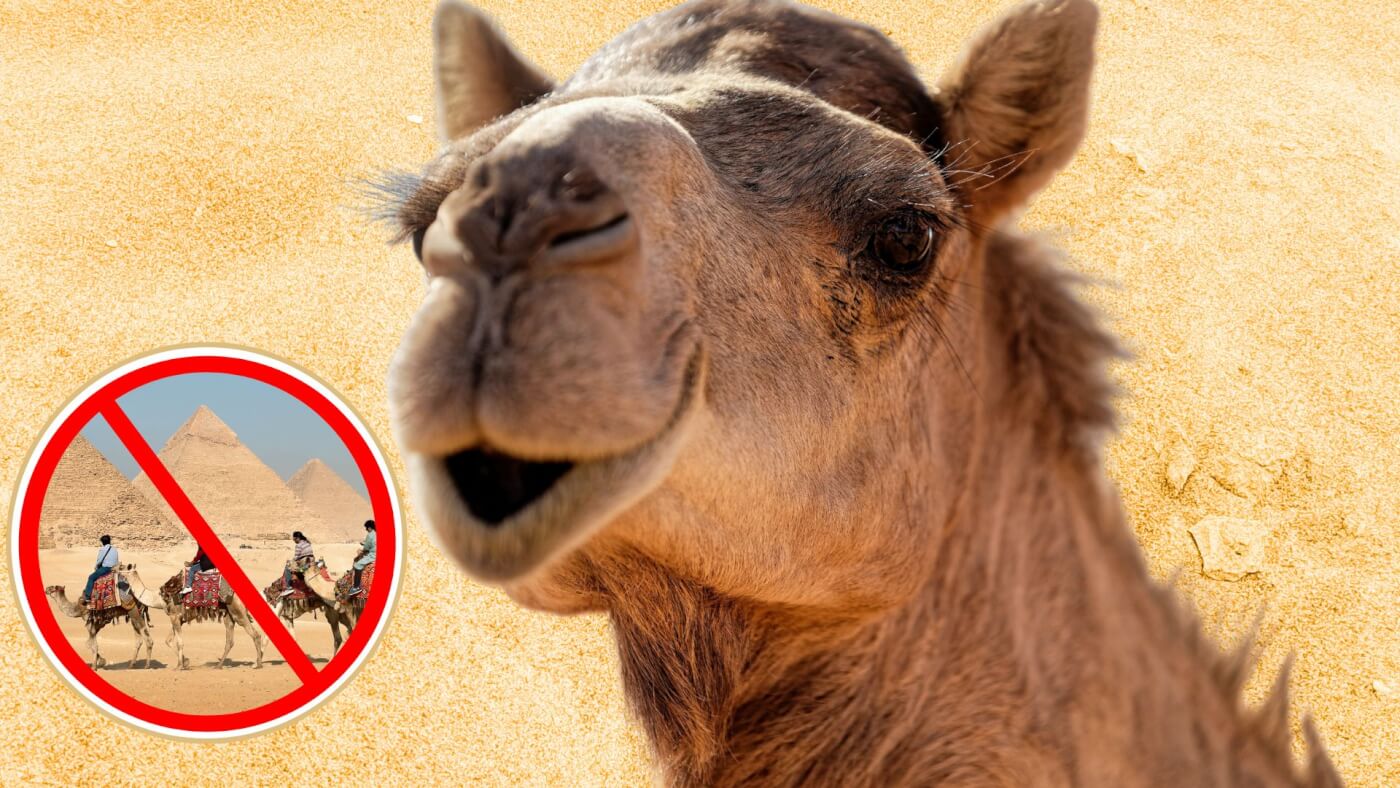
The decision was made just a week after we urged our supporters to contact the company to ask them to do right by horses and camels. Thank you to more than 12,000 compassionate people who emailed the company. When we speak out for the animals, we create change.

Camels and Horses Are not “Taxis”

Horses are herd animals who can feel stressed if forced to live alone and mourn each other’s deaths. Camels are known to greet one another by blowing air on each other’s faces. They don’t deserve to be abused for tourist rides.
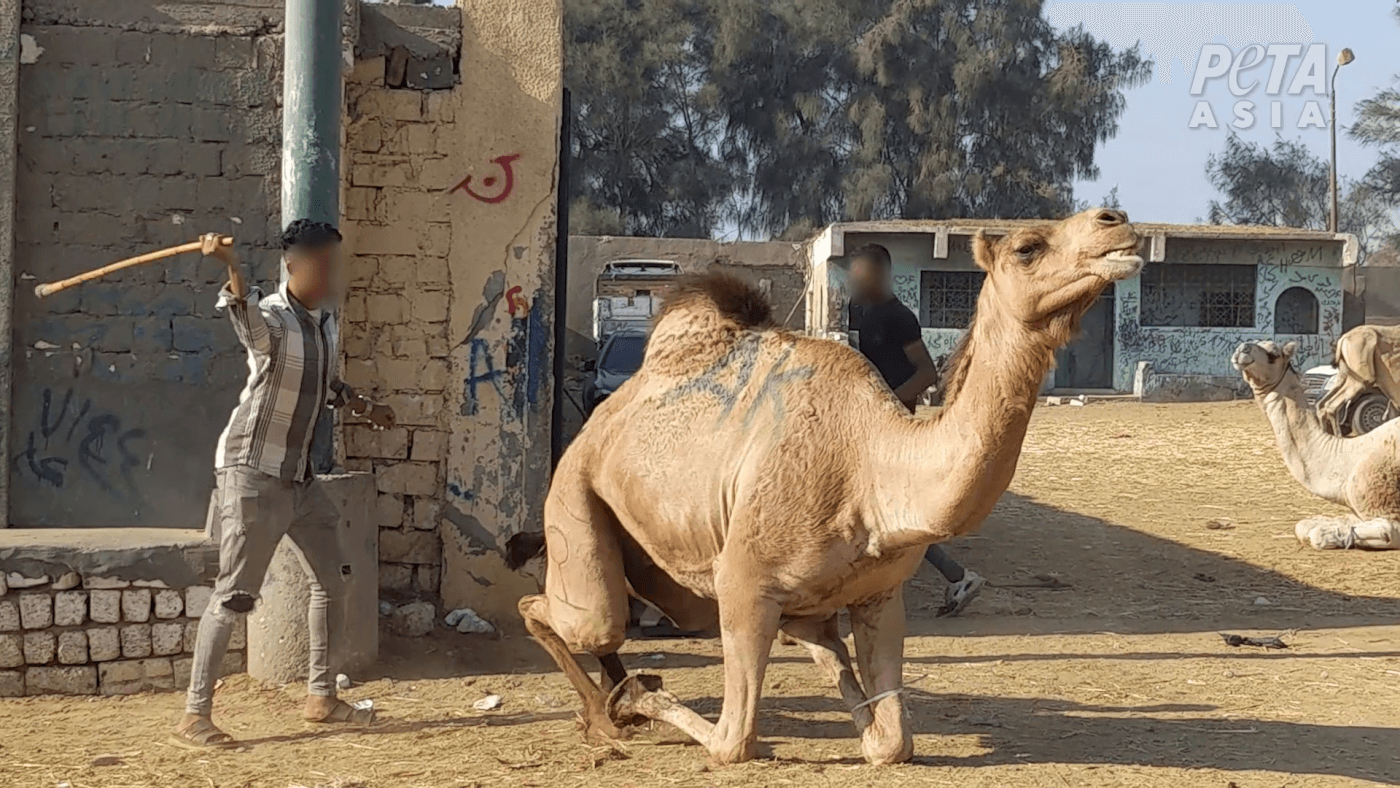
PETA Asia’s latest investigation into the historic site documented handlers violently beating exhausted horses and camels who are used to haul tourists in the blistering heat and without shade. Injured and malnourished horses were seen eating from rubbish dumps, and the bodies of dead horses were found discarded every day at rubbish heaps outside the Giza pyramids.

Camels considered too old, sick, or injured to be useful were often hauled to a slaughterhouse, where their throats were slit while they were still conscious. One camel on video can be seen continuing to kick for agonising minutes after her throat has been cut.
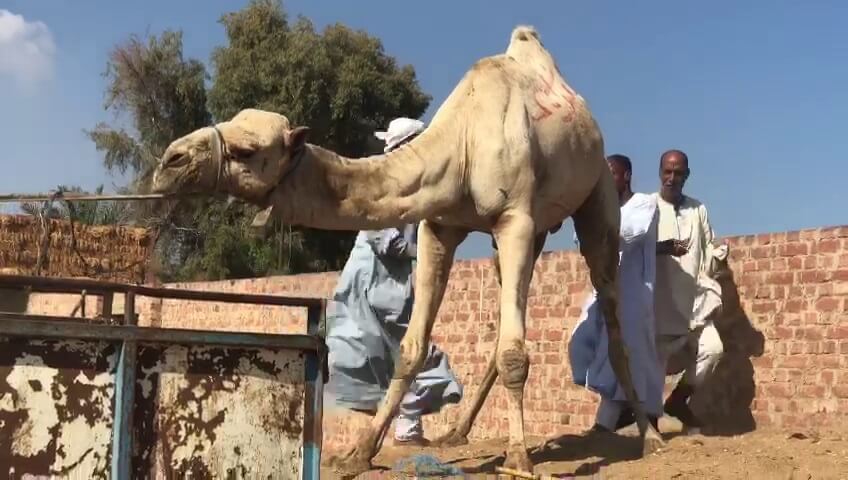
Whether you’re planning a trip to Egypt or anywhere else in the world, please always stay away from camel riding and camel trekking.

Travel Companies Reject Animal Abuse

Aero Travels’ decisive action will stand them in good stead with compassionate tourists who only want to deal with companies that shun these shameful rides. It now joins more than 50 businesses that won’t promote or sell animal rides at the pyramids, including Marriott, Airbnb, Audley Travel, British Airways Holidays, easyJet holidays, Exodus Adventure Travels, Flash Pack, Hays Travel, Scott Dunn, and Travel Republic.

Camels Need You to Take Action

Travel operators that are still profiting from animal abuse in Egypt must immediately follow suit. Let’s secure another victory for horses and camels. Join us in calling on Stubborn Mule Travel and On The Go Tours to follow in Aero Travel’s compassionate footsteps and drop horse and camel rides from their offerings.


donderdag 4 december 2025

Animal welfare organisation People for the Ethical Treatment of Animals ( PETA) , has made 2 lists of travel companies that do, or refuse to offer camel and horse rides

www.peta.org

People for the Ethical Treatment of Animals (PETA) 

More British Travel Providers Are Saying ‘No’ to Animal Rides at the Pyramids in Egypt


Posted by   | 

More and more travel companies are agreeing not to offer or promote animal rides at the Pyramids in Egypt. And a growing number are saying no to camel rides worldwide. Here’s how camels are abused for rides, which companies made the compassionate decision not to promote such cruelty, and what you can do to help.
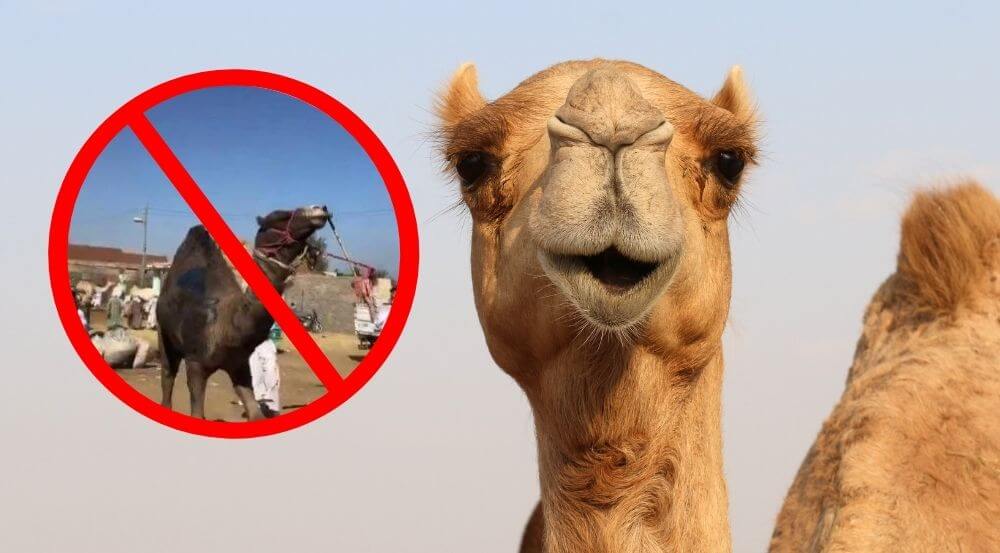
What’s Wrong With Camel Rides?

PETA Asia investigations at the pyramids of Egypt reveal extreme suffering and the subsequent death of camels and horses used for tourist rides. Watch this video to see handlers routinely beating them with sticks, whips, and other weapons. ( I have removed the video too graphic )

Many animals are so emaciated that their ribs jut out through their skin, and when they collapse, they are beaten and forced to continue working. Camels often have open sores and bloody wounds, are tied up or hobbled when not being used for tourist “selfies” or rides, and are not provided with shade or water. Malnourished horses try to subsist by eating from rubbish dumps and are not provided with veterinary care – even when they have open wounds and broken legs.
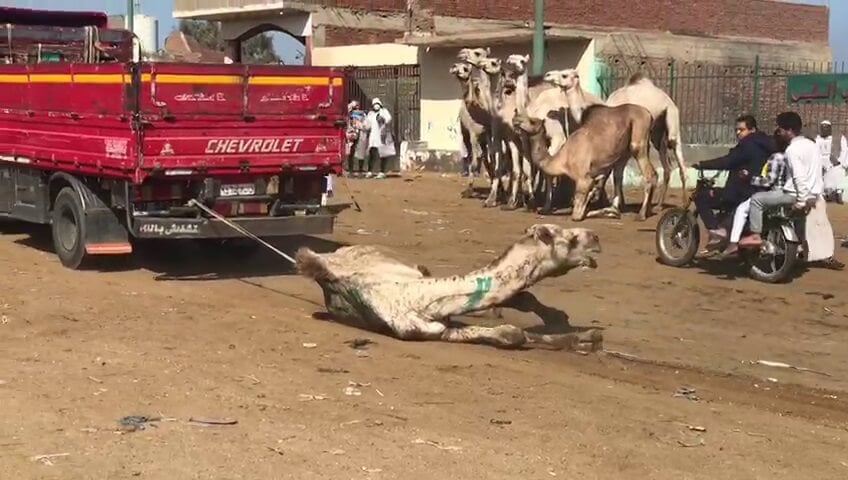
At Birqash Camel Market, where camels are often sold to be used for tourist rides, the exploited animals are beaten bloody and their legs are tied so tightly with rope that they can’t even walk freely. When camels and horses are no longer able to give rides, they are dumped like rubbish or hauled to abattoirs and killed for their flesh.

These Travel Companies Do Not Offer Camel Rides at the Pyramids

These British travel operators do not offer or promote exploitative animal rides at the pyramids.

Abercrombie & Kent
Aero Travels
Affordable Luxury Travel
Airbnb
AllTrippers
Audley Travel
Booking Holdings
Contiki
Costsaver
Exodus Adventure Travels
Explore!
Families Worldwide
Flash Pack
G Adventures
Hays Travel
Insight Vacations
Marriott
Original Travel
Tauck
The Adventure People
The Natural Travel Collection
Trafalgar
Trailfinders
Travel Bag
TravelLocal
Travel Republic
Uniworld

These Travel Companies Do Not Offer Camel Rides Anywhere

Whether it’s happening in Egypt, Morocco, the United Arab Emirates, Jordan, Gran Canaria, Australia, or anywhere else, camel treks and rides exploit camels. Leading the way in compassionate travel, these travel operators do not offer or promote exploitative rides in Egypt, or anywhere else worldwide.

American Holidays
British Airways Holidays
Citalia
Destination 2
Destination 2 Cruise
easyJet holidays
Exoticca
Expat Explore
Group Tour Shop

HF Holidays
HolidayGems
KE Adventure Travel
Newmarket Holidays
Red Savannah
Riviera Travel
Scott Dunn
Sovereign Luxury Travel
The Ultimate Travel Company
Titan Travel
TourAxis
Travcorp Holdings
We Are Travel Girls

Say ‘No’ to Camel Rides

You don’t have to wait until all travel operators stop promoting cruel activities that exploit camels, horses, and other animals. Be a responsible traveller and avoid all tourist traps that involve animals. Use this guide to learn more about the ways animals are abused for tourism


donderdag 12 november 2026

"We will Remember them " What does courage mean when you have no choice?


Every horse remembered

Eight million horses, donkeys and mules died in World War I from shellfire and gas attacks, freezing mud, exhaustion, and mud-borne and respiratory diseases. Every November Brooke takes time to honour and reflect on the heroic struggle of working horses, donkeys and mules of the past and present, and help build better lives for future generations.

When our founder, Dorothy Brooke went searching for these forgotten heroes, she found walking skeletons working as beasts of burden, their hard labour keeping people in Cairo out of poverty. Supported by the generosity of the British public she was able to establish the Old War Horse Memorial Hospital, where Brooke’s story began.

Dorothy Brooke’s legacy flourished into the most far-reaching and effective equine welfare charity in the world today. It’s a devastating truth that horses, donkeys and mules still have to endure conditions like these every day. From the searing heat of brick kilns, to icy and treacherous mountains and rivers, these animals are working, supporting the lives of people around the world.


 Where were horses used in WWII?

Eventually, there was perhaps less for British horse owners to be concerned about, as only a few regiments had need for horses. British troops in Sicily and mainland Italy utilised mules for transport, most of them sourced locally. There were some exceptions: the Sherwood Foresters infantry regiment, for example, when they relocated to Palestine in 1939, brought with them a thousand English horses.

In 1942 the British employed 6,500 horses, a small figure compared to the 2.75 million and 3.5 million used by the German and Soviet armies. Thankfully, for British horses at least, mechanisation had saved many of them from the terrible fate their predecessors endured in WW1.  

Facts compiled with help from the Museum of the Horse.


How many horses, donkeys and mules died in WWII?

Unlike the 8 million figure for WW1, there is no definitive answer to the question of how many equines died in WW2. Estimates vary between 2-5 million.

We asked Caroline Baldock of Museum of the Horse, who in turn was able to draw on some expert historical advice from ex-cavalry officer Brigadier John R. Smales. After taking into account the use of horses by the German and Russian cavalry divisions, he estimates 3.25 million animals were lost by those two armies alone. When the other theatres of war are factored in, particularly the Mounted Brigade in Palestine, and the mules used in Burma and Italy, he arrived at a final estimate of 3.5 million.  

Image: Horse and cart stuck in mud in Russia during WW2 | German Federal Archive


zondag 8 november 2026

News from Gaza: Do you want to follow Dr. Ahmed Thabet 17 November at 11.00 BMT on Zoom ? Sign up to meet him and learn aout his work helping donkeys


What is it like to care for injured donkeys in Gaza?


Join us for a special Zoom call with Dr Ahmed Thabet, who leads Safe Haven’s veterinary team in Gaza, to hear first-hand about the challenges his team faces and how your support helps the team treat donkeys in desperate need:

Tuesday 17 November at 13.00 GMT

You’ll hear directly from Dr Ahmed about his work, and anyone joining live can submit a question for him to answer.

Sign up to meet Dr Thabet on our Zoom call


Can’t make it? Please register anyway and we’ll send you a link to the recording to watch later.

Thank you for being there for Gaza’s donkeys. We hope you can join us.

Warm wishes,
Wendy

P.S. There’s still time to support our Gaza appeal to help Dr Ahmed’s team bring vital treatment to injured donkeys.

Dr Ahmed Thabet will be joining us live from Gaza, to tell you more about our work helping donkeys in desperate need


News from Gaza: Do you want to follow Dr. Ahmed Thabet 17 November at 11.00 BMT on Zoom ? Sign up to meet him and learn aout his work helping donkeys


What is it like to care for injured donkeys in Gaza?


Join us for a special Zoom call with Dr Ahmed Thabet, who leads Safe Haven’s veterinary team in Gaza, to hear first-hand about the challenges his team faces and how your support helps the team treat donkeys in desperate need:

Tuesday 17 November at 13.00 GMT

You’ll hear directly from Dr Ahmed about his work, and anyone joining live can submit a question for him to answer.

Sign up to meet Dr Thabet on our Zoom call


Can’t make it? Please register anyway and we’ll send you a link to the recording to watch later.

Thank you for being there for Gaza’s donkeys. We hope you can join us.

Warm wishes,
Wendy

P.S. There’s still time to support our Gaza appeal to help Dr Ahmed’s team bring vital treatment to injured donkeys.

Dr Ahmed Thabet will be joining us live from Gaza, to tell you more about our work helping donkeys in desperate need. 
Copyright © 2026 Safe Haven for Donkeys, All rights reserved.
You were subscribed to the newsletter from Safe Haven for Donkeys

Our mailing address is:
Safe Haven for Donkeys
Unit 23 More House Farm Business Centre
Wivelsfield
Haywards Heath, West Sussex RH17 7RE
United Kingdom

Add us to your address book


Want to change how you receive these emails?
You can update your preferences or unsubscribe from this list.

zaterdag 7 november 2026

In Gaza, Dr Ahmed, Safe Haven for Donkeys and his team help donkeys suffering from painful wounds, injuries and illnesses


Dear friends,

Every day in Gaza, Dr Ahmed and his team meet donkeys suffering from painful wounds, injuries and illnesses. These animals carry food and essential supplies through incredibly difficult conditions. And they desperately need vet care.

Between June and October, the team registered 122 new cases and made 295 follow-up visits. October was their busiest month yet.

Behind those figures are individual animals who needed someone to help. And this week, I’d like to share a few of their stories, and thank you for making this vital work possible - through your regular gifts and your donations to our Gaza appeal.

With warmest wishes,

Wendy
Safe Haven UK Office


P.S. You will be receiving an email on Sunday to invite you to a very special online video call with Dr Ahmed on Tuesday 17th at 13.00 GMT so you can hear first hand how your support is saving lives. If you'd like to register now, please follow this link.

An update from Gaza

When this female donkey came to see our vet team, she had been suffering from colic for three days. She was clearly uncomfortable and hadn’t been able to pass any dung for 48 hours.

Dr Ahmed and his team gave her fluids before gently examining her. They discovered a large amount of swallowed plastic packaging, along with pieces of rope and even a short length of metal wire.

The donkey was given fluids for her colic while the team provided treatment.

As they carefully removed the material, her relief was almost immediate. She could finally pass dung again and was soon comfortable enough to leave their care. Thanks to your support, our team was there when she needed help.

Healing takes time, especially when an animal keeps irritating a sore patch. For this eight-year-old donkey, biting at a painful knee wound had made the injury worse.
This donkey was treated for a painful knee wound.
Over eight visits, our team patiently cleaned and treated the wound. Little by little, they began to see an improvement.

By 1st November, it was healing well enough for her treatment visits to end. Her caring owner, who had been doing her best to help, was given advice on stopping her from biting the area while it continued to heal.
Dr Basal bandages the donkey's knee to provide relief. 

It’s hard to understand how anyone could deliberately hurt an animal. Sadly, this female donkey suffered a knife wound when her owner became involved in a dispute with another man.

Our team carefully cleaned and stitched her wound, and gave her antibiotics to treat the infection. When it didn’t heal as quickly as they had hoped, they continued tending to it during follow-up visits.

This poor donkey suffered a knife wound - but with your support she's now back to full health.

As you'll see above, she soon made enough progress to be discharged from our care. After such a distressing experience, your kindness helped give her the treatment and attention she needed.

Dr Ahmed feels a close connection to all the animals his team provides treatment to.

Every story here begins with a donkey who needed help. Your generosity means Dr Ahmed and his team can be there to provide vital treatment and pain relief to injured animals.

Thank you for helping bring comfort to donkeys living through such difficult times.


Thank You  ♥️♥️

With your help, our team in Gaza can treat painful injuries, support recovery and help owners keep their animals healthy.

Your kindness also provides care for rescued donkeys at our sanctuaries in Israel and the West Bank, as well as supporting our other veterinary teams reach working animals across the West Bank and Egypt.

Thank you for helping donkeys and giving them the chance of living healthier, more comfortable lives.

Donate to help donkeys in need

Thanks to your support, our vet team are able to provide vital care to donkeys, mules and horses who would otherwise have no one to turn to.

If you'd like to read previous updates of our work, please click here to visit out blog. You can also view today's update online by clicking here.
Registered charity number 1083468
Facebook
Twitter
Instagram
Website