Translate

Posts tonen met het label West Bank. Alle posts tonen

donderdag 29 oktober 2026

Our weekly updates from Safe Haven For Donkeys Gaza and the Westbank ( video's)


That's why we have a vet clinic in Gaza City, which offers treatment and follow-up appointments until the animal is fully recovered. But we need your support to ensure the team is there and ready to continue treating donkeys in pain. 
 
A gift from you could help support our vets providing life-saving diagnosis, treatment and follow-up care. It could also ensure we are equipped with medicine and other vital supplies, such as bandages, gauze, saline, iodine and gloves.

Without these essentials, wounds cannot be treated effectively and infection can set in, leading to further complications and potentially life-threatening illnesses. 


See a video of the Vet Team at work in Gaza

Please help us today – and save the lives of donkeys on whom so many communities in Gaza rely.
 
Yours sincerely,
 
Andy Foxcroft
Chief Executive, Safe Haven for Donkeys 


P.S. Next week we have exciting news to share - we will be inviting you to a Zoom call with Dr Ahmed Thabet to hear first hand about our work helping donkeys in Gaza. We can't wait for you to meet him.

Facebook
Twitter
Instagram
Website
Copyright © 2026 Safe Haven for Donkeys, All rights reserved.
You were subscribed to the newsletter from Safe Haven for Donkeys

Our mailing address is:
Safe Haven for Donkeys
Unit 23 More House Farm Business Centre
Wivelsfield
Haywards Heath, West Sussex RH17 7RE
United Kingdom

The West Bank


It’s always lovely to see a donkey thriving after receiving treatment from one of our vets, and this week Dr Rakan has shared an update that I thought you’d enjoy.

You may remember the donkey we told you about in the summer, who was dehydrated and struggling to walk. Seeing the latest photograph, looking so much healthier, is a wonderful reminder of the difference your support makes.

Below, you can catch up with this familiar face and meet a youngster who needed help. Both stories show why the care you help provide in the West Bank – and beyond – matters so much.

Thank you for being part of it.
Update from the West Bank – 29th October 2026

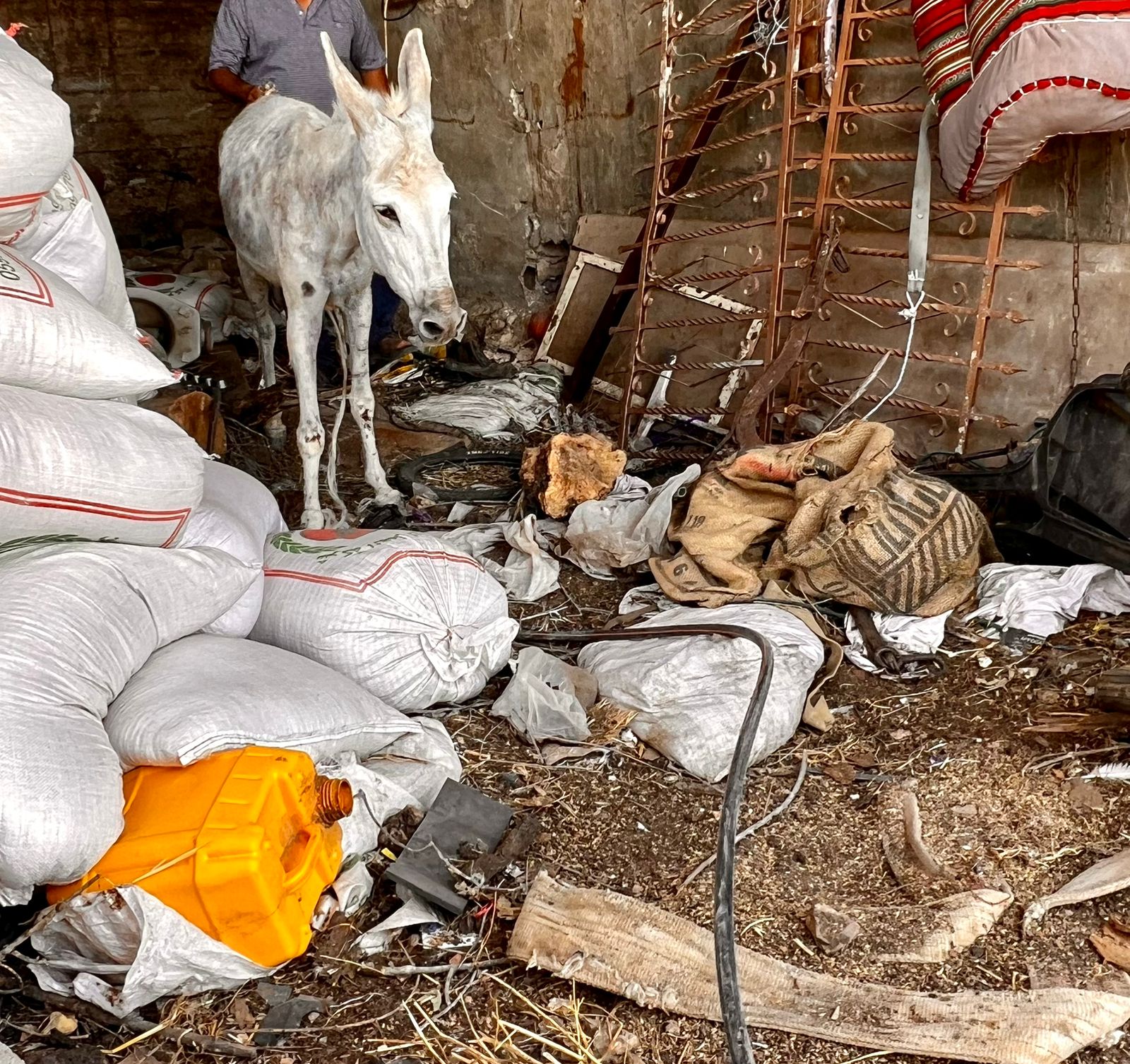
Back in July, we shared the story of this donkey living alongside a horse in a cramped shelter with a rocky, uneven floor. The donkey was dehydrated, with stiff, painful muscles that made walking difficult.

Dr Rakan and the team gave intravenous fluids, pain relief and vitamins. They also spoke with the owner about improving the shelter to help the donkey recover.
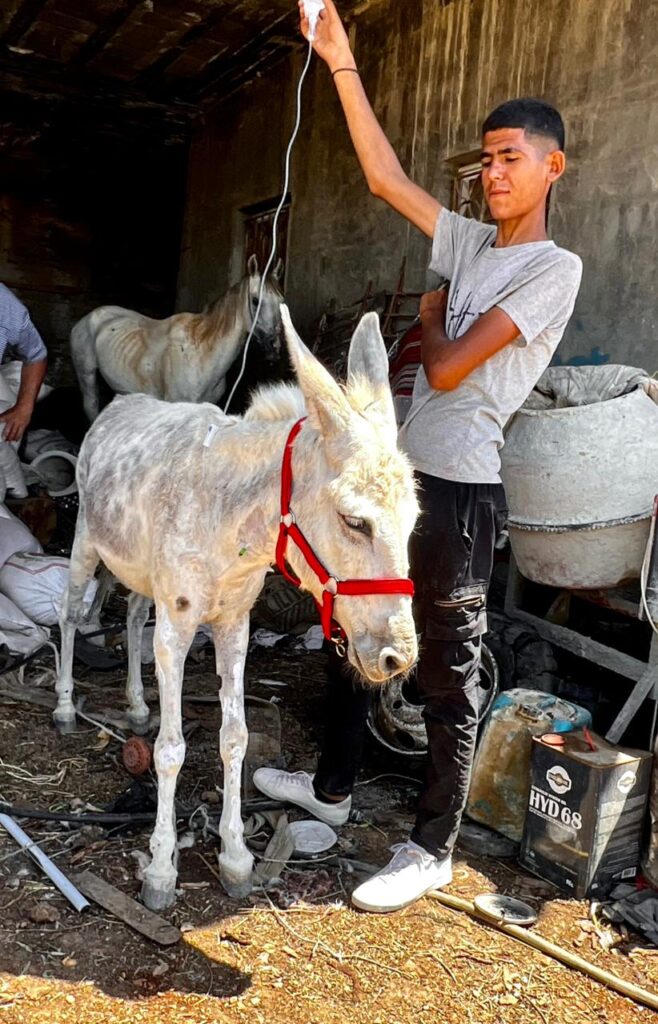
Back in July, Dr Rakan helped this donkey – in desperate need of veterinary care.

At a recent visit, they were delighted to see such a change. The donkey is now in good body condition, with healthy muscles and a healthy-looking coat.

This latest photograph is a lovely way to share that progress with you. Thank you for helping our team provide treatment when it was needed.
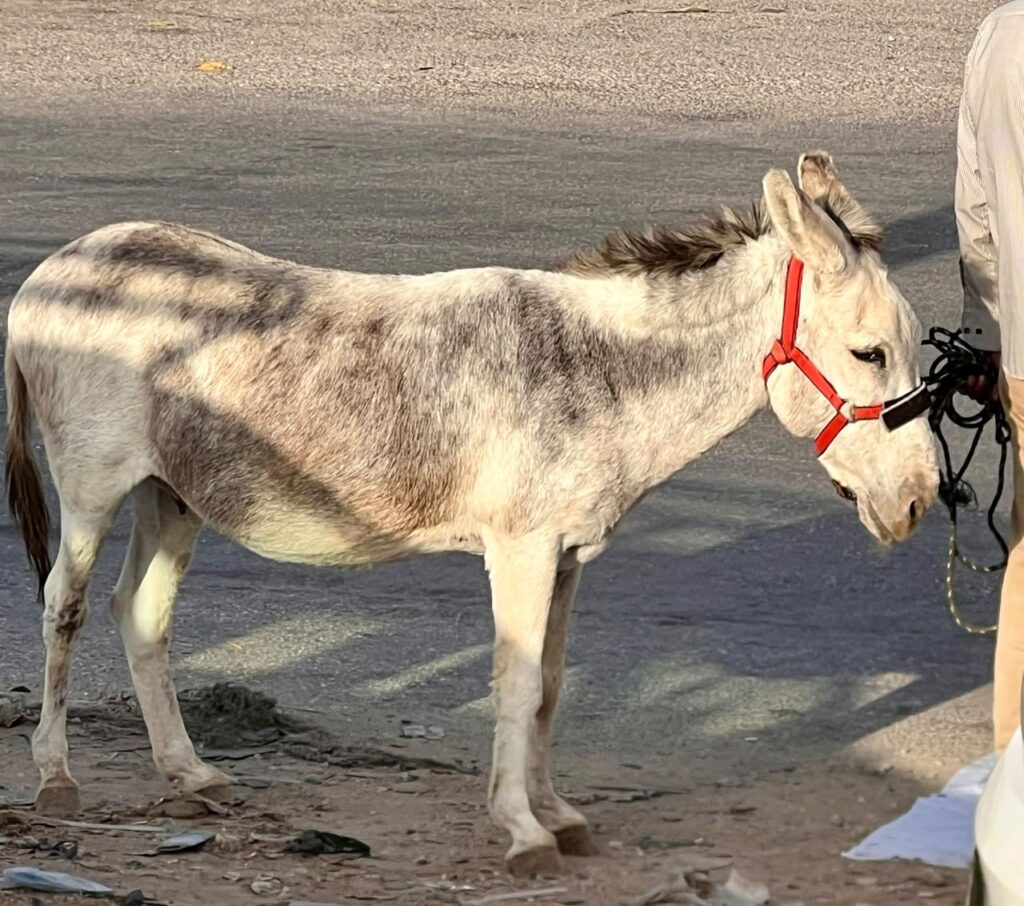
Thanks to your support the donkey is now fully recovered and healthy.

Just this week, a two-year-old horse developed colic during the night, and his owner faced a worrying problem. Dangerous roads and roadblocks around his village made it difficult to get a vet to the farm.

Colic causes abdominal pain and can become life-threatening. Anxious to help, the owner sought veterinary advice by telephone. He also kept sheep, so had some veterinary medicines available.

Following that advice, he gave a painkiller. Thankfully, the youngster recovered from the colic. But a large swelling developed on his neck where the injection had been given.
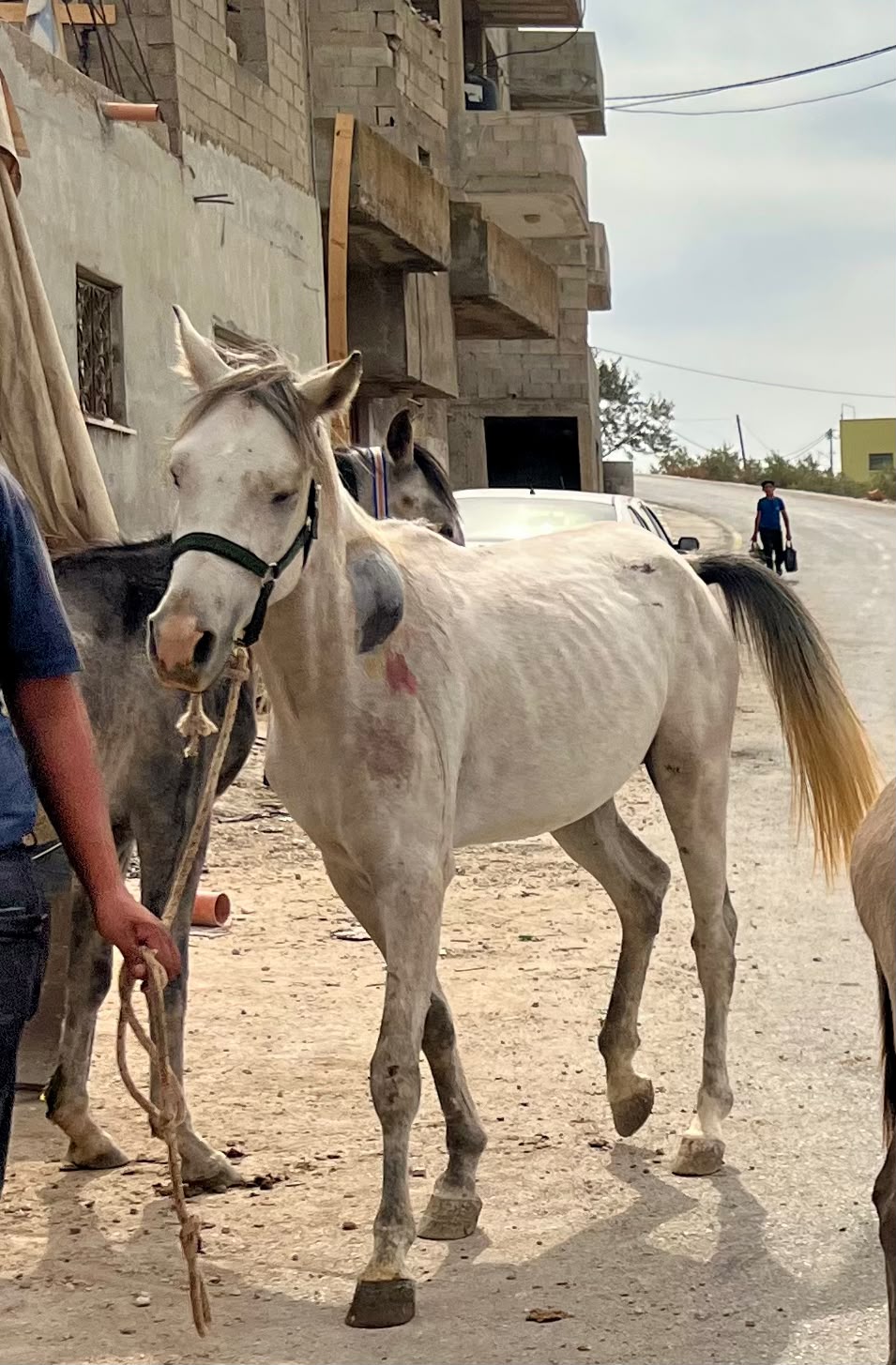
The swelling on the horse’s neck was painful and needed draining.

Thankfully, Dr Rakan was able to examine him during our mobile clinic in Mazare’ Al Nobani, near Ramallah.

He carefully clipped the hair around the swelling, cleaned and disinfected the area, then drained the fluid that had collected beneath the skin. Dr Rakan was also able to provide pain relief, antibiotics and ointment so his owner could continue treatment at home.
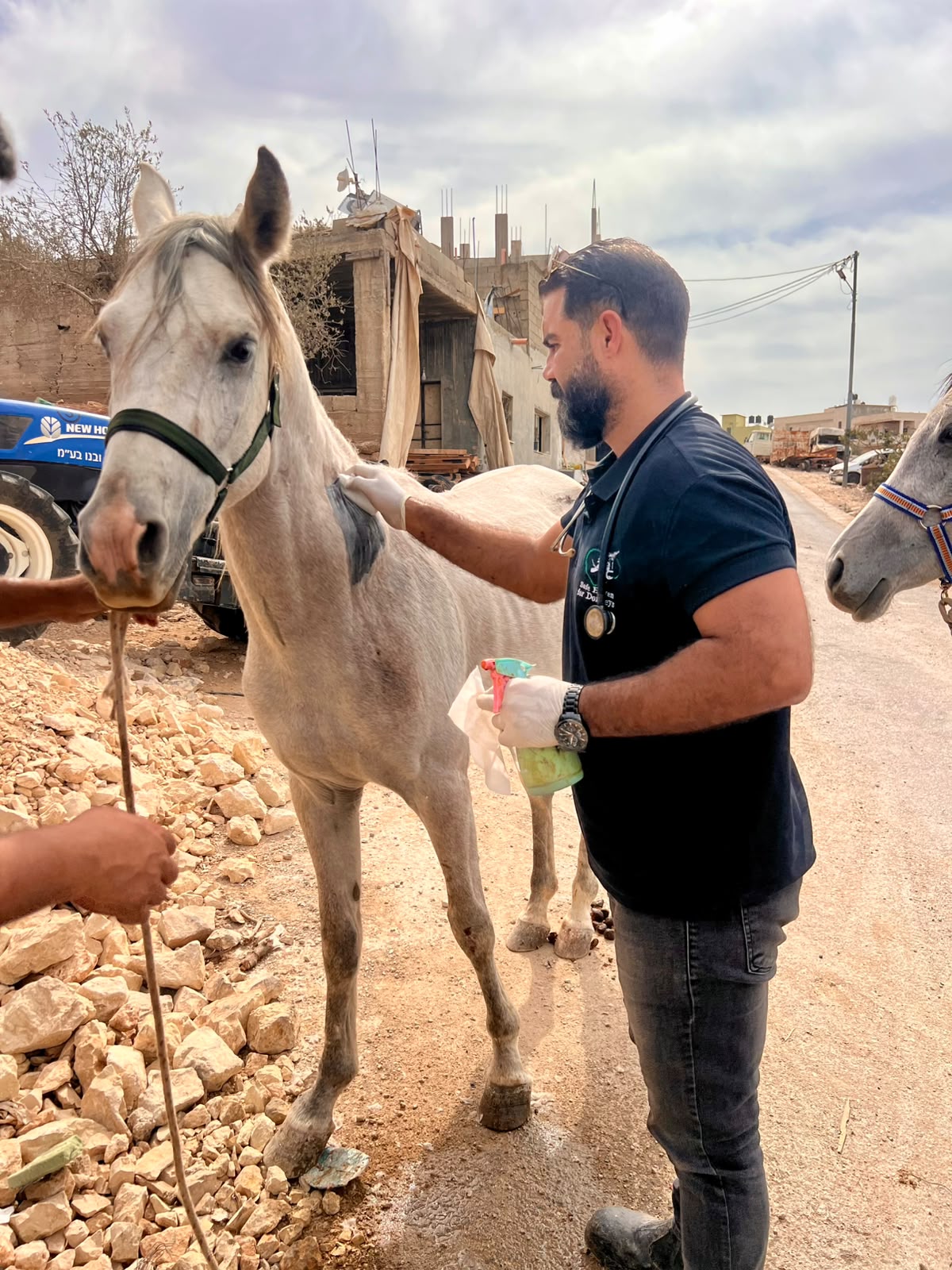
Dr Rakan was able to provide treatment, including pain relief and antibiotics. 

He still needs time to recover, and the team will stay in touch with his owner to check that his neck is healing well.


Your support helps our mobile team reach animals like him, and owners who can struggle to get veterinary help when they need it. Thank you.


Thank you ♥️♥️

With your help, our teams in across the West Bank can treat painful injuries, support recovery and help owners keep their animals healthy.

Your kindness also provides care for rescued donkeys at our sanctuaries and helps our other veterinary teams reach working animals across Gaza and Egypt.

Thank you for helping donkeys and giving them the chance of living healthier, more comfortable lives.
Thanks to your support, this is just one of the donkeys free from pain and back to full health. Thank you for caring.


donderdag 6 augustus 2026

Safe Haven for Donkeys: a weekly update from the West Bank with 5 heartwarming photo's


The road blocks My heart breaks for these animals. The donkey is so thin...... 


You may remember that I recently shared an update from our Nablus team in the West Bank, who were forced to turn back from a trip to Senjil, due to road blocks.

But they were determined not to let the day go to waste. The team quickly changed course and travelled through several villages before reaching Mazare’ Al Nobani, near Ramallah.

By the end of the day, they had provided much-needed care to 31 working donkeys and horses. Here’s an update on what happened - made possible thanks to your support.

Kindest regards,

Wendy
Safe Haven UK Office

An update from the West Bank

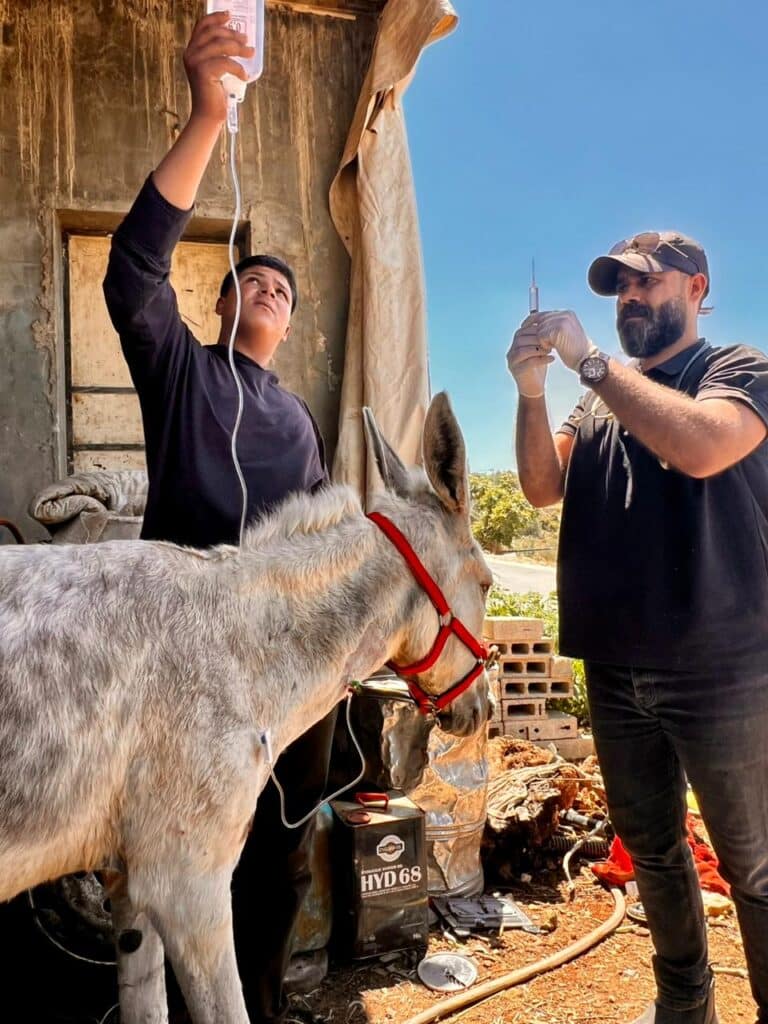
One of the first animals the team treated was a donkey who was struggling to walk after spending several weeks in a cramped and uncomfortable shelter.

He had been living alongside a horse in a small space with a rocky, uneven floor. Over time, the poor conditions had taken their toll. He was dehydrated, his muscles had become stiff and painful and he could no longer walk comfortably.

Dr Rakan provided urgent care to this donkey, who was severely dehydrated and struggling to walk.

Respect for the vet's helper holding the intravenous bottle. That will take 45 minutes
After receiving fluids and pain relief, the donkey was also fitted with a soft new head collar.

During their visits, they still find donkeys and horses wearing nose chains. These heavy chains can cut into the skin, cause painful pressure sores and, over time, lead to lasting damage.

Whenever the team finds an unsuitable chain, they remove it and replace it with a soft, properly fitted one, or hand made padded covers, helping owners guide their animals safely without causing unnecessary pain.

A new head collar may seem like a small change, but it can make a huge difference to a working animal’s comfort every day.

Dr Rakan also makes practical changes like this - replacing harsh chains with soft, properly fitted head collars.


Thank You Erna ♥️♥️

Your support helps our veterinary teams reach working donkeys, horses and mules with the treatment and medicines they urgently need. It also allows them to work alongside owners, making practical changes that can prevent further pain and suffering.

Thank you for helping these gentle animals live healthier and more comfortable lives.

Help our vet teams reach more donkeys

Thanks to your support, our mobile teams can provide urgent veterinary care while also helping owners prevent future suffering.

If you'd like to read previous updates of our work, please click here to visit out blog. You can also view today's update online by clicking here.
Registered charity number 1083468
Facebook
Twitter
Instagram
Website

vrijdag 10 oktober 2025

Dr Saif vet in Gaza: "in the last 10 days alone we have helped 379 animals" and update from Dr Rakan vet in the West Bank ( 8 photos )


Dear Friends

As we write this week’s e-news, there is finally a glimmer of hope that peace may be in sight for Gaza.

Dr Saif messaged us this morning to say in the last 10 days alone, his team has helped 379 animals. Their dedication never wavers, and it’s thanks to your generosity that they can keep going. Whether you supported our Gaza appeal or give a regular monthly gift - you are a vital part of our team, helping to deliver first aid to Gaza’s donkeys.


This week, I want to share an update from the West Bank. Dr Rakan and Nour were called out to help a donkey whose hooves were in an awful state – the owner had tried to trim them with an axe!

Thankfully, our mobile team was there to help: to repair the damage, relieve the donkey’s pain, and make sure the owner had the right medication to aid recovery.

Thank you, as always, for helping the donkeys, mules and horses who need us most.

With my warmest wishes,
Wendy, Safe Haven UK Office
 
Update from Dr Rakan in the West Bank

We were travelling through local villages to reach our destination in Tulkarm, a city in the West Bank, when I got a phone call from a local farmer we’d visited a few months ago. He told me he’d bought a new donkey whose hooves were very long and badly cracked. So, we changed direction and drove further to reach him.

Close-up of the donkey’s cracked hooves before treatment

It was clear when we arrived that the donkey had been neglected for a long time. His hooves were in terrible condition. He had a broken back hoof-pastern axis - a misalignment of the hoof - which had caused swelling and painful pressure points.

Dr Rakan sterilises and bandages the donkey’s hooves to prevent infection

Sadly, his previous owner had tried to trim the hooves himself - using an axe! This only made things worse, creating a severe hoof angle and further injury. Combined with poor living conditions, the hooves had become inflamed and infected.

Nour gently works on the donkey’s hooves, trimming and rasping to restore a healthy shape

Nour, our farrier, carefully trimmed the hooves back to a normal angle and inspected the soles, toes and frog (the spongy tissue in a donkey's hoof). He also rasped the hoof walls - an essential part of proper hoof care.

I also shaved the hair around the hooves to check for any hidden lesions. I found a wound and cleaned it thoroughly, washing it several times with antiseptic to remove dead tissue. Then I bandaged the hooves with a sterile wrap to keep them clean and protected while they heal.

The owner receives medicine and instructions for follow-up care from Dr Rakan

We gave the donkey antibiotics and pain relief, and provided the new owner with enough medication to continue treatment for the next few weeks. We will of course keep in contact with the owner to make sure the donkey’s condition continues to improve.


Thank You ♥️♥️

Because of you, our mobile vet teams in the West Bank can reach donkeys like this one - bringing treatment, relief and care where it’s needed most. Your generosity also helps our mobile teams in Gaza and Egypt, and ensures the rescued donkeys at our sanctuaries in Israel and the West Bank receive the daily care they deserve.

All our work is only possible because of you. Thank you for giving so many animals the chance of a better, healthier life.
Donate today
Dr Rakan was only able to care for this donkey thanks to you - thank you so much
If you'd like to read previous updates of our work, please click here to visit out blog. You can also view today's update online by clicking here.
Facebook
Twitter
Instagram
Website