International , Brief , News

Tigers once roamed Kazakhstan. Unfortunately, this magnificent animal was regarded as an unwelcome guest and preferably shot. The last wild Amur tiger in Kazakhstan was killed in the 1950s. It was quiet
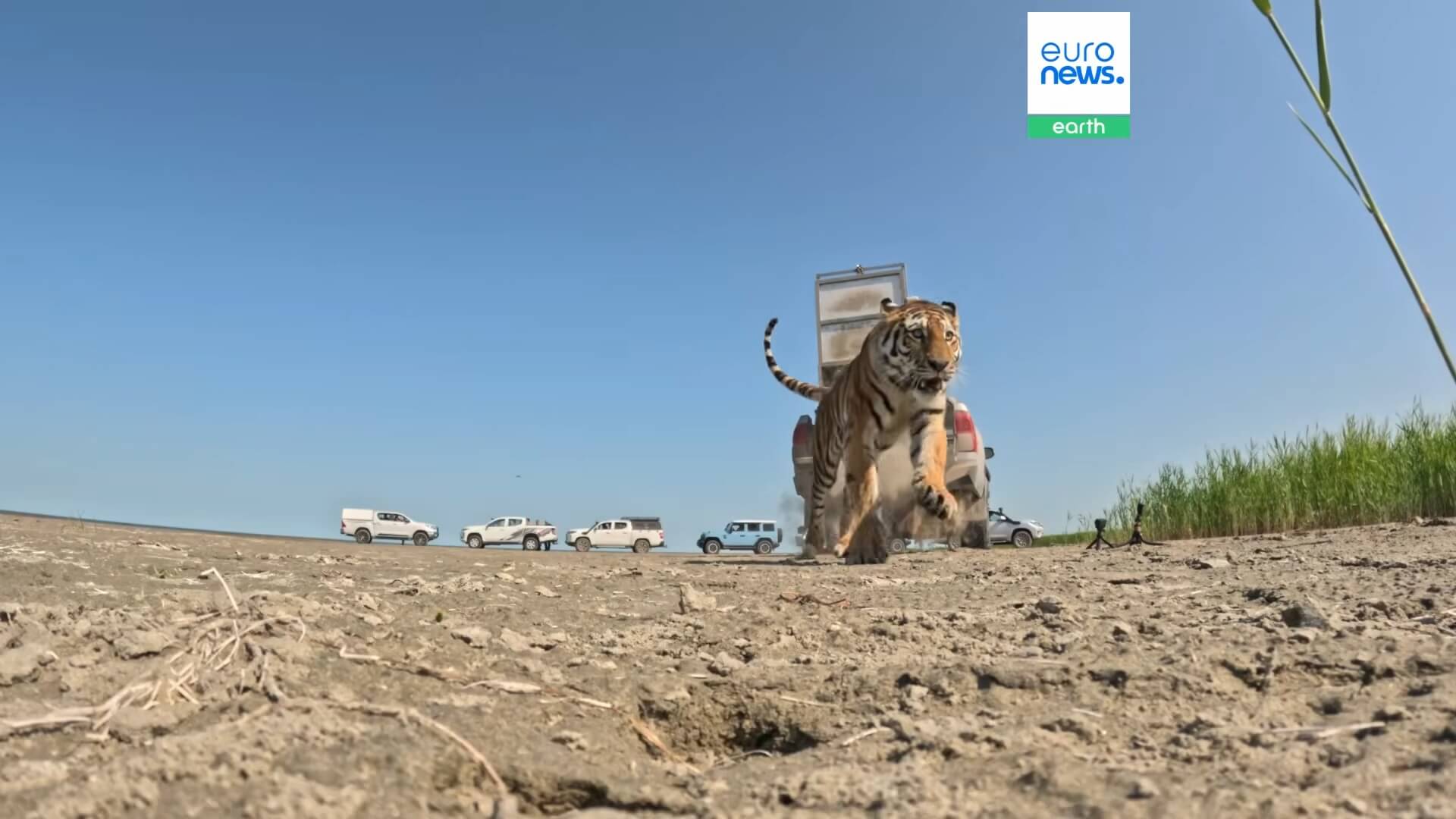
“Today we witnessed a historic event. For the first time since the tiger disappeared from Kazakhstan more than 70 years ago, a tiger has been released back into its historical range. This is the result of years of collaboration (…)”
In good condition
Umit is equipped with a collar with a tracking system to monitor her movements and behavior. She has been examined by veterinarians and, fortunately, was found to be in good condition
.
The nature reserve was formerly inhabited by the extinct Caspian tiger, also known as the
Turanian tiger. This species was closely related to the Siberian or Amur tiger. Umit is an Amur tiger, a population of the Asian mainland tiger that is native to the Russian Far East and northeastern China. The government chose Amur tigers because research showed that their genetic makeup was virtually identical to that of Caspian tigers
.
Tiger back in Kazakhstan
Umit is one of four Amur tigers transferred from Russia to Kazakhstan, possibly as a form of ' panda diplomacy '. Before she could roam free, like their extinct relatives, Umit was released into fenced areas to get used to the sights, sounds, smells, and weather. Alongside Umit resides a male named Amur and two cubs, six to seven months old, from the Russian Khabarovsk Reserve.
Amur will remain in captivity for the time being, until he is ready to be released. The cubs will grow up semi-wild in the reserve. When they are fully grown, around 18 months of age, they will be released if they pass behavioral tests demonstrating that they are truly ready.
Siberian tiger
The Siberian tiger, or Amur tiger, is a very rare subspecies of tiger. It is the largest of the big cats. A male can reach a length of 3.35 meters (excluding the tail), while a female is smaller. The coat is orange-brown to orange-yellow with vertical brown to black stripes.
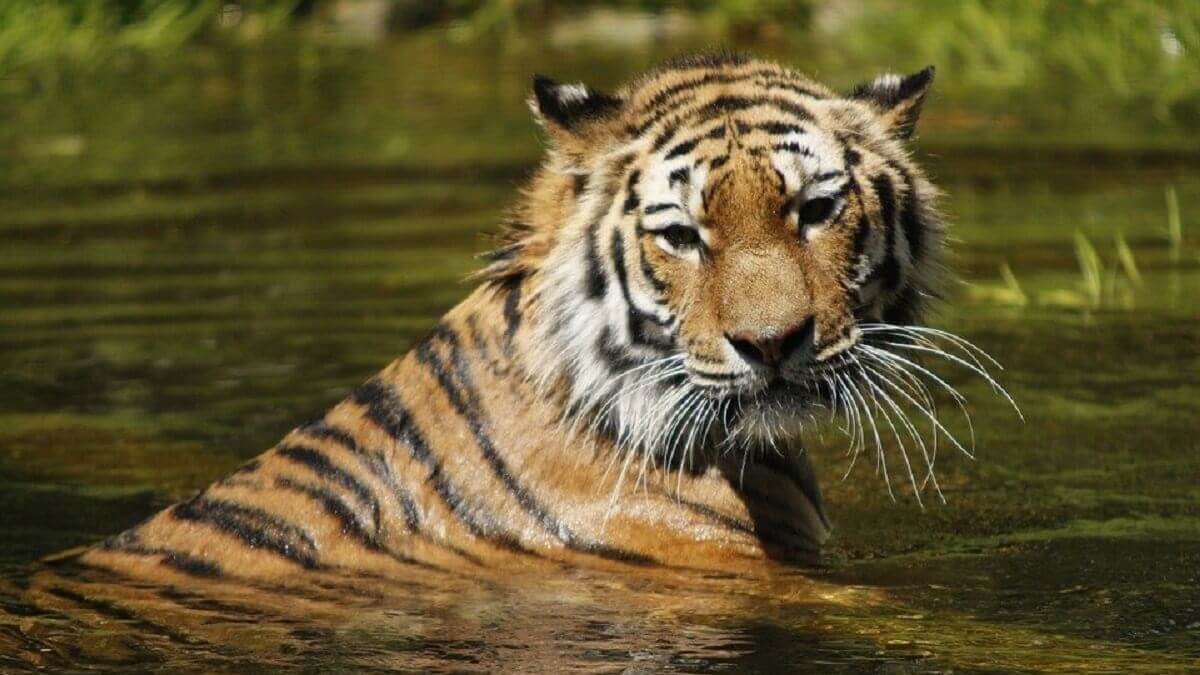
Formerly, the species occurred on the Korean Peninsula, most of Manchuria, the Amur Basin, and the eastern slope of the Sikhote-Alin Mountains. The animal is now rare in the wild. Illegal hunting for its fur and use in traditional medicine threatens the species. In 2011, there were an estimated only 500 individuals remaining.
Complex situation
Despite this remarkable news, it remains a complex situation. One challenge is the security of the communities surrounding Ile-Balkhash. The reserve is large but not fenced, meaning tigers can return to their original habitat if the population grows. Officials from the Kazakh Ministry of Ecology say:
The safety of the people living near the reserve is our highest priority. We have taken measures to prevent conflicts between people and tigers, including a special team that takes action if an animal approaches a populated area.he safety of the people living near the reserve is our highest priority. We have taken measures to prevent conflicts between people and tigers, including a special team that takes action if an animal approaches a populated area.
Wild tigers are still struggling regardless. Their numbers have dropped from approximately 100,000 at the beginning of the 20th century to about 5,500. In large parts of Asia, numbers are still declining. They are facing new challenges such as diseases and climate change
.
If the project succeeds, Kazakhstan will be the first country in the world to reintroduce the tiger into an ecosystem from which it had previously disappeared .
Sources:
- euronews/TouTube
- GMA News/YouTube
- Good News Network
- The Guardian
- Mongobay
- Wikipedia
- Lees ook op AnimalsToday:
©AnimalsToday.nl Jane Sauer

Geen opmerkingen:
Een reactie posten