Translate

Posts tonen met het label Poop Coffee. Alle posts tonen

woensdag 18 maart 2026

Despite international outrage following previous investigations spanning more than ten years, nothing has changed. Kopi Luwak – also known as civet coffee or cat poop coffee

https://secure.petaasia.com/page/161358/action/1?locale=en-US

PETITION

 Civet Cats are being tortured for very expensive coffee known as Poop Coffee or Kopi Luwak  petition 


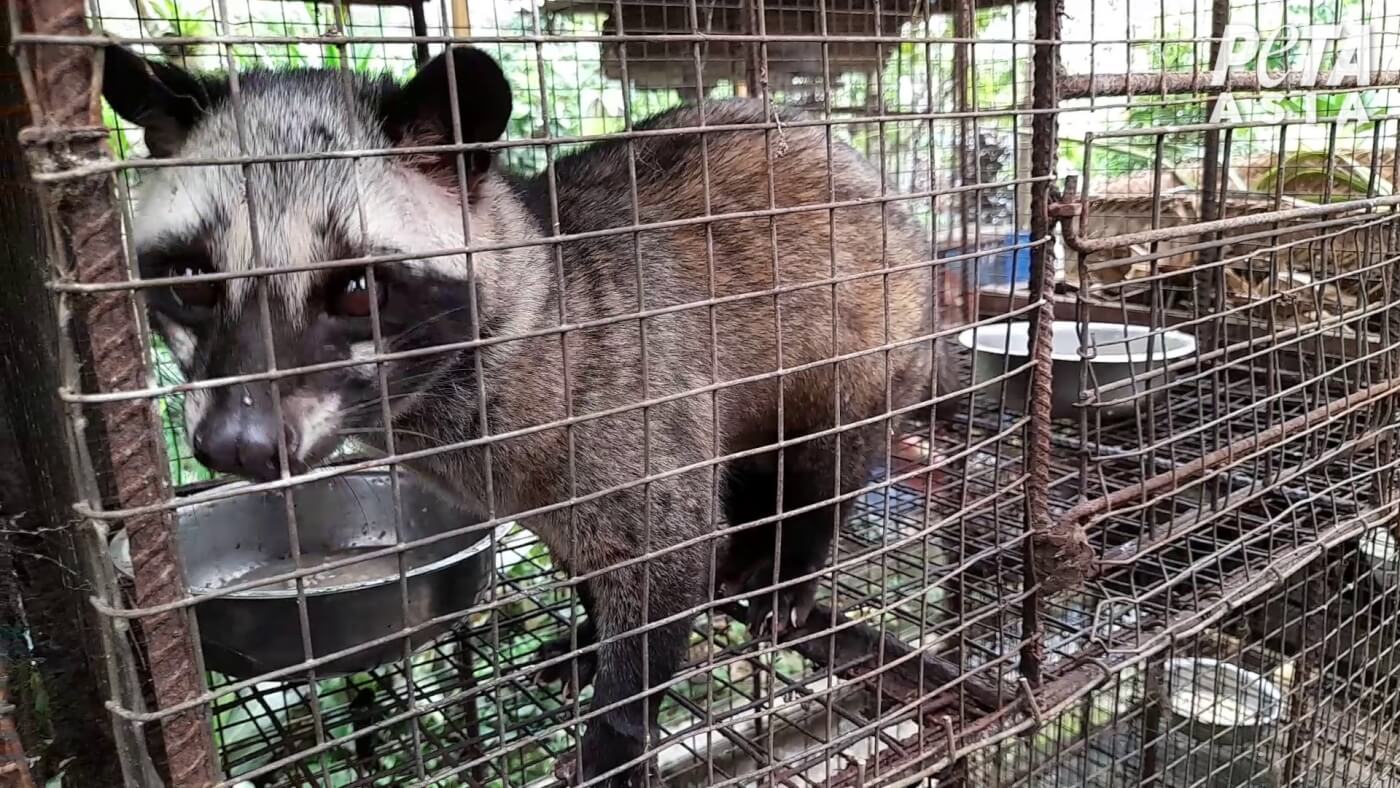
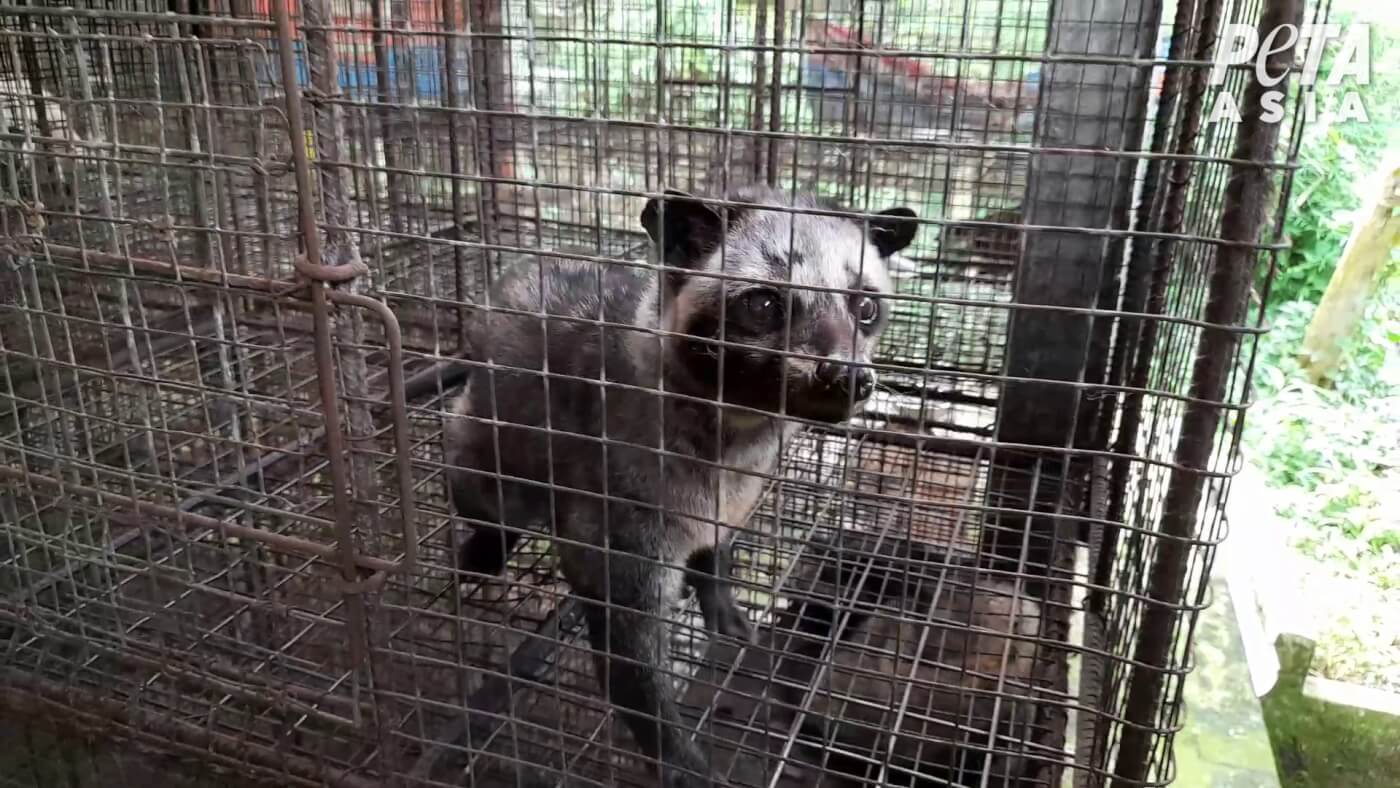
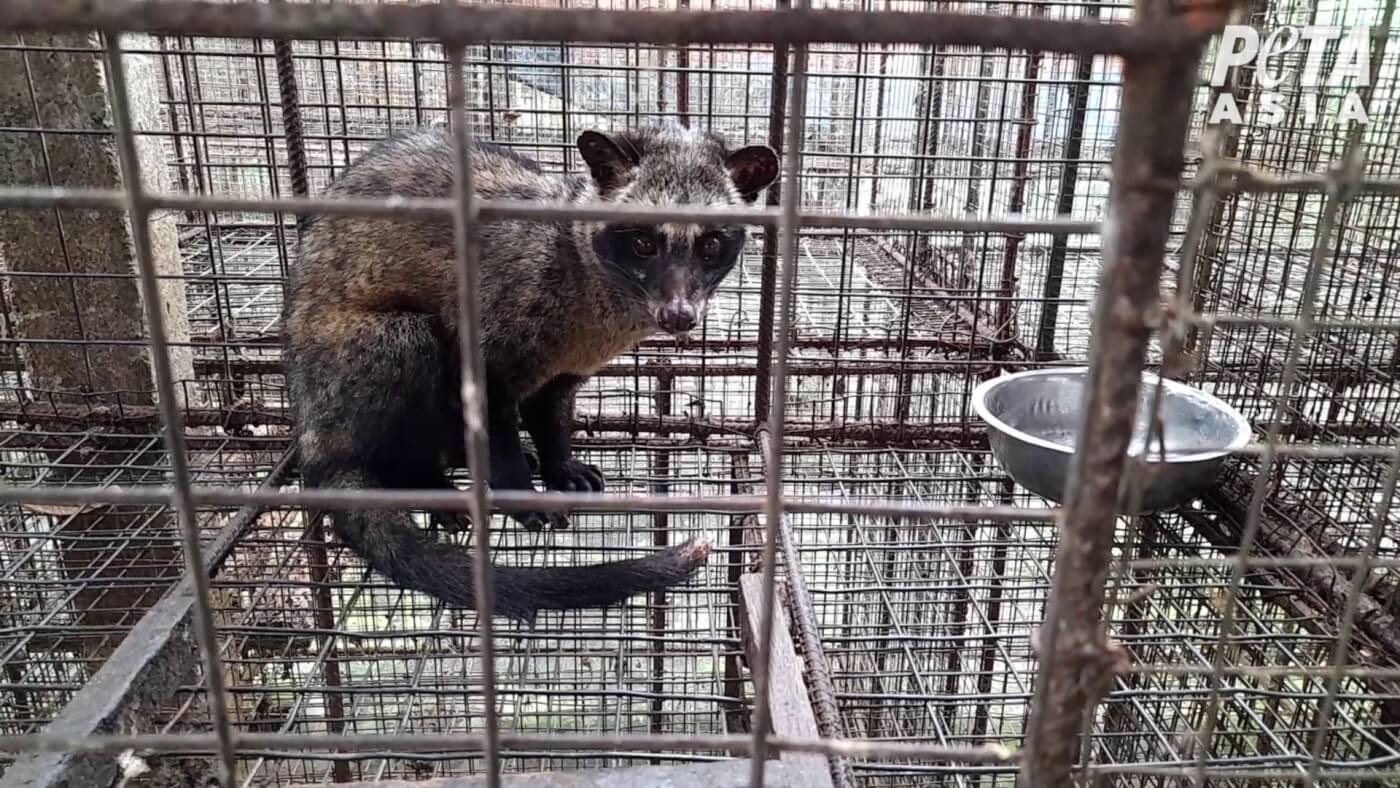
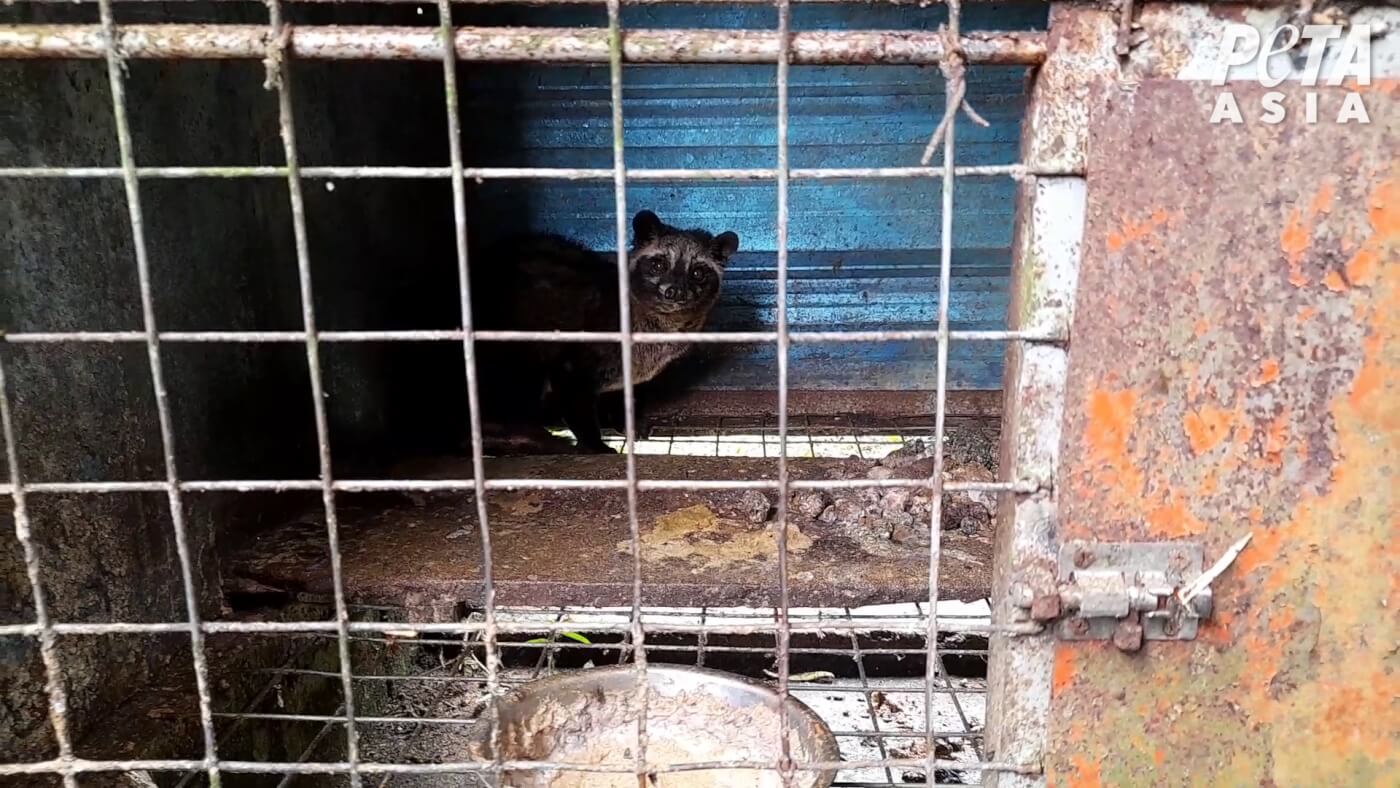
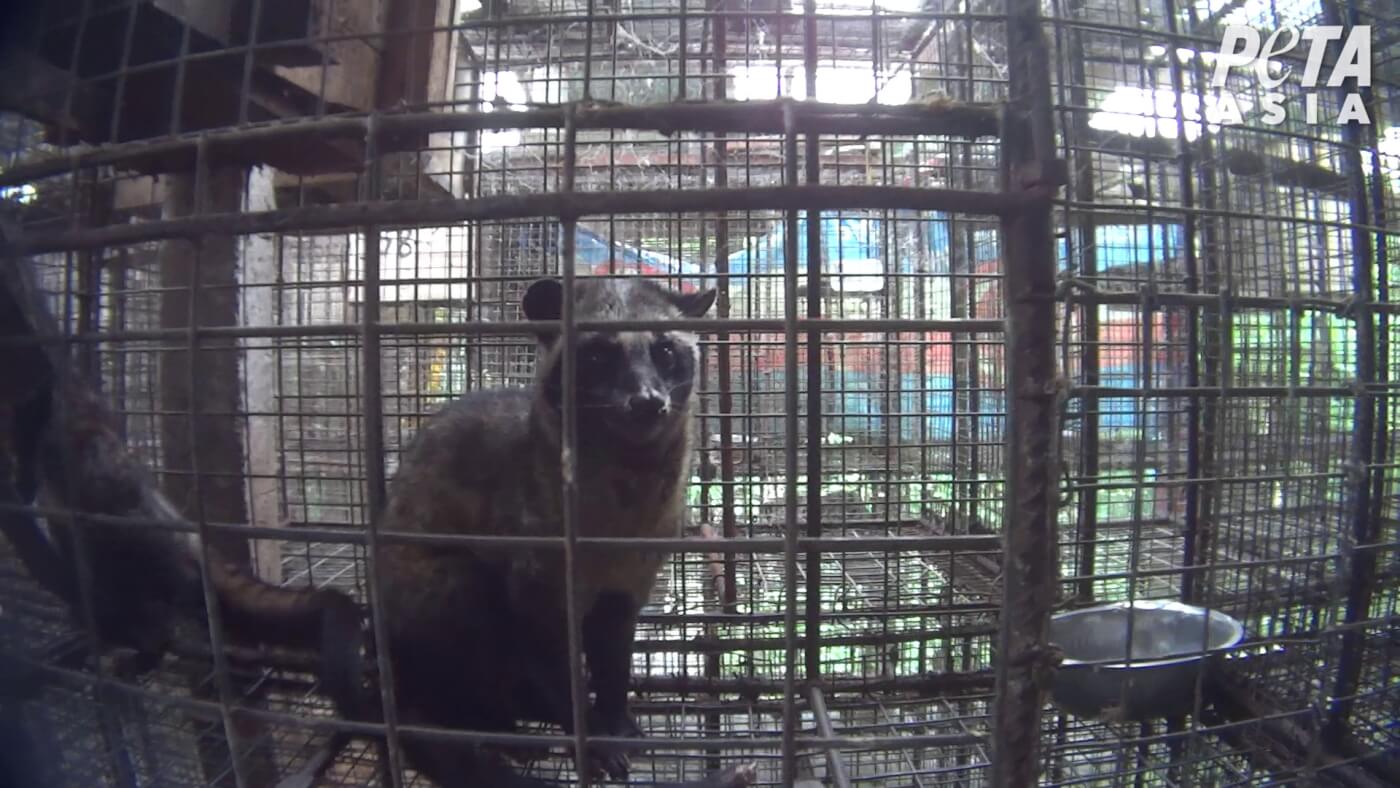
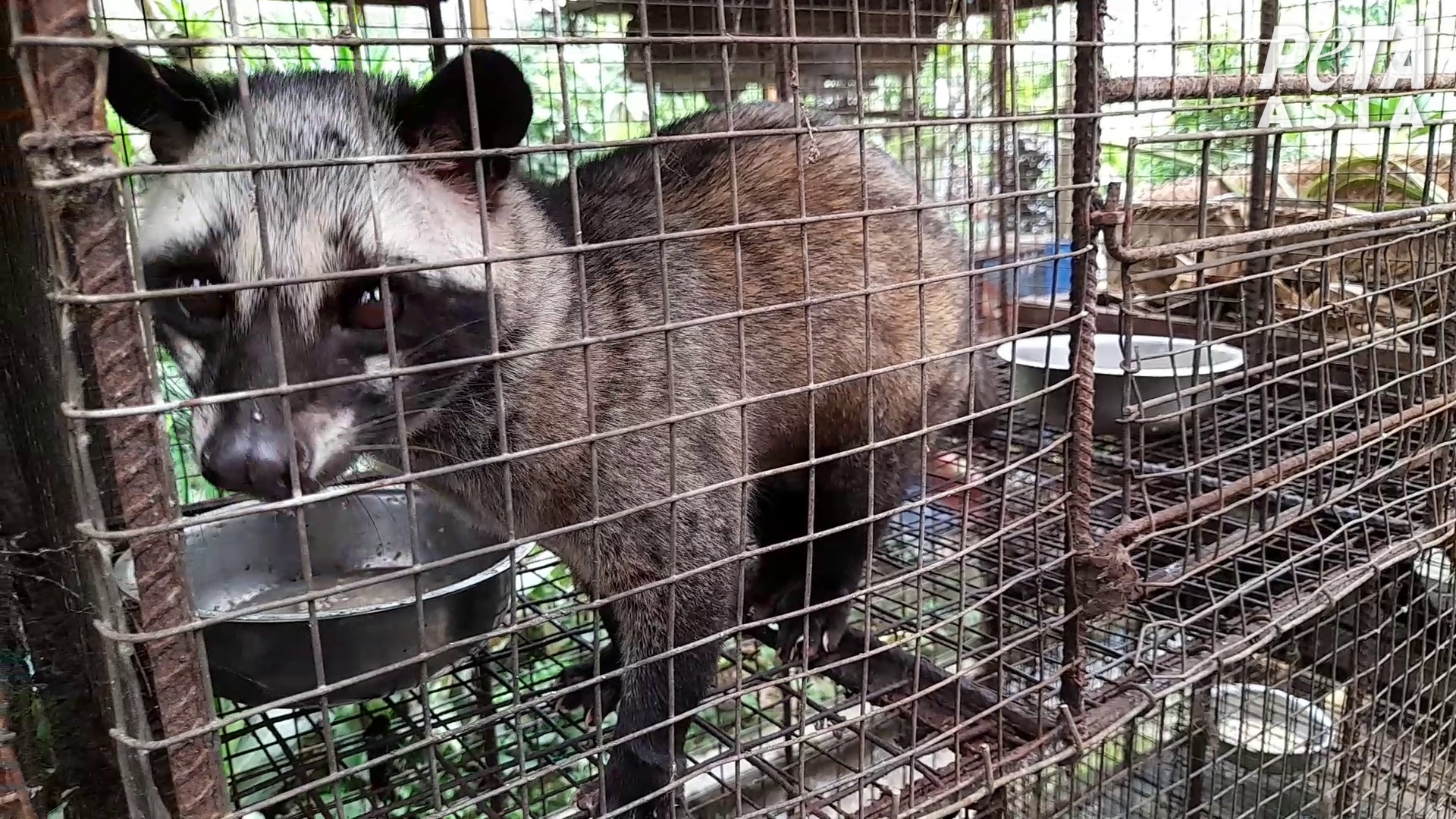
The stressed, terrified animal paces and circles, desperate to escape the filthy prison cell in which he’s forced to eat unnatural amounts of coffee berries so that his excrement can be sold as kopi luwak or “cat poop coffee.” After being ripped from his home in nature and made to endure continuous contact with humans, whom he naturally fears, this civet cat has been driven insane. He is just one of the many suffering animals our investigators filmed during multiple exposés of kopi luwak farms in Indonesia—the world’s top producer of civet coffee.
‘Wild-Sourced’ Is a Wild Lie
Since the release of PETA’s multiple investigations into the industry, spanning a decade, many businesses have made the compassionate decision to pull kopi luwak from their shelves and cut ties with this cruel industry. Others, including distributors in Japan, one of the biggest markets for kopi luwak, and retailers in Taiwan, choose to continue profiting from animals’ misery for a novelty product, despite having heard from us about the rampant cruelty.

Customers and retailers are being deceived by producers who deliberately mislabel the beans from captive civet cats as “wild-sourced.” For over a decade, PETA investigators have encountered every trick the kopi luwak industry uses to deceive the public. One farm worker told an investigator, “We label this as wild because even though the animals are caged now, they came from the wild.” Other farmers have openly admitted that gathering enough wild civet cat excrement would be nearly impossible. To mask this, some producers collect a small portion of beans from free-roaming civets, mix it with beans from caged animals, and label the product “wild-sourced.” Others have brazenly told investigators that they simply label the coffee from caged animals as “wild.” The industry knowingly obtains sham certifications or mislabels coffee from captive animals which can then be exported anywhere in the world and sold as “wild-sourced.”
Brewing the Next Pandemic
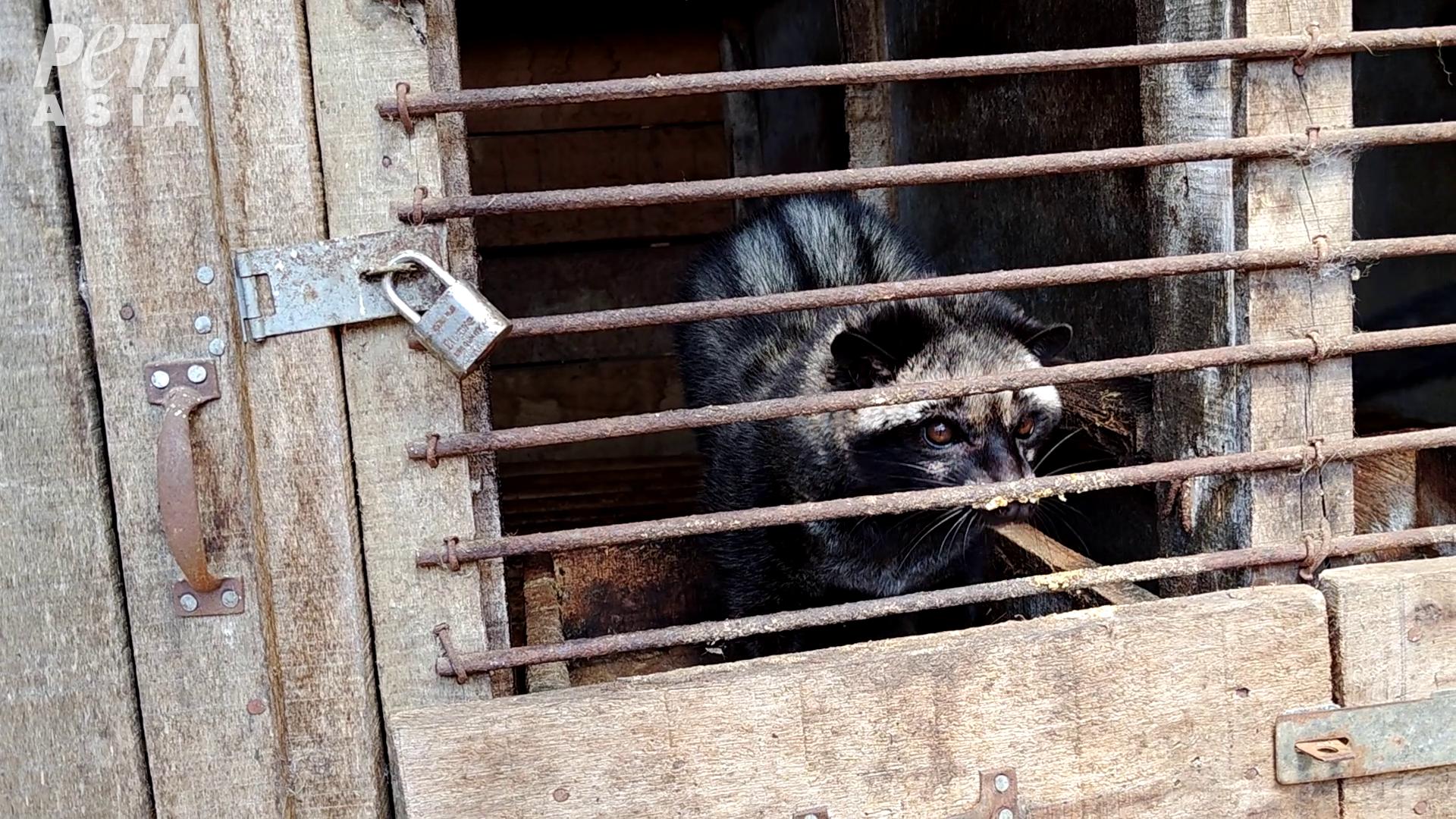
When animals are caged in their own waste and their immune system is suppressed because of stress, breeding grounds for zoonotic diseases are created. SARS, which has an estimated human fatality rate of around 15%, has jumped from civet cats to humans. Scientists have also identified civet cats as a possible “intermediate host” for COVID-19, potentially allowing the virus to mutate and pass from bats to humans. Civet cats who are “lucky” enough to survive beyond their usefulness to the kopi luwak industry are sometimes sold to live-animal markets, just like the one in which the novel coronavirus is believed to have originated, putting them in direct contact with humans and providing the perfect opportunity for SARS or some other virus to mutate and jump from one host to another.
   

It’s Time to Cut the Crap
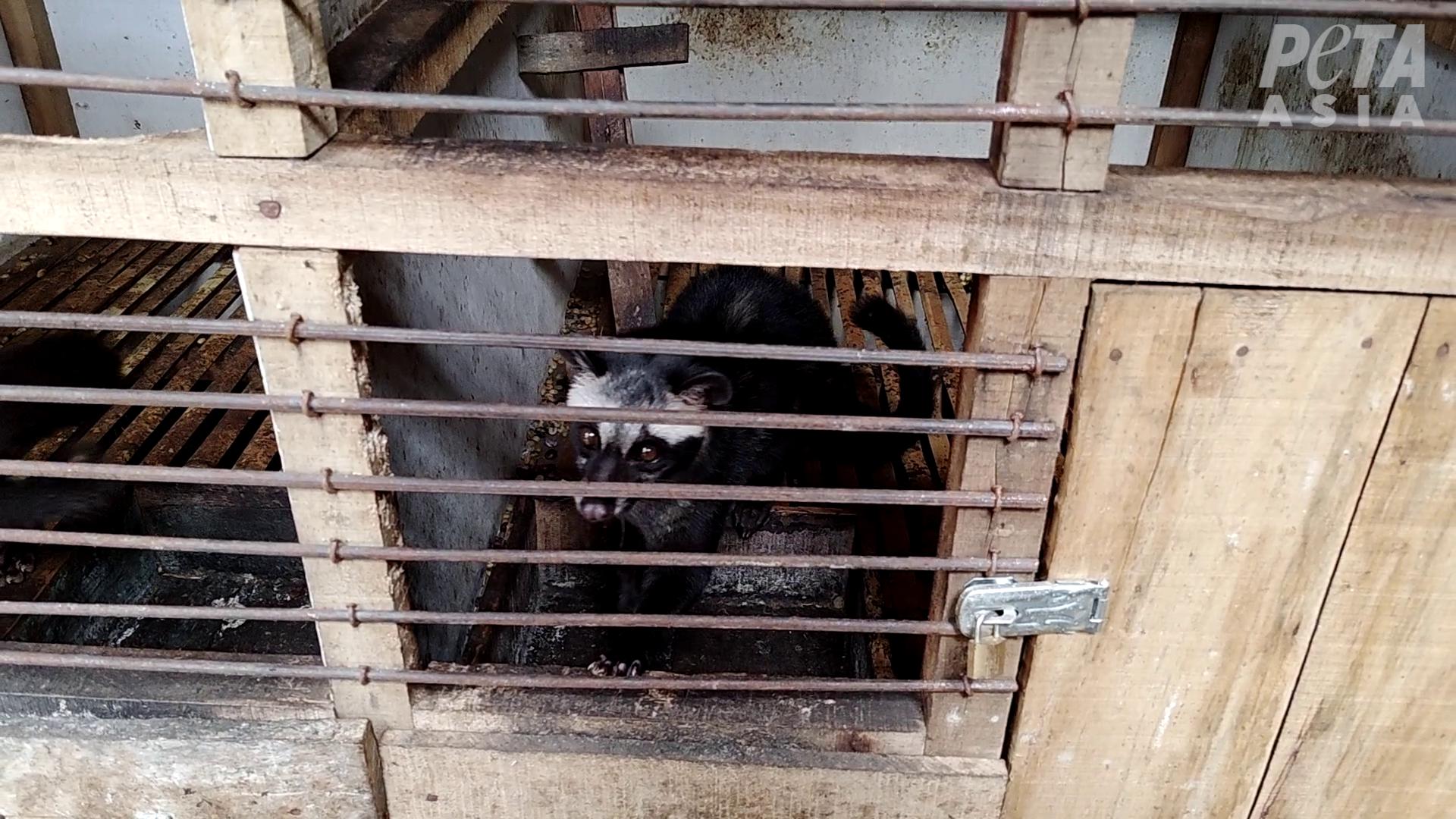
Kopi luwak isn’t a delicacy—it’s a disgrace. No matter which country you’re in or what assurances you’ve received, please don’t purchase or drink it.

PETA sent these companies evidence that “wild” civet cat coffee is essentially a lie, but they’ve ignored requests to stop selling it. Please urge them to stop funding cruelty to civet cats by ending the sale of kopi luwak today. In addition, if you see kopi luwak being sold at a retailer, please speak up! Talk to the manager, send the company a letter, and let us know about your actions.


zondag 14 december 2025

What Is Kopi Luwak? The Disturbing Story of 'Civet Cat Poop' Coffee: it isn't a delicacy- it's a disgrace ( videos )


New Footage Shows Animals Driven Mad for ‘Civet Cat Poop’ Coffee

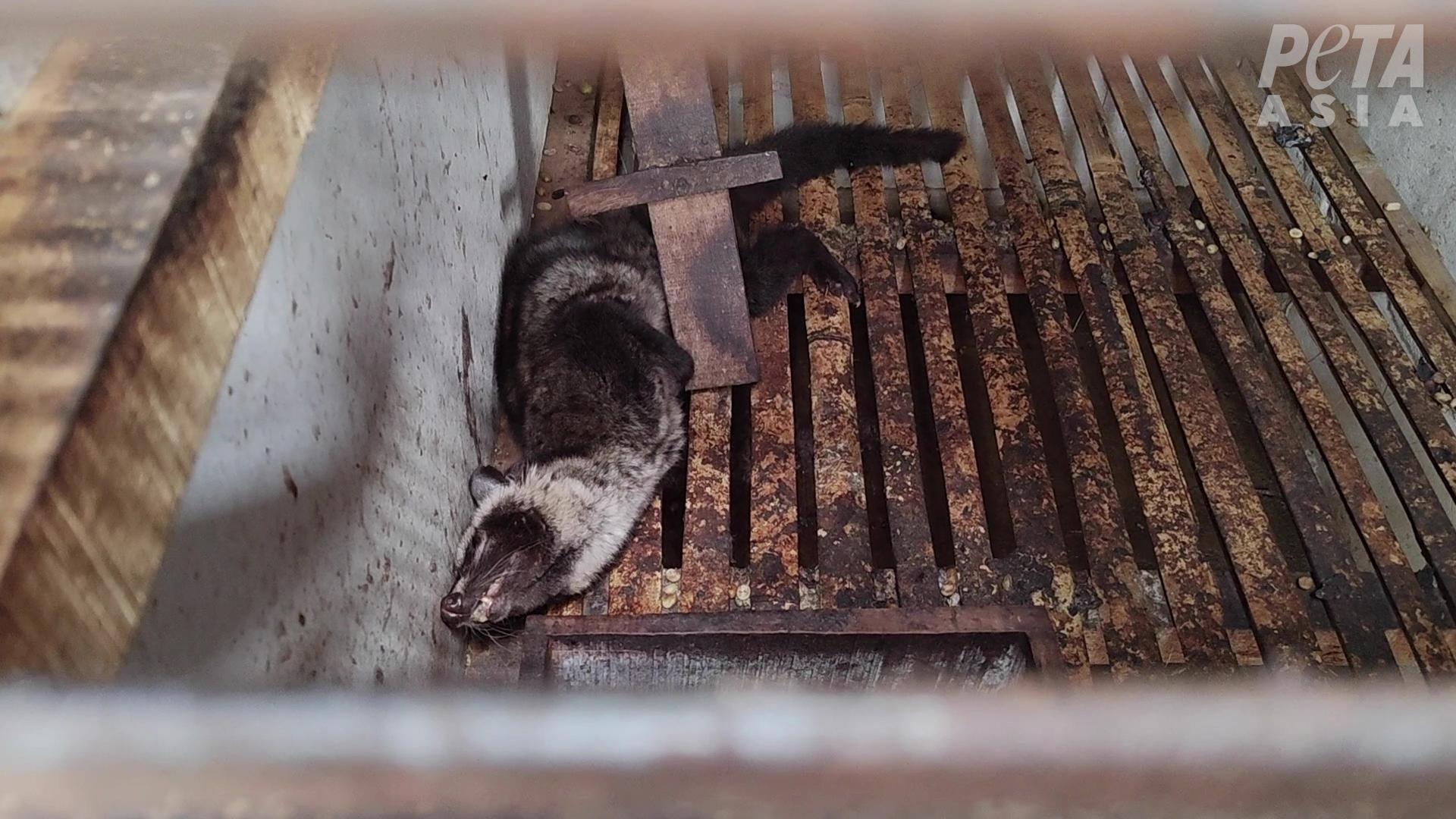
PETA Asia’s latest investigation into the cruel kopi luwak industry shows that despite an international outcry about the suffering of civet cats following our previous exposé, nothing has changed. The shocking new footage from a kopi luwak coffee farm in Indonesia reveals the toll that constant confinement to a cramped wire cage has taken on a sensitive Asian palm civet cat.

The stressed, terrified animal paces and goes in circles, desperate to escape his filthy prison cell. He has no choice but to eat unnatural amounts of coffee cherries so that his excrement can be sold for kopi luwak or “civet cat poop coffee”.

He was captured and forced to endure continuous contact with humans, whom he naturally fears, and this has driven him insane. He is just one of the many suffering animals the investigators filmed during their third look inside kopi luwak farms in Indonesia, the world’s top producer of civet coffee, earlier this year.

Although Asian palm civets are a protected species under the Convention on International Trade in Endangered Species of Wild Fauna and Flora, these most recent findings mirror what investigators uncovered during previous exposés of the kopi luwak industry: pervasive cruelty on every single farm.

PETA Asia investigators found civet cats in cages encrusted with faeces, rotting coffee cherries, and other filth. With no dark place to sleep, the nocturnal animals were deprived of adequate rest, and they panted incessantly in the inescapable heat.

The investigators saw several with open, bloody wounds who didn’t appear to have received any veterinary care. Many were losing their fur because of malnourishment. In nature, civet cats eat a naturally varied diet, but kopi luwak producers make them ingest an unhealthy amount of coffee cherries in order to maximise profits.

‘Wild-Sourced’ Is Wildly Untrue

Since the release of PETA entities’ multiple exposés of the industry, spanning almost a decade, many businesses have made the compassionate decision to pull kopi luwak from their shelves and cut ties with this cruel industry. Others, including distributors in Japan, one of the biggest markets for kopi luwak, choose to continue profiting from animals’ misery for a novelty product that no one needs, despite having heard from us about the rampant cruelty.

Customers and retailers are being deceived by producers who deliberately mislabel the beans from captive civet cats as “wild-sourced”. PETA Asia’s investigators were told that it would be nearly impossible to collect enough wild civet cat excrement to produce the coffee. One producer admitted that a small amount of beans excreted by free-roaming civet cats may be collected and mixed with the beans excreted by caged animals and then given the misleading label “wild-sourced”. Another told an investigator that he could just put a “wild-sourced” label on the coffee produced by caged civet cats. This coffee can then be exported anywhere in the world.

One farmer explained that civet cats are generally kept caged for a maximum of three years before they’re released back into nature and that the stress of confinement and lack of adequate nutrition cause them to lose their fur. One farmer told the investigator that some civet cats don’t survive after they’re released.

Brewing the Next Pandemic

The coffee is exported all over the world, even though, following the SARS outbreak in China, researchers found that the SARS coronavirus had jumped from civet cats to humans. Scientists have also identified civet cats as a possible “intermediate host” for COVID-19, potentially allowing the virus to mutate and pass from bats to humans.

Civet cats who are “lucky” enough to survive beyond their usefulness to the kopi luwak industry are sometimes sold at live-animal markets, just like the one in which the novel coronavirus is believed to have originated, putting them in direct contact with humans and providing the perfect opportunity for SARS or some other virus to mutate and jump from one host to another.
It’s Time to Cut the Crap

Kopi luwak isn’t a delicacy – it’s a disgrace. No matter which country you’re in or what assurances you’ve received, there is no ethically produced kopi luwak. Please don’t purchase or drink it.