Philadelphia Man Sentenced to Prison for Participating in Disturbing Online Monkey Torture Network
.jpeg)
This monster Monkey Koki is still active on Facebook
A man from Philadelphia, Pennsylvania, has been sentenced to 38 months in prison and three years of supervised release for participating in online groups that created and shared videos of monkeys being tortured, mutilated, and sexually abused, according to a press release from the Department of Justice.
Robert Berndt pleaded guilty in May to conspiring to create and distribute these horrific “animal crush videos.”
Court documents state that Berndt conspired with others to use encrypted messaging platforms to send money to people in Indonesia who carried out the specific torture requests against baby and adult monkeys on camera.
https://actionforprimates.org/index.php
In 2021, Lady Freethinker and Action for Primates exposed the hidden online network dedicated to the abuse of baby monkeys after uncovering a private group that paid for custom torture videos. Findings from our investigations were shared with law enforcement agencies worldwide and also contributed to the BBC documentary “The Monkey Haters.”
Since that time, numerous individuals involved with these groups have been charged and convicted.
The cruelty inflicted on these defenseless monkeys is both devastating and unacceptable. Although Berndt’s sentence is an important step, dismantling these networks will require continued scrutiny, enforcement, and public pressure. Lady Freethinker remains committed to exposing this abuse and pushing for justice until all animals are free from exploitation.
https://ladyfreethinker.org/wp-content/uploads/2025/09/Scrolling-Through-Cruelty-A-Report-by-Lady-Freethinker.pdf Cruelty Report
A new report compiled by investigators at Lady Freethinker, Scrolling Through Cruelty, reveals thousands of disturbing videos circulating openly on major social media platforms, where animals are tortured and killed, forced into staged rescues, pitted against one another in fights, and even sexually abused — all for views, clicks, and profit.
Collectively, these videos racked up an astonishing 1 billion+ views.
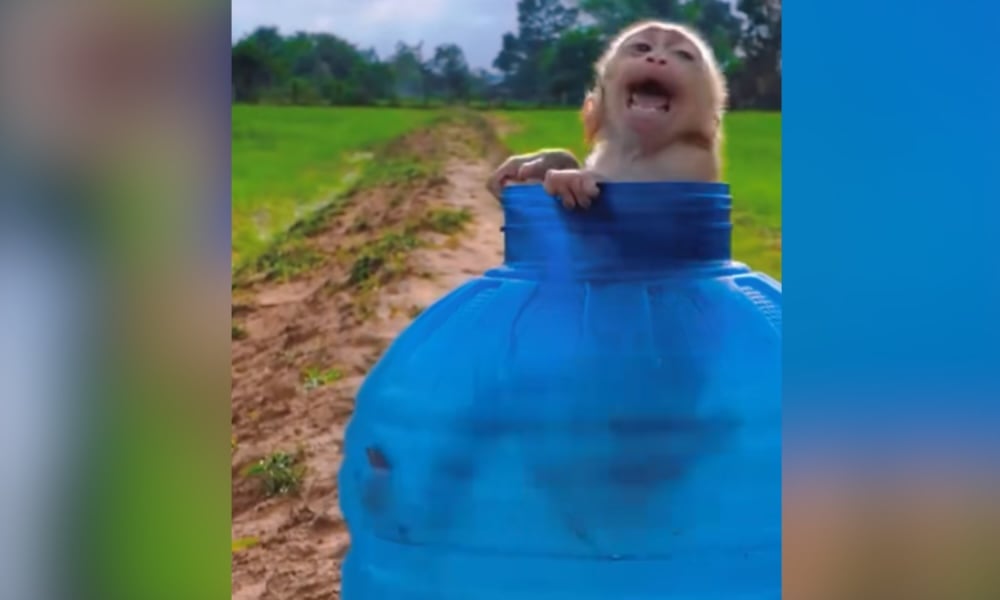
Baby monkey trapped in jug in social media video
The most common animal cruelty content documented was monkey torture, animal fighting, and fake rescues, where animals are deliberately put into dangerous situations so perpetrators can film dramatic “rescues.”
Some videos showed dogs, cats, snakes, roosters, and other animals forced into fights, while others displayed puppies, kittens, and chickens being crushed, burned, or subjected to sexual violence.
Researchers also found extensive evidence of viewers of this content being funneled from social media platforms to encrypted messaging apps like Telegram, where longer and even more horrifying videos are shared, sold, and requested by paying customers.
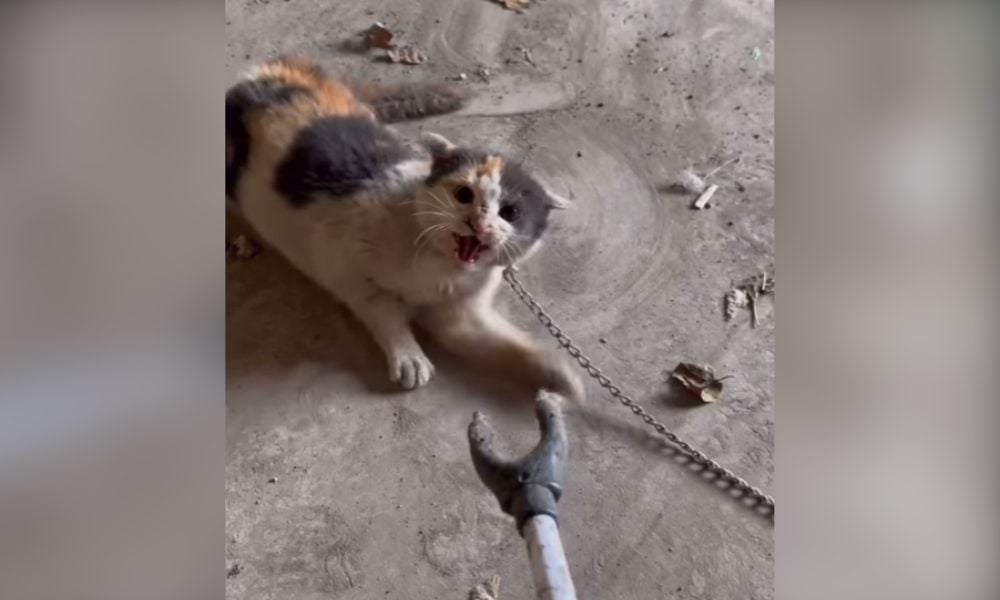
Cat tormented in social media video
The Scope of the Problem
Between May 1 and June 30, 2025, LFT investigators identified 2,341 links to animal cruelty content across Facebook, Instagram, TikTok, YouTube, and X (formerly Twitter). Of those, 1,744 were still active at the time of analysis.
Facebook was by far the worst offender, hosting more than three-quarters of the videos, with TikTok, YouTube, X, and Instagram each hosting smaller but still significant shares. Nearly all of the monkey torture content identified (95%) was found on Facebook.
Why It Matters
These videos depict unimaginable suffering for innocent animals who are beaten, starved, abused, and killed in the name of entertainment. The platforms also incentivize the creation of these videos by allowing creators to profit, promote, and grow their profiles through posting viral clips.
Additionally, this content causes harm to people — especially children — who are exposed to cruelty disguised as humor, “cute” videos, or even education. Researchers warn that this exposure can desensitize viewers, normalize violence, and encourage copycat abuse.
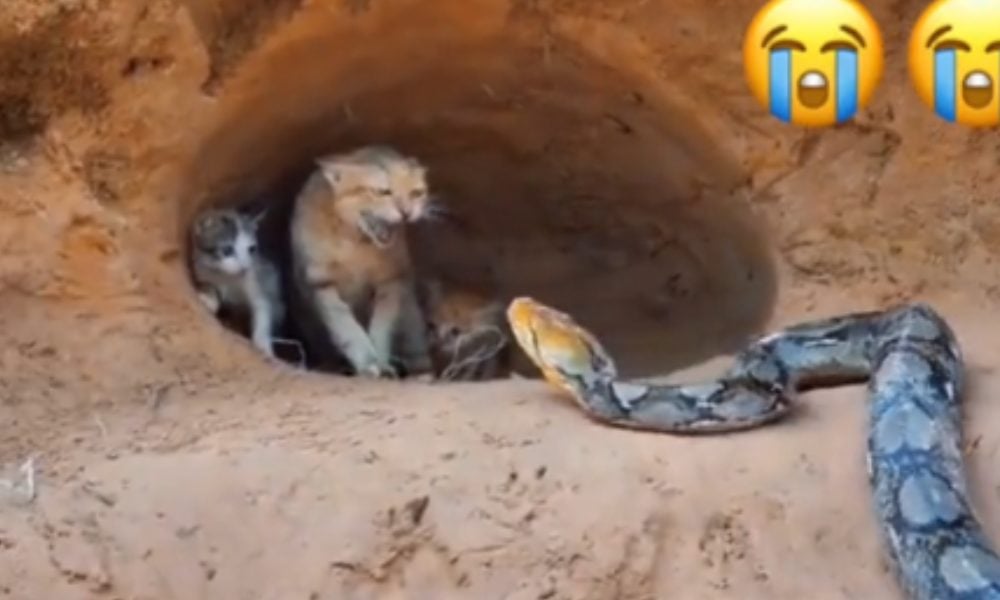
Snake attacking cat in social media video
Platforms Failing to Protect Animals
Despite having policies against showing animal abuse on their platforms, social media companies are failing to enforce them effectively. LFT’s team never ran out of new cruelty content to document — new content was uploaded daily — and reporting rarely resulted in its removal.
What Needs to Change
- Social media companies have to adopt clearer and stronger bans on animal-cruelty content, and proactively prevent, regulate, and remove it.
- Lawmakers need to pass stronger laws to criminalize the creation and sharing of this content to protect children and vulnerable users.
- The public must report this content to platforms, authorities, and to Lady Freethinker’s e-tipline: reportposts@ladyfreethinker.org.
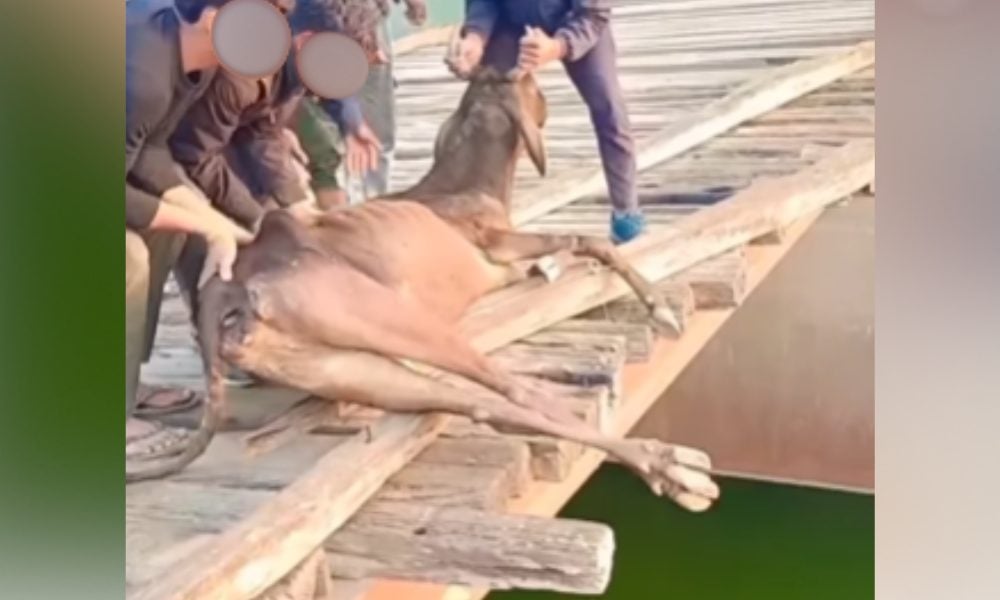
Cow pushed into river in social media video
Take Action
No animal should be tortured, staged in a fake rescue, or killed for clicks. Join us in calling on social media platforms and lawmakers to crack down on this horrific abuse.
Please sign our petition to demand that Facebook take urgent action to remove and prevent the spread of animal cruelty content.
We also encourage you to read and share our full report as widely as possible, including with local and federal lawmakers.
By Evan Shamoon | 2025

Geen opmerkingen:
Een reactie posten