Translate

zaterdag 31 mei 2025

Chinese fast fashion-gigant Shein sluit zich aan bij een verbod op bont en huiden van wilde dieren waaronder H&M, Burberry, Chanel, Nike, en honderden meer ontwerpers en winkels


Foto: Chinese fast fashion-gigant Shein

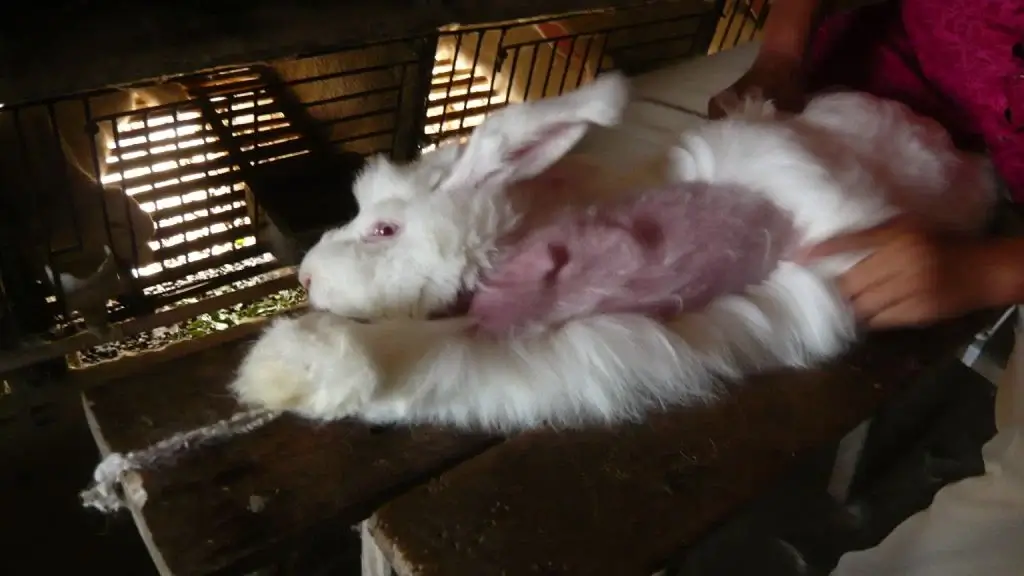
Na het horen van PETA US over hoe vossen, konijnen, struisvogels en andere wilde dieren lijden in de mode-industrie, heeft retailgigant SHEIN externe verkopers toegevoegd aan haar bedrijfsbrede verbod op bont en huiden van wilde dieren. Het beleid omvat nu alle artikelen die gemaakt zijn van de huiden of veren van struisvogels, alligators en andere dieren die als “exotisch” worden beschouwd.
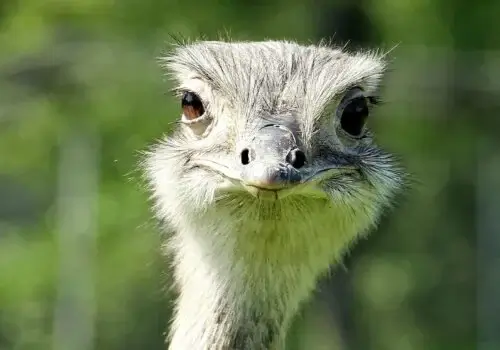
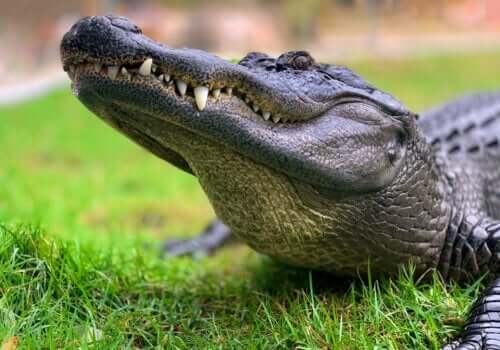
Elk dier is iemand
Elke jas van konijnenbont of handtas van krokodillenleer is het resultaat van intens lijden en de dood.
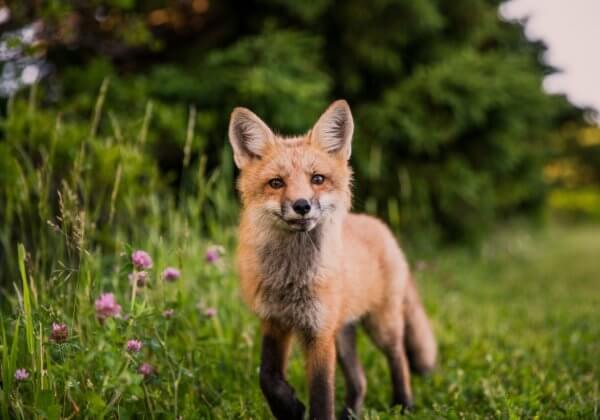
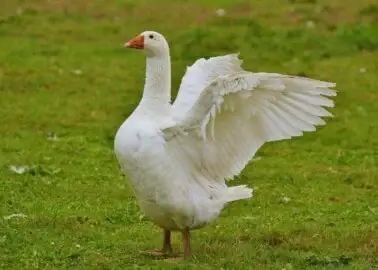
Vossen gebruiken hun pluimstaart om geursporen te verspreiden en zo met elkaar te communiceren, struisvogels zorgen tot wel drie jaar lang voor hun jongen, en krokodillen zijn toegewijde moeders die hun eieren zorgvuldig beschermen tegen roofdieren.

Dieren gedood voor mode
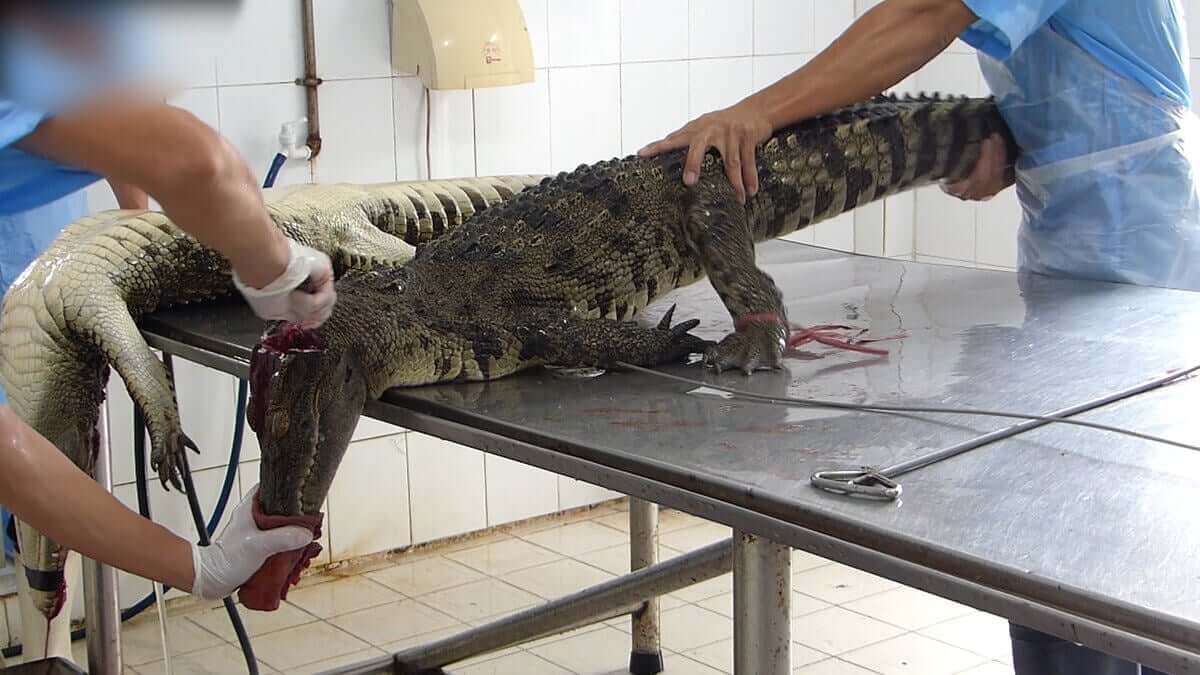
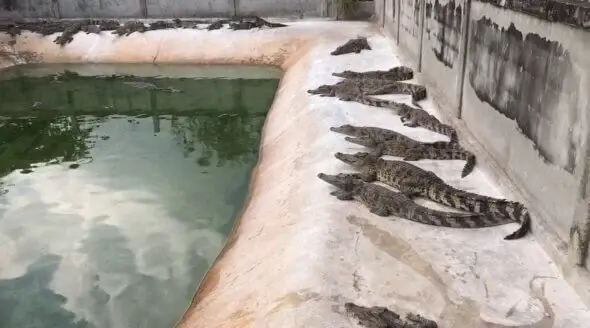
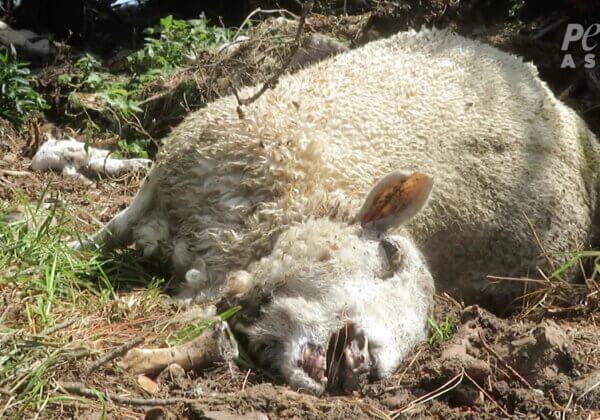
PETA-entiteiten hebben tientallen onderzoeken uitgebracht die wreedheid onthullen tegenover dieren die voor kleding worden uitgebuit. Beelden tonen hoe arbeiders konijnen doodslaan en chinchilla’s elektrocuteren voor hun bont, jonge struisvogels slachten en krokodillen in hun nek hakken en metalen staven in hun ruggengraat duwen in een brute poging hen te doden voor hun huid.
De toekomst van mode is vegan
SHEIN sluit zich aan bij honderden grote ontwerpers en winkels – waaronder ASOS, Burberry, Canada Goose, Chanel, Nike en H&M – die bont en huiden van wilde dieren verbannen hebben.

PETA roept andere achterblijvende bedrijven op om dit voorbeeld te volgen en bont, huiden van wilde dieren en veren in de ban te doen.

Wat jij kunt doen
Elk accessoire gemaakt van exotische huiden of bont die verkocht wordt door Louis Vuitton vertegenwoordigt de gruwelijke dood van een gevoelig dier dat alleen maar met rust gelaten wilde worden. Sluit je alsjeblieft aan bij de oproep van PETA aan LVMH om exotische huiden en bont te weren uit Louis Vuitton en al haar andere merken. Stuur nu een bericht ter attentie van Bernard Arnault, CEO van LVMH.
vrijdag 30 mei 2025

Young monkeys Mini and Milo were victims of a dark, cruel and abusive network in Indonesia; The BBC uncovered this horrific trade and rescued the 2 monkeys


The 2 monkeys to the left Mini and Milo


Mini and Milo were victim of a dark, cruel and abusive network in Indonesia. Investigating this sinister world of sick and psychotic people that want to hurt others, was a real nightmare. We had to witness all the abuse Mini and other long tailed macaques went through before action could be taken. Finally, a police raid saved Mini and Milo’s life back in 2022. 

Thanks to international collaboration between police forces; thanks to organizations investigating this cruelty and all coming together to take action; thanks to the BBC for digging deep in this abusive trade; we were able to provide Mini, Milo and other rescued primates a second chance in life.

Mini during rehabilitation

Mini and Milo were rescued in September 2022 and have been in rehabilitation and care at our Long tailed Macaque rehabilitation facility in West Java. Here, the primates were nursed back to health, could leave their trauma behind, make friends, and form a new family with other rescued long tailed macaques.

M‍ilo   Jakarta Animal Aid Network ( JAAN )

After more then two years in our care, the two were ready to be released with their new family members - a beautiful group of 11 individuals with a strong Alfa male and female. After a final check up, the primates were transported to a pristine, protected forested island where JAAN Indonesia operates with permits from the Ministry of Forestry and Environment. Here, Mini and the other primates entered the pre-release cage, built inside the forest where the primates can adapt to the new surroundings and be provided forest fruits. After a few days, their cage is opened, and our team stays to monitor them after release for about four weeks. 


donderdag 29 mei 2025

Dear friends, 7 photos from the Westbank where free veterinary care for donkeys, horses and mules from busy city markets to rural areas are a lifeline for working animals


Dear Friend

Every day, our hardworking veterinary teams travel across the West Bank to bring vital free veterinary care to donkeys, mules, and horses. From busy city markets to remote hillsides, they are a lifeline for working animals and the people in the West Bank who depend on them.

Thanks to your generous support of our recent vet kit appeal, these teams - along with our vet teams in Gaza and Egypt - are now better equipped than ever.

The new equipment and medicines you helped to fund are already making a real difference - and in this week’s email, we’ll take you behind the scenes with our three dedicated vet teams, led by Dr Omran, Dr Eyed, and Dr Rakan, to show you how.

We hope you enjoy the photos - and thank you again for making this work possible.


With kindest regards,

Wendy, Safe Haven UK Office


News from the West Bank

Dr Omran and his farrier Ali, travel across the hills and countryside of the West Bank to care for rural animals. Here you can see Ali fitting a head collar to a donkey - this was made possible by your support to our recent vet kit appeal.

We provide head collars to animals in the West Bank to replace painful chain collars.

Thanks to Dr Omran’s dedication, these donkeys receive the vital medical care they would otherwise go without - from wound treatment and parasite control to hoof trimming and dental checks. All this vet care is provided free thanks to your support.

Your support to our appeal helped to fund a range of medicines and treatments.

In the bustling city of Hebron, donkeys, mules and horses are used daily to pull heavy carts loaded with fruit, vegetables, and other goods. It’s hard, physical work - and Dr Eyed and his farrier Ahmad are there to make sure these animals are as healthy and pain-free as possible.

They carry out regular welfare checks and provide essential treatments right where they’re needed, including at the city’s busy vegetable market.

Our vet teams visit a range of places - including busy markets.

Dr Rakan leads our team in the Nablus area, working alongside farriers Wael and Nour. They visit communities  to check on working animals, treating injuries, infections and other health issues. This includes hard-working builder donkeys who carry heavy loads of bricks.

Our vets provide a range of care, from treating simple wounds through to field operations such as castration.

The team also care for shepherd donkeys. These animals help herders look after their flocks in some of the most isolated and difficult-to-reach areas.

Shepherd donkeys bond with their herd and help to keep them safe.

Dr Rakan also runs our drop-in veterinary clinic at our Nablus hospital, where owners can bring their animals for free vet care. And he makes regular visits to the Arrana rescue centre to provide check-ups to our donkeys who live there.

Dr Rakan also provides free vet care from our Nablus hospital through a drop-in clinic.

Thank You ♥️♥️

Everything our vet teams do to support working donkeys, mules, and horses is only possible because of you. Your generosity helps us protect animals and support their owners across the West Bank, Gaza, and Egypt - as well as care for rescued donkeys at our sanctuary in Israel and our rescue centre and hospital in the West Bank.

Thank you for making this vital work possible.

Donate Today
Your support helped provide this young boy with a new body brush, so he can care for his donkey with kindness and confidence.
If you'd like to read previous updates of our work, please click here to visit out blog. You can also view today's update online by clicking here.

woensdag 28 mei 2025

From Concrete Cage to Forest Freedom: Felix the Bear Begins a New Life After 34 Years in Captivity


The Rescue Of Bear Felix

A remarkable new chapter for an elderly bear 


The story of an elderly Slovenian 'restaurant bear' has taken a happy turn after over three decades in captivity. At the impressive age of 34, Felix has embarked on a new chapter at BEAR SANCTUARY Arbesbach in Austria, where he will be able to live out the rest of his life in a natural and species-appropriate environment.


Bear Felix sedated and ready to leave the cage in which he lived for 34 years

Born in 1991, Felix spent his life in a small concrete enclosure next to a busy road, where he served as an attraction for restaurant guests. In May 2025, a team from FOUR PAWS transported Felix to his new forever home.


There goes Felix on his way to a free wonderful life. Thank you Four Paws

The importance of advocacy

Since 2004, it has been illegal for private individuals in Slovenia to keep bears taken from the wild, but with exceptions for those who obtained bears before the law was enacted and could not release them. In 2022 FOUR PAWS assessed the living conditions of the remaining privately kept bears in Slovenia which included bear Felix. Following protests, the two responsible Slovenian Ministries conducted inspections of bear owners and imposed sanctions to improve their living conditions. In Felix's case, the authorities were successful, and the owner agreed to voluntarily hand him over to FOUR PAWS. This marks a significant step forward for animal welfare that sets a precedent for other bears in similar situations.

We thank the authorities involved for their support and the owner of Felix for making the right decision to give Felix the chance of a better life. But bears Mici and Tim are still suffering and continue to live in cruel, substandard conditions without specialised veterinary care. FOUR PAWS therefore appeals to their owners to follow the example of Felix's owner and we call on the authorities to continue working to end the private keeping of bears in Slovenia once and for all.

Enjoying the fresh air and sunshine


Still showing a zest for life

For bear Felix, decades of inappropriate living conditions have likely contributed to various health problems. During his time in captivity, Felix developed degenerative joint disease, resulting in stiffness in his hind legs, and his eyesight also appears to be impaired. However, despite these challenges and his advanced age, Felix remains curious and food-oriented, displaying a zest for life. During his health check Felix was also dewormed and vaccinated so that he is ready for the transfer to BEAR SANCTUARY Arbesbach soon.

Bear Felix should also not be confused with another brown bear named Felix, who has been in our care at BEAR SANCTUARY Müritz in Germany since 2007. For 12 years, he also lived in a small concrete enclosure and since arriving at the sanctuary he has transformed from a very shy and reserved bear into a self-confident and curious one.

A new home, a new chapter


After his time in Quarantine, Felix will also be able to play in a pool of water.. Have a great live Felix you deserve it !!

After an eight-hour journey from Slovenia to Austria, we are thrilled to say that this gentle soul arrived safe and sound at BEAR SANCTUARY Arbesbach. This mission was not easy—as it has been nearly three years since we began our work to help the saddest bears in Slovenia, but it is an indescribable feeling to see results like this.

Now, Felix will have time to adjust to his new surroundings, while his dedicated caretakers provide everything he needs to feel comfortable and welcome in his forever home. On the first night of his arrival, he snuggled up in his warm bed filled with straw and had a well-deserved long sleep. For the first few weeks, Felix will stay in the adaptation enclosure, allowing the team on-site to monitor him closely before he is released into his large forest enclosure. 

We want to extend our gratitude to the authorities who supported this mission and to the owner who made the right decision in allowing Felix the chance at a better life. And, of course, a heartfelt thank you to everyone who has been part of Felix’s journey and continues to support our mission to make his world a better place. 

Felix's story reminds us of the importance of raising awareness and fostering change for those who cannot speak for themselves. Together, we can work towards a future where all animals are treated with the respect and care they deserve.

Settling in well to his forever home

It’s been just over a week since bear Felix arrived at his new forever home in our BEAR SANCTUARY Arbesbach, and we’re thrilled to say that he continues to settle in beautifully! While he’s still in quarantine for a little longer, he’s adapting well and showing a healthy appetite especially for favourites like grapes, apples, and anything with honey or jam. 

His meals also serve a medical purpose: his painkillers (for his teeth and hind legs) are hidden in bread with jam — a combination he knows from his past keeping and that he still enjoys very much. Lately, he’s luckily started a healthier bear diet — trying cucumbers and carrots, and we’re gradually introducing more vegetables and nuts into his diet to make sure he gets all the nutrients he needs. 

After eating, Felix typically retreats to his cosy straw bed for a long and well-deserved nap. Although his enclosure is smaller due to quarantine, he’s making good use of it and doesn’t seem to be disturbed by the presence of his caretakers. In the outdoor section of his space, he continues to have fun digging in the soil and even unearthed a few sizeable rocks, showing he still has impressive strength. 

The Arbesbach team have not settled on the perfect nickname for him yet, but we’re sure that with neighbours like 'Queen' Brumca, 'Big Boy' Erich, and 'Teddy Bear' Mark, it’s only a matter of time before Felix earns a title of his own!


maandag 26 mei 2025

De rechter in Spanje heeft 'Toro de la Vega' een toernooi waarbij een stier door het veld werd gejaagd en met lansen gedood, verboden


Toro de la Vega blijft verboden | Foto: Aitor Garmendia / CAS International / AnimaNaturalis

Toro de la Vega was een toernooi waarbij een stier door een veld werd gejaagd en met lansen gedood. In 2016 werd het doden en verwonden van de stier verboden. Het stierenfeest werd omgezet naar een stierenren zonder lansen en bloed. Dit gebeurde dankzij jarenlang campagnevoeren door de Spaanse partij voor de dieren PACMA en CAS International, met steun van Spaanse organisaties. In 2022 probeerde de gemeente het evenement nieuw leven in te blazen met divisas — het bevestigen van een embleem met daaraan een harpoen van 9 cm op de huid van de stier.  

PACMA startte drie jaar geleden een juridische procedure hiertegen. Het Hooggerechtshof van Castilië en León oordeelde dat met deze aanpassing de essentie hetzelfde bleef. Nog altijd verwonden mensen de stier voor publiek vermaak. Het hof benadrukte dat er geen veterinair bewijs is dat aantoont dat een evenement met divisas minder pijnlijk of schadelijk zou zijn voor het dier. Estefania Pampin Zuidmeer, campaigner bij CAS, was in 2015 in Tordesillas om het gruwelijke evenement te filmen: 

“We mogen onze aandacht niet verslappen: zolang er juridische mazen bestaan, zal de gemeente Tordesillas blijven proberen de wet te omzeilen. Het bevestigen van divisas is niets anders dan een andere manier om het lijden van de stier te rekken. De stier wordt nog steeds gemarteld – alleen zou zijn doodstrijd achter de schermen gebeuren.”

Toro de la VEga 2022

Toro de la Vega 2022 | Foto: CAS International / AnimaNaturalis

Tradities geen vrijbrief voor dierenmishandeling

Volgens burgemeester Miguel Ángel Oliveira werd met het schrappen van het dodelijke element aan de wet voldaan. “Wij willen de traditie behouden, zonder het dier te doden,” aldus een gemeentewoordvoerder. Echter, het hof deelt dat standpunt niet. Elke handeling waarbij het dier wordt verwond, geprikt of geslagen — hoe ‘symbolisch’ ook — blijft verboden. Maite van Gerwen, directeur van CAS International: 

“Hiermee maakt de rechter duidelijk dat tradities geen vrijbrief zijn voor dierenmishandeling.” 

Einde Toro de la Vega 


Sinds 2006 voerden we, samen met PACMA en later ook Humane World for Animals (voormalig HSI), campagne om een einde te maken aan Toro de la Vega. Met onze campagne Rompe una lanza (‘Breek een lans’) werd het bestaan van Toro de la Vega in Spanje breed onder de aandacht gebracht. Dit leidde tot groeiend maatschappelijk verzet. 

Ook vanuit Nederland is jaarlijks meegedaan aan protesten. Hiermee maakten we duidelijk dat dit dierenleed niet alleen in Spanje, maar in heel Europa op weerstand stuitte. Waar in het begin vrijwel niemand buiten Tordesillas van Toro de la Vega had gehoord, groeide de beweging in de loop der jaren uit tot een brede coalitie van organisaties en betrokken individuen die zich inzetten voor een verbod. In 2016 werd het verboden en omgezet naar een stieren ren zonder lansen en bloed.  

In 2015 maakten we met AnimalsToday  (voorheen PiepVandaag) een documentaire, om aandacht te vragen in Europa voor het dierenleed tijdens dit stierenfeest. Bekijk de documentaire hieronder: 

Onze strijd in Tordesillas is nog niet voorbij. Zolang stieren worden ingezet bij stierenfeesten (ook zonder bloed en het doden van de stier) blijven wij strijden voor een volledig verbod. Samen met AnimaNaturalis voeren we de campagne  Blood Fiestas om dit dierenleed onder de aandacht te brengen. In 2022 deden we nog aangifte tegen de gemeente van Tordesillas en de organisatoren van het evenement. De stieren ren werd toen namelijk gehouden zonder autorisatie vanuit de deelstaat Castilië en León.  

Teken onze petitie en steun het verzet tegen deze wrede tradities. 

Help ons zodat we door kunnen gaan met onze impactvolle campagnes! Doneer eenmalig of word donateur.