
Up and down steps all day. When they rest for a while there is no shade and no water.
https://www.animalactiongreece.org/
https://secure.peta.org.uk/page/67583/action/1 Petition
In a controversial decision, the Greek Ministry of Rural Development and Food has significantly relaxed protection measures for working donkeys, horses, and mules during extreme heat . While these animals were prohibited from working at all in 2023 when temperatures exceed 39°C, this ban now applies only between 1:00 PM and 5:00 PM when temperatures exceed 35°C. Animal welfare organizations call it a dangerous step backward, creating a "torture window" for exploited working animals.
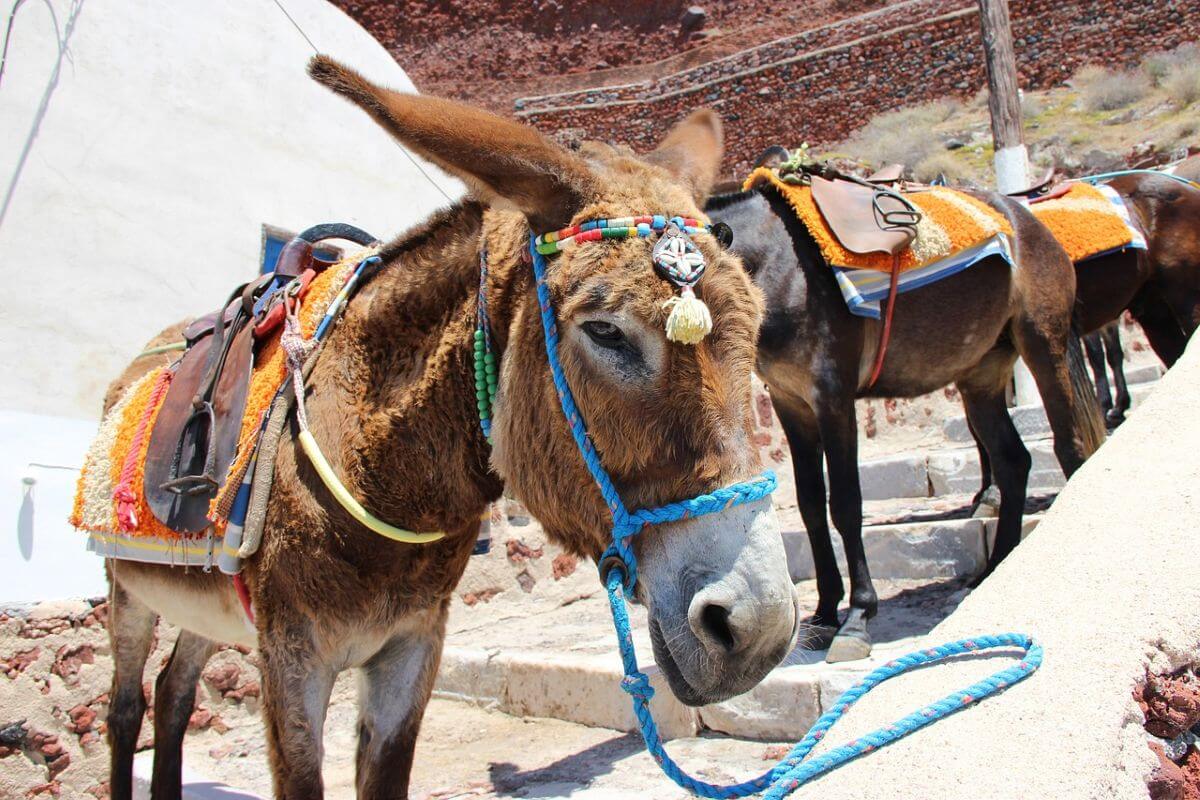
Greece is experiencing increasingly intense and prolonged heatwaves . Temperatures regularly exceed 40°C, nights offer little relief, and extreme weather conditions are becoming the new norm. In 2023, the country experienced its longest heatwave ever recorded, with temperatures exceeding 40°C for weeks. This climate change impacts not only Greece's residents and visitors, but also its working animals, who have no choice or shelter.
Meteorological data shows that heatwaves in 2025 will be at least as severe as in previous years. Despite this, the Greek government has decided to relax protection measures for working animals. This decision contradicts the advice of animal welfare experts.
Centuries-old 'tradition' under pressure
Donkeys, horses, and mules have been used for centuries as cheap labor in daily life in Greece, especially on the islands. What once began as a necessity is now largely a tradition that comes at the expense of the animals. They are still used for tourist trips, carrying heavy loads, and tasks for which alternatives have long existed.
The problem is that this traditional role increasingly clashes with modern insights into animal welfare and the realities of climate change. Especially during the tourist season, when cruise ships bring thousands of visitors to the islands daily, the animals are severely overburdened.
From protection of working donkeys to relaxation
Until 2023, a rule was in effect that actually protected animals: at temperatures of 39°C or higher, donkeys, horses, and mules were not allowed to work at all. This scientifically based measure recognized what every veterinarian knows: extreme heat is fatal for working animals.
But in 2025, the Greek ministry decided to weaken this protection. The new rules create a "torture window": animals can once again be exploited in the blazing morning sun and scorching afternoon heat, as long as a few hours' rest is provided between 1:00 PM and 5:00 PM.
The result is predictable: exhausted donkeys lugging tourists around in temperatures of 40°C on Santorini or Hydra, for an industry that puts profit above well-being.
Why this dangerous relaxation?
The question that preoccupies both animal welfare organizations and citizens is: why this step backward? There are no new scientific insights that justify this relaxation. On the contrary, climate change makes stricter protection even more necessary. The relaxation also does not appear to be the result of recommendations from scientific committees or consultation with veterinarians. Moreover, it came at a time when the EU is working on a new, stricter strategy for the welfare of working animals, and while public awareness of animal rights is growing. The Greek decision therefore appears to go against the European and international trend.
Many organizations therefore suspect that pressure has been exerted by commercial interests: entrepreneurs who see animals as instruments for profit, not as living beings with needs and rights.
Tips for responsible tourists
The easing of heat restrictions in Greece is unfortunately not an isolated incident, but part of a broader culture where animal welfare is subordinated to economic gain. From the neglected cows on Kos, kept in parking lots and other unsuitable locations for EU subsidies, to the exploited donkeys on Santorini. Only through collective pressure from tourists, animal welfare organizations, and the international community can we hope that Greece will return to stricter protections for its working animals.
What can tourists do for working donkeys and horses:
Visitors to Greece can make a big difference themselves. Here are a few tips:
- Avoid donkey rides, no matter how romantic they're presented. Take the cable car or use your own two feet.
- Support animal-friendly tour and accommodation providers that do not use animals for transport or entertainment.
- Report abuse to local animal organizations if you see animals suffering or being abused.
- Share your experiences through reviews and social media so that other travelers are better informed.
Source:
- KeepTalkingGreece
- Also read on Animals Today:
©AnimalsToday.nl Liesbeth Riekwel

Geen opmerkingen:
Een reactie posten