143 macaques rescued from smugglers in Sa Kaeo Thailand
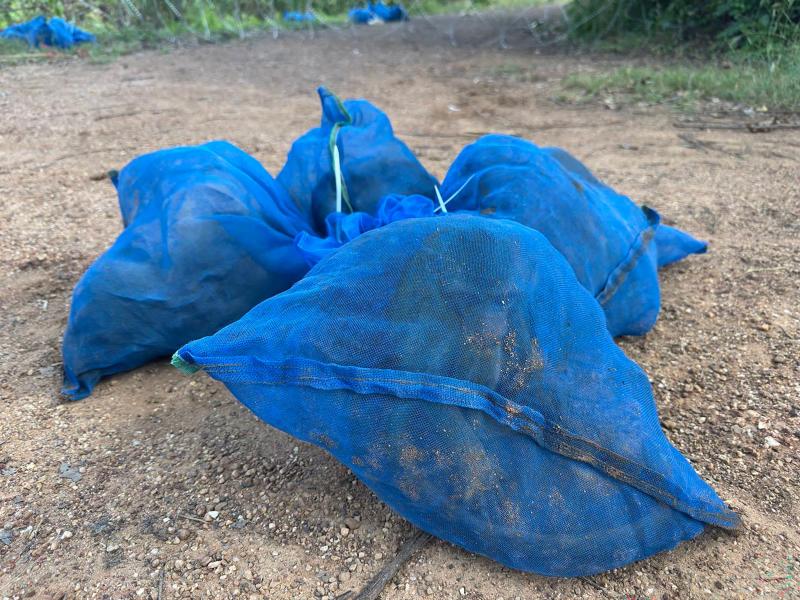
Rangers in Sa Kaeo seize mesh bags containing crab-eating macaques, intended to be smuggled out of Thailand on Friday. (Photo: Department of National Parks, Wildlife and Plant Conservation)
Patrolling rangers rescued 143 protected crab-eating macaques from two smuggling operations in Sa Kaeo and arrested two suspects on Friday.
The first attempt was in Ban Khao Chong Kab village 2, Khlong Hat district, where rangers heard unusual animal cries from a sugarcane forest, Yotsawat Thiansawat, director of the Protected Area Regional Office 1, said.
The team found 10 plastic baskets with blue mesh bags containing 62 macaques—44 males and 18 females—in poor condition due to improper treatment and cramped spaces.
On the same day, a suspicious dark grey Toyota Revo was spotted in tambon Phan Suek, Aranyaprathet district. Rangers noticed the vehicle entering a sugarcane forest, with some individuals unloading blue mesh bags from the truck bed.
When the officials attempted to inspect, the driver sped away but was eventually intercepted in tambon Khlong Nam Sai of this eastern province bordering Cambodia.
Two people on the vehicle, identified only as Suwat, 38, and Suebphong, 40, were arrested, claiming they were only hired to drive.
A search of uncovered 30 male and 51 female weary macaques, along with a small amount of drugs.
All of the seized animals were being cared for at the Wildlife Rescue Centre No.2 in Chachoengsao province, Mr Yotsawat said.
The captured wild monkeys are believed to have been smuggled out of the country for use in traditional Chinese medicine and are also intended for use in laboratory testing abroad.
Authorities rescue macaque monkeys in blue mesh bags from a wildlife smuggling operation in Aranyaprathet district in Sa Kaeo province near the Thailand-Cambodia border on Friday. (Photo: Royal Thai Army)
You have been following the story of tiger Tajmir – rescued from dire keeping conditions in Czechia, to a temporary care in a zoo, to a road trip across Europe in a Big Cat Ambulance… to finally settle in in his forever home: FELIDA Big Cat Sanctuary.
https://www.felida-bigcatsanctuary.org/nl/onze-verhalen/fotogalerijen/felida-galerij Enjoy !! Photo Gallery
We can finally put a end to the unfortunate tale that Tajmir’s life was before seeing his fate take a turn, and start writing a new one: beginning with his arrival in his lifelong home! The tiger adapted exceptionally well to his new surroundings, curiously taking in all the new smells and sounds from his new big cat neighbours.
Many challenges could have jeopardised this large-scale, cross-border big cat rescue mission, but your support helped us offer this tiger in need of help, the life he truly deserves.
Whilst we are delighted to see the tiger finally show natural behaviours in his new environment, Tajmir needs extra care and monitoring due to his age. FELIDA Big Cat Sanctuary, with its cutting-edge medical facilities and expert caretakers, is THE perfect place for an older tiger like Tajmir to enjoy life peacefully.
Tajmir was one of the rare victims of the ruthless trade lucky enough to get his story rewritten, all of this thanks to the collaboration between the authorities and dedicated animal welfare specialists.
This is the confined enclosure Tajmir the tiger had to pace back and forth in for over ten years.
He had no access to species-appropriate food, no enrichment, and limited space to exercise — nothing that a tiger needs to live a healthy, fulfilling life. Like many other victims of the wildlife trade, Tajmir suffered his entire life for nothing but human profit and entertainment.
Born in Czechia in 2013, Tajmir came from a facility where big cats are bred for profit. Just two years later, he was placed in this inadequate enclosure. As is often the case, his owner couldn't meet even the basic legal requirements to care for a tiger. When financial trouble hit and the situation worsened, Tajmir was simply abandoned.
Thankfully, local authorities stepped in. Tajmir was confiscated and temporarily relocated to a zoo where he is finally receiving the urgent care he needs to regain his strength for the journey ahead.
Tajmir is one of the rare “lucky” ones — a victim of this ruthless trade who now has a second chance. A turn of events that would not have been possible without enforced animal welfare laws, our dedicated team, and your incredible support.
Now, we want to bring Tajmir to our FELIDA Big Cat Sanctuary in the Netherlands — a place where he can finally live like a tiger should.
➡️ Many animals are still suffering from illegal wildlife trade, and helping can be as easy as a click: https://www.four-paws.org/campaigns-t...
Our reporting tool is available worldwide to denounce activities regarding the commercial exploitation of big cats online!
#tigerrescue#FOURPAWS#bigcats
Please donate to your local FOUR PAWS office should your country have one. This ensures you maximise the appropriate tax deductions according to your country's tax code.
FOUR PAWS International
🫴 DONATE: https://donate.four-paws.org/s/
❤️ ADOPT: https://www.four-paws.org/get-involve...
The first side enclosures as part of our new coconut monkey project have been completed, and six rescued macaques have moved in.
Monkey Kim: Breaking the chains leaving huge wounds that will now receive good veterinary care
Khai Lek, Gold, Charlie, Kim, Lek, and Odd are now settling into their brand-new side enclosures — marking an exciting milestone in our long-term Coconut Monkey Project, a mission to end the cruel use of macaques in Thailand’s coconut industry.
Coconut monkeys endure some of the most harrowing conditions, often arriving at our sanctuary with severe emotional trauma and complex medical issues. When not working, they are usually tethered or locked in cages.
A first step in our ambitious plans
The completion of these first side enclosures is a significant achievement. Without enclosures, we cannot rescue more coconut monkeys. Our goal is to eventually integrate them into large social group sharing a big, natural, open field.
We plan to create many more fields with side enclosures to take in many more coconut monkeys, but this depends entirely on funding. Our ultimate goal is to build large habitats, where coconut monkeys can rediscover life as macaques – climbing trees, forming friendships, and living safely with their own kind.
We would like to extend our heartfelt thanks to WWAR,www.wwar.nl Olsen Animal Trust, and all our kind donors who made these first enclosures possible. This is an ambitious project, and it can only continue with your support.
Please make a donation today to help end this cruelty and give more monkeys a second chance.
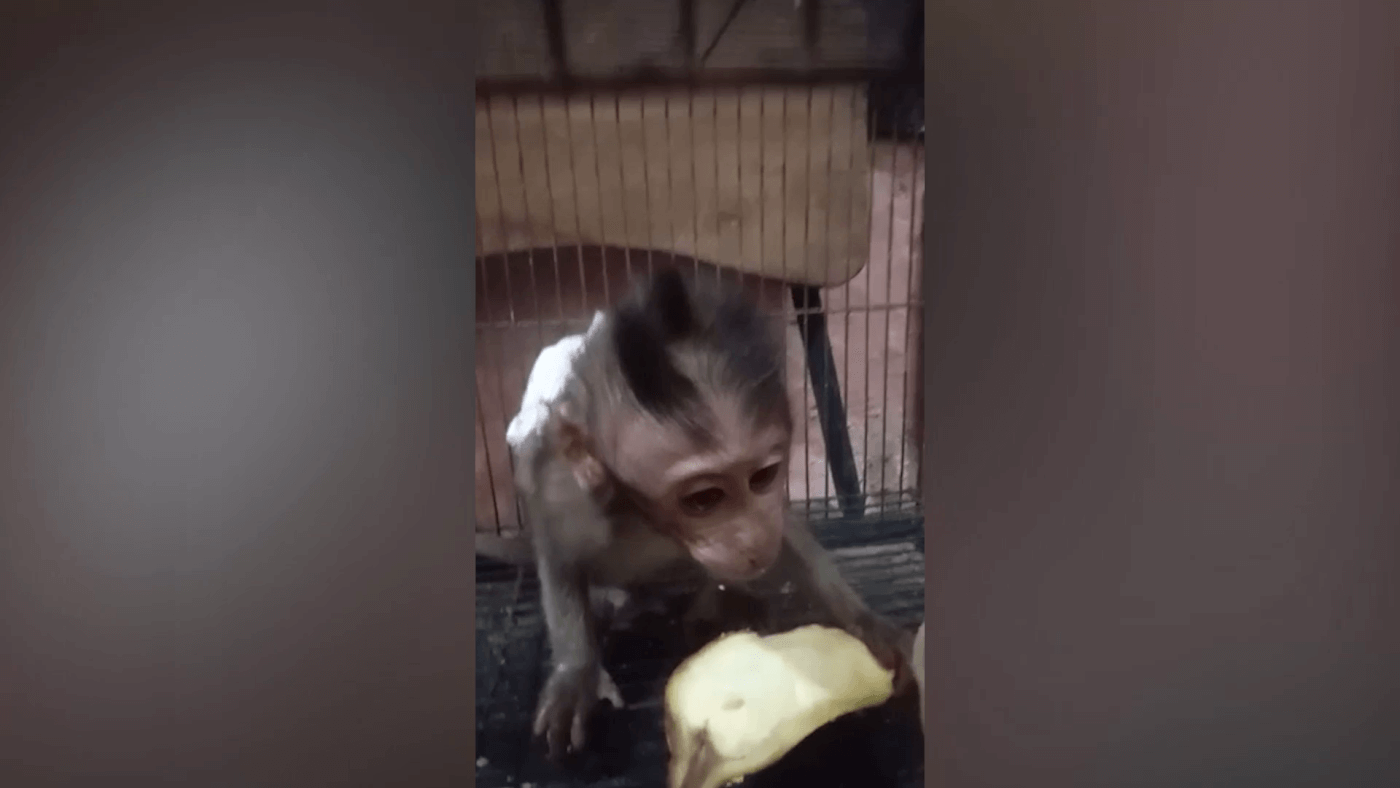
Video taken in 2022 (Jakarta Animal Action Network)
Bali Tourists Beware: Suffering for Sale
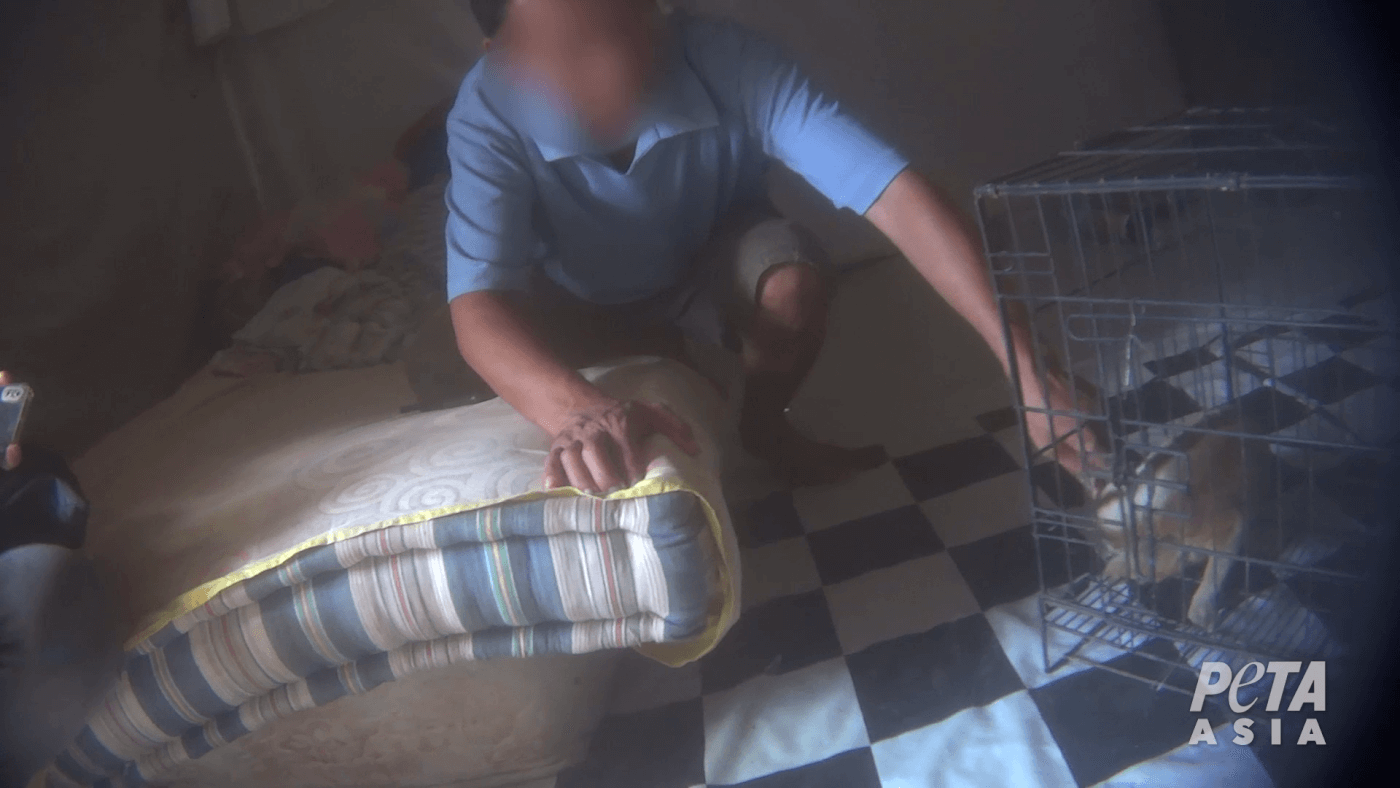
Obtaining animals in order to sell them is a horrific business. Baby monkeys are often illegally abducted from their jungle homes after hunters kill their mothers.
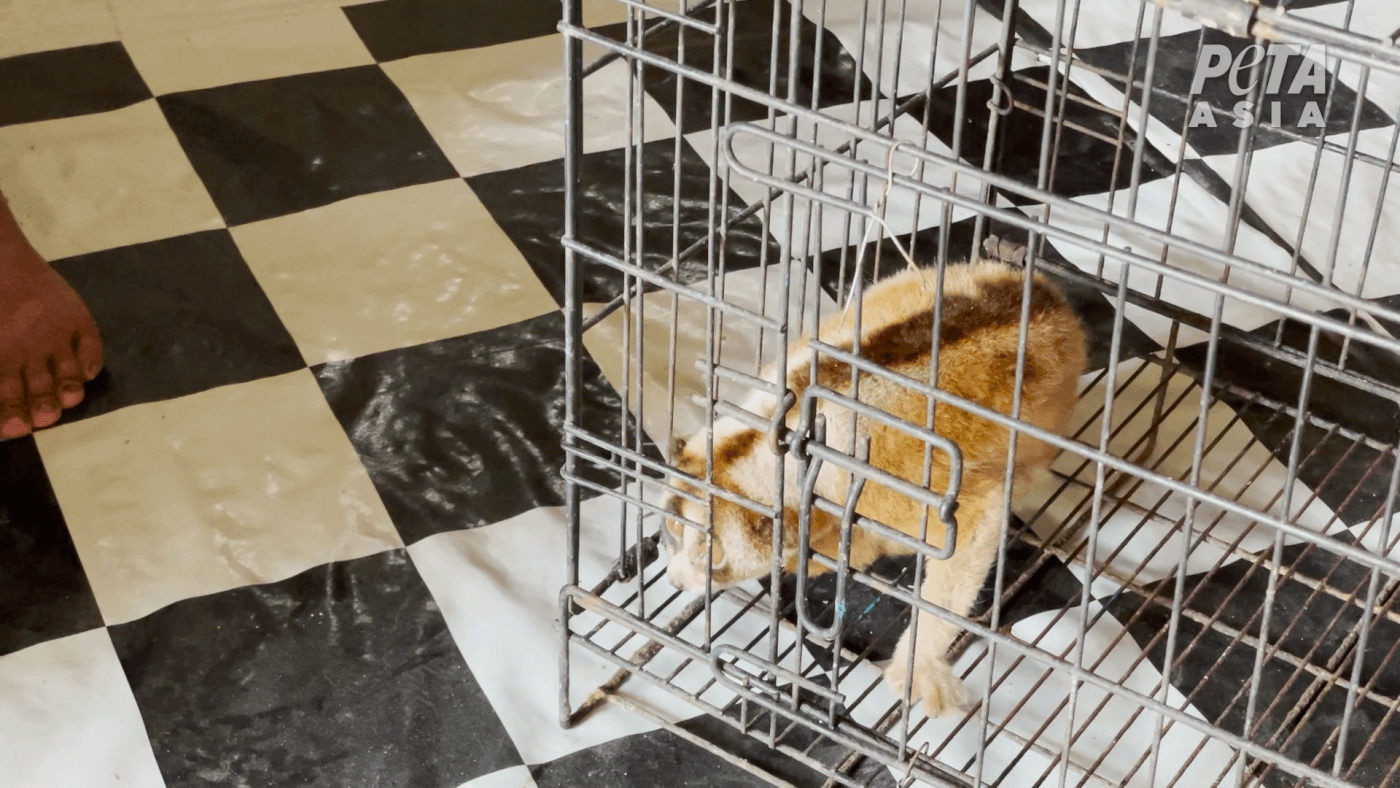
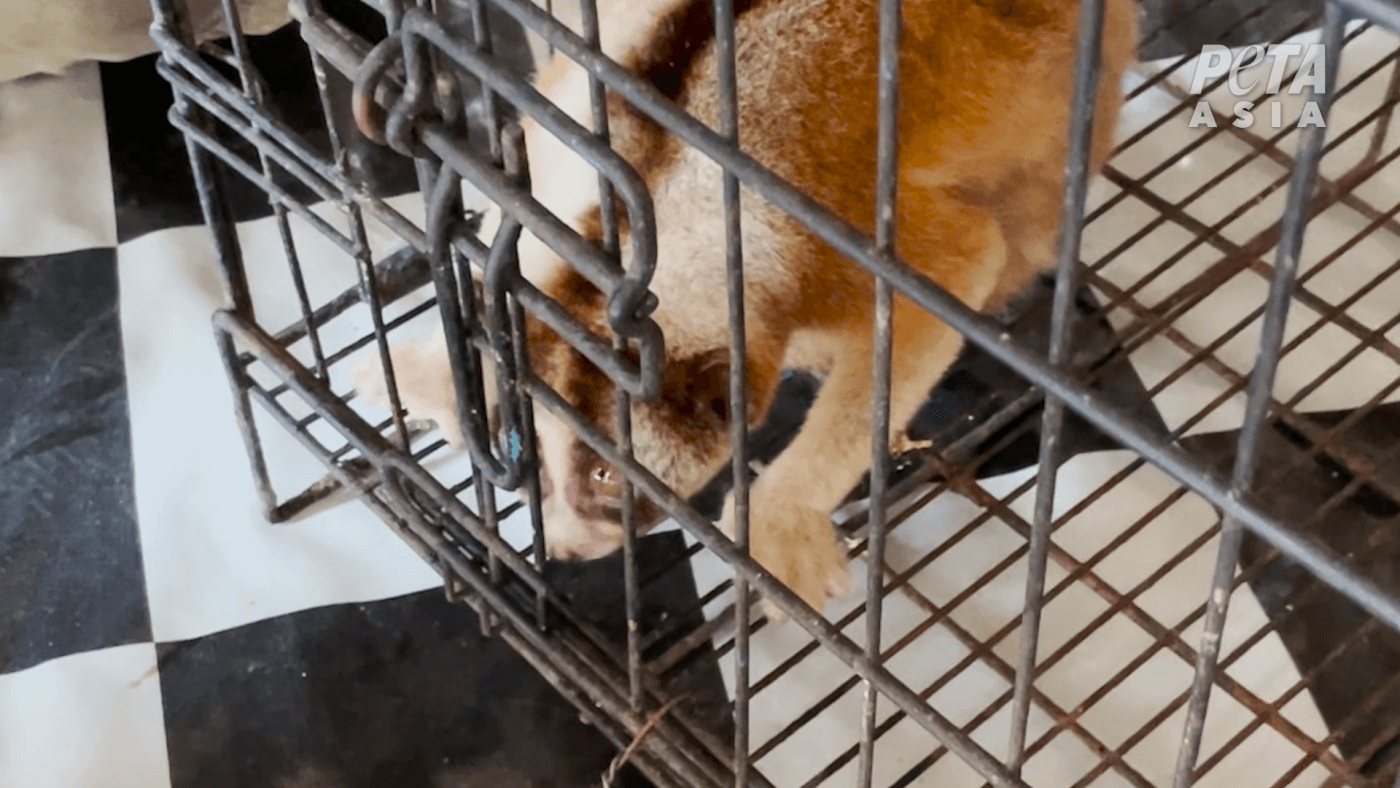
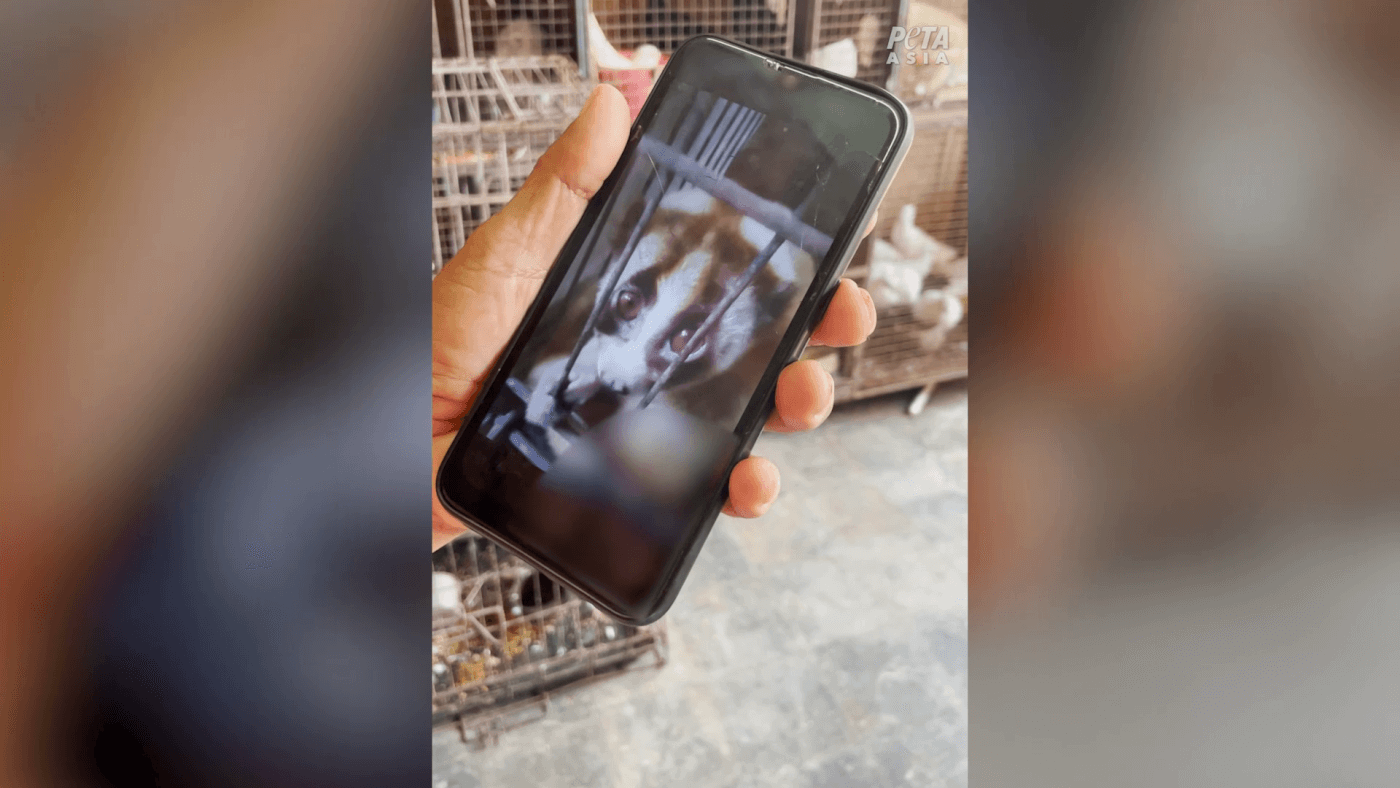
The bite of a slow loris is highly venomous and can be deadly to humans. For this reason, the “pet” and tourist industries often remove their teeth – without anaesthetic – using pliers or other tools. This excruciating procedure is torture and can lead to infection and even death.
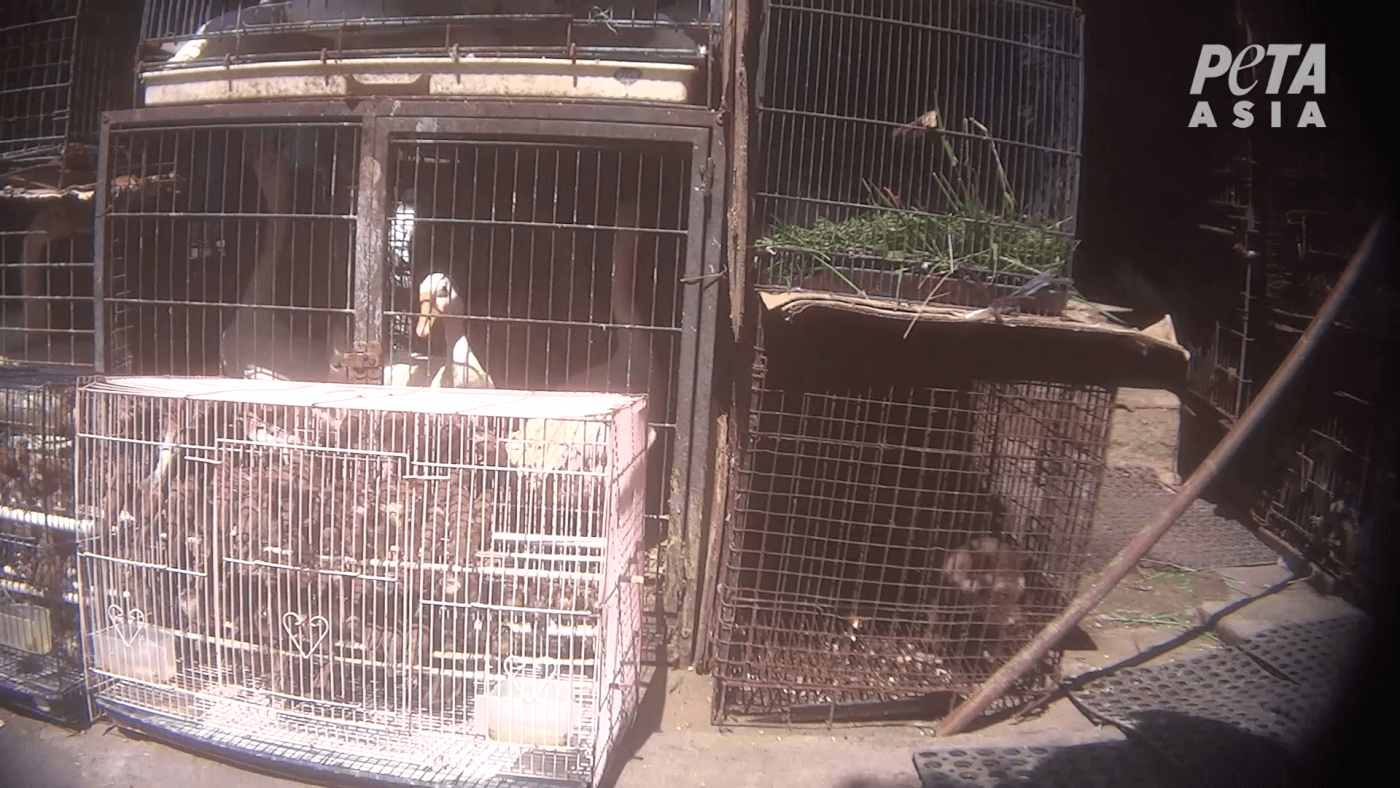
The slow loris at this market was kept in a small, barren cage without access to water. These sensitive animals are nocturnal primates, which means the noisy, brightly lit environment would have been incredibly stressful for them. There was no official record of the animal, who was being sold “off the books”.
Many exotic animals who are sold to ill-informed buyers or acquired as novelties on a whim die prematurely or are abandoned when buyers are no longer able or willing to care for them.
Failing Law Enforcement
PETA Asia is calling on Indonesia’s law-enforcement authorities and Ministry of Environment and Forestry to investigate this illegal, violent trade and file appropriate charges against the perpetrators.
This is the third time in as many years that illegal wildlife trafficking has been exposed at this market. Just last year, the same shop was caught selling monkeys, who were confiscated. The shop was given a warning and agreed never to sell monkeys again. Yet it brazenly continues to sell illegally imported animals. The wildlife trafficker even compares his activities to those of the Mafia.
Authorities’ ineffectual warnings have clearly done nothing to deter vendors. Meaningful enforcement must be implemented without delay.
Threat to World Health
It’s estimated that 75% of all new infectious diseases originate from animals other than humans. Animal markets, like the one at which the novel coronavirus that led to the global pandemic is believed to have originated, are potential breeding grounds for viruses that cause zoonotic diseases, including COVID-19, SARS, and monkeypox.
Markets where there is direct contact between customers and live animals provide the ideal environment for viruses to jump from one host to another. Faeces and bodily fluids can easily and unknowingly be carried into restaurants, homes, and other places on the shoes and clothing of anyone who visits such markets. Rabies, which has a mortality rate of almost 100%, and herpes B virus, which is fatal to nearly 70% of humans who do not receive timely treatment, can be transferred from macaques to humans.
What You Can Do
Regardless of where you are in the world, never buy animals at markets, from dealers, or from pet shops. Animal shelters are filled with dogs and cats who need loving homes.
Animals such as slow lorises are not suitable animal companions. These fascinating individuals are nocturnal and like to travel long distances at night. Keeping them enclosed in brightly lit environments is cruel. They have highly complex nutritional needs and often become obese when guardians fail to meet them.
People who later realise that taking care of these animals is more work than they expected abandon thousands of “exotic pets” each year. Learn more about why you should never support the exotic-pet trade:
News 2025 There is hope:
This landmark case sets an important precedent in the fight against wildlife trafficking in Indonesia. It sends a clear message that the illegal capture, trade, and abuse of wild animals will no longer be tolerated. Justice can and will be pursued for the victims of the wildlife trade!
For the first time in Indonesia, a suspect identified as S (59) was sentenced by the Denpasar District Court Judge Gede Putra Astawa S.H.M.H to a fine of Rp 500,000 or seven days in prison for trafficking long-tailed macaques at the Satria Bird Market.
This result follows a legal report filed by JAAN Indonesia and Sintesia Animalia with law enforcement officials and with support from the Natural Resources Conservation Agency (BKSDA) and the Denpasar Public Order Police Unit (Satpol PP). The report was issued after a foreign tourist discovered yet another critically ill baby monkey (we named Satria after the rescue). The baby monkey is currently receiving intensive care at the Umah Lumba rehabilitation center, part of JAAN Indonesia.
(1) Femke receives Satria. (2) Example of monkey trade in Bali.
The director and founder of JAAN Indonesia, Femke Den Haas, emphasized that the practice of wildlife trafficking is not only illegal but also causes suffering for the animals affected. "This is the result of years of struggle. Many monkeys are taken from outside Bali, such as Sumatra, to be sold in markets. Tourists often email us with complaints and they often end up buying a monkey to save them from their poor living conditions. Ironically, this empathy actually encourages traders to continue selling due to increase in demand. In 2022, we, along with the Bali Natural Resources Conservation Agency (BKSDA) and the Animal Husbandry Service, installed signs at Balinese animal markets that prohibite the primate trade. Then, in 2024, we conducted outreach activities with the Denpasar Public Order Agency (Satpol PP) and our partners at BKSDA Bali. However, because the suspect, who had previously promised to stop trading wild animals, continued his actions, in 2025 we decided to pursue legal action when hard evidence was gathered about the trade and suffering these monkeys endure," said Femke.
"The violation committed by the perpetrator falls under the category of animal abuse. This is in accordance with Article 28 paragraph (1), which states that everyone is prohibited from torturing animals or livestock." Wayan Anggara Bawa, from the Investigation and Criminal Investigation Unit of the Public Order Police Unit, added.
Veterinarian Farida Ulya presented in court the suffering and torture the long tailed macaques endure in this cruel trade. Satria, the last victim from the Balinese market, was near death when we received him for treatment at our center.
In accordance with the provisions of Article 42 paragraph (1), (2) of Bali Provincial Regulation No. 5 of 2023 concerning the Implementation of Public Order, Public Tranquility, and Community Protection, perpetrators of wildlife trafficking can be subject to a maximum criminal penalty of 3 (three) months in prison and/or a fine of up to IDR 50,000,000 (fifty million rupiah).
Example of monkeys being sold at a market
The long-tailed macaque (Macaca fascicularis), which is currently listed as 'Endangered' according to the IUCN Red List due to the rampant wildlife trade and the destruction of its natural habitat. The illegal capture and sale of this species not only disrupts its wild population but also accelerates the decline of biodiversity in Bali and the surrounding areas.