
If angels exist, they'd shed rivers of tears every day. Tears of helplessness and deep sorrow. And they'd have every reason to do so, considering the sheer size of the Dutch meat industry . Reducing animal suffering in this depressing, demolition-era industry is a persistent issue. For a change, therefore, no revealing annual figures this time, but a single day of animal suffering in the Dutch livestock industry and beyond, to put a face to the abstract figures. This isn't a Christmas story , but the harsh reality of meat on many plates.
A day of animal suffering in the Netherlands
05.30 hours
Katje
Barely a minute into the slaughter shift at a Dutch slaughterhouse, early in the morning, Holstein cow Kaatje is shot with an ice-cold metal spike into her brain. While Kaatje's owner, Farmer H, was brushing his teeth, her three accompanying sisters, Berta, Neeltje, and Moeke, also died. While they were eating breakfast, 3,000 liters of blood flowed.
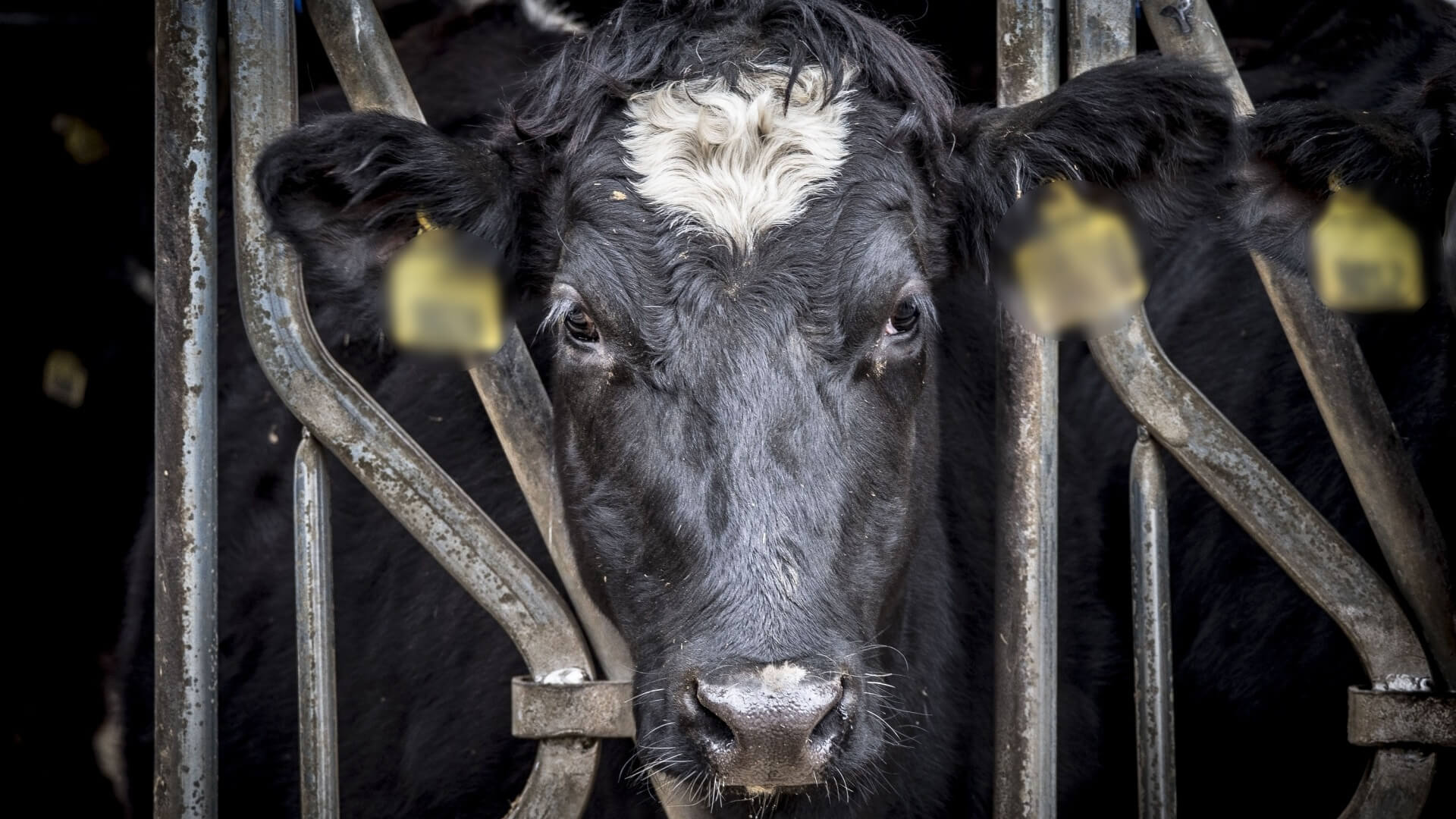
At the end of the daily slaughter, when Farmer H retires to bed, approximately 5,000 cattle have been slaughtered in the Netherlands. The result is 200,000 liters of harvested blood for black pudding, sauces, blood meal products, and even power plants and cement kilns. That's as much blood as 40,000 barrels of beer. Figures for the decibel level that caused Kaatje's death cannot be provided due to a lack of transparency in the process.
“Don't name cows you plan to slaughter.” Elianne van Elderen, poet
07.30 am
Lili
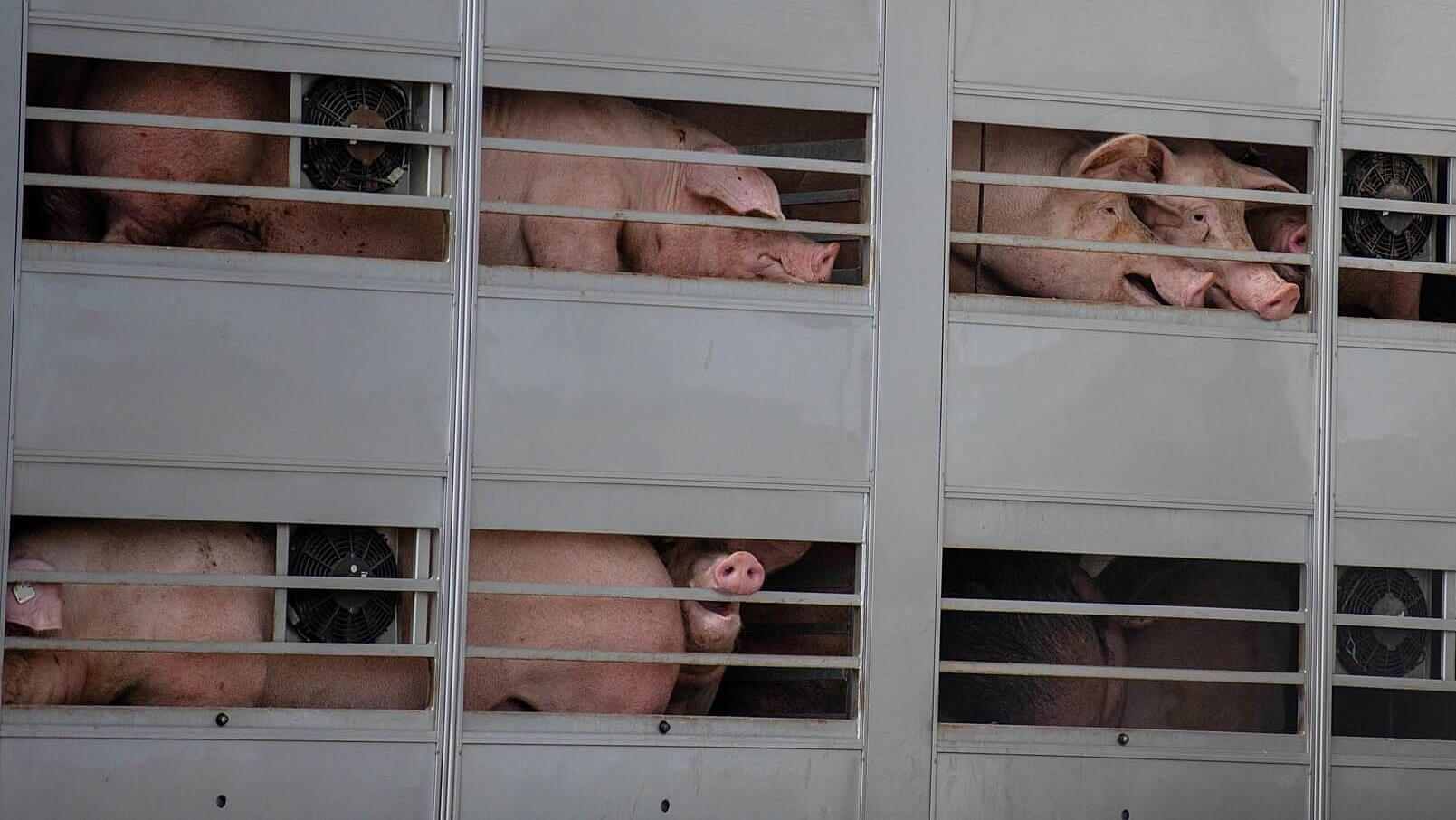
Lili, a fattened, extremely depressed piglet of only six months old, was loaded early in the morning, just like Kaatje. This time from a hermetically sealed piggery. The transport ended her life in a cramped space, where daylight had never penetrated. Along with about a hundred brothers and sisters, she ended up in a truck. She sniffed through a crack and saw for the first time a hot red ball in the sky, unaware that it would accompany her on an hours-long, hellish journey.
Vanwege stress en ruimtegebrek brak ze onderweg haar linker voorpoot en gilde het uit van de pijn. Er was geen mens die het hoorde. Lili stierf door pijn en hittestress, zo rond elf uur. Ze werd één van de ongeveer 4000 dode varkens, die jaarlijks tijdens transporten naar de Nederlandse slachterijen overlijden.
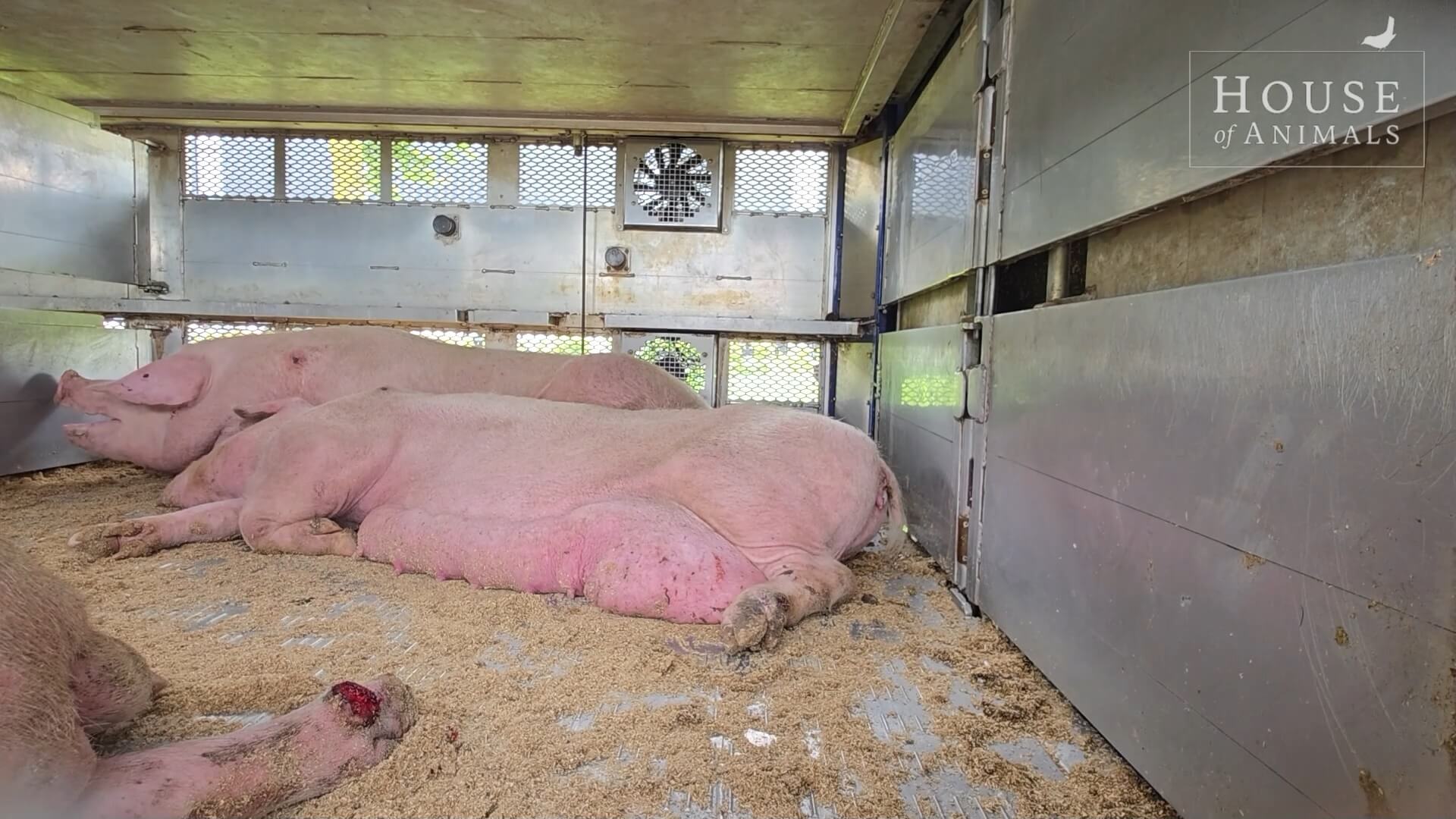
Om alle ter dood veroordeelde varkens op één dag naar de die slachterijen te transporteren, zijn 200 vrachtauto’s nodig. Dat is vergelijkbaar met een file van 8 kilometer. Een lint van rood doorlopen ogen, speurend naar verlossing uit de beangstigende toestand. Een toestand vol ongeloof, onwetendheid, angst, stress, benauwdheid, dorst, bloedhitte of juist ijzige kou.
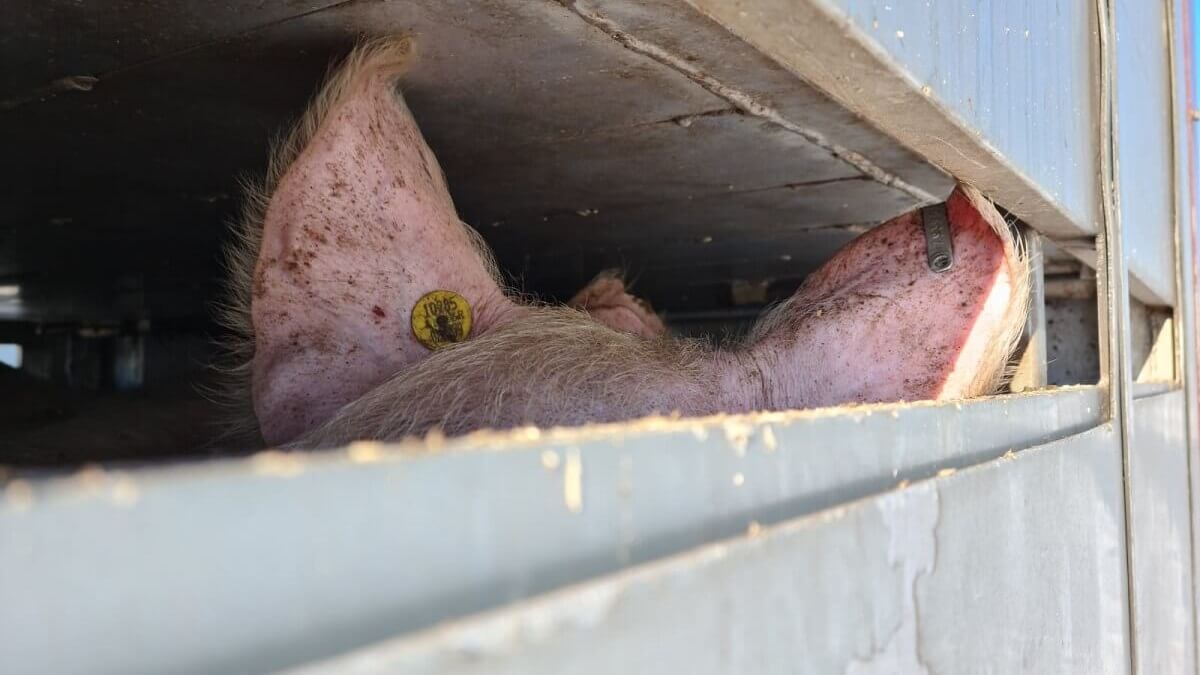
Bij de varkensslachterijen in Nederland, worden dagelijks 20.000 varkens geslacht. Dat is net zoveel varkens als het aantal bezoekers op één festivaldag van Lowlands. Varkens in nood produceren meer decibels dan runderen en schapen. Ze gillen als ze doodsnood ervaren.
09.00 uur
Remi
Boerin F scharrelde nog wat rond, maar plots stond ze recht voor Remi. Het kalfje, nauwelijks door haar moeder drooggelikt en slechts 2 uur oud, week instinctief achteruit en probeerde een schuilplek te vinden. Moeder draaide haar kont, omdat ze al wist wat er zou gebeuren. De haar bekende kruiwagen stond al klaar. Ze loeide nog zo hard als ze kon, maar dat hielp niet. Even later lag Remi in de kruiwagen.
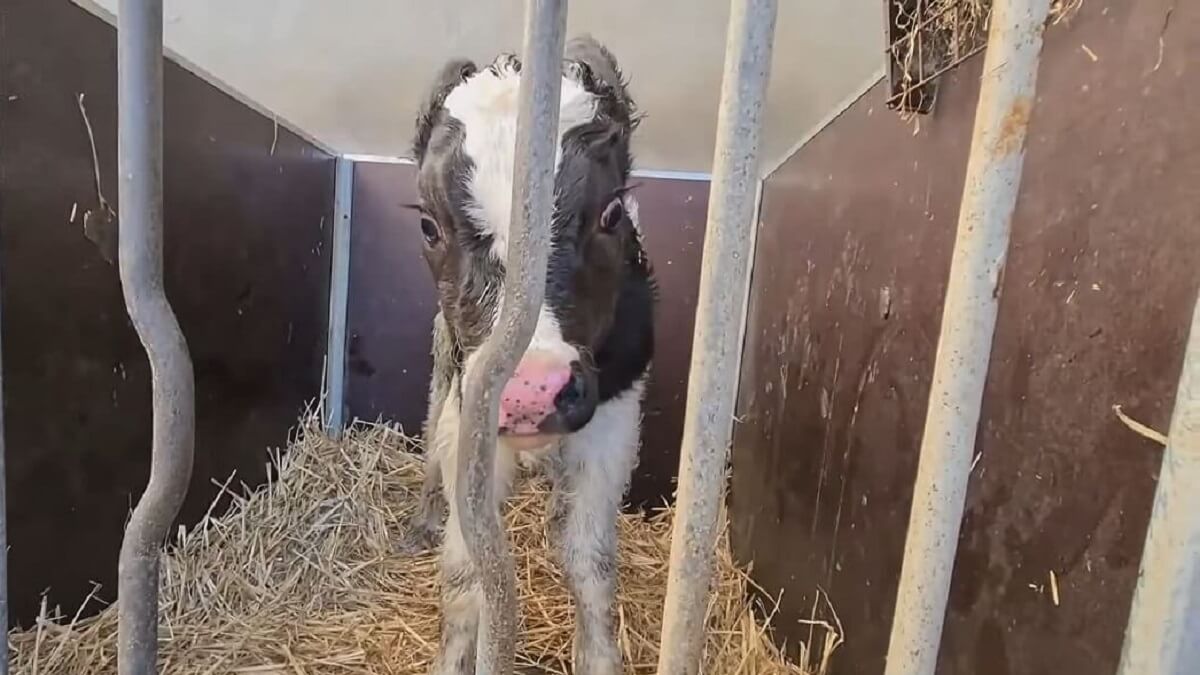
Buiten het zicht van zijn moeder in de warme stal stond het eenlingshok klaar, een kalveriglo. Een hard, wit gedrocht van slechts 1,5 vierkante meter met tralies ervoor. Remi voelde zich meteen zielsalleen, kermde als een verwarde ziel in de nacht. Hij zou zijn moeder nooit meer terugzien. Wel horen, want die loeide dagenlang van moederverdriet.
Remi stierf toen hij 6 maanden oud was. Geslacht voor de productie van schnitzels, kroketten, gelatine, L-cysteïne (E920), cholinezuur (E1000), borrelnoten, allerlei aroma’s en uiteraard voor op het bord bij luxe restaurants. Elke dag sterven er zo in de Nederlandse slachthuizen ongeveer 3800 kalveren, omdat mals, bleek vlees zo wordt gewaardeerd. Dat is evenveel kalfjes als er fietsen kunnen worden geparkeerd bij het NS-station van Eindhoven.
“Als je ziet hoe een kalfje bij een koe wordt weggehaald, in een aanhanger wordt gestopt, als je ziet hoe een koe er wanhopig achteraan rent, dat is hartverscheurend.”Carolina Trujillo, schrijfster van ‘De Instructies’
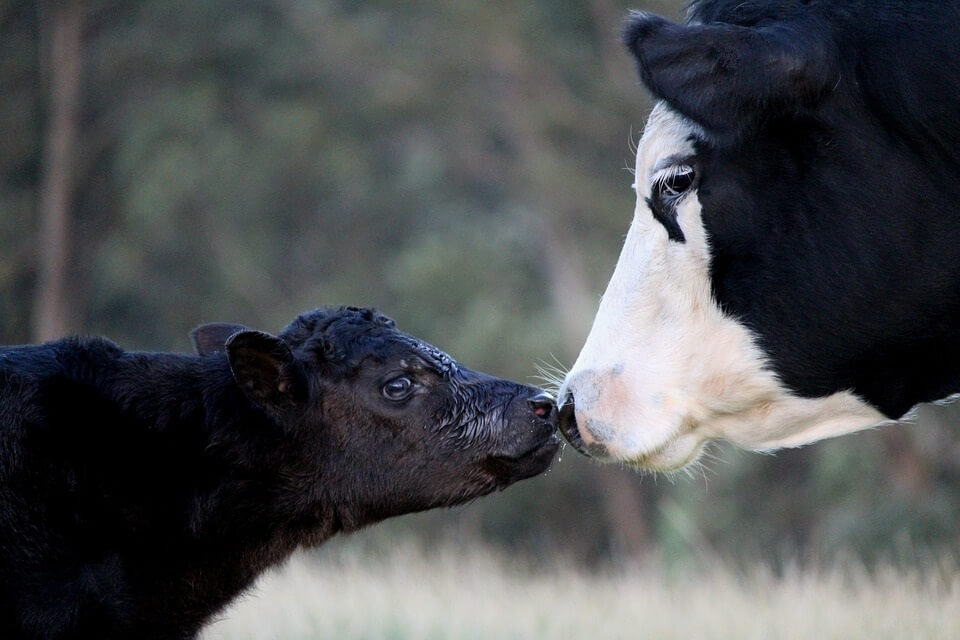
Some supermarkets market a product called "calf love." This allows the calf to remain with its mother for three months. This period is disproportionate to the normal, natural period a calf spends with its mother, which is one year. This "sales gimmick" truly lives up to its name: very short and always ending in great sadness.
11.00 a.m.
Ukkie
A light breeze couldn't dampen Ukkie's joy. In fact, the waving grass encouraged her to jump even higher. Suddenly, she was grabbed by the neck. She screamed in terror, but it was of little use, because seconds later, her mouth was tied shut. A moment later, she was lying with her legs tied in the trunk of a car. Ukkie, a 12-week-old lamb, would spend the next few hours in hell, the result of an ancient sacrificial ritual .
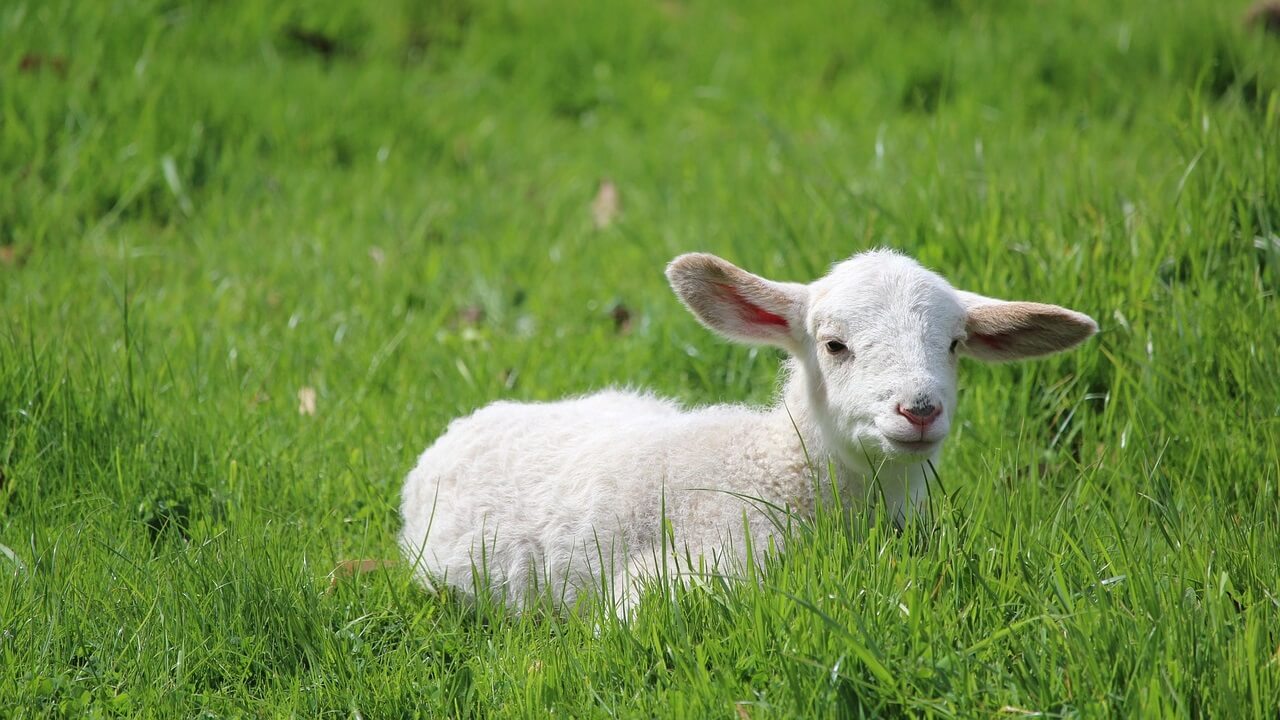
Ukkie's life changed from a carefree one to a dark abode without family. She died in an illegal slaughterhouse after a swift cut from a glistening knife. Her shaved throat was slit from ear to ear. While she endured this without any anesthesia, she was so stressed that none of her senses could comprehend the "sacrifice" she was making. The experience of all the blood, the agony, and her blurring vision paralyzed her heart. She could no longer scream, but the shaking and trembling of all her muscles showed she was in mortal agony. A moment later, she hung motionless from a hook .
Figures on lambs and sheep that simply "disappear" from pastures in the Netherlands during the sacrificial feast are unavailable, but it does happen. Figures on illegal ritual slaughter are also unavailable. According to the Netherlands Food and Consumer Product Safety Authority (NVWA) , 22,838 sheep and goats were legally slaughtered for the sacrificial feast in 2025, 32 percent of which were slaughtered without stunning (halal). This equates to approximately 7,000 sheep and goats per day.
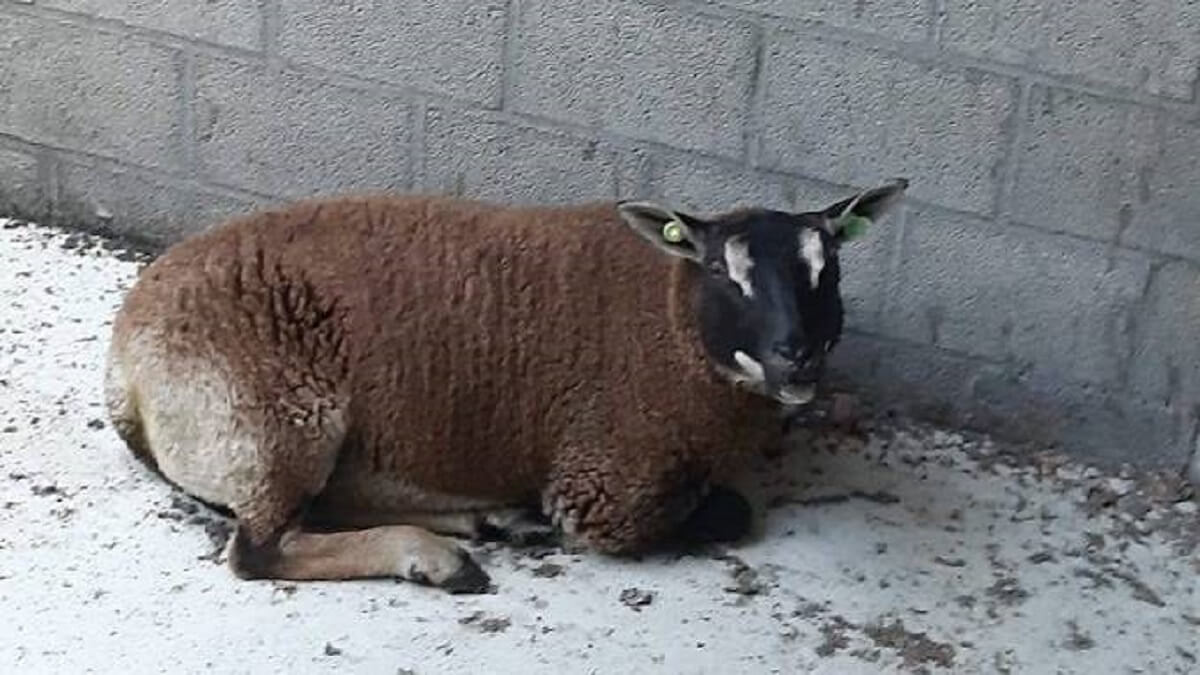
Sacrificing an animal isn't obligatory; one can also offer money to people or animals in need. This way, one truly does good and doesn't cruelly deprive an animal of its rightful life.
4:00 PM
Brownie
Bruintje is a fictitious name, because no broiler chicken actually has a name. She didn't have an easy life. However, her life began promisingly. As a chick might expect, she hatched from the egg with plenty of energy. A little later, she sat with her sisters and a few brothers under the warm lights of the incubator. There was, however, no food or water.
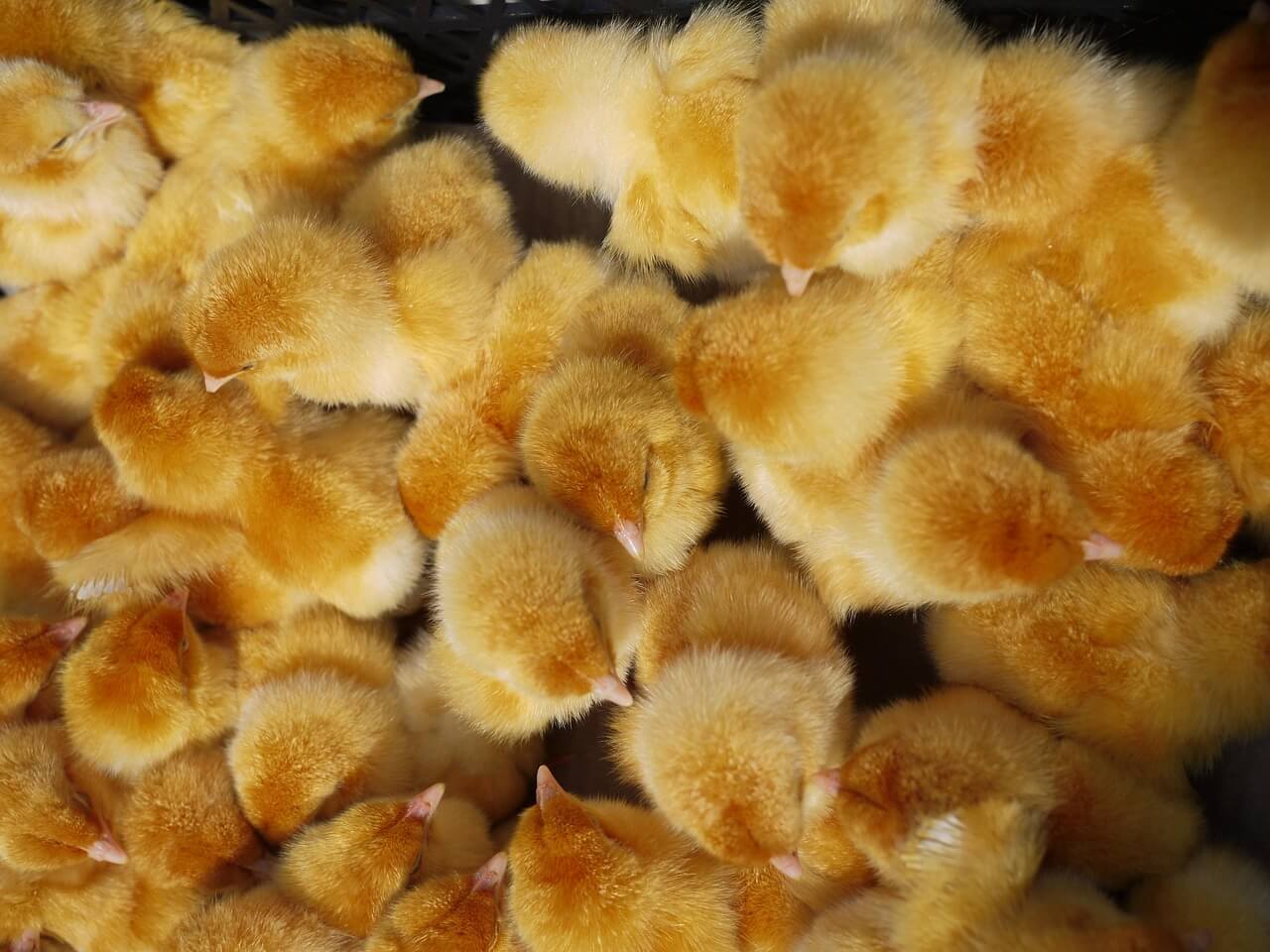
The family bond was short-lived. Soon, she was thrown into a crate and taken to a fattening farm. In her new enclosure, she met her new "family," crammed into crowded stalls. Within six weeks, the floor was soiled with acidic feces. During that time, Bruintje endured frequent pecking from her fellow victims and developed wounds and ulcers on her legs. To make matters worse, she broke her left wing. Bruintje didn't make it past six weeks. Perhaps a blessing in disguise, because after that period, slaughter automatically follows.
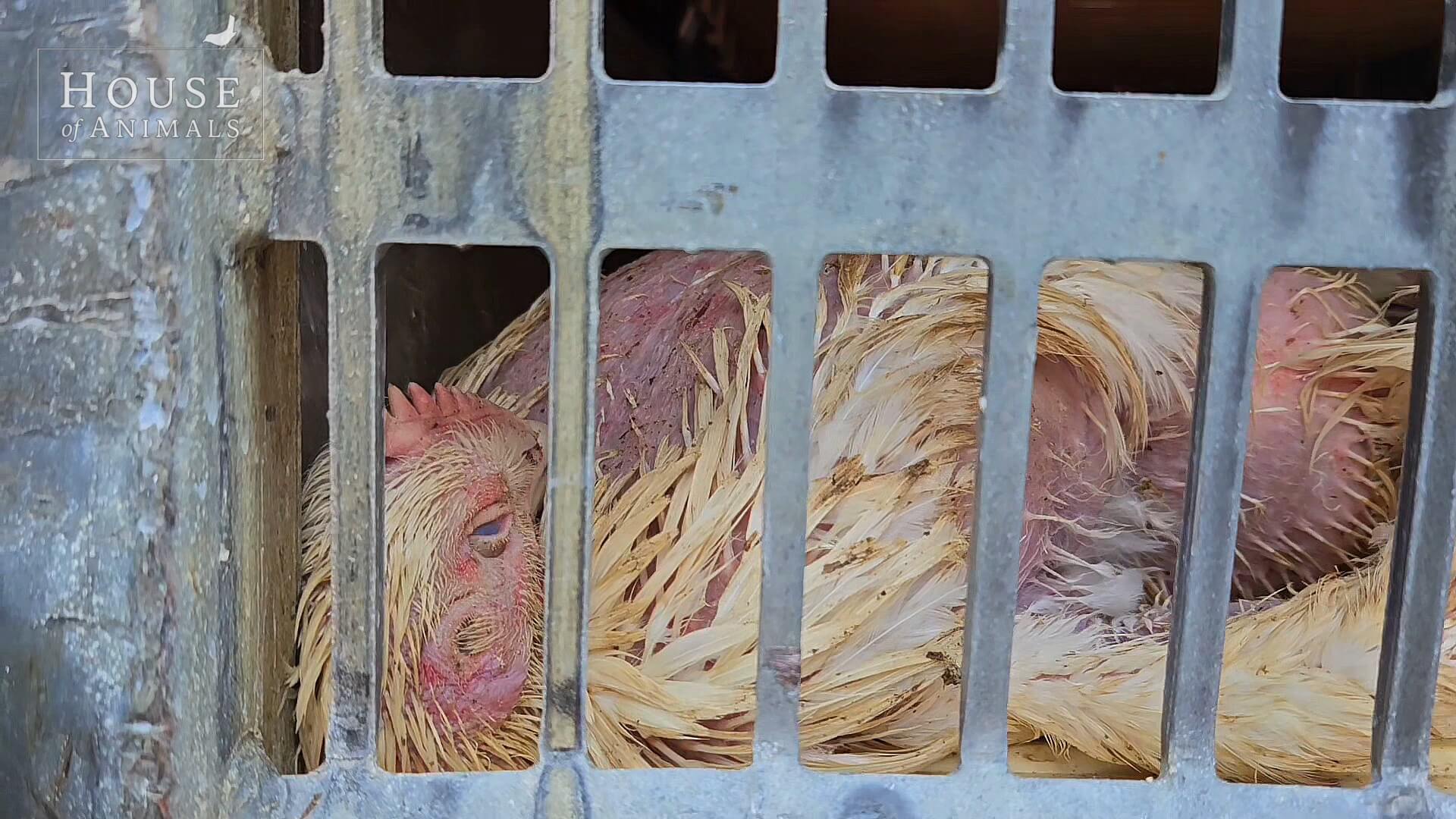
The capture, transport, and slaughter of broiler chickens is also characterized by a great deal of pain and suffering. On average, a staggering 1.3 million broiler chickens are slaughtered in the Netherlands every day. That's twice the population of Rotterdam.
“We are dealing with a hallucinatory amount of animals that lose their lives every day, in the most gruesome circumstances.” Els Van Campenhout, Animal Rights
10:00 p.m.
Tripple
His eyes darted nervously back and forth, finding no danger. No red feathers tucked away in the reeds. Trippel, a large adult hare, crept cautiously forward. Towards his lair. There awaited his lady Suus and their young offspring. As swift as a hare, he ran across the field, but suddenly something stung his skin and penetrated deep inside. Trippel flipped over and landed halfway in the ditch. There he lay, panting from stress and a biting pain in his side. A moment later, a horror appeared above him. A human dressed in green, carrying a stick.
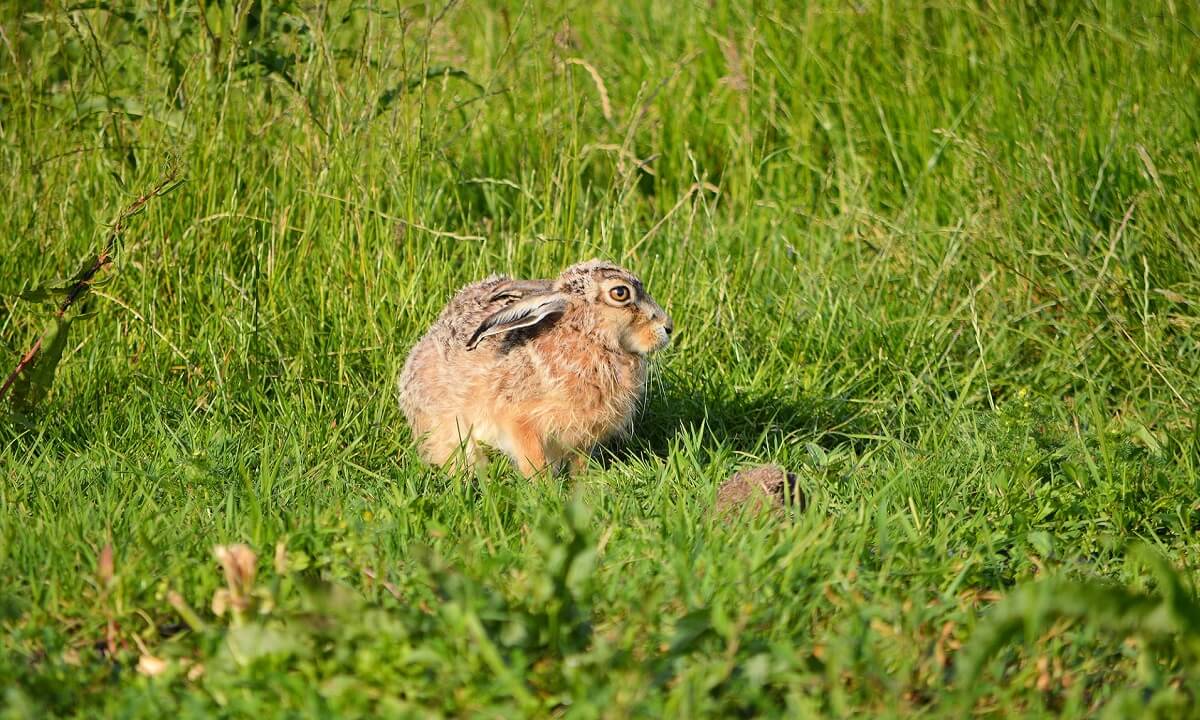
Trippel tried to scramble to his feet, but the wood struck him in the neck. The abomination picked him up and threw him over its shoulder. Blood dripped from his eyes as Trippel was laid down in the evening harvest. Beside him lay his brothers and sisters.
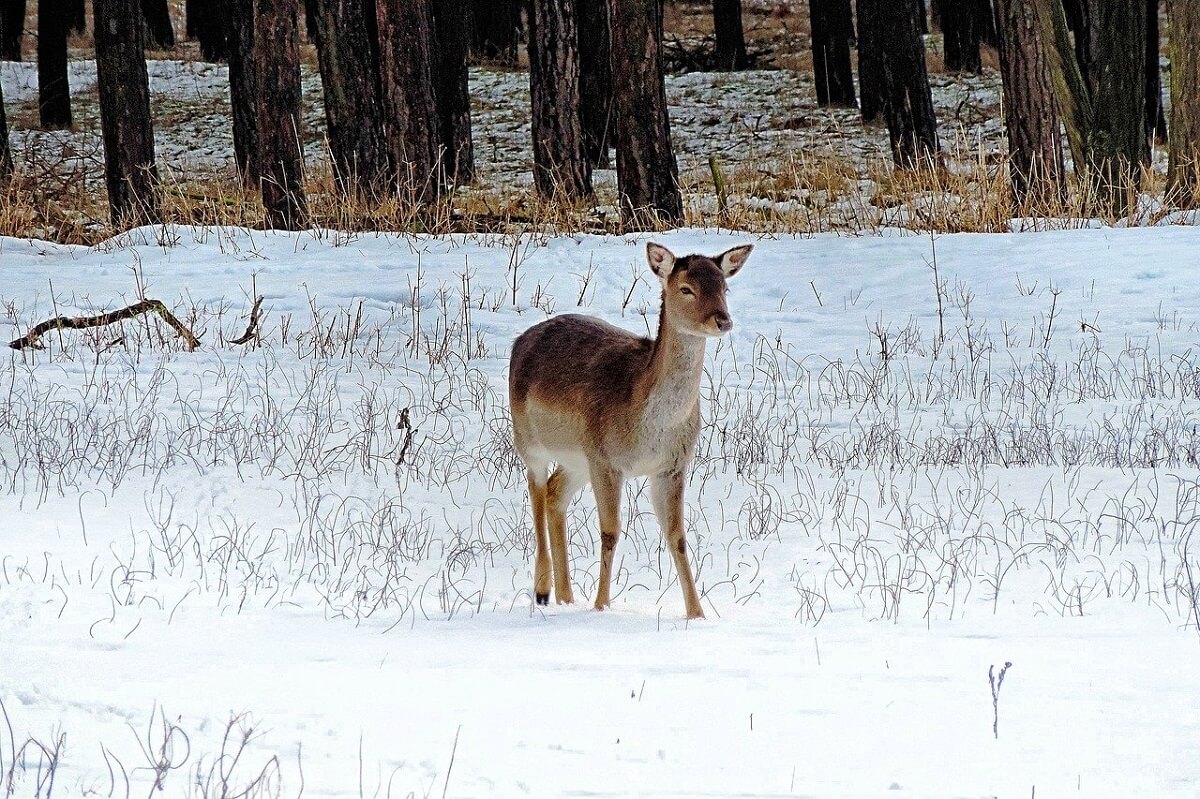
In winter and early spring, poaching, in particular, causes considerable suffering among hares and deer. Sometimes this is done for meat, but also for sport. The animals often die painfully. No figures are available on how many animals are killed by poachers each day, but the following – recent – statement by a green enforcement officer may be telling:
“We don't have enough hands and resources to really tackle poaching.
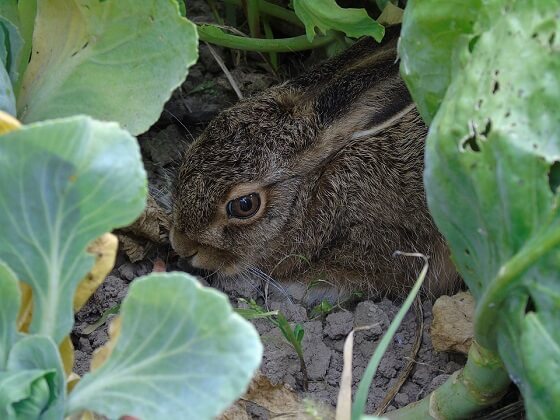
Just another day of animal suffering in the Netherlands
This was just another day of animal suffering in the Dutch meat industry (and beyond). An incomplete portrayal, as there are many more horrific stories to tell. About ducks never allowed to swim, dying wounded game, suffocating geese, crippled horses, broiler turkeys, and caged rabbits. The amount of pain and sorrow these animals experience is almost impossible to put into words.
And yet, transforming all those animals into food is completely unnecessary. The way the entire meat industry operates is shameful. Calculated suffering, deliberate obscurity, and many illegal acts going unpunished. Therefore: know what you eat, be brave, change your mind, and be mindful of how you vote. A better world for animals truly starts with us.
Sources:
- Animal Rights [1, 2]
- KNVVN
- Pigs in Need
- Awake Animal
- Also read on AnimalsToday :
Ron van de Pas www.animalstoday.nl

Geen opmerkingen:
Een reactie posten