Translate

Posts tonen met het label University. Alle posts tonen

zaterdag 7 februari 2026

Japanese macaques at Kyoto University subjected to brutal head surgery in order to implant a recording chamber using cement and screws, dehydrating them to ensure motivation

 News 2026 Action for Primates UK  https://actionforprimates.org/

Macaques suffered in meaningless research in Japan to study motivation in people
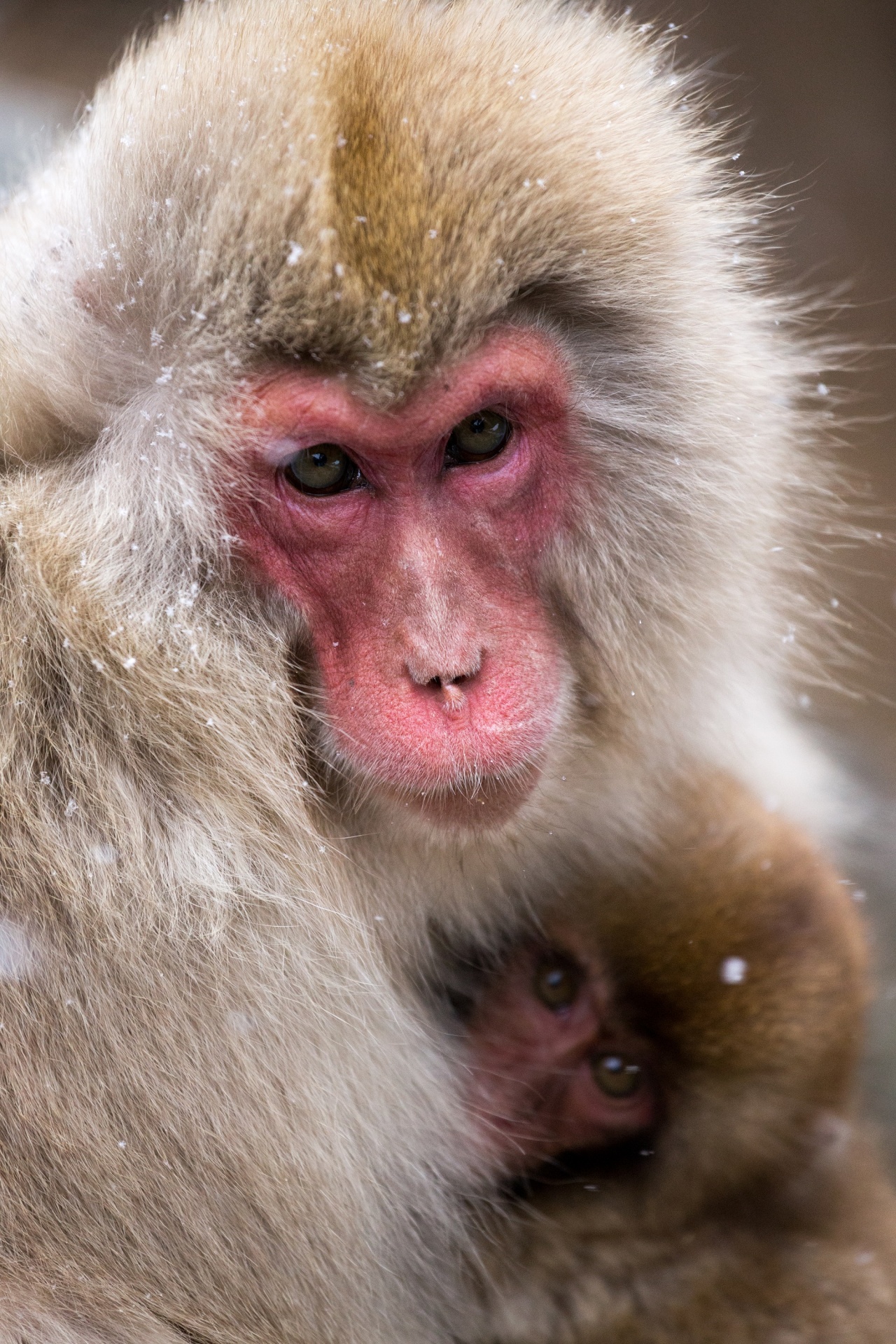
Mother and infant Japanese macaque living freely; PublicDomainPictures.net
Mother and infant Japanese macaque living freely
PublicDomainPictures.net

In research to study human motivation under aversive conditions, Japanese macaques were subjected to brutal head surgery and killed at Kyoto University, Japan (OH 2026). This inhumane research which had no clinical applicability to people—in whom the information is easily obtained—was approved by the university's animal use committee (approval number 24097).

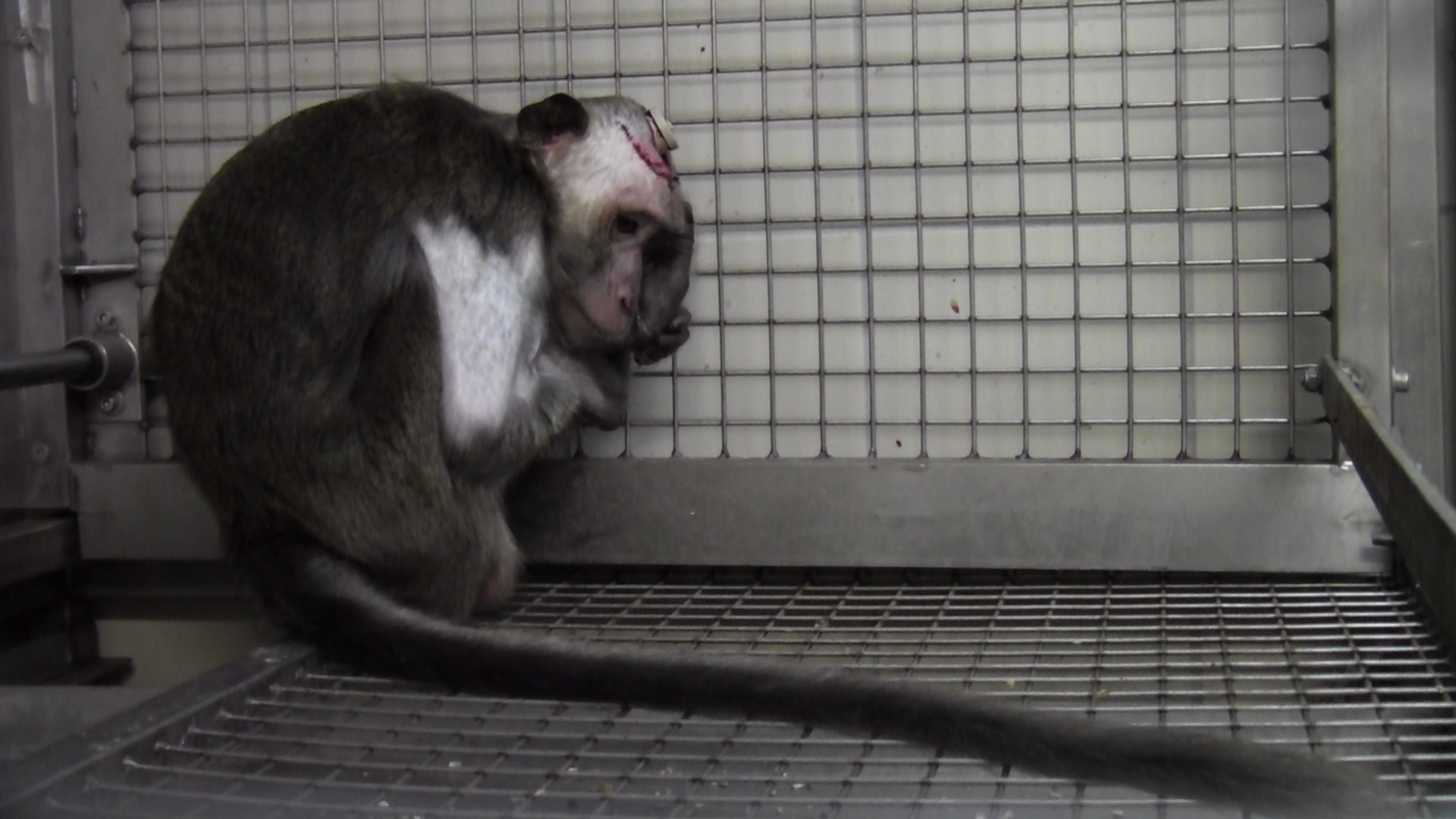
Two adult Japanese macaques (also known as snow monkeys) were subjected to craniotomy, a highly invasive surgery through the skull, in order to implant a recording chamber using bone cement and screws. Although antibiotics were given after the surgery, there was no mention of any pain relief. After "full recovery", another surgery was done to remove the skull over the target regions of the brain.

The macaques were "trained" to respond to certain stimuli by restricting water availability sufficiently to create a degree of dehydration (thirst) that would 'motivate' them to respond. This inhumane fluid restriction was continued throughout the testing period.

Testing was done using electrodes driven into the brain. Viral proteins were also injected into brain. The tests were done with the macaques restrained in a soundproof dark booth. In order to get a fluid reward, the macaques had to look at a point in space. Puffs of air to the face were used to try to dissuade the macaques from responding in order to test their degree of "motivation". A test drug was injected into the brain to modify the responses. After the testing was done, the macaques were killed under anaesthesia to get brain tissue.

The researchers were using the macaques to try to understand "motivation". The situation in the macaques, however, is not analogous to the situation in humans. The macaques had to endure the stress of captivity in a laboratory, the pain and suffering of invasive head surgery, being without sufficient water for periods of time and, ultimately, death for something of no value to their species and which could easily be determined in humane, ethical studies in human volunteers.


OH, Jung-min N.; Satoko Amemori; Ken-ichi Inoue; Kei Kimura; Masahiko Takada and Ken-ichi Amemori 2026-01-09 Motivation under aversive conditions is regulated by a striatopallidal pathway in primates Current Biology S0960-9822(25)01688-4


Craniotomy:

This is a surgical procedure to access the brain. Typically, an area on the head is shaved. An incision is made through the skin and tissues underlying it, down to the surface of the skull, in such a way as to create a flap that can be pulled away to expose the skull. Depending on what type of access to the brain is required, holes may be drilled through the skull into the brain cavity, for example for injections, or a portion of the bone may be cut out in order to implant a bank of electrodes. When done, bone cement may be used to fill in the hole in the skull and the overlying tissues sutured.
Long-tailed macaque who had had a craniotomy; SOKO Tierschutz/Cruelty Free International

We do not believe we need to accept nor expand upon the researchers' reasons or justifications for doing any research involving non-consenting beings such as non-human primates. Any information gained is at an unacceptable moral cost.

dinsdag 13 januari 2026

Shameful experiments on 14 rhesus macaques at Louisiana State University US were injected with 30% alcohol voor 14 months and 3 months later a virus injected into their vagina, 9 months later, killed

Rhesus macaques force-fed alcohol for many months, infected with a virus, then killed in USA research

A rhesus macaque in a laboratory cage
SOKO Tierschutz/Cruelty Free International


In another tragic waste of lives and critical resources, rhesus macaques were used and killed as "models" of chronic binge drinking in people (Poret et al 2025). The work was done at the Louisiana State University Health Sciences Center in the USA, and was approved by its animal use committee. The US taxpayer paid for this inhumane and brutal treatment of monkeys through grants AA009803 and AA028459, from the National Institute on Alcohol Abuse and Alcoholism (NIAAA), totalling many millions of US dollars.

Fourteen adult female Indian-origin rhesus macaques were used. The macaques were subjected to surgery to implant catheters that went into their stomachs. One group received ethanol injections to simulate "chronic binge" alcohol use. A 'control' group received water. The alcohol was at a concentration of 30%, totalling 13-14 grams of ethanol per kilogram of body weight, injected five days a week for over 14 months. No information was provided on the impact the alcohol had on the macaques.

Three months into the alcohol treatment, all the macaques were given the simian immunodeficiency virus into their vaginas. A little over two months later, they were treated with an antiviral medication. Nine months after the viral infection, all were subjected to 24 hours of food deprivation and then killed (euphemistically referred to as euthanized by the researchers) by anaesthetising them and injecting them with a salt solution using an "embalming machine", to get tissues for study.

The researchers stated that macaques were to be killed before their scheduled deaths, if at any point any lost 25% of their body weight, refused to eat for four days, had major organ failure or had other medical or surgical complications that could not be treated. It was stated that two of the macaques were killed before the end of the study, but no reasons were provided.

Surprisingly, there was no description of how the macaques were housed, contrary to the ARRIVE guidelines required by many reputable journals (ARRIVE). As a result, we have to assume the macaques were singly caged with the standard lack of any meaningful social or other enrichment.

The researchers found that forced chronic alcohol use during infection with the simian immunodeficiency virus has effects on fatty tissue. These chronic effects are already known to occur in humans.

The public are repeatedly told that non-human primates are used in research only when absolutely necessary and only when there are no other alternatives available. This shameful experiment, which resulted in substantial suffering for the monkeys, demonstrates the meaningless nature of such assurances and a lack of commitment to stop using non-human primates. Not only is the information in macaques irrelevant to people given the fundamental differences between the two species, humane and ethical clinical studies have been and can continue to be done on human patients and volunteers in order to get data that are directly applicable to people. The macaques in this study had to endure the stress of captivity, almost certainly virtual social isolation, survival surgery, the severe negative effects of alcohol and death for what can only be considered frivolous reasons and clearly contrary to the Replacement criterion for the 3Rs.

Substance abuse, such as with the alcohol forced into these macaques, is a purely human disease. It is far more complex than simply using a drug. There are genetic, socioeconomic and other factors that must be considered if humans with drug addiction are to be helped. Continuing to concoct cruel and fatal experiments using non-human primates in the search for a 'magic bullet' that will cure people is not only costly, it is futile (Magliaro & Ahluwalia 2022). If we are serious about helping people, then we need to put all our intellectual and limited financial and other resources into responsibly and ethically studying the existing and huge laboratory already available to us: the world human population.

What you can do to help:

  • Click here—Dr George F. Koob—to create sample message you can edit and send to the director of the NIAAA, responsible for this inhumane research, and to others below who are directly and indirectly responsible as well; if you are using Web-based mail, use buttons below box to copy information to Clipboard for pasting into relevant parts of a blank message.
    To:
    George F. Koob, Ph.D., Director, National Institute on Alcohol Abuse and Alcoholism <george.koob@nih.gov>
    Cc:
    Jay Bhattacharya, M.D., Ph.D., Director, National Institutes of Health <jayanta.bhattacharya@nih.gov>
    Heather Narver, DVM, Animal Program Director/Facility Veterinarian, National Institute on Alcohol Abuse and Alcoholism <narverh@mail.nih.gov>
    Steve Nelson, MD, Chancellor of LSU Health New Orleans <snelso1@lsuhsc.edu>
    NIH Office of Laboratory Animal Welfare <olaw@od.nih.gov>
    Michael F. Miles, M.D. Ph.D., Editor, Alcohol, Clinical and Experimental Research <michael.miles@vcuhealth.org>
    admin@actionforprimates.org

  •    
  • If you are a US citizen, also let your President, Representative and Senators know that you do not approve of your taxes being used to fund such inhumane experimentshttps://www.usa.gov/elected-officials
  • If you are an alumnus of Louisiana State University, click this E-mail address to let them know that you will not support the alumni association unless the university discontinues research on non-consenting beings: info@lsualumni.org

Cited information:

  1. Poret, Jonquil M.; Liz Simon and Patricia E. Molina 2025-04-01 Chronic binge alcohol dysregulates omental adipose tissue extracellular matrix in simian immunodeficiency virus-infected macaques Alcohol, Clinical and Experimental Research 49(4):741-753
  2. ARRIVE (Animal Research: Reporting of In Vivo Experiments) https://arriveguidelines.org/ Accessed 2024-06-21
  3. recommendations for the full and transparent reporting of research involving animals – maximising the quality and reliability of published research, and enabling others to better scrutinise, evaluate and reproduce it
  4. Magliaro, Chiara and Ahluwalia, Arti 2022-11-01 "Biomedical Research on Substances of Abuse: The Italian Case StudyAlternatives to Laboratory Animals 50(6):423-436
  5. ...the impact of social, psychological and economic factors that determine the onset and persistence of addiction (and recovery from it) in humans. Indeed, the predictive validity of animal models of addiction is poor, with few effective treatments deriving from animal studies. ...the principal argument against animal experiments in the field of substances of abuse is that addiction in humans is a complex disorder which encompasses psychological, social and emotional variables that are impossible to model in animals.

Information on NIH grant support (funding) is taken verbatim from relevant publications. If you have difficulty with any links provided, you can do your own search through the NIH RePORTER site: https://reporter.nih.gov/, by copying and pasting the grant number into the Search field on the form.

Be aware that some grants include funds for more than experiments on non-human primates.


Facebook icon Instagram icon Bluesky icon X icon Vimeo icon

Contact us via E-mail

Copyright © 2020-2026 Action for Primates. All rights reserved.

vrijdag 29 augustus 2025

Electric currents and poison used to destroy monkey's brains at Vanderbilt University in US resulting in nothing of value for human health from this cruel and brutal experiment


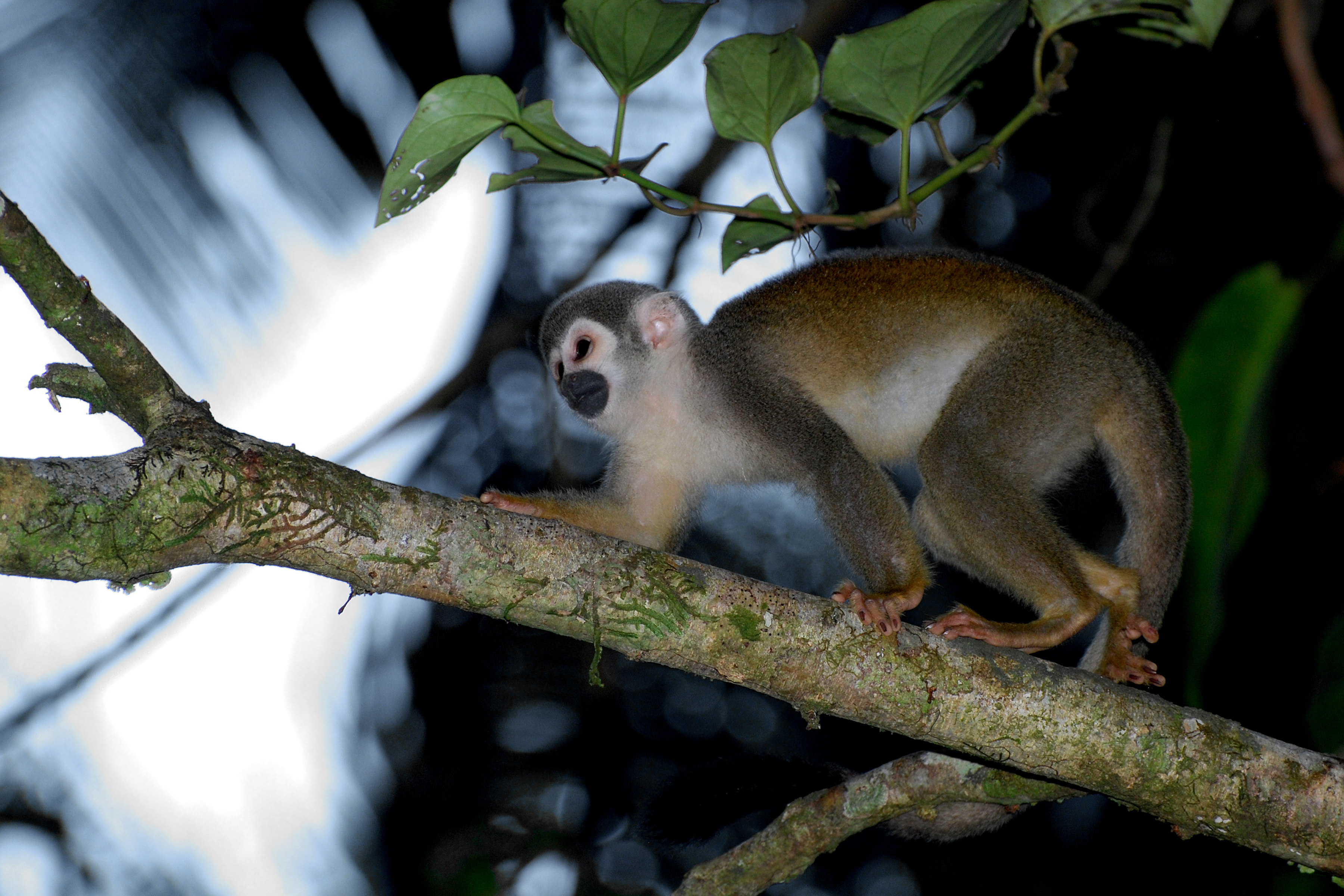
Guianan squirrel monkey in Ecuador; ggallice (Geoff Gallice) - https://commons.wikimedia.org/w/index.php?curid=13276099
Guianan squirrel monkey in Ecuador
ggallice (Geoff Gallice)
https://commons.wikimedia.org/w/index.php?curid=13276099

Three adult male Guianan squirrel monkeys (over three years old) were subjected to brutal brain damage—and then killed—to see the effects on the part of the brain controlling their hands (Sengupta et al 2025). The experiment was done at Vanderbilt University in the state of Tennessee in the USA, and approved by their animal use committee. It was supported by the US tax payer through grant NS078680, comprising many millions of US dollars, from the National Institute of Neurological Disorders and Stroke, a branch of the National Institutes of Health.

Before being subjected to brain surgery, the researchers determined which was the preferred hand in each monkey. With this information, they anaesthetised the monkeys and performed craniotomies in order to access the portion of the brain controlling hand movements. After cutting open the skull and determining the relevant brain region, they used a combination of electric currents and a poison to destroy that part of the brain. One of the monkeys had to have two such surgeries because the first one did not produce the desired loss of hand function. Another monkey had to have a second destruction surgery for reasons not stated. The monkeys were kept alive for as many as 46 weeks.

After these surgeries, the monkeys were unable to use their preferred hand normally. They were reluctant to use the hand for climbing and were unable to handle food normally. Whether there were other negative welfare consequences was not mentioned by the researchers. The monkeys were tested to see how impaired their hand use was and then subjected to additional anaesthesia and craniotomies to compare responses to stimuli with those that had been recorded before the brains were damaged. After this, they individuals were killed (euphemistically referred to as euthanized by the researchers).

Nothing of value for advancing the quality of human health was derived from this exceptionally cruel and brutal experiment. The public are repeatedly told that non-human primates are used in research only when absolutely necessary and only when there are no other alternatives available. This shameful experiment, which resulted in substantial suffering for the monkeys, followed by death, demonstrates the meaningless nature of such assurances and a lack of commitment to stop using non-human primates. Not only is the information in monkeys irrelevant to people given the fundamental differences between the two species, humane and ethical clinical studies have been and can continue to be done on human patients and volunteers in order to get data that are directly applicable to people. The monkeys in this experiment had to endure the stress of captivity, major survival surgery—twice— and death, clearly contrary to the Replacement criterion for the 3Rs.

What you can do to help:

  • Click here – Dr Koroshetz – to create sample message you can edit and send to the director of the funding agency as well as those listed in box below; if you are using Web-based mail, use buttons below box to copy information to Clipboard for pasting into relevant parts of a blank message.
  • If you are a US citizen, also let your President, Representative and Senators know that you do not approve of your taxes being used to fund such inhumane experimentshttps://www.usa.gov/elected-officials
  • If you are an alumnus of Vanderbilt University, let them know that you will not support the alumni association unless the university discontinues research on non-consenting beings: onlinegiving@vanderbilt.edu

Cited information:

  1. Sengupta, Anirban; Yang, Pai-Feng; Reed, Jamie L.; Mishra, Arabinda; Wang, Feng; Manzanera Esteve, Isaac V; Yang, Zhangyan; Chen, Li Min and Gore, John C. 2025-02-11 Correspondence between thalamic injury-induced changes in resting-state fMRI of monkeys and their sensorimotor behaviors and neural activities NeuroImage: Clinical 45:103753

Craniotomy:

This is a surgical procedure to access the brain. Typically, an area on the head is shaved. An incision is made through the skin and tissues underlying it, down to the surface of the skull, in such a way as to create a flap that can be pulled away to expose the skull. Depending on what type of access to the brain is required, holes may be drilled through the skull into the brain cavity, for example for injections, or a portion of the bone may be cut out in order to implant a bank of electrodes. When done, bone cement may be used to fill in the hole in the skull and the overlying tissues sutured.
Long-tailed macaque who had had a craniotomy; SOKO Tierschutz/Cruelty Free International

Information on NIH grant support (funding) is taken verbatim from relevant publications. If you have difficulty with any links provided, you can do your own search through the NIH RePORTER site: https://reporter.nih.gov/, by copying and pasting the grant number into the Search field on the form.

Be aware that some grants include funds for more than experiments on non-human primates.


www.actionprimates.org