Translate

Posts tonen met het label experiment. Alle posts tonen

zaterdag 21 maart 2026

A meaningless experiment by Canadian scientists: 27 pregnant monkeys forced for weeks to drink 10% alcohol, 22 monkeys dry, for an experiment already done on humans

https://actionforprimates.org/

 2026: Monkeys forced to consume alcohol by Canadian researchers in St Kitts and Nevis
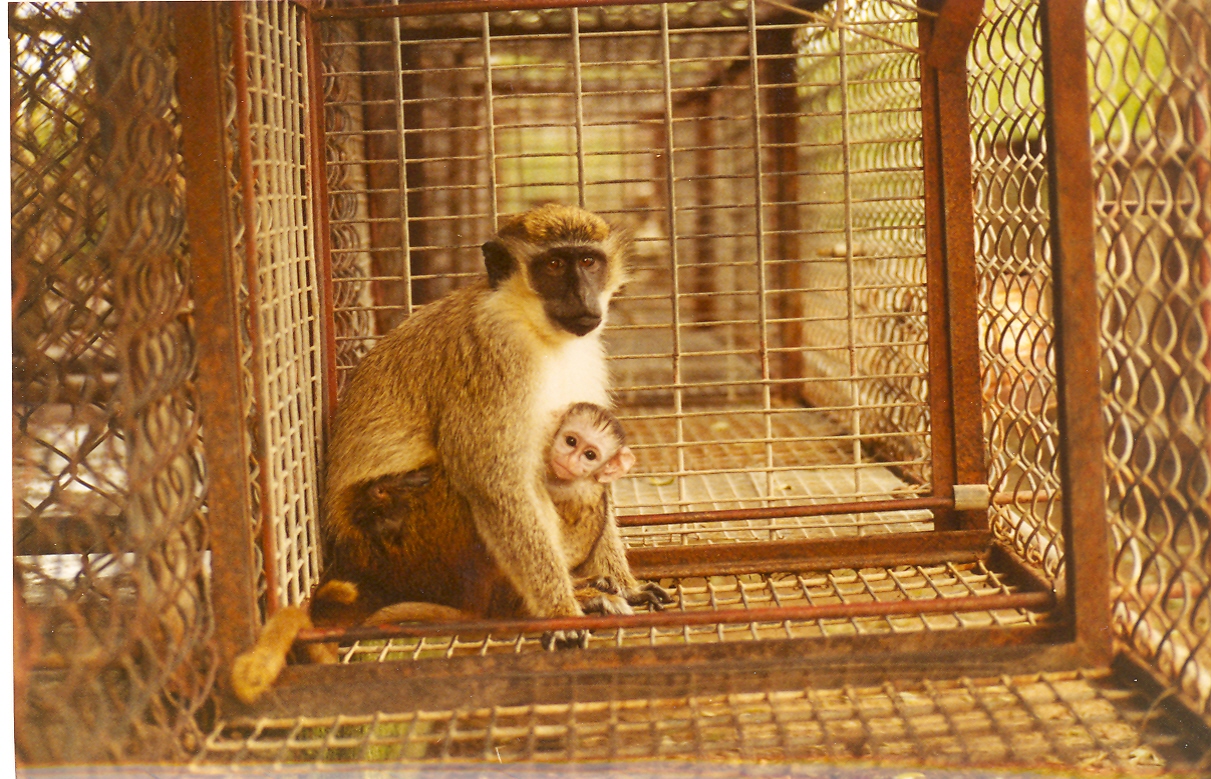
Green monkeys in dealer's cage, St Kitts; Cruelty Free International
Green monkeys in dealer's cage, St Kitts
Photo: Cruelty Free International

African green monkeys (also called green monkeys) were used in a meaningless experiment by Canadian scientists at the Behavioural Science Foundation in St Kitts and Nevis (Bellemare et al 2025). The experiment was approved by animal use committees of the University of Montreal and the Behavioural Science Foundation, and funded by grants from the Canadian Institutes of Health Research and the Natural Sciences and Engineering Research Council of Canada.

Forty-nine pregnant green monkeys were used. Twenty-seven of them had been coerced into drinking alcohol-laced water (euphemistically referred to as "self-administration" and "the monkey decides to drink alcohol" by the researchers). The other 22 were used as 'controls'. Exposure to alcohol was timed to start after the second month of the pregnancy and continued until the birth of a single infant. Each of the 'control' monkeys also gave birth to a single infant.

For the alcohol consuming monkeys, water with an alcohol concentration of 10% was made available for four hours every day, four days a week. This was to prevent miscarriage and abnormal behavioural complications caused by alcohol.

The infants were taken from their mothers and anaesthetised so that various tests could be done on them. The tests are routinely done on human patients and included determining eye pressure, electrical activity in the retina and the amount of oxygen in the retinal blood vessels. Although there were differences in the results between the two groups of infants, the infants of alcohol-exposed mothers "looked otherwise healthy". No mention was made of the ultimate fate of the mothers and infants.

Because humans do drink alcohol during pregnancy, studying them would benefit them and their children, using humane and ethically defensible techniques. The researchers in this monkey experiment even cited examples of these studies, the results of which are directly relevant to the human situation. There was no reason to subject these monkeys to the inhumanity of captive life, being forced to consume alcohol and being subjected to capture and the unpleasantness of anaesthesia. This immoral treatment of our closest biological relatives continues despite the research community claiming they use non-human primates only when necessary and only for research vital to human health. This experiment is just one more example of the disingenuousness of such claims.

Bellemare, Guillaume; Catarina Micaelo-Fernandes; Hadi A. Belanger; Marie-Lou Garon; Maurice Ptito; Roberta M. Palmour; Sergio Crespo-Garcia and Jean-François Bouchard 2025-11-01 Impact of prenatal alcohol exposure in midlife: an assessment of the retina in the vervet monkey Experimental Eye Research 260:110638


We do not believe we need to accept nor expand upon the researchers' reasons or justifications for doing any research involving non-consenting beings such as non-human primates. Any information gained is at an unacceptable moral cost.

vrijdag 12 september 2025

Rhesus monkeys used in an inhumane and wasteful experiment simulating human exposure to high voltage power lines in Iran ( the experiment has been done with humans making this cruelty senseless

  In Iran, rhesus macaques used to study impact of high voltage power transmission

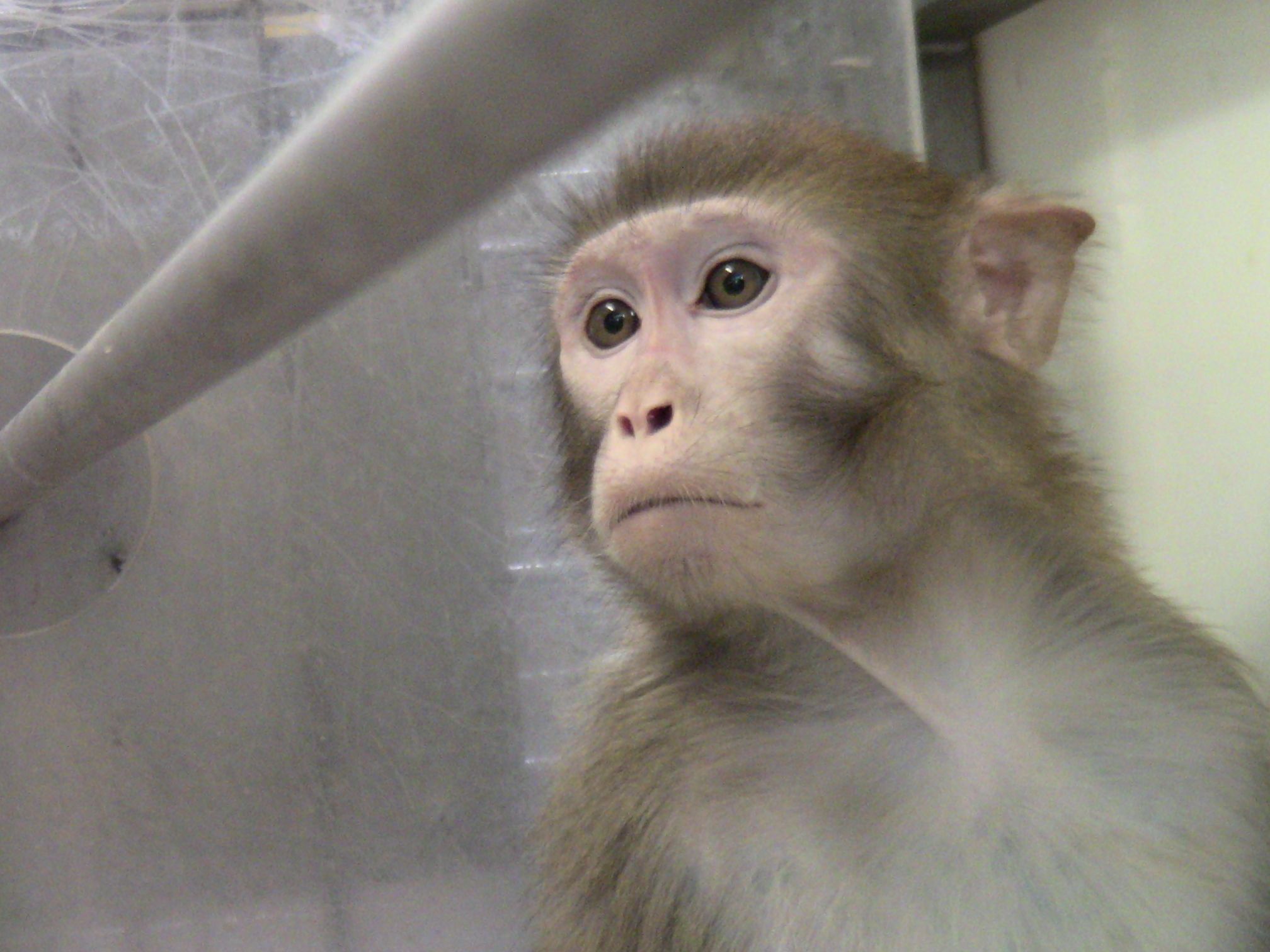
Rhesus macaque in laboratory cage; Cruelty Free International/SOKO Tierschutz
Rhesus macaque in laboratory cage
Cruelty Free International/SOKO Tierschutz

Two adult male rhesus macaques were used in an inhumane and wasteful experiment simulating human exposure to high voltage power transmission lines in Iran. The work was approved by the Baqiyatallah University of Medical Sciences institutional review board.

The macaques were kept in a controlled environment for 12 months to adapt. One of the individuals was exposed to a high voltage electric field for 4 hours a day for a month. The electric field was simulated using two metal sheets, each two x two metres. A crane was used to place the sheets at the bottom and on top of a cage, which was only one x one x one metres. The sheets were exposed to a voltage of six kV to create the electric field. The other macaque was kept outside this field as a "control".

Tests designed to determine memory were done before, during and after the exposure to the electric field. The tests comprised the ability of each macaque to find food comprising a peanut in different settings, several times a day. The macaques were deprived of food for 17 hours before tests. The macaques were also subjected to magnetic resonance imaging (MRI) to determine activity in the brain. The fate of the macaques was not stated.

These two macaques had to live in tiny cages, under laboratory conditions, deprived of any meaningful social contact, in a scientifically poor study that had no value for human health. The researchers pointed out that there have already been numerous studies in humans to determine the effects of electromagnetic radiation. Given that literally tens of thousands of humans live in close proximity to high voltage transmission lines worldwide, humane and relevant studies could be carried out with them. This experiment is just another example of the unwillingness of the research industry to use and improve methodologies that do not depend on subjecting non-human primates to exceptionally inhumane experiments and conditions.   Action for Primates)


Reference:

Aliyari, Hamed; Hosseinian, Mohsen; Menhaj, Mohammad Bagher; Sahraei, Hedayat; Shabani, Mohsen and Kazemi, Masoomeh 2025-01-01 Effect of High-voltage Electrical Field Exposure on Neurobiological Factors and Visual Working Memory of Macaques Basic and Clinical Neuroscience 16(Spec Issue):251-264

vrijdag 29 augustus 2025

Electric currents and poison used to destroy monkey's brains at Vanderbilt University in US resulting in nothing of value for human health from this cruel and brutal experiment


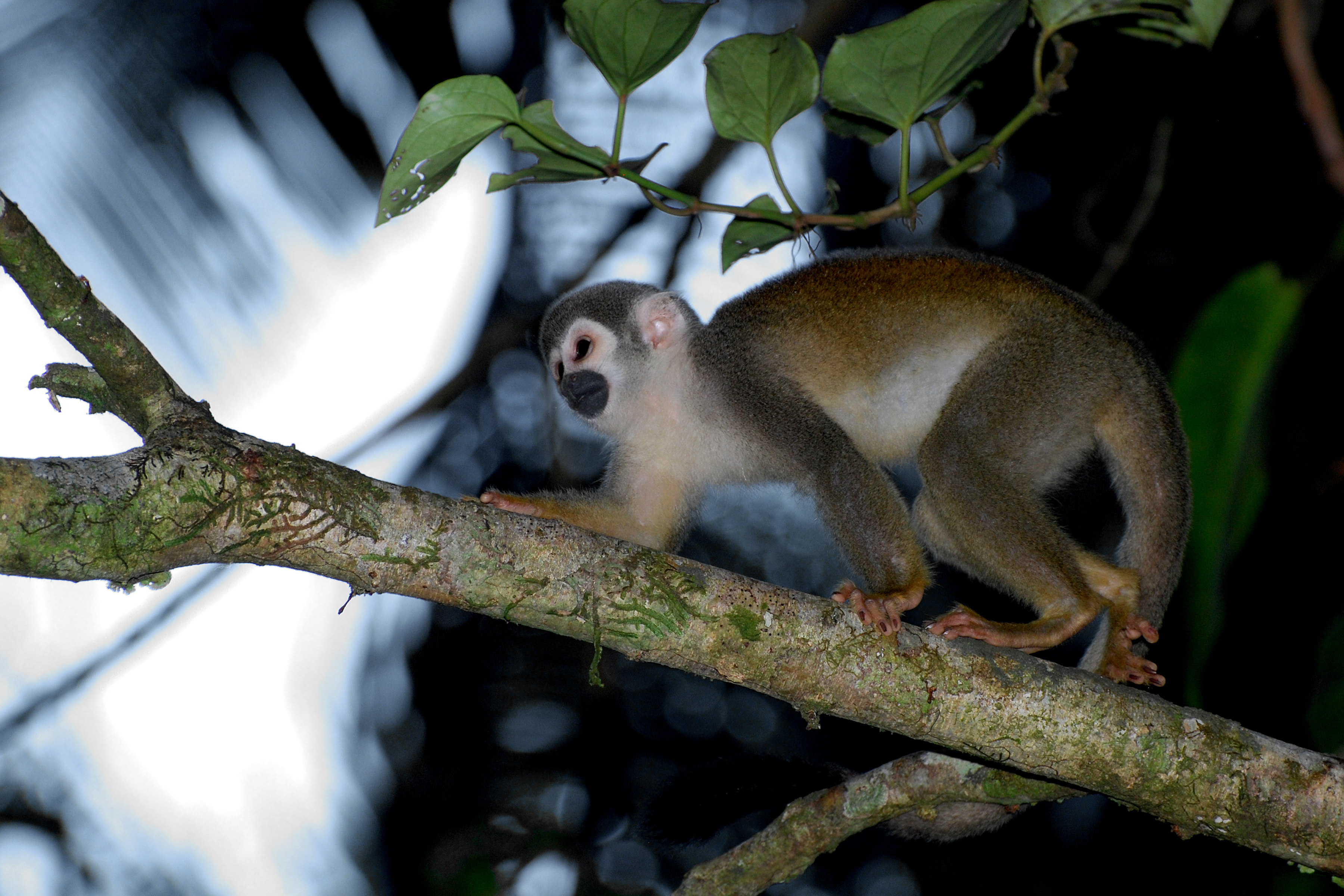
Guianan squirrel monkey in Ecuador; ggallice (Geoff Gallice) - https://commons.wikimedia.org/w/index.php?curid=13276099
Guianan squirrel monkey in Ecuador
ggallice (Geoff Gallice)
https://commons.wikimedia.org/w/index.php?curid=13276099

Three adult male Guianan squirrel monkeys (over three years old) were subjected to brutal brain damage—and then killed—to see the effects on the part of the brain controlling their hands (Sengupta et al 2025). The experiment was done at Vanderbilt University in the state of Tennessee in the USA, and approved by their animal use committee. It was supported by the US tax payer through grant NS078680, comprising many millions of US dollars, from the National Institute of Neurological Disorders and Stroke, a branch of the National Institutes of Health.

Before being subjected to brain surgery, the researchers determined which was the preferred hand in each monkey. With this information, they anaesthetised the monkeys and performed craniotomies in order to access the portion of the brain controlling hand movements. After cutting open the skull and determining the relevant brain region, they used a combination of electric currents and a poison to destroy that part of the brain. One of the monkeys had to have two such surgeries because the first one did not produce the desired loss of hand function. Another monkey had to have a second destruction surgery for reasons not stated. The monkeys were kept alive for as many as 46 weeks.

After these surgeries, the monkeys were unable to use their preferred hand normally. They were reluctant to use the hand for climbing and were unable to handle food normally. Whether there were other negative welfare consequences was not mentioned by the researchers. The monkeys were tested to see how impaired their hand use was and then subjected to additional anaesthesia and craniotomies to compare responses to stimuli with those that had been recorded before the brains were damaged. After this, they individuals were killed (euphemistically referred to as euthanized by the researchers).

Nothing of value for advancing the quality of human health was derived from this exceptionally cruel and brutal experiment. The public are repeatedly told that non-human primates are used in research only when absolutely necessary and only when there are no other alternatives available. This shameful experiment, which resulted in substantial suffering for the monkeys, followed by death, demonstrates the meaningless nature of such assurances and a lack of commitment to stop using non-human primates. Not only is the information in monkeys irrelevant to people given the fundamental differences between the two species, humane and ethical clinical studies have been and can continue to be done on human patients and volunteers in order to get data that are directly applicable to people. The monkeys in this experiment had to endure the stress of captivity, major survival surgery—twice— and death, clearly contrary to the Replacement criterion for the 3Rs.

What you can do to help:

  • Click here – Dr Koroshetz – to create sample message you can edit and send to the director of the funding agency as well as those listed in box below; if you are using Web-based mail, use buttons below box to copy information to Clipboard for pasting into relevant parts of a blank message.
  • If you are a US citizen, also let your President, Representative and Senators know that you do not approve of your taxes being used to fund such inhumane experimentshttps://www.usa.gov/elected-officials
  • If you are an alumnus of Vanderbilt University, let them know that you will not support the alumni association unless the university discontinues research on non-consenting beings: onlinegiving@vanderbilt.edu

Cited information:

  1. Sengupta, Anirban; Yang, Pai-Feng; Reed, Jamie L.; Mishra, Arabinda; Wang, Feng; Manzanera Esteve, Isaac V; Yang, Zhangyan; Chen, Li Min and Gore, John C. 2025-02-11 Correspondence between thalamic injury-induced changes in resting-state fMRI of monkeys and their sensorimotor behaviors and neural activities NeuroImage: Clinical 45:103753

Craniotomy:

This is a surgical procedure to access the brain. Typically, an area on the head is shaved. An incision is made through the skin and tissues underlying it, down to the surface of the skull, in such a way as to create a flap that can be pulled away to expose the skull. Depending on what type of access to the brain is required, holes may be drilled through the skull into the brain cavity, for example for injections, or a portion of the bone may be cut out in order to implant a bank of electrodes. When done, bone cement may be used to fill in the hole in the skull and the overlying tissues sutured.
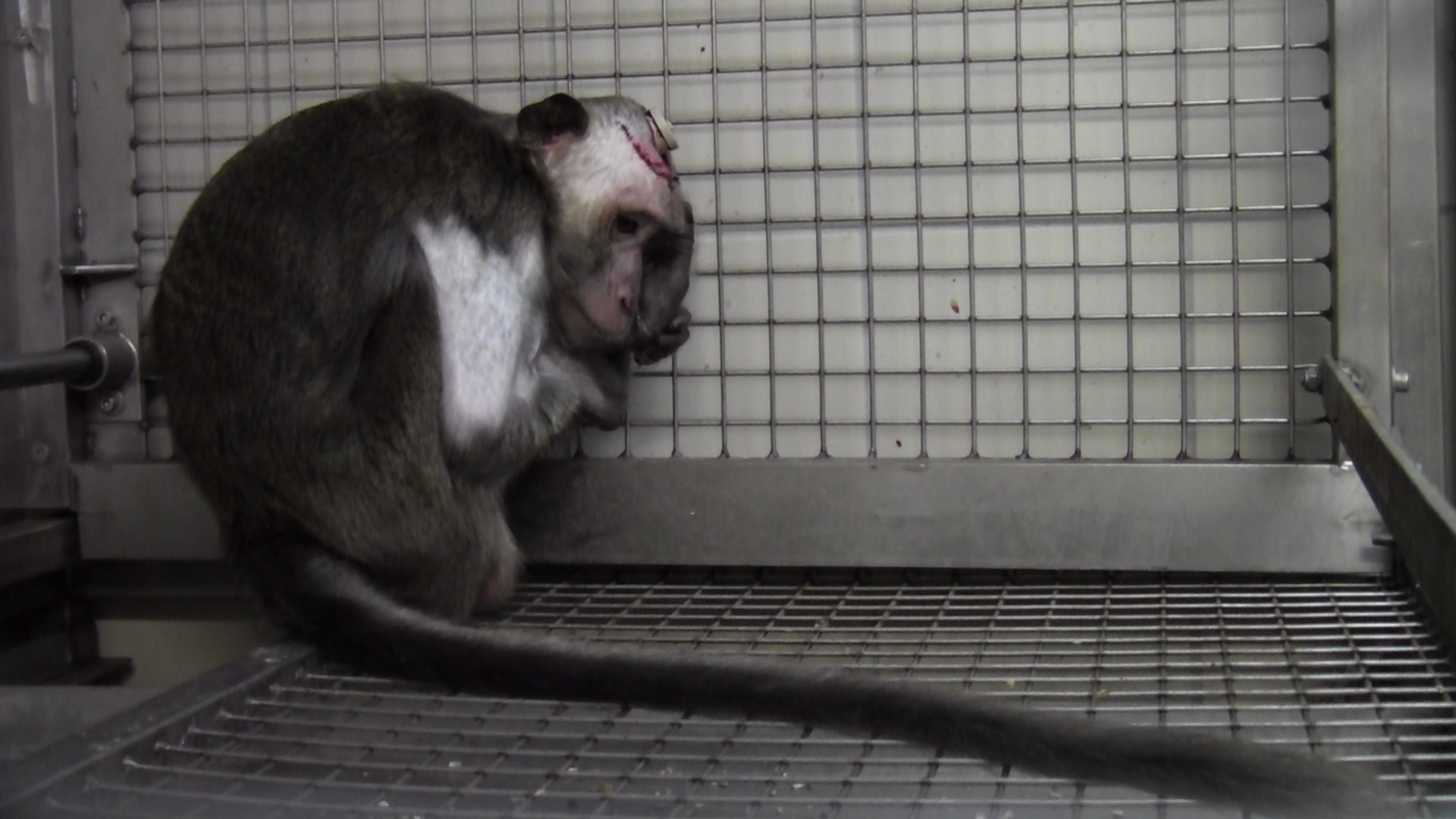
Long-tailed macaque who had had a craniotomy; SOKO Tierschutz/Cruelty Free International

Information on NIH grant support (funding) is taken verbatim from relevant publications. If you have difficulty with any links provided, you can do your own search through the NIH RePORTER site: https://reporter.nih.gov/, by copying and pasting the grant number into the Search field on the form.

Be aware that some grants include funds for more than experiments on non-human primates.


www.actionprimates.org