Translate

zondag 31 augustus 2025

Bali is working hard on a better animal welfare image for aimals in the tourist industry: animal rescue organisations are achieving hope abused animals


Umah Lumba is worlds first dolphin rehabilitation center and sanctuary. It was constructed in West Bali, Indonesia by the conservation authorities BKSDA Bali, Dolphin Project and JAAN.( Jakarta Animal Aid Network )


https://www.jaanindonesia.org/about-us  Jakarta Animal Aid Network


This facility created new hope for rescued dolphins who previously had to entertain visitors inside a hotel swimming pool. Seized by the authorities in August 2019, the dolphins were entrusted in our care. In the specially built sea enclosures, rescued dolphins can adapt to live independently in the sea again.


The dolphins seem to be having so much fun. In fact they are deprived of fish to eat untill they do what they are taught. It is unethical


Swimming with dolphins


In Indonesia and Bali there are a number of places where tourists can swim with dolphins. For many people that sounds like a dream come true. They are beautiful, graceful and always have a smile on their face (a purely anatomical feature that tells nothing about their emotions). People think that the animals are having a good time, which is anything but true.

Dolphins should not live in captivity. After being snatched away from their families, they live with strange peers in pools that are way too small and in which they cannot hunt, play or communicate with other dolphin groups via sonar. In captivity, the animals turn off their sonar because the walls of the cage bounce off the sound: for dolphins, this is maddening. Without sonar it is not possible to catch fish themselves, so the animals perform every trick just to be rewarded with food.


Sea turtle rehabilitation  


This new part of the program started in 2022 when we received sea turtles from the authorities, all confiscated from the illegal trade. Within one year, we received 109 rescued green sea turtles, all confiscated from illegal traders. Besides illegal wildlife trade, the main threat to turtles in need of our care is plastic pollution and ghost fishing net entanglements.


Removing a fish hook from a turtle


zaterdag 30 augustus 2025

World's largest threatened bear cub rescue and the liberation of 3 bears enjoy 2 video's with a happy end


Success! Thanks to your kind support, 3 moon bears have been rescued from horrific conditions & we've closed down a bear bile farm. The bears, 2 males & a female, are now safely recovering in the Quarantine House of our Luang Prabang Wildlife Sanctuary. Thank you to everyone who has supported this rescue!

It looks a bit strange but newly born bears have a balloon tummy. The bear is not illl

A key reason for bear rescues in South-East Asia is the illegal wildlife trade and the easiest target for wildlife traders are cubs. A mother bear would never willingly part with her cub, meaning most cubs traded have already witnessed their mother's death.


Free the Bears has become a world leader in rescued cub care. Some of the cubs we receive are as young as a month old. They cannot crawl and require 24 hour care, as well as 7 feeds a day.


Free the Bears hopes that one day rehabilitated bears will be able to be released back to the wild. This huge undertaking involves studies of bear behaviour and welfare as well as research on protected areas for safe release.

Meanwhile, these bears need to be looked after at our world-class sanctuaries.  They need rehabilitation, food, living space, enrichment activities, medical provisions and lots of care. We rely on your support to help us help these bears. Learn more about becoming a Bear Carer here

SEND A CUB CARE KIT

vrijdag 29 augustus 2025

Electric currents and poison used to destroy monkey's brains at Vanderbilt University in US resulting in nothing of value for human health from this cruel and brutal experiment


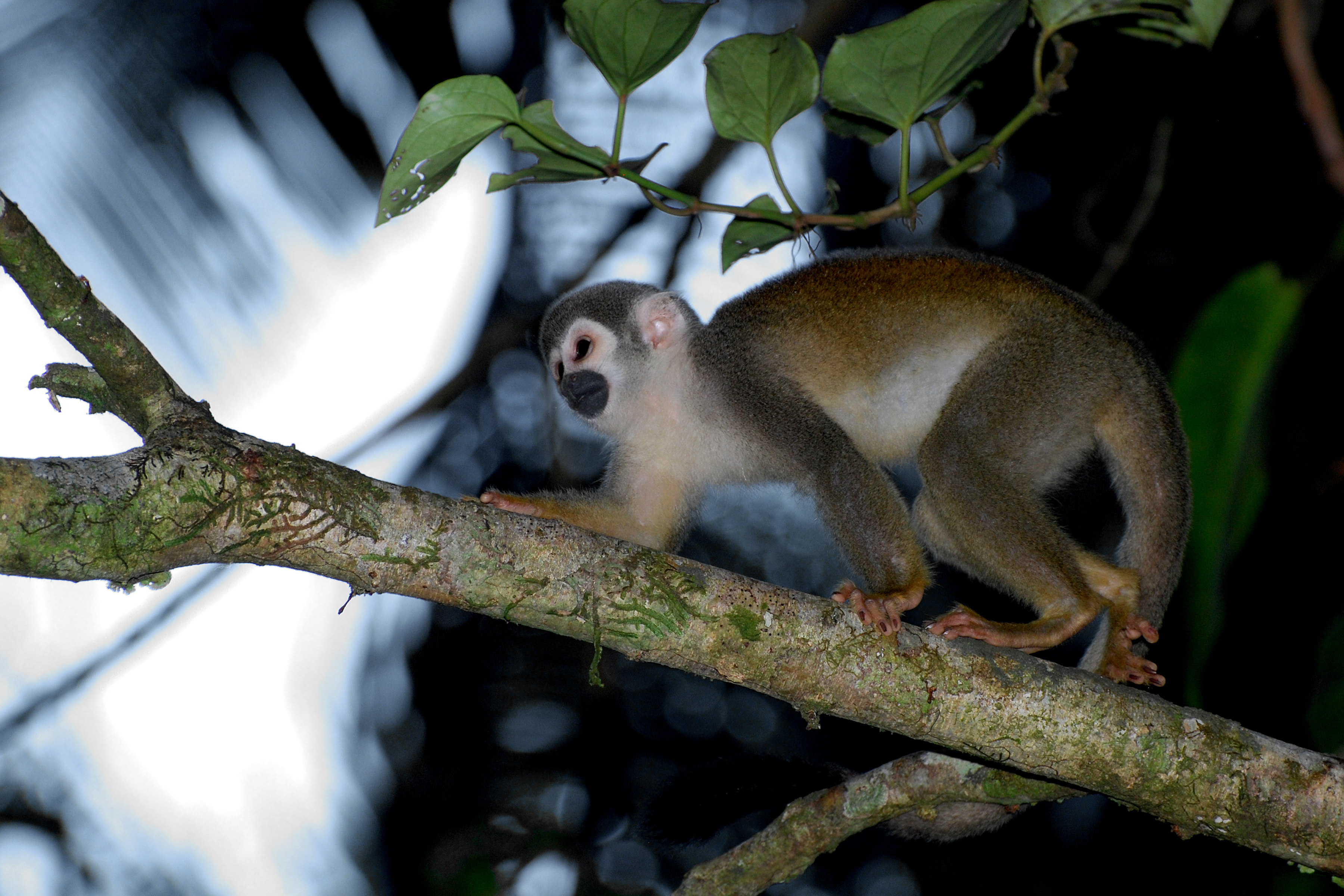
Guianan squirrel monkey in Ecuador; ggallice (Geoff Gallice) - https://commons.wikimedia.org/w/index.php?curid=13276099
Guianan squirrel monkey in Ecuador
ggallice (Geoff Gallice)
https://commons.wikimedia.org/w/index.php?curid=13276099

Three adult male Guianan squirrel monkeys (over three years old) were subjected to brutal brain damage—and then killed—to see the effects on the part of the brain controlling their hands (Sengupta et al 2025). The experiment was done at Vanderbilt University in the state of Tennessee in the USA, and approved by their animal use committee. It was supported by the US tax payer through grant NS078680, comprising many millions of US dollars, from the National Institute of Neurological Disorders and Stroke, a branch of the National Institutes of Health.

Before being subjected to brain surgery, the researchers determined which was the preferred hand in each monkey. With this information, they anaesthetised the monkeys and performed craniotomies in order to access the portion of the brain controlling hand movements. After cutting open the skull and determining the relevant brain region, they used a combination of electric currents and a poison to destroy that part of the brain. One of the monkeys had to have two such surgeries because the first one did not produce the desired loss of hand function. Another monkey had to have a second destruction surgery for reasons not stated. The monkeys were kept alive for as many as 46 weeks.

After these surgeries, the monkeys were unable to use their preferred hand normally. They were reluctant to use the hand for climbing and were unable to handle food normally. Whether there were other negative welfare consequences was not mentioned by the researchers. The monkeys were tested to see how impaired their hand use was and then subjected to additional anaesthesia and craniotomies to compare responses to stimuli with those that had been recorded before the brains were damaged. After this, they individuals were killed (euphemistically referred to as euthanized by the researchers).

Nothing of value for advancing the quality of human health was derived from this exceptionally cruel and brutal experiment. The public are repeatedly told that non-human primates are used in research only when absolutely necessary and only when there are no other alternatives available. This shameful experiment, which resulted in substantial suffering for the monkeys, followed by death, demonstrates the meaningless nature of such assurances and a lack of commitment to stop using non-human primates. Not only is the information in monkeys irrelevant to people given the fundamental differences between the two species, humane and ethical clinical studies have been and can continue to be done on human patients and volunteers in order to get data that are directly applicable to people. The monkeys in this experiment had to endure the stress of captivity, major survival surgery—twice— and death, clearly contrary to the Replacement criterion for the 3Rs.

What you can do to help:

  • Click here – Dr Koroshetz – to create sample message you can edit and send to the director of the funding agency as well as those listed in box below; if you are using Web-based mail, use buttons below box to copy information to Clipboard for pasting into relevant parts of a blank message.
  • If you are a US citizen, also let your President, Representative and Senators know that you do not approve of your taxes being used to fund such inhumane experimentshttps://www.usa.gov/elected-officials
  • If you are an alumnus of Vanderbilt University, let them know that you will not support the alumni association unless the university discontinues research on non-consenting beings: onlinegiving@vanderbilt.edu

Cited information:

  1. Sengupta, Anirban; Yang, Pai-Feng; Reed, Jamie L.; Mishra, Arabinda; Wang, Feng; Manzanera Esteve, Isaac V; Yang, Zhangyan; Chen, Li Min and Gore, John C. 2025-02-11 Correspondence between thalamic injury-induced changes in resting-state fMRI of monkeys and their sensorimotor behaviors and neural activities NeuroImage: Clinical 45:103753

Craniotomy:

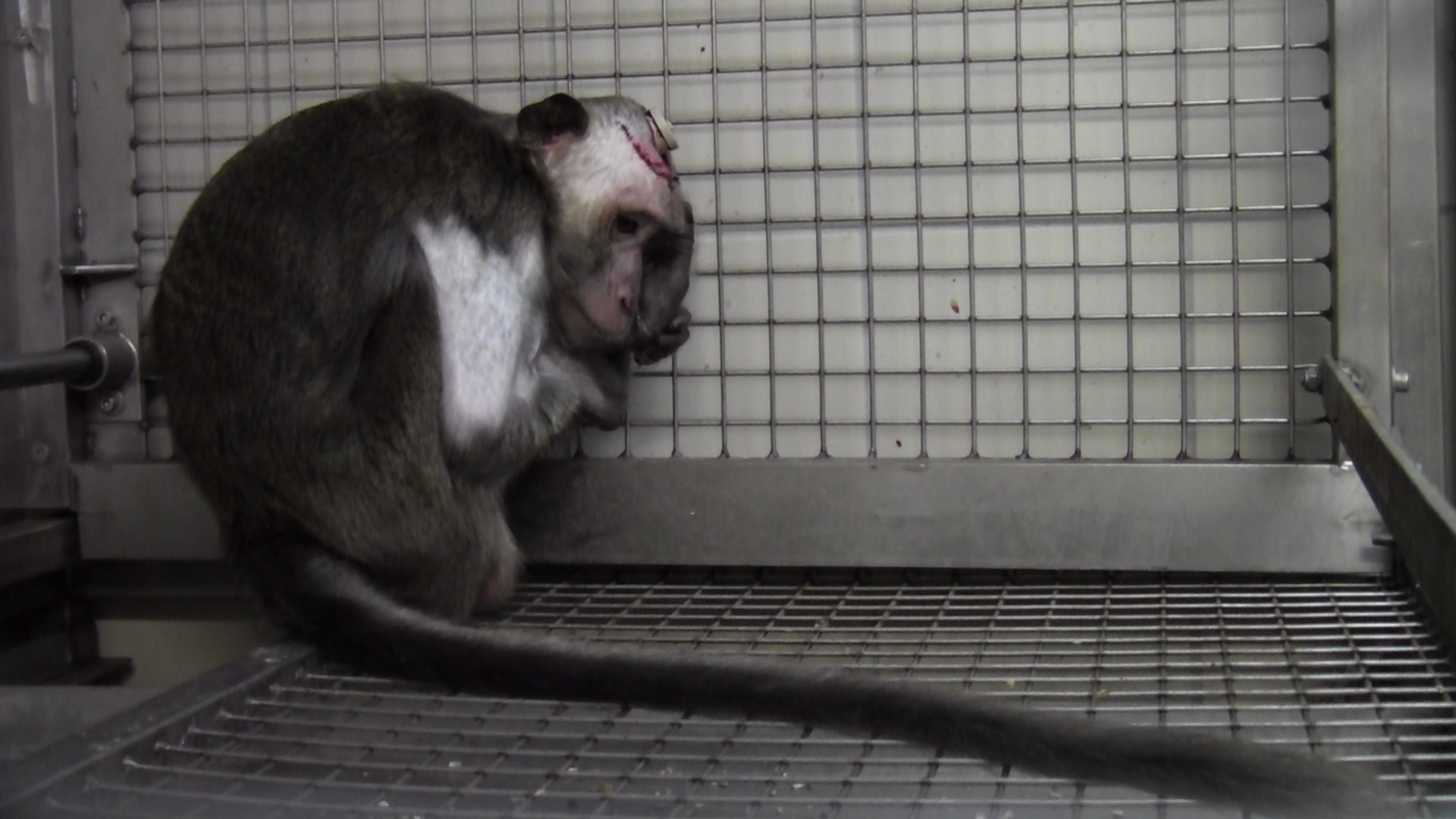
This is a surgical procedure to access the brain. Typically, an area on the head is shaved. An incision is made through the skin and tissues underlying it, down to the surface of the skull, in such a way as to create a flap that can be pulled away to expose the skull. Depending on what type of access to the brain is required, holes may be drilled through the skull into the brain cavity, for example for injections, or a portion of the bone may be cut out in order to implant a bank of electrodes. When done, bone cement may be used to fill in the hole in the skull and the overlying tissues sutured.
Long-tailed macaque who had had a craniotomy; SOKO Tierschutz/Cruelty Free International

Information on NIH grant support (funding) is taken verbatim from relevant publications. If you have difficulty with any links provided, you can do your own search through the NIH RePORTER site: https://reporter.nih.gov/, by copying and pasting the grant number into the Search field on the form.

Be aware that some grants include funds for more than experiments on non-human primates.


www.actionprimates.org


donderdag 28 augustus 2025

In New Zealand children of all ages are encouraged to catch and shoot cats, with cash prizes for the most cats killed.( Graphic photos )


Introduced to the island nation by early settlers and left to breed unchecked, New Zealand is home to millions of homeless cats. Forced to survive on their own, these innocent animals hunt native species – a human-caused situation that the hunters are using as an excuse for their bloodsports. 


Credit: Facebook/North Canterbury Hunting

But the strawman of conservation quickly falls apart at the annual weigh-in, where hunters bring hundreds of animal corpses to try and claim the prizes. Here, hunters taunt animal rights protesters with dead cats and ferrets, dress up in outfits mocking local welfare movements, and drag dead animals through obstacle courses for ‘fun.’ 

Last year, facing international backlash, the hunt’s organizers restricted the cat-hunting category to those aged 14 and older. This year, the age restriction has been removed – now, if a child can hold a gun, the hunters will let them shoot cats.


Credit: Facebook/North Canterbury Hunting

Killing cats does nothing to protect local species. This is nothing more than a celebration of suffering and death.

The real tragedy is that the hunt won’t fix anything. As has been proven time and time again, killing cats simply creates a vacuum effect: More cats move in, taking advantage of the available resources and breeding indiscriminately, and the cycle of cruelty continues year after year.

There is a better way to protect both cats and native wildlife – and it works.

We’re fighting to end this horrific hunt by supporting humane, effective alternatives like Trap-Neuter-Vaccinate-Return (TNVR) and rescue programs run by local heroes like our partner, Cat Rescue Christchurch.

But in a nation where even the government is slaughtering cats by the thousands, we need all the help we can get to save innocent animal lives.


There is a better way to protect both cats and native wildlife – and it works.


We’re fighting to end this horrific hunt by supporting humane, effective alternatives like Trap-Neuter-Vaccinate-Return (TNVR) and rescue programs run by local heroes like our partner, Cat Rescue Christchurch. https://catrescue.org.nz/stray-cat-assistance/faq-2/

But in a nation where even the government is slaughtering cats by the thousands, we need all the help we can get to save innocent animal lives.


woensdag 27 augustus 2025

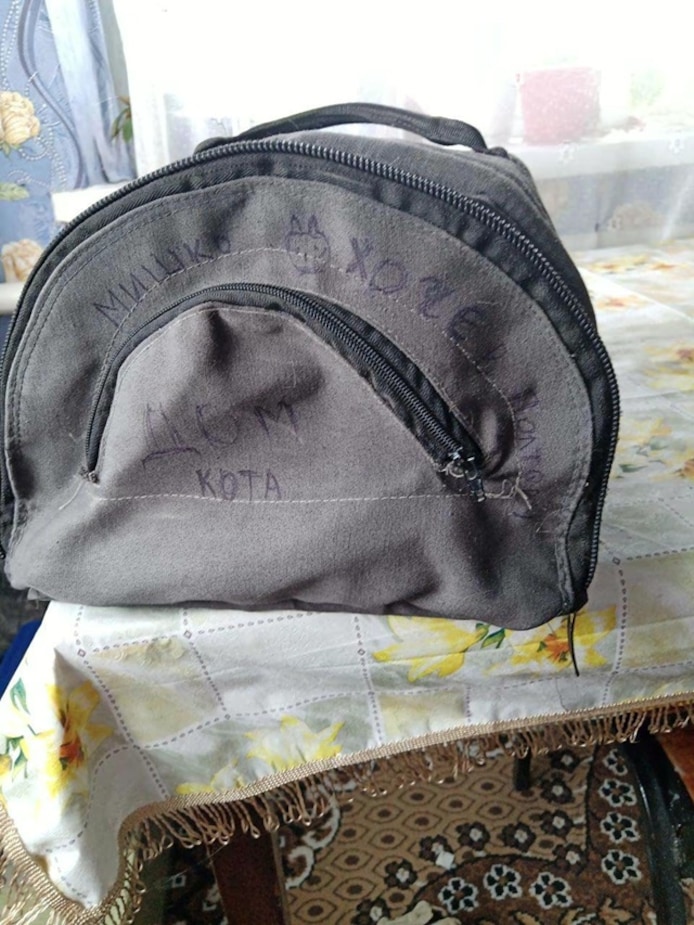
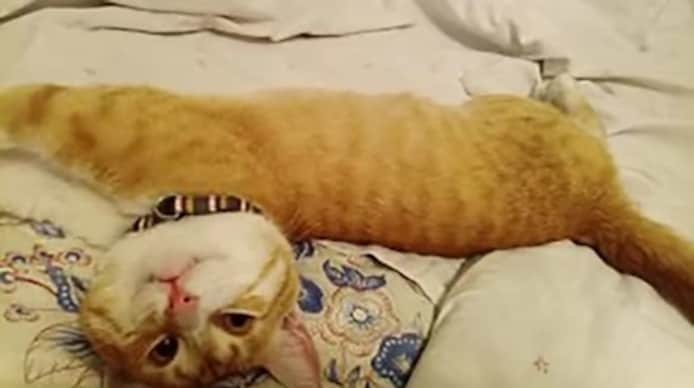
Touching story: Ukrainian soldier released from Russian penal colony after 6.5 years with cat Myshko who helped him survive the hell


He was imprisoned in a Russian penal colony for nearly seven years. Yet, Ukrainian soldier Stanislav Panchenko (26) did not leave that dark place alone. In his arms, he carried a silent witness to his suffering: the tomcat Myshko, who had been his support and confidante all those years. It is a statue that symbolizes the resilience of Ukrainian prisoners of war and the strong bond between humans and animals.

dinsdag 26 augustus 2025

From pain and fear to smiles and trust: The wondeful achievements of Animal Aid Unlimited India ( video's)


https://www.animalaidunlimited.org/what-we-do/rescue/ This link to the rescue shelter is heartwarming. In India so much love and help for animals in need. 

...

[Bericht is afgebroken]  Hele bericht bekijken