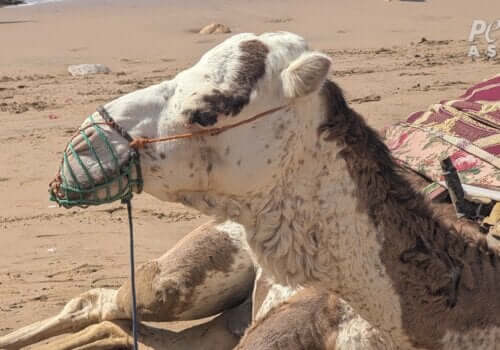
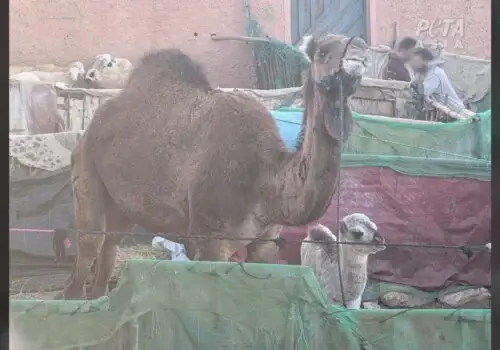
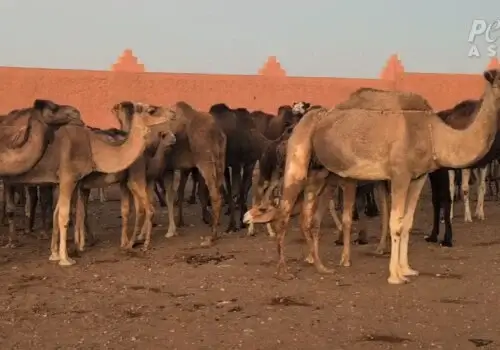
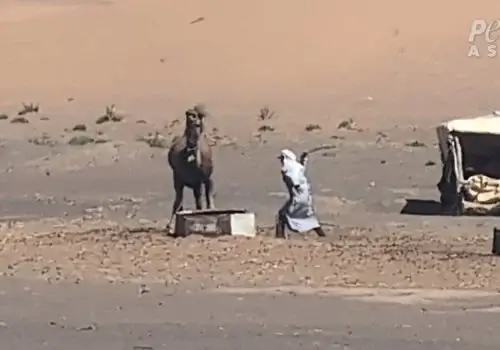
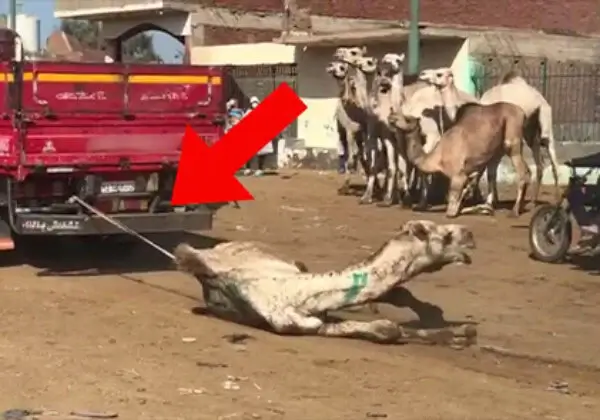
The shocking footage shows camels tethered with ropes only a few meters long, exposed to a heavy sandstorm, and forced to transport tourists all day in the scorching heat. One operator was filmed repeatedly hitting a tethered camel with a long stick as the animal desperately tried to avoid the blows. A ride operator told investigators that camels, which can live up to 40 years, are typically used for about five years. After that, they are killed or sold for their meat.
See the individual
Camels are intelligent, social creatures with needs, desires, and interests. When free to roam in their natural habitat, they live in herds and communicate with each other through sounds and body movements. As a sign of friendship, camels sometimes blow on each other's faces. But these animals endure a lifetime of misery and suffering in the tourist industry.

Global pattern of cruelty
Previous PETA Asia investigations into camel and horse riding in Egypt revealed similar abuses: animals were beaten bloody, forced to carry people in the scorching heat without shade or water, and, if old, sick, or injured, were dumped as waste or sent to slaughter. Following information from PETA entities, Airbnb, Flash Pack, Scott Dunn, Travel Republic, and many other companies have pledged to stop promoting animal rides at the Giza Pyramids.

How you can help
Tourists who pay for camel rides perpetuate this heartless, inhumane industry. Whether in Morocco, the United Arab Emirates, Jordan, Gran Canaria, Egypt, or anywhere else, camel rides and excursions are a form of camel exploitation . If you're planning a vacation, leave animals out of your itinerary.
Take action for animals abused and exploited for tourist trips:


Geen opmerkingen:
Een reactie posten