Translate

Posts tonen met het label abuse. Alle posts tonen

vrijdag 28 augustus 2026

From helplessness to happiness: 20 years moonbear Dawn endured abuse, confined to a rusty cage, her spirit crushed due to repeated bile extraction


Bears  Twilight, Dawn and Dotti, This is their story:

Dawn

From helplessness to happiness


Voor over two decades, Dawn, a moon bear endured the unimaginable. She was confined to a dark, rusty cage on a bile farm – her body exploited, her spirit crushed. When our rescue team arrived to bring her home to our sanctuary in 2023, she didn’t even look up. She simply swayed her head in endless repetition – a heartbreaking sign of ‘learned helplessness’.

It was as though she’d given up. No sounds or smells stirred her. No treats enticed her. Her will to live had been all but extinguished. This wasn’t just physical trauma – this was deep emotional despair.

The deepest scars

Dawn’s first health check revealed decades of silent suffering. Her teeth were shattered from desperately chewing her cage bars. Her gall bladder was inflamed from repeated bile extraction. She was riddled with arthritis, had a misshapen spine, and her blood pressure was dangerously high. 

The diagnosis was devastating, but her emotional state was what really worried us – bear carer Sarah van Herpt said Dawn was ‘one of the most broken bears’ she’d ever seen. Dawn was totally unresponsive, isolated and unreachable. As we stood by her side, the weight of responsibility felt overwhelming. Would we ever be able to get through to her?

Slowly building trust


We refused to give up. We met her silence with compassion. Day after day, our carers offered soft voices, calming music, gentle movements. We worked with specialists to create a tailored plan of recovery, including antidepressants to ease her emotional pain, carefully chosen toys and natural browse, and unwavering routine.

Every meal was an opportunity to rebuild trust. Every day brought a chance to see a flicker of light in her eyes. Slowly, with patience and love, we began to see tiny signs – her ears twitching at a familiar voice, a small stretch of her paw, the beginning of presence.

Her first smile

Once she was ready, her carers moved Dawn to a den which had beds, hammocks, enrichment and its own pool. Dawn had responded well to water in quarantine so we were hopeful she would enjoy a dip, but we weren’t prepared for quite how much she loved it! She splashed and played for hours – sending water flying, soaking herself and her carers who were standing by watching. For the first time, Dawn was smiling.

Reunited in joy

Shortly after, Dawn was integrated with two other bears from the farm she was on – Dotti (previously called Midnight) and Twilight. Her carers watched with bated breath – how would they react to each other? But we didn’t need to worry! The trio started playing together immediately, all three with big smiles on their faces. Dawn surprised us all – we thought Dotti and Twilight would initiate play, but it was Dawn who jumped all over them, got the zoomies and crashed around the den with sheer delight. It was as if their presence unlocked something deep within her – a reason to live. It was like watching her soul return.

Our brave girl

And then it was time for Dawn to step outside. When her den door opened to the outside world, she was understandably tentative. She lifted her nose to the breeze, blinked in the sunlight, and bravely touched her paw down on natural ground for the first time in over 20 years. We watched in awe – and tears – as she took in the world she’d been denied for so long.From that day on, progress came in joyful waves. Dawn began exploring, foraging and splashing in her pool. She was finally becoming the bear she was always meant to be.


maandag 13 oktober 2025

Animal Equality's UK reveal horrific animal abuse and neglect in pig farms Southwest England in Spain, Italy, Germany and US ( graphic video)


  • Animal Equality’s UK Executive Director–joined by photographer Aitor Garmendia–revealed distressing footage from Cross Farm, a Red Tractor-certified pig farm in Southwest England.
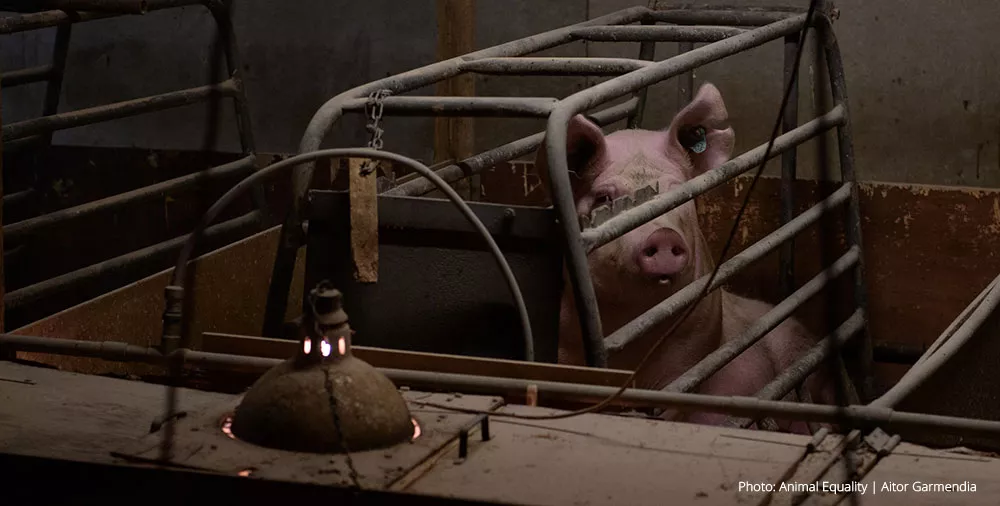
  • Mother pigs were kept in farrowing crates, unable to turn around, with piglets subjected to mutilations without anesthesia.
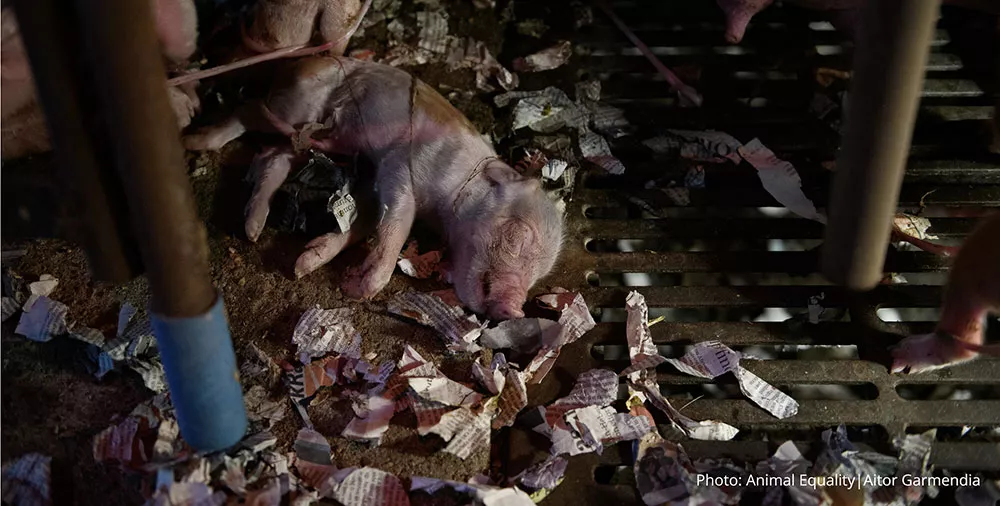
  • The investigation found dead piglets, unsanitary conditions, and evidence of psychological distress among the pigs.
  • Cross Farm, previously exposed for similar abuses in 2017, continues to operate despite its history and recent findings.
  • Animal Equality has partnered with a law firm to file a formal complaint, citing potential breaches of animal protection laws.

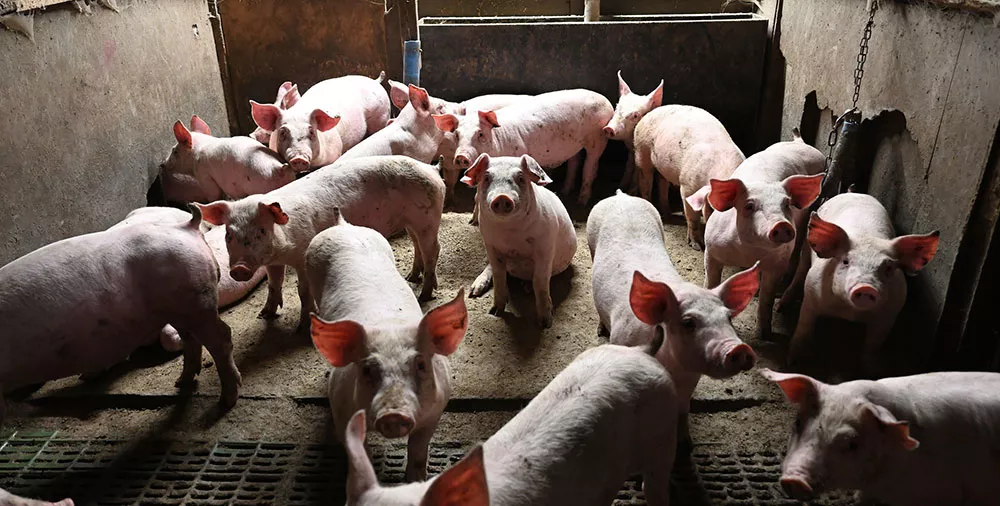
Animal Equality’s UK Executive Director–alongside award-winning photographer Aitor Garmendia–has uncovered distressing animal suffering within a UK pig facility known as Cross Farm. Despite its Red Tractor certification–which claims to ensure high standards of animal welfare–the farm’s practices appear to tell a different story.

The Southwest English farm confines about 12,000 pigs at any given time. Female pigs are kept in small cages known as “farrowing crates.” These cages confine pregnant pigs shortly before giving birth and for several weeks after they have given birth, typically for 4-5 weeks each time. The space of the crates is so small that the mother pigs are prevented from turning around. These pigs endure constant confinement and stress, repeatedly giving birth to piglets destined for the UK pig meat market. Eventually, mother pigs are also slaughtered.

Cross Farm supplies Tesco, one of the UK’s largest supermarket chains. The investigative findings, recently highlighted in The Daily Mail and The Times, raise questions about the true value of “high-welfare” labels. They also provide further evidence for the need to shift towards a plant-based food system.

Dead piglets, cages, and decaying corpses

Animal Equality UK’s Executive Director–Abigail Penny–and a team of investigators visited the farm six times across 2023 and 2024. They captured over 100 hours of footage. 

They found: 

  • Piglets “thumped” against concrete walls with enough force to kill them
  • Piglets having their tails cut off and teeth clipped without anesthesia
  • A piglet thrown by workers across the shed
  • Dead piglets throughout the farm, with paperwork noting deaths from starvation, sickness, or crushing
  • A bin full of dead piglets and rotting corpses on the barn floor
  • Mother pigs biting at the bars of their metal cages from psychological distress
  • A pig, caught beneath metal bars while trying to turn, suffering from deep, bloody wounds
  • Mother pigs with raw leg sores and injuries to their genitals from repeated cycles of giving birth
  • Filthy conditions in the barns, with cobwebs and dust throughout

"Having visited Cross Farm personally on several occasions, I witnessed the suffering of these animals first-hand. I looked caged mother pigs in the eye and their deep sorrow will stay with me forever."

Abigail Penny, Executive Director, Animal Equality UK

Cross Farm won the National Pig Award in 2016 and 2017. This year, Adrian Russell–a Director at Cross Farm–ran for an elected seat on the National Pig Association Pig Industry Group. Although he didn’t win, Adrian has worked in the pig industry for over 30 years.

Cross Farm has been exposed for its disturbing practices before. In 2017, after a tip-off, Animal Equality filmed pigs in leaking, rundown buildings, covered in liquid manure, and lying in their own waste. Investigators also recorded pigs with their tails cut off, others suffering from large hernias, as well as pregnant pigs in concrete pens without anything to keep them occupied.

Animal Equality 2017 Cross Farm Investigation

In March, Glass Wall Films released footage from another Cross Farm investigation. Captured in late 2023, the footage shows dead piglets and decomposing bodies, pigs engaging in cannibalism due to the stressful and unnatural conditions, caged pigs with untreated wounds, and cramped, filthy conditions.

Formal complaint to authorities

Animal Equality has instructed Advocates for Animals, a law firm, to file a formal complaint with the UK’s Trading Standards and the Animal, Plant, and Health Agency. Animal Equality believes there are several potential legal breaches, including the treatment and killing of piglets, untreated injuries to pigs, piglet carcasses, lack of stimulation for caged pigs, and unsanitary conditions found throughout the farm.

The potential breaches to animal welfare laws seen in the footage captured by Animal Equality is very concerning.

Taylor Mcleod, Solicitor, Advocates for Animals

Typical of the industry, experts claim

Animal Equality’s investigations repeatedly show that animals suffer for meat, and experts agree.

Dr. Alice Brough, a veterinarian who worked with UK pig producers from 2015 to 2019, says, “Most of what we see here is typical of the industry as a whole… very little of UK pig farming is suitable for the eyes of the public.”

Pig in crate at Cross Farms UK

Eva Read, a PhD candidate at the London School of Economics, agrees. She has researched commercial pig farming in the UK and studied pig vocal communication in France, and is familiar with typical British farming practices.

"This footage is distressing, not because it is an example of extreme but rare horrors that are possible in UK pig farms, but rather because it is not rare. I see here standard practice and that is what should motivate us all to demand better."

Eva Read, PhD candidate, London School of Economics and Political Science

Legal enforcement lacking in the UK

In 2022, Animal Equality and The Animal Law Foundation released a groundbreaking report on “The Enforcement Problem.” Our teams found that fewer than 3% of the UK’s 290,000 farms are inspected annually, and only 0.33% of complaints lead to prosecution.

The report also reveals that nearly three-quarters of pigs have their tails cut off without pain relief to prevent tail-biting, a painful practice caused by stress, inadequate space, and lack of stimulation.

Global response to pig farming cruelty

This investigation highlights pig farming issues that resonate globally. Animal Equality’s investigators have found piglets’ body parts strewn about Italian farms, cannibalism amongst pigs in Spain, and severe, deliberate abuse on one of Germany’s largest pig farms. 

In the UK, previous investigations have found piglets hammered to death in “high-welfare” facilities. 

Similar problems are rampant in the United States, where factory farms subject pigs to extreme confinement, painful procedures without anesthesia, and unsanitary conditions. Critics note that inspections are infrequent and legal enforcement is lacking, allowing these illegal practices to continue.

Animal Equality needs your support to eliminate factory farming cruelty. By signing the U.S. petition, you can advocate for stronger regulations and a future where animals are respected and protected. 


zondag 7 september 2025

Good news: Colombia prohibits bullfighting, and all other public spectacles involving animal abuse "if it harms animals it is banned "

https://www.ad-international.org/adi_home/


 Colombia’s Plenary Chamber of the Constitutional Court has unanimously endorsed Law 2385 of 2024, which prohibits bullfighting in Colombia, declaring the law constitutional. Furthermore, the Court extended the ban to other public spectacles involving abuse, such as cockfights, corralejas (anyone in the audience runs after bulls and attacks them with various objects), and coleo (a practice derived from the vaquería where bulls are knocked down from a horse). The Court has allowed a three-year period for implementation of the new law.


This is Coleo 'terrorising the bull'

The Court’s decision is consistent with Ruling 283 of 2014, upholding the Law banning the use of wild animals in circuses promoted by ADI, which includes the provision that even if a spectacle is deemed ‘cultural’, if it harms animals, it is banned.

Both birds have small sharp blades attached causing injuries and death to the lozer The whole horrific idea is to put money on the winnar.

ADI applauds the Constitutional Court's decision and thank everyone who has joined this extensive and intense campaign. It has taken years of lobbying in Congress, evidence given in hearings, street activism, organizing public events, and presenting interventions to defend the law against the various constitutional challenges which were filed. The animals won!

zondag 8 juni 2025

Wildlife Friends Foundation Thailand ( WFFT) Is tackling the biggest challenge yet ending coconut monkey abuse in Thailand


WFFT is tackling its biggest challenge yet: ending the abuse of pig-tailed macaques in the coconut industry. Please join us in making history. Donate today to enable the first phase of this project—building new facilities to rescue coconut monkeys from extreme cruelty.


On a chain 24 hours a day

Monkeys used and abused to collect coconuts endure some of the worst animal cruelty. For years, we’ve rescued macaques exploited in coconut harvesting. Now, we’re focused on phasing out this practice and, over time, ending it for good.


Horrific living conditions with dirty water and very little food

Over the past year, we’ve rallied support from key stakeholders, including the coconut industry and Thai authorities, to create lasting change. Our mission is to stop vulnerable, endangered pig-tailed macaques from being stolen from the wild, chained, beaten, and forced to climb trees to harvest coconuts. At the same time, we’re pushing for stricter welfare regulations and better licensing to protect macaques who are still suffering.

Together with companies that represent around 90% of Thailand’s coconut exports and in collaboration with Thai authorities, we’re taking real, meaningful action to end this exploitation.

However, with an estimated 3,000 macaques still living in dire conditions, there’s much work ahead. To make this vision a reality, we urgently need funds for land and to build facilities where these primates can recover and live in lifelong sanctuary.

Whether you’re an animal lover or a business seeking to make a difference, your support matters. Only together can we create a cruelty-free future for these wild animals.


https://www.wfft.org/primates/coconut-monkey-labour-mou/


https://www.wfft.org/primates/end-monkey-abuse-in-the-coconut-industry/


To the Right on the photo Erwin Wiek founder of WFFT . Government officials sighned a document for better conditions for the monkeys. 


vrijdag 6 juni 2025

Victory! The US Navy has announced a ban on all experiments involving cats and dogs marking the end of government funded animal abuse


In a landmark win for animals and taxpayers alike, the U.S. Navy has officially announced a ban on all experiments involving dogs and cats, marking the end of a long, painful chapter of government-funded animal abuse.


This historic policy change comes just 10 days after White Coat Waste Project (WCW) successfully shut down a $10 million Navy-funded laboratory where crippled cats were subjected to cruel electroshock experiments, including tests related to constipation and erectile dysfunction. Thanks to WCW’s relentless investigation and public campaign, this lab, and all future Navy tests on dogs and cats, are now a thing of the past.


White Coat Waste investigators first uncovered these barbaric practices, exposing them to the public through international media outlets. The shocking revelations mobilized a massive grassroots response made up of concerned taxpayers, animal lovers, and pet owners across the country.

“White Coat Waste didn’t just shut down this one cat crippling lab—we ended all future dog and cat testing by the Navy, for good. As someone who’s proudly adopted several cat survivors who were rescued after White Coat Waste shut down their labs, this victory is deeply personal. Knowing that no more puppies or kittens will suffer behind Navy lab doors makes this a defining moment in the movement to end animal testing,” Anthony Bellotti, President and Founder of White Coat Waste, told WAN.

“We’re grateful to Secretary John Phelan, Pete Hegseth, and the Trump Administration for this policy. Pets are family. For too long, beloved dogs and cats were abused in secretive government labs. That era is ending—because White Coat Waste is ending it. The solution is simple: Stop the Money. Stop the Madness,” continued Bellotti.

Together, this growing movement united a powerful bipartisan coalition, alongside the White House, to demand accountability and defund the abuse. This victory is not just about shutting down one cruel lab; it’s about rewriting policy to ensure no more dogs or cats are ever harmed in Navy experiments again.

For many, including WCW team members who have adopted survivors rescued from shuttered government labs, this fight is personal. Knowing that no more puppies or kittens will suffer behind Navy doors is a deeply meaningful milestone.

With this monumental victory, we must continue to push to end animal testing across the nation for good! Help White Coat Waste Project continue their incredible work by supporting their mission to expose and eliminate wasteful and inhumane government-funded animal experiments. Together, we can ensure that taxpayer dollars are no longer used for cruel and unnecessary testing. Join the fight today and make a difference for animals everywhere, HERE!


zondag 25 mei 2025

Report it ! Please take a moment to read what you can do to help against horrifying abuse and shocking cruelty with animals online particularly Facebook

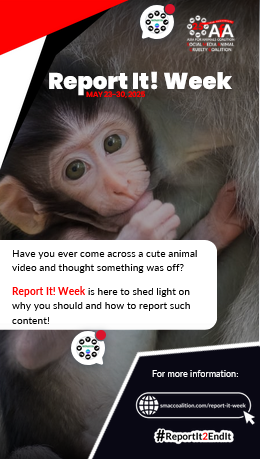
 23 May 2025: Take action against online animal cruelty during Report It! Week

Report It Week

Report It! Week (23-30 May) is an event organised by the Social Media Animal Cruelty Coalition (SMACC), a collective of 34 animal protection organisations, including Action for Primates. It is a time dedicated to raising global awareness about online animal cruelty and reinforcing a powerful message on the importance of reporting this type of content to social media platforms.

During Report It! Week, SMACC is urging social media companies to take meaningful action against animal cruelty content shared on their platforms. SMACC calls upon these companies to respond to reports from the public and animal protection experts by promptly removing abusive content. The coalition also invites platforms to collaborate with its experts to strengthen animal welfare policies and improve content moderation systems—ensuring that cruelty to animals has no place online.

Report It! Week will drive home the message that reporting matters. By raising awareness, we aim to influence social media users and companies to stop overlooking this cruelty.

What You Can Do To Help

Please join us in taking action during Report It! Week.

For more information, visit: https://www.smaccoalition.com/report-it-week

New data released by SMACC, reveal that shocking and harmful animal cruelty content continues to be rife on social media platforms. During 2024, 80,972 cruelty related links were identified by the public and assessed by the coalition. Facebook accounted for 87.5% of those links reported. Non-human primates (especially macaques), dogs and cats featured heavily in this cruel content.

Disturbing content of deliberate and gratuitous abuse involving animals, including baby monkeys, is posted on channels and by online groups, with some channels monetised. Particularly horrifying has been the disturbing escalation in the violence, torture and death inflicted upon baby monkeys. Other harmful content, however, may not always be easy to spot. Animal cruelty does not just comprise physical harm—it includes keeping wild animals as 'pets'; dangerous staged 'rescues' where an animal is deliberately placed in potentially harmful situations with the film maker then playing the role of 'rescuer'; and forcing animals to do unnatural tricks for 'entertainment'.


SMACC researchers also collected a separate set of data:

  • 2,050 links were collected and analysed—1,094 from Facebook and 39 from Instagram—confirming that more than half of the total originated from Meta platforms; of the 1,133 Meta links, only 36.3% have been removed
  • On Facebook, 24.5% of content is categorised as 'deliberate physical torture', while Instagram more frequently hosts content portraying 'animals as entertainers' (35.9%)


Despite social media platforms implementing policies against such content, the data demonstrate gaps in identifying and removing the flagged content.

Online animal cruelty is increasingly being recognised within global legal frameworks. The legislative landscape around digital safety is rapidly evolving, with governments placing more defined responsibilities on platforms to mitigate online harms, including animal cruelty. Under the UK's Online Safety Act 2023, animal cruelty is classified as priority illegal content. Platforms are required to proactively detect and swiftly remove such material, with non-compliance resulting in fines of up to £18 million or 10% of global annual revenue, enforced by Ofcom.

maandag 24 februari 2025

Undercover Investigations in the wool industry in New Zealand, have revealed terrible abuse of sheep ( video, petition and update)

https://www.peta.org/    People Ethical Treatment for Animals


IKEA, the world’s largest furniture retailer, claims it’s working to use only “responsibly sourced wool” for its rugs. But this is nothing more than a marketing ploy that props up the wool industry.

A second PETA Asia-Pacific investigation into New Zealand’s wool industry has once again revealed it is rife with rampant abuse at every stage of operation. Covering 23 farms, investigators uncovered that workers slice lambs’ bodies without any pain relief and that shearers punch struggling sheep in the face and slam them to the floor.

By continuing to sell rugs made with New Zealand wool, IKEA is complicit in sheep’s suffering. Don’t let IKEA sweep this cruelty under the rug—urge it to ditch wool now!

Suffering Starts Young for Sheep in New Zealand
Did you know sheep are born with long tails, just like dogs?

The wool industry has selectively bred merino sheep with wrinkled skin to produce as much wool as possible. However, these skin folds collect urine and moisture, creating an ideal environment for flies to lay their eggs. Maggots can eat sheep alive, so farmers cut off the tails of lambs in a crude attempt to prevent this.

In New Zealand, it is legal for a farmer to burn and cut lambs’ tails off without pain relief. These lambs are fully aware and feel excruciating pain as their sensitive tails are cut and burned off with a hot iron. No pain relief is provided, even as the fuel for the tool runs low, prolonging the agony.

When questioned about penalties if lambs die during the tail-docking process, a worker bluntly responded, “Livestock is deadstock, bro.”

Sheep in New Zealand Are Cut Up and Beaten for Wool
Workers race against the clock in shearing sheds because they’re usually paid by the volume of wool they cut off, not by the hour. This rushed, aggressive shearing left many sheep cut up and bleeding, and workers stitched up their wounds without any painkillers.

Just as you would be, sheep are scared of being pinned down. This fear makes them uncooperative during the shearing process, frustrating shearers who often resort to violence to control them. Investigators witnessed shearers punching, stomping on, and throwing sheep down chutes. One worker even slammed a sheep’s head twice against a wooden board.

Not a single worker reacted to these violent incidents. It was just another day in a shearing shed in New Zealand.

The abuse extended beyond the shearers. Investigators witnessed farmers kicking lambs and sheep. They also used dogs to terrorize and control the sheep, with the dogs sometimes biting the animals and causing even more injuries.


The Wool Industry Is a Death Industry
The bodies of dead sheep were scattered around the properties visited, including one whose remains were tossed from the second floor of a shearing shed.

Workers in the wool industry kill sheep, either through direct violence or neglect. Sheep do not get a retirement in sunny pastures in the wool trade. Once their wool production declines, all sheep are killed when they’re no longer viewed as “useful” commodities for the trade.


‘Humane’ Wool Is a Myth
Standards like the Responsible Wool Standard and ZQ Merino were designed to market wool as “ethical,” and criticism about animal welfare issues in the wool trade continues to mount. PETA’s exposés of over 150 wool industry operations from Australia to England and Argentina to the U.S. have revealed systemic abuse of sheep, including on “responsible” and “local” farms.

2024 PETA Asia-Pacific investigation documented entrenched cruelty at “humane” certified facilities in New Zealand—which claim to produce the “world’s leading ethical wool.” Workers beat, kicked, and stomped on sheep. Rough handling during shearing left sheep with gaping wounds stitched up without painkillers on the filthy shearing shed floors. On one farm, investigators saw the same collapsed sheep several times over two days while her condition deteriorated. In the end, without even attempting to stun her, a farmer cut her throat and dumped her body into a trash pit. Another sheep was smothered to death in a pen, but she was still shorn, and her wool was placed with the others to sell. 

This latest investigation proves that there is no difference between “humane” certified facilities and non-certified farms. The same cruelty and disregard for animals are pervasive across the industry. Don’t fall for buzzwords and marketing—no matter the standard, the wool industry will always be cruel.

How You Can Help Sheep
Every rupee spent on a wool rug or sweater helps line the pockets of the workers who punch, kick, and kill sheep. Choosing to buy wool supports the abuse of sheep. Please, don’t buy it and avoid companies like IKEA, which sell rugs made from New Zealand wool. We can help end the suffering of sheep by opting for only animal-free materials like bamboo, cotton, hemp, recycled polyester, rayon, TENCEL, and viscose.Using these majestic, endangered animals in silly spectacles is shameful. Nepal should be focused on protecting them in their natural habitats, not exploiting them for human amusement.

UPDATE  Reactions after the video was shown to the wool industry NZ : 

https://www.rnz.co.nz/news/country/539302/peta-hopeful-of-criminal-convictions-in-sheep-abuse-probe

Urge Companies to Ditch Wool
IKEA cannot ignore these disturbing findings. The company already offers a wide range of vegan materials for its rugs, demonstrating its capability to provide ethical options without compromising quality or style. It’s time for IKEA to take decisive action by eliminating wool from their product line entirely—urge it to ditch it now!

https://www.petaindia.com/features/celebrating-peta-indias-25th-birthday-and-victories-for-animals/  25 years PETA in India; Our many achievements

donderdag 13 februari 2025

Travel operator TUI is still selling tickets and profiting from Orca abuse ( 18 photos Orcas matter & drop marine parks )


Campaign by People Ethical Treatment of Animals (PETA)  End TUI’s Support of Orca Abuse 


PETA is calling on TUI to stop profiting from animal suffering by ending its ticket sales and promotion of marine parks. Here are our latest campaign updates:

Update (7 February 2025): PETA “Trapped Orca” Ad Slams Travel Operator for Profiting from Animal Abuse

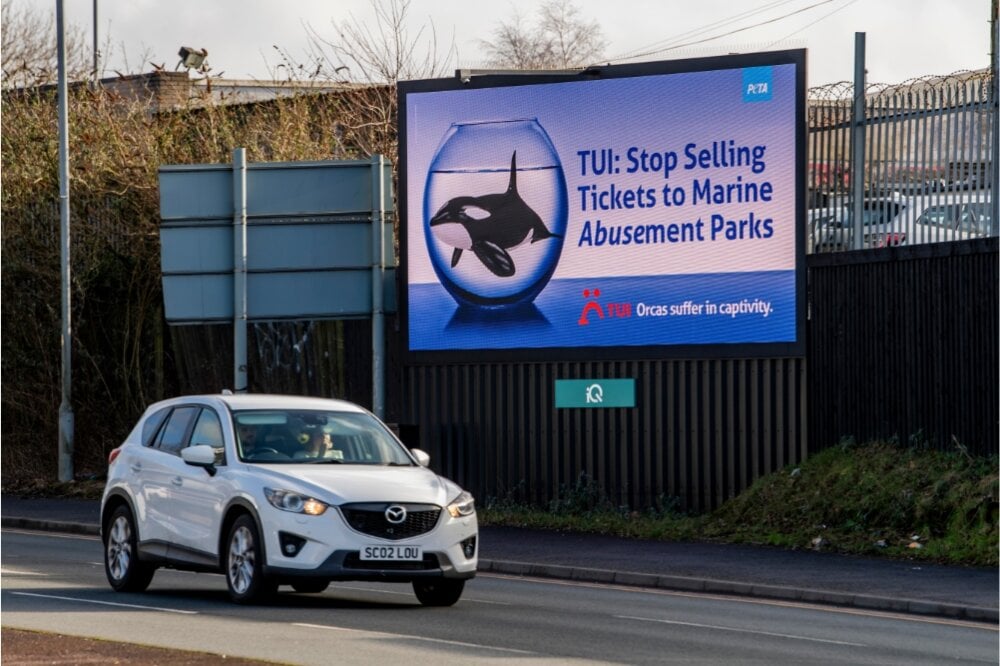
As holidaymakers book their summer getaways, PETA placed a striking billboard near TUI’s Manchester city centre branch, shunning the tour operator for continuing to sell tickets to cruel and exploitative marine parks and reminding Mancunians to never add animal exploitation to their itineraries.

Vincent Cole Photography

Update (16 January 2025): ‘Dead Orcas’ Crash Globe Travel Awards
Tonight, attendees at the Globe Travel Awards were met with a shocking sight on their way into the event: a giant, lit-up trophy holding a pair of PETA supporters dressed as dead orcas, which names TUI the Cruellest Travel Company of 2025.
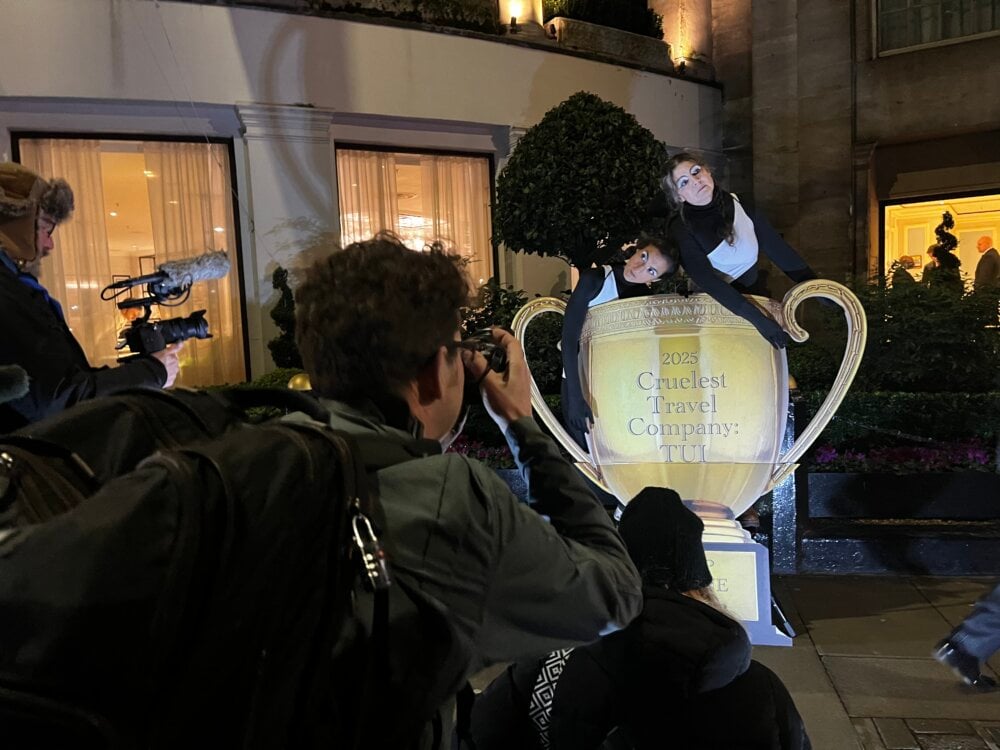
While TUI’s execs were sipping champagne and patting each other on the back at the Globe Awards, dolphins and whales were going mad from stress and boredom in tiny tubs at SeaWorld and other marine abusement parks. PETA is calling on TUI to stop profiting from animal suffering by ending its ticket sales and promotion of these cruel facilities.

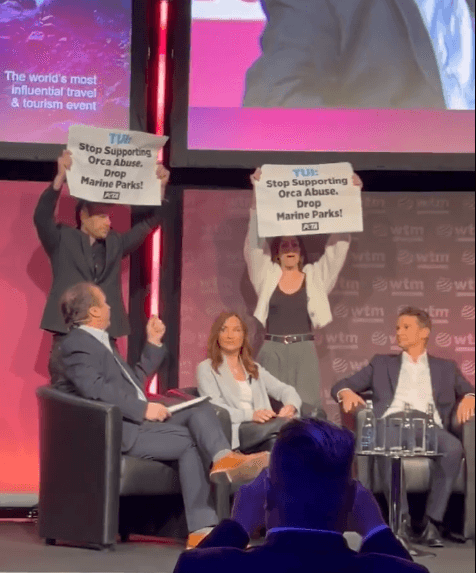
Update (3 December 2024): PETA Heckles TUI Speaker at ABTA’s Travel Matters Conference
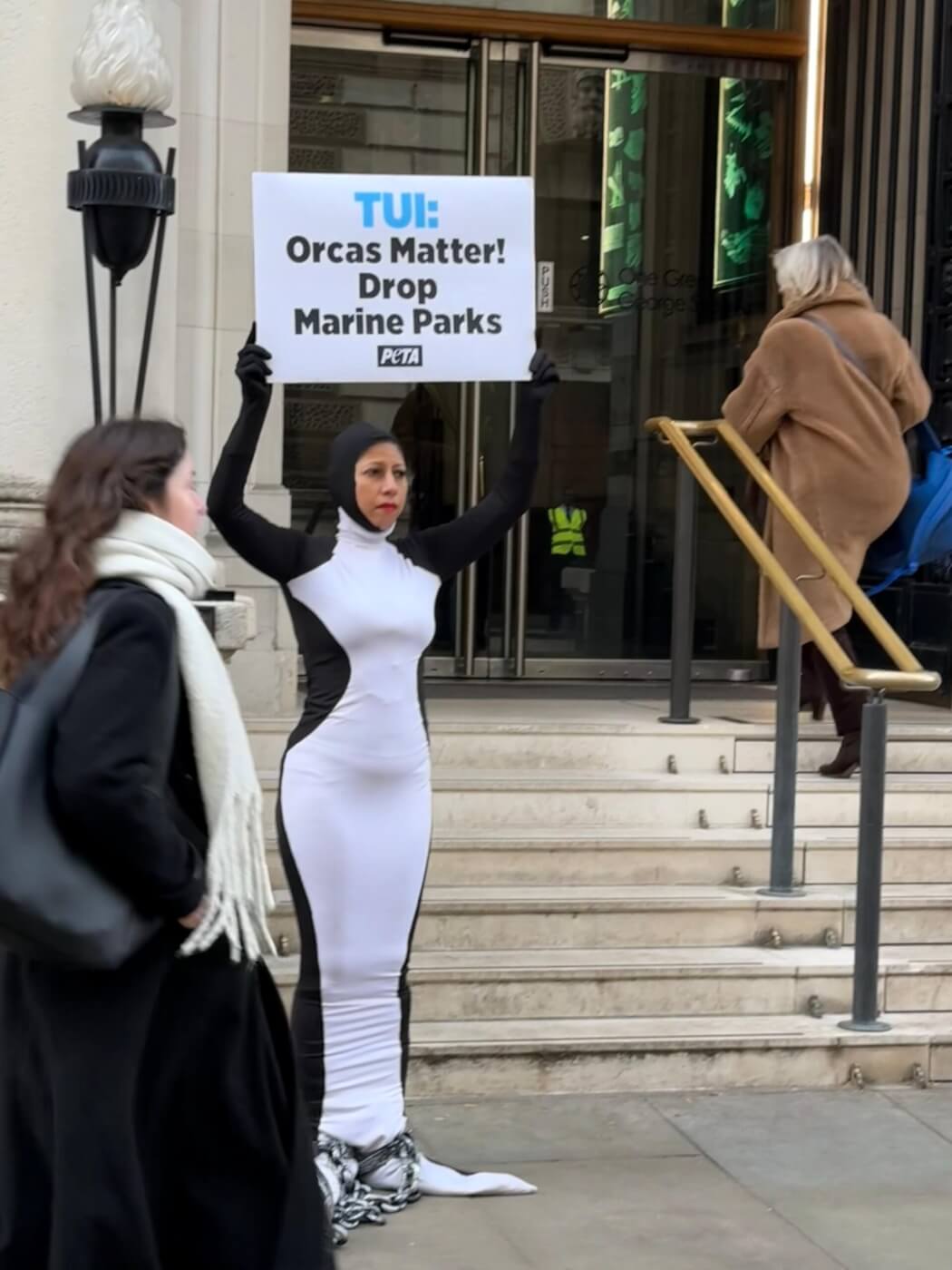
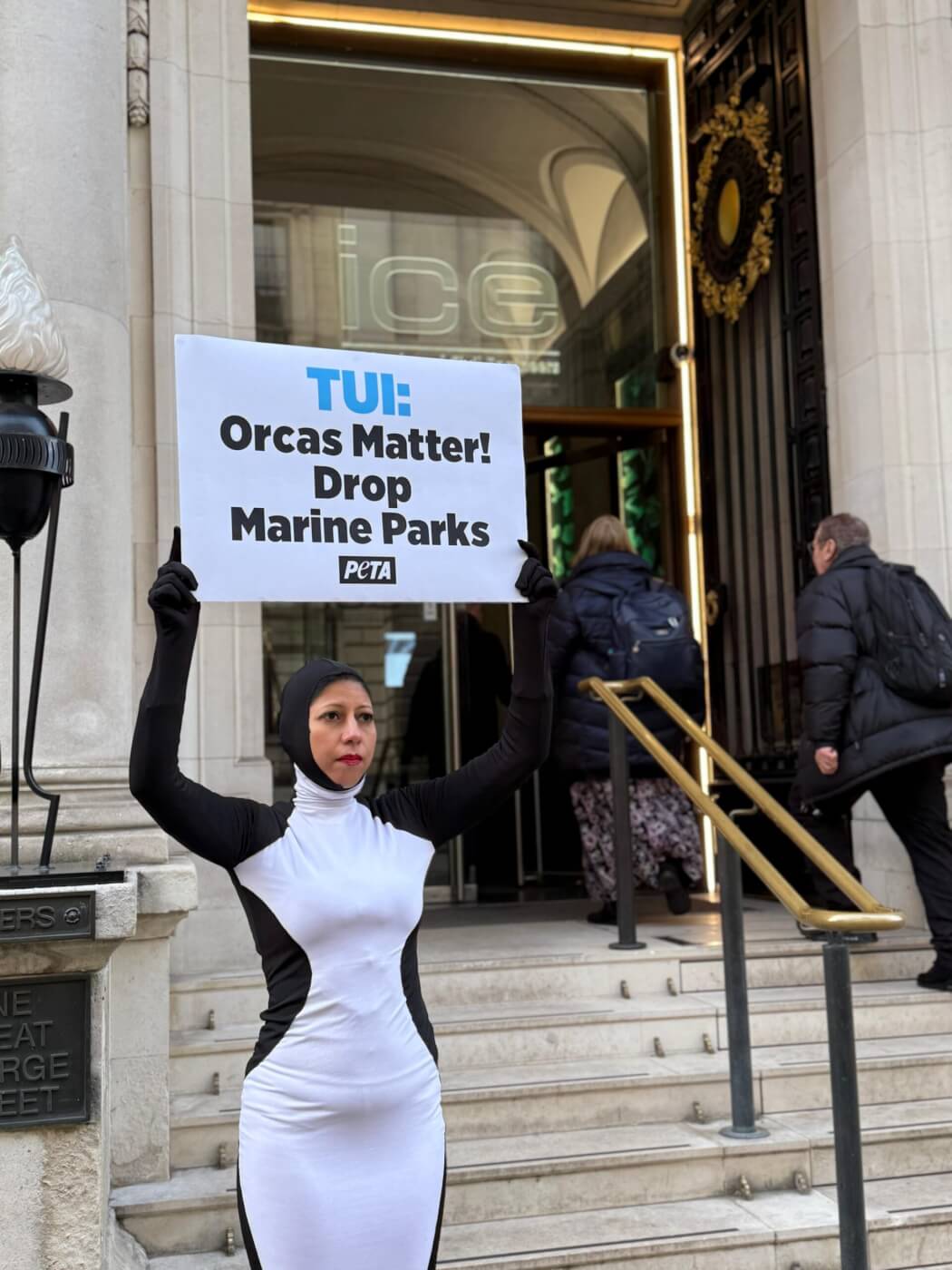
A PETA supporter crashed the annual Travel Matters conference put on by ABTA – formerly known as the Association of British Travel Agents – in Westminster, where they commandeered the stage during TUI’s Head of Public Policy Nathan Stower’s speech and told attendees why TUI must end its support of orca abuse at marine parks. A protestor dressed as a chained orca was outside the venue holding a sign.

Update (19 November 2024): PETA Disrupts Travel Awards
At the British Travel Awards ceremony, a PETA supporter stormed the stage of TUI executives and unfurled a sign reading, “TUI: Stop Supporting Orca Abuse. Drop Marine Parks!”

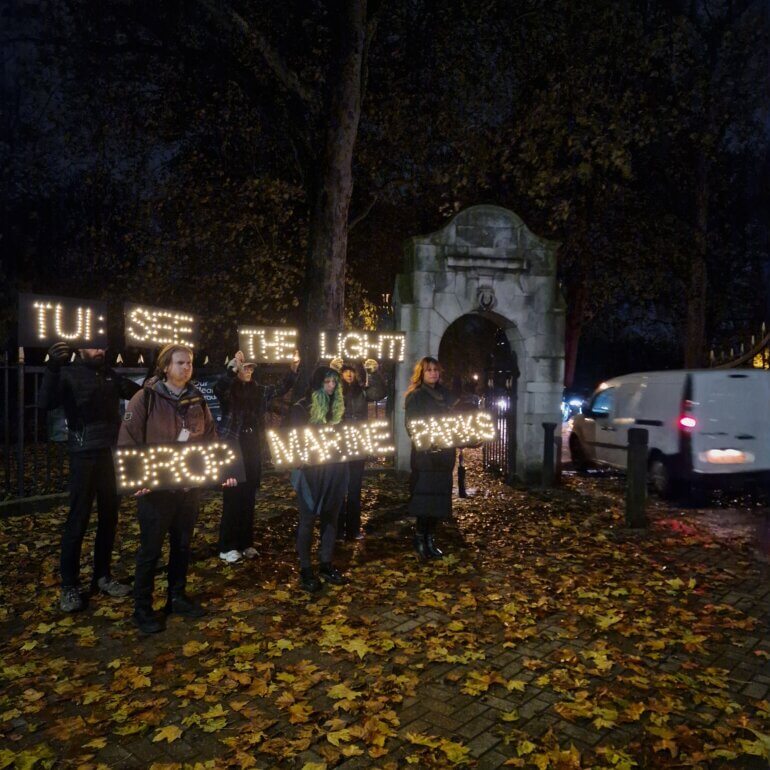
Update (19 November 2024): Animal Allies Shine Light on TUI Promotion of Orca Prisons
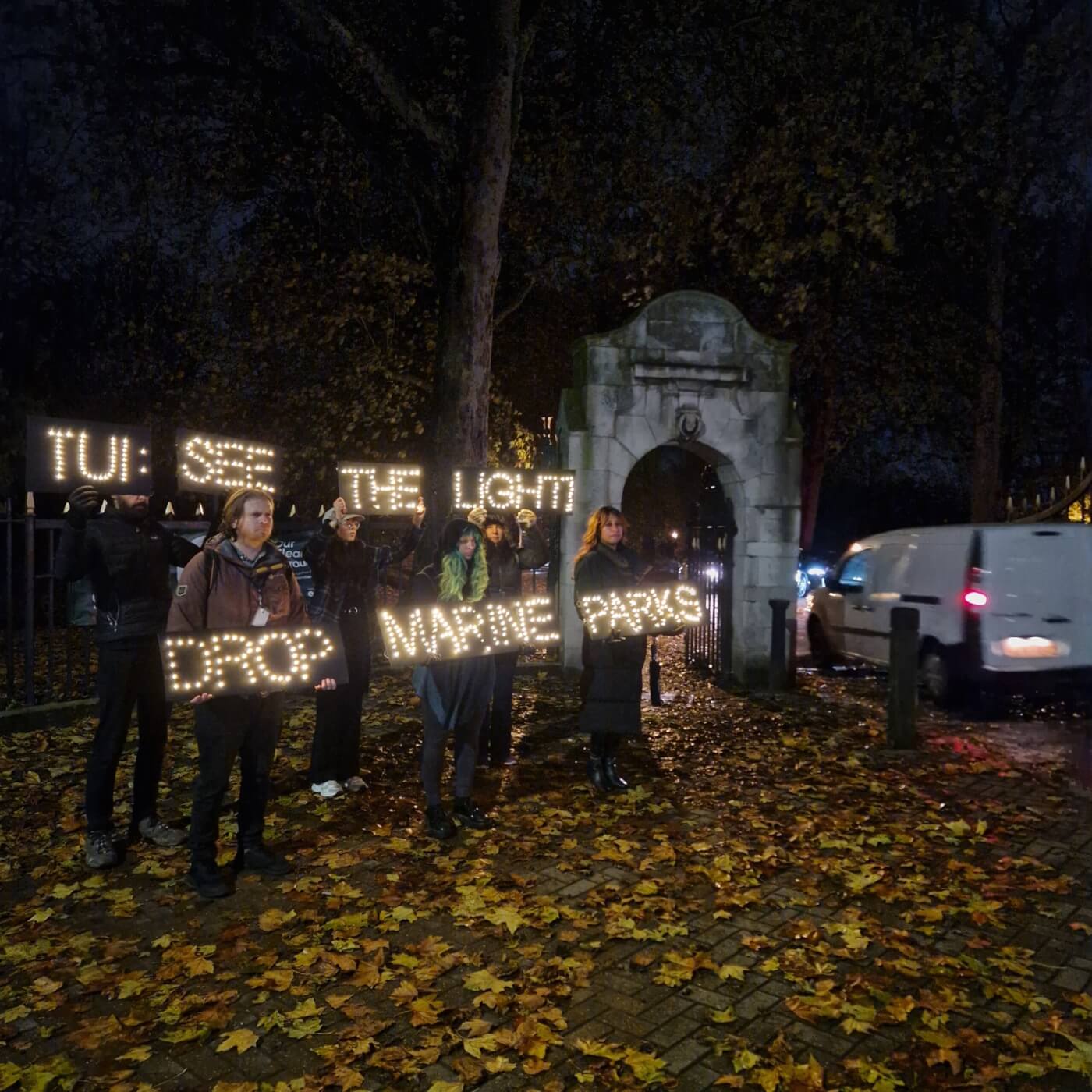
PETA supporters gathered outside the British Travel Awards holding eye-catching illuminated signs that read, “TUI: See the Light! Drop Marine Parks”.
Update (5 November 2024): PETA Heckles TUI’s Chief Strategy Officer at World Travel Market London Event

Today, PETA supporters crashed the annual World Travel Market London event by commandeering the stage during TUI’s Strategy Officer and Chief Executive Officer Holiday Experiences Peter Krueger’s speech. They told attendees that TUI holds the dubious distinction of being the last major travel company to provide a financial lifeline to marine abusement parks.
Watch the video now:

Update (23 September 2024): PETA to Ant and Dec: Stop Being ‘Misery Ambassadors’ for Orca Abuse–Promoting TUI

As autumn gets underway, we’re looking ahead to next year’s summer holiday season by firing off a letter to TV personalities Anthony McPartlin and Declan Donnelly asking them to call time on their positions as “happiness ambassadors” for TUI.

Ant and Dec choose to be entertainers, but highly intelligent dolphins and whales are forced to perform tricks at marine parks, where they’re denied everything that’s natural and important to them. We are calling on Ant and Dec to stop being “misery ambassadors” and drop their partnership with TUI until the company ends its promotion of abusement parks.

Update (22 August 2024): ‘Orcas’ Make a Splash at Bournemouth Store
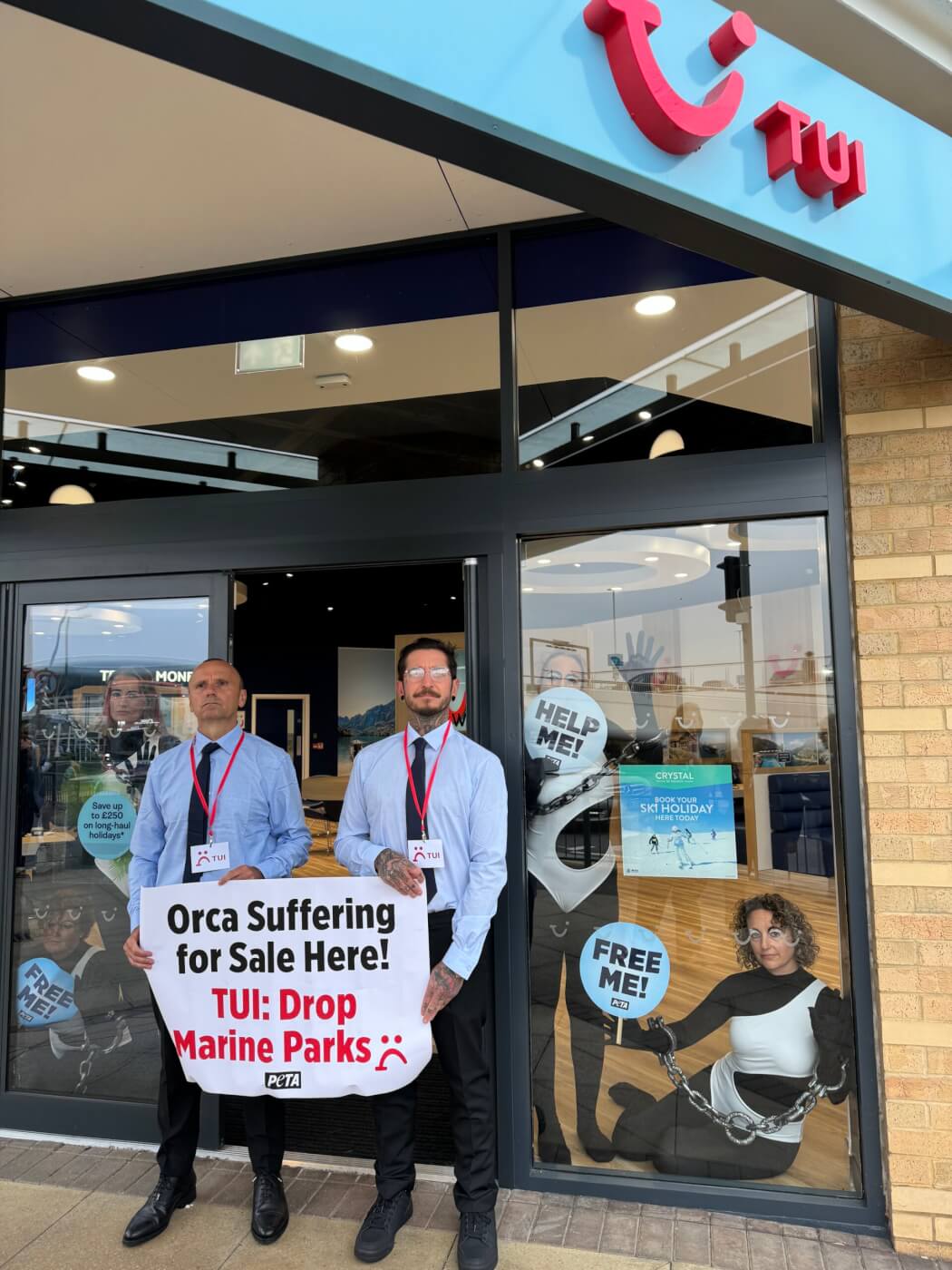
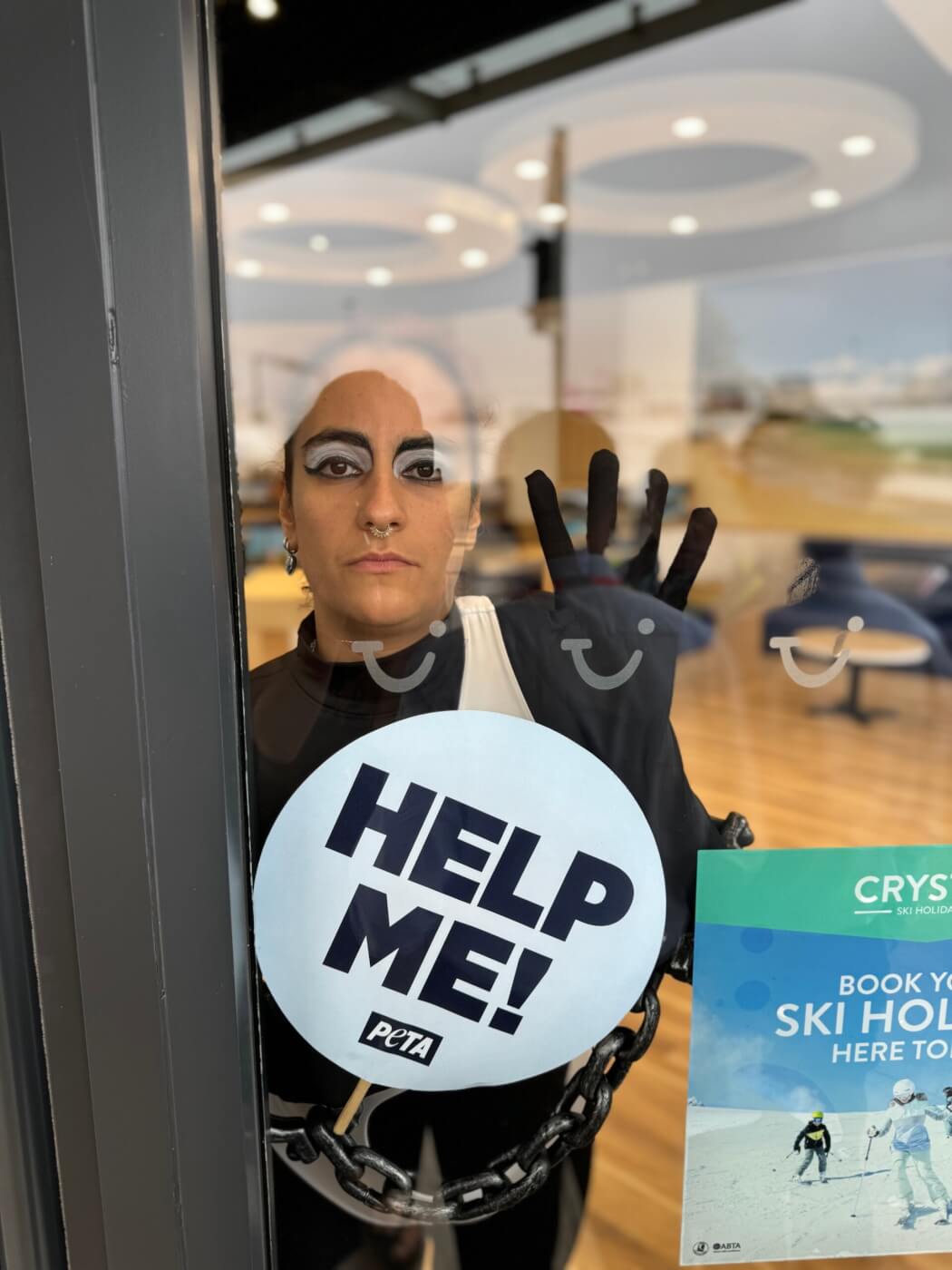
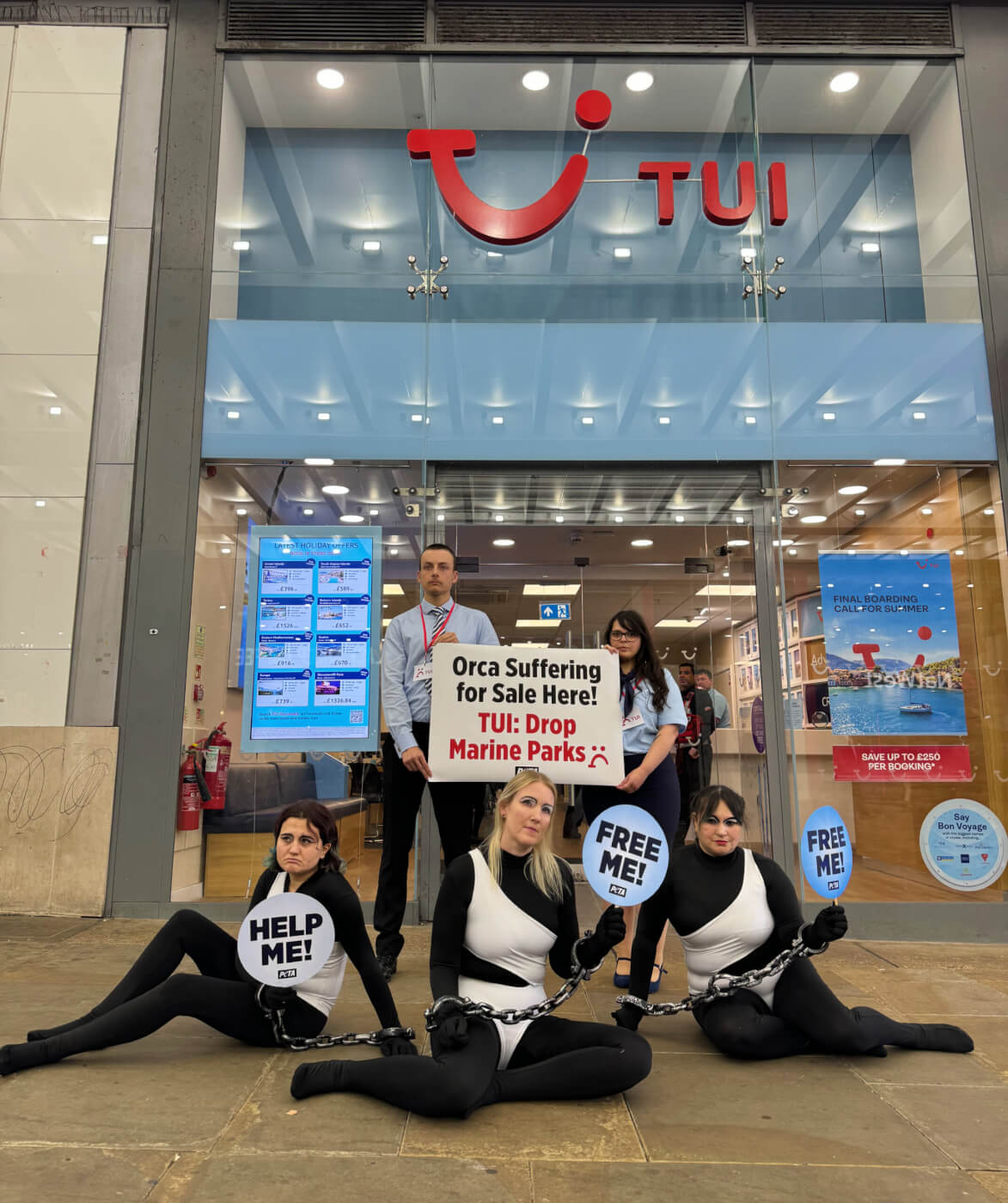
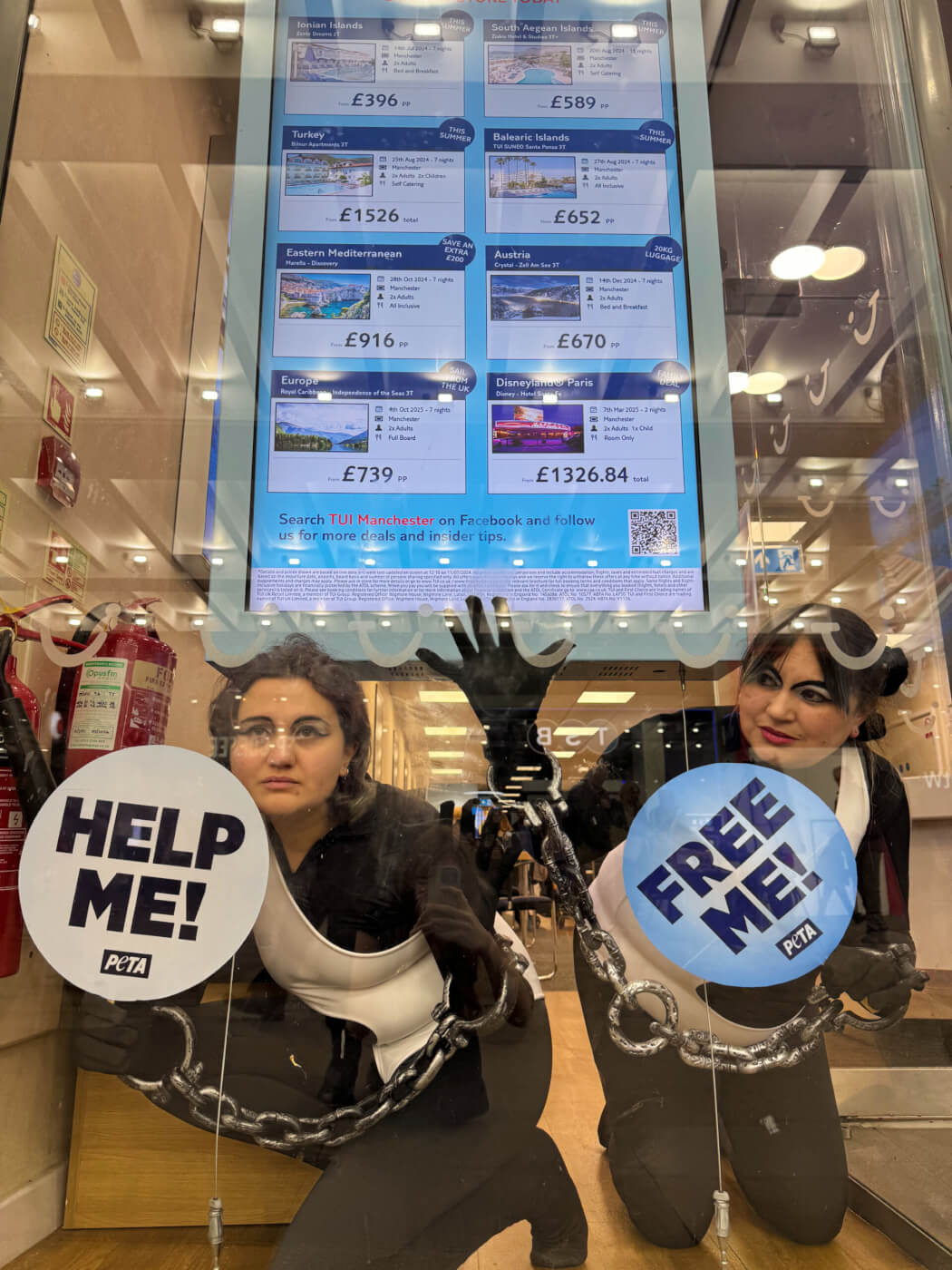
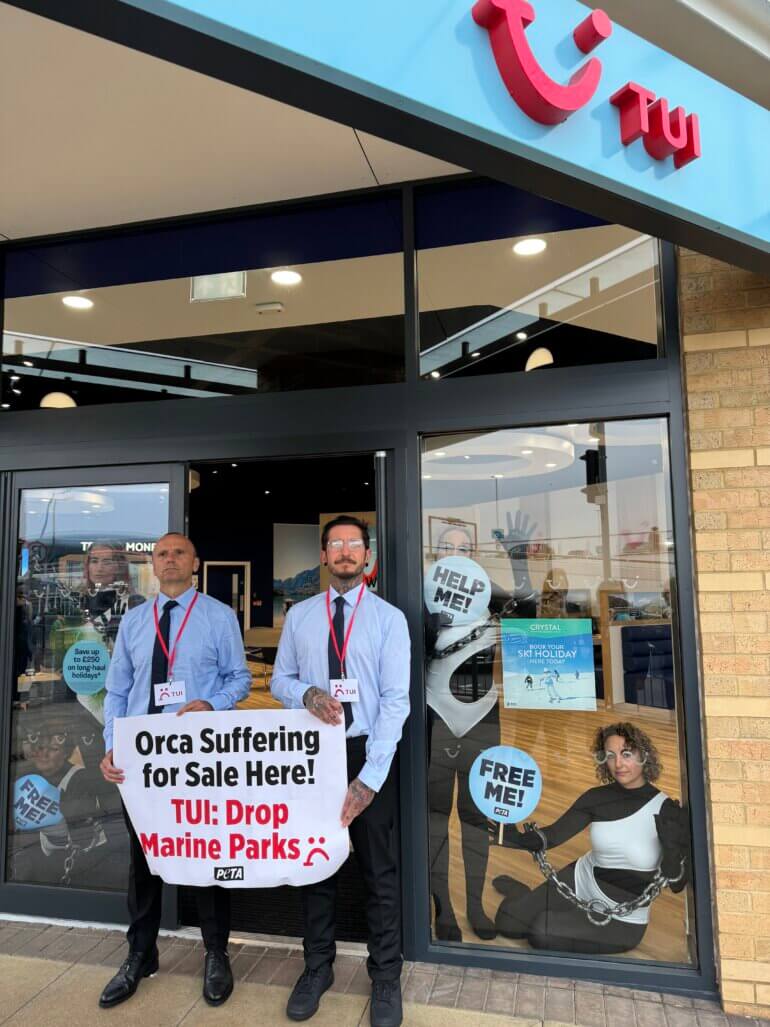
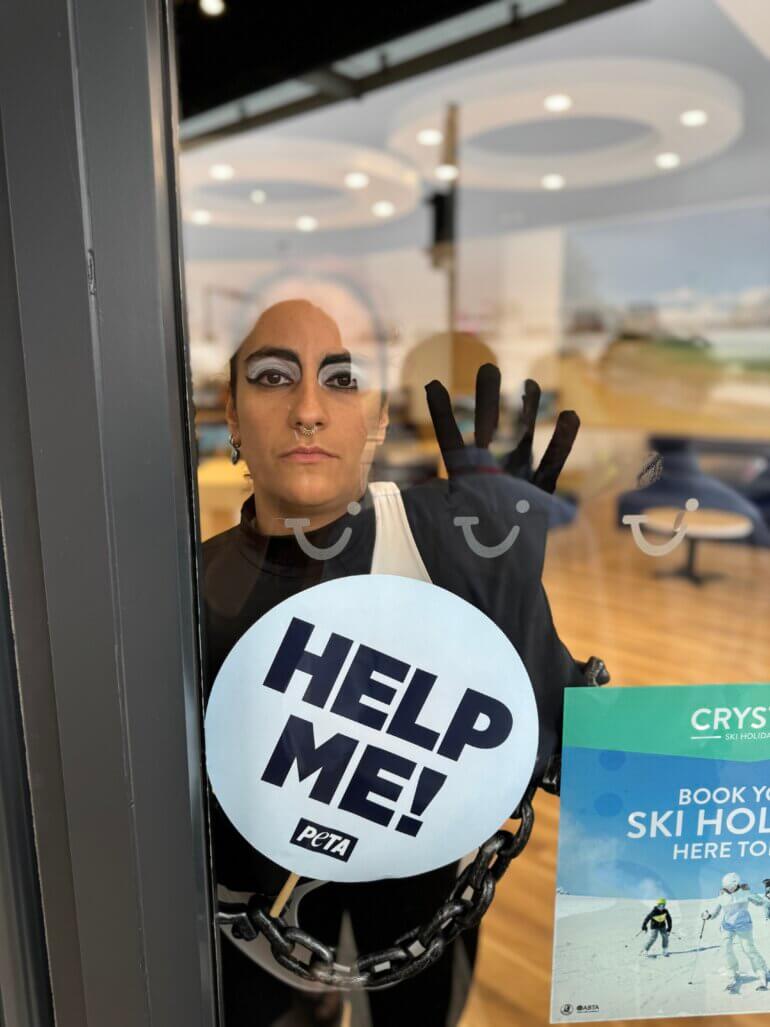
Four PETA “orcas” wearing chains burst into TUI’s Bournemouth branch, one of the travel provider’s newest UK stores, which has reportedly seen footfall “soar”. Some protesters took over the store windows holding signs imploring, “Help Me!” and “Free Me!”, while others dressed like TUI employees stood outside the store holding a banner that read, “Orca Suffering for Sale Here!”
Update (30 July 2024): PETA Hits TUI With a High-Reaching Message
Today, a PETA activist burst into TUI’s Sheffield branch, one of the company’s “superstores”, with a very special delivery:
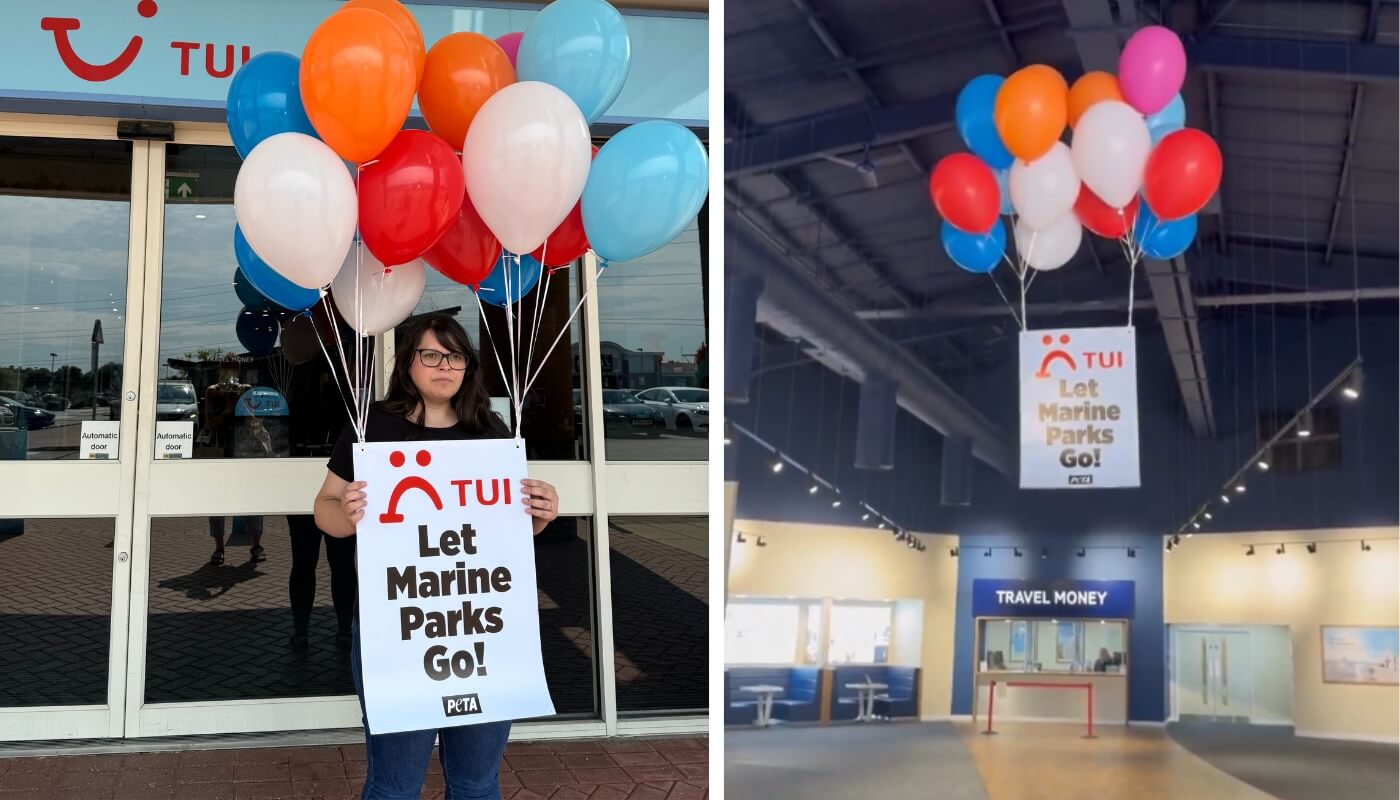
The animal defender released a bunch of helium-filled balloons with the message “TUI: Let Marine Parks Go!” See what happened next:

Update (11 July 2024): World Orca Day Protest
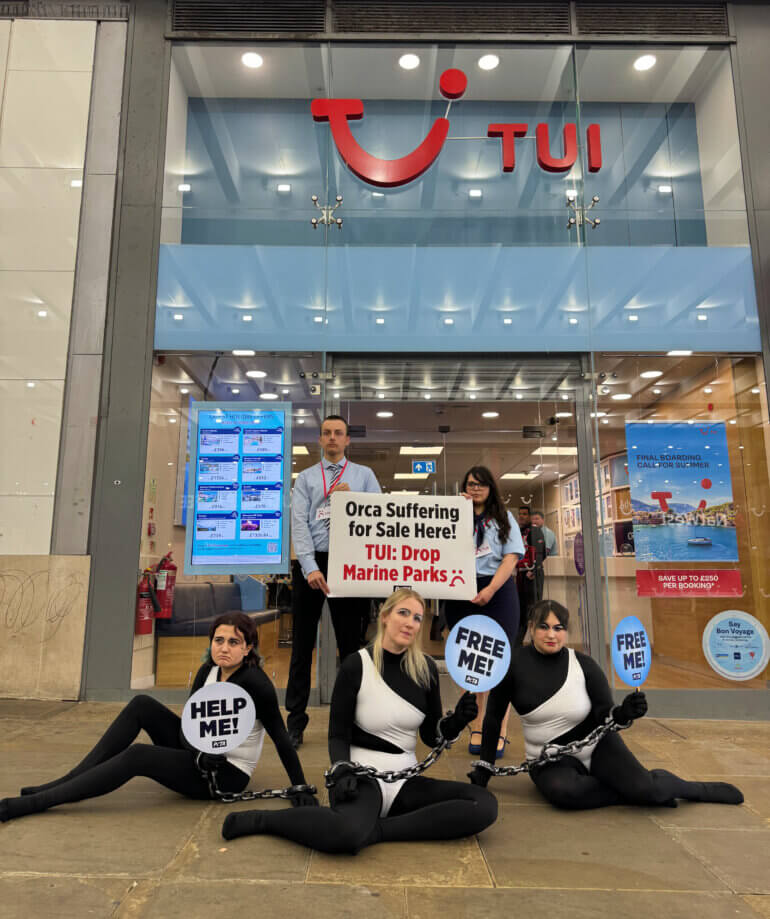
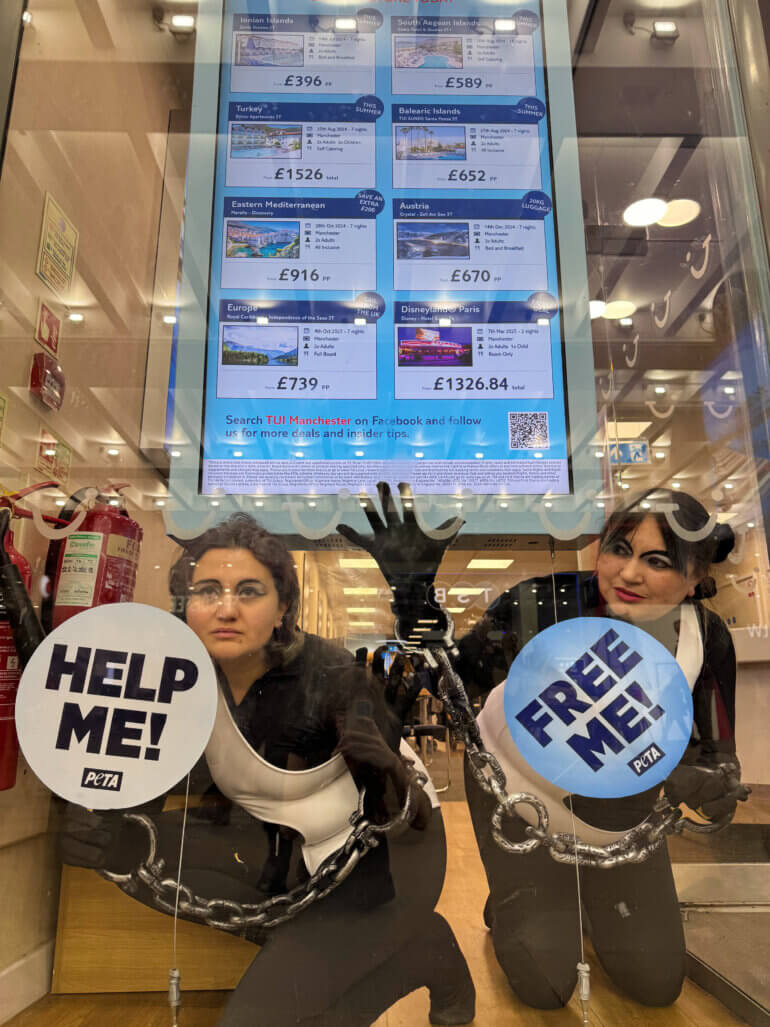
Ahead of World Orca Day (14 July), three PETA “orcas” wearing chains burst into TUI’s Manchester branch – the city’s airport is the company’s biggest UK base – and took over the store windows. Two other PETA supporters brandished a banner at the entrance, telling the public that at TUI, orca suffering is for sale.
Update (12 June 2024): ‘Orca’ Trapped in Tank Pleads With TUI
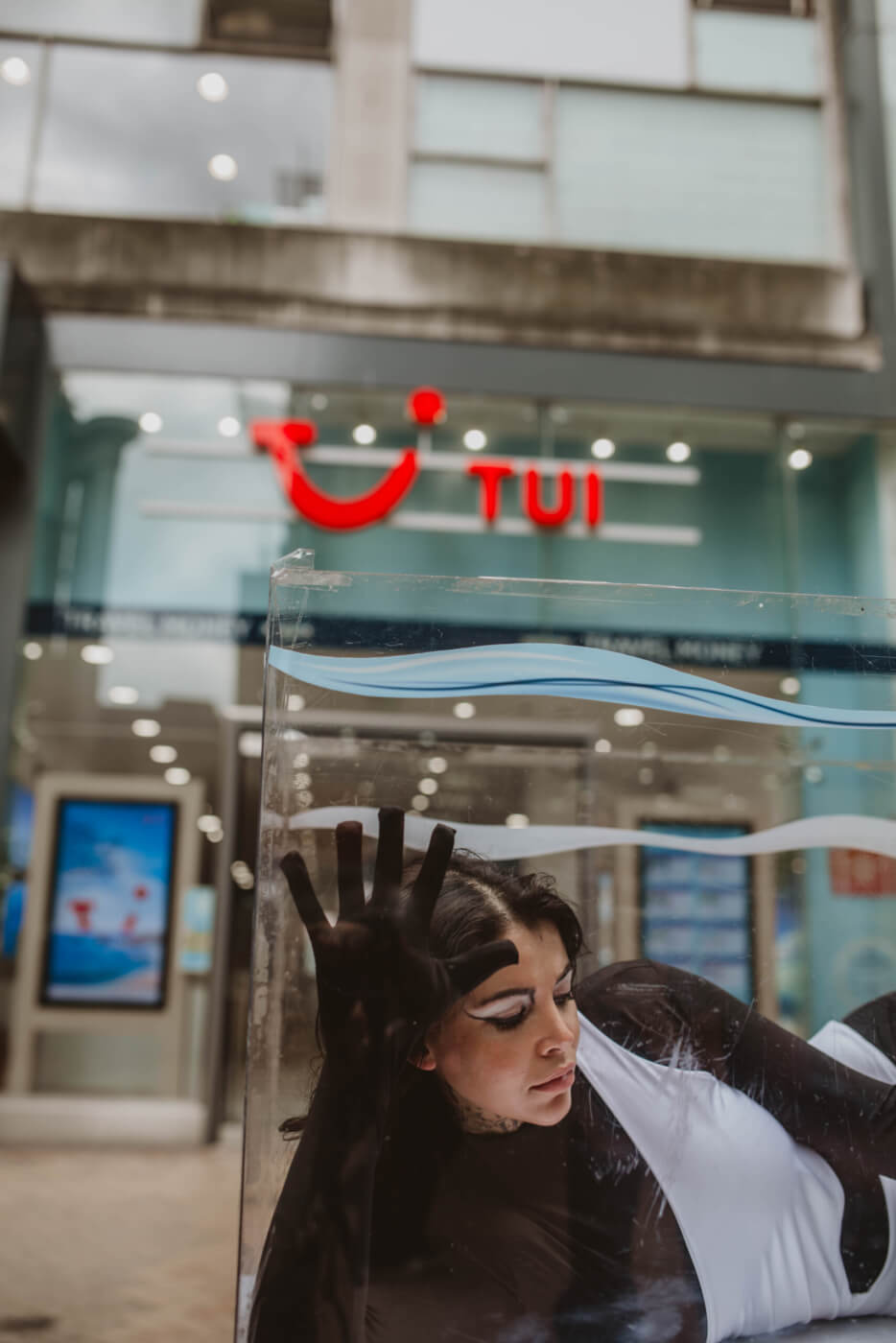
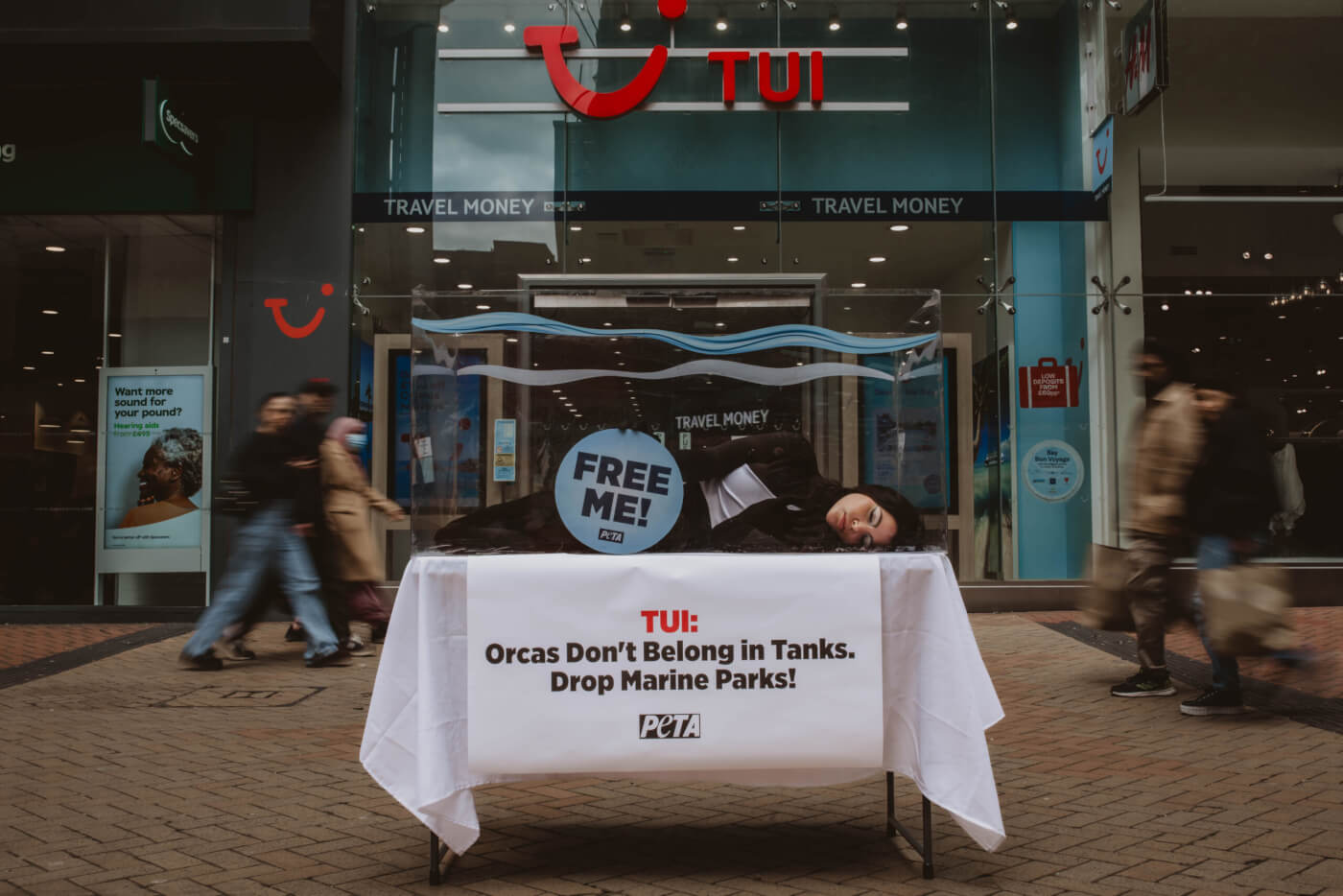
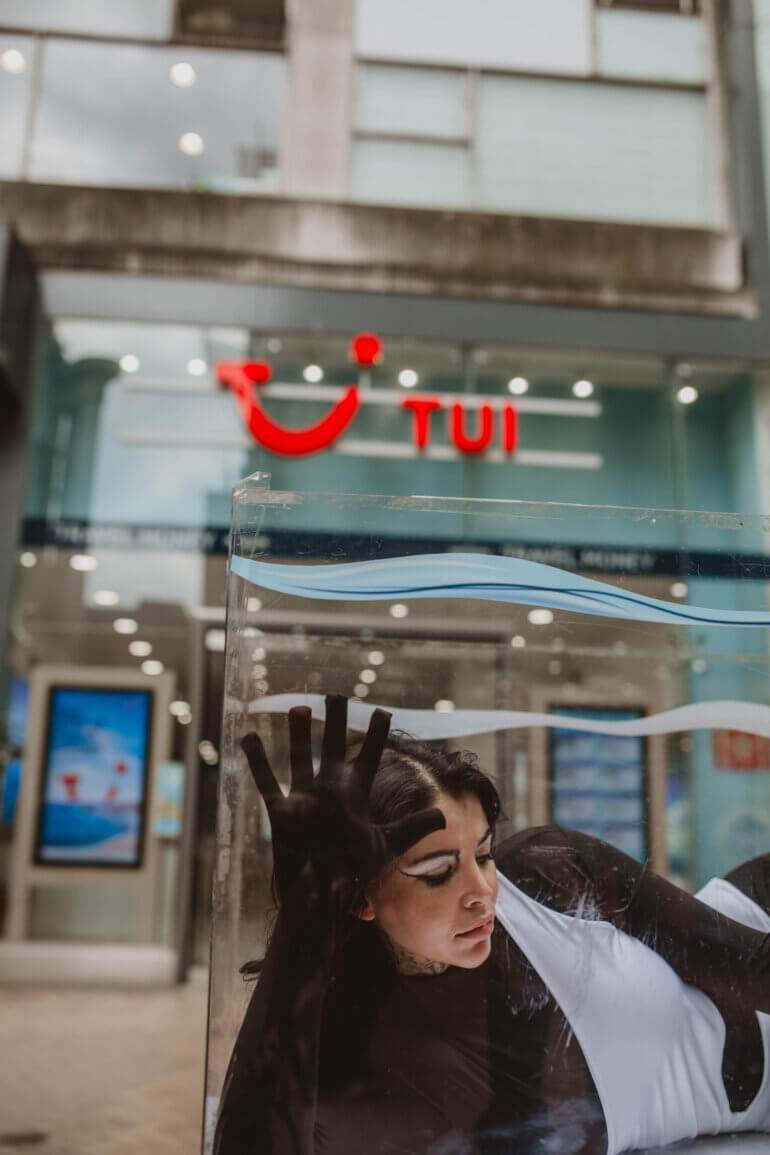
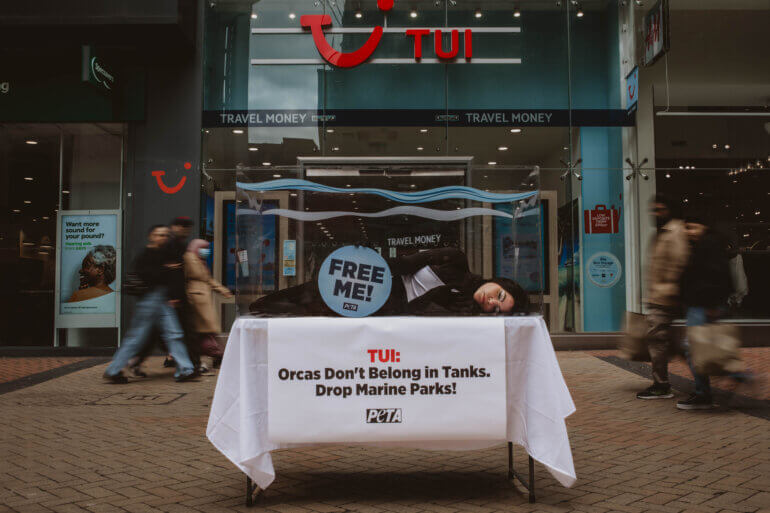
Outside TUI’s Birmingham store – the city’s airport is among the travel provider’s biggest UK bases – an “orca” trapped in a cramped tank pleaded with the company to end its promotion of marine parks. The action illustrated how orcas, who belong in the ocean, suffer in captivity. The demonstration featured a sign reading, “TUI: Orcas Don’t Belong in Tanks. Drop Marine Parks.”
Update (3 April 2024): PETA, RSPCA, and Others Band Together for Orcas
Following Jet2holidays’ decision to cut ties with cruel marine parks, a coalition of the UK’s largest animal protection organisations, including groups that specialise in cetacean welfare, rushed a letter to TUI Managing Director Andrew Flintham calling out the company for still selling tickets to marine abusement parks like SeaWorld that keep orcas and other dolphins captive for entertainment. TUI is the last major travel provider in the UK to support this abusive industry, prioritising profit over animal welfare.

Reportedly, TUI has been conducting an internal review of its animal welfare policy for many months, but it has failed to take decisive action and continues to provide a financial lifeline to facilities that confine cetaceans to cramped tanks for tourists to gawp at. The groups asked Flintham when he expects the review to be complete and urged him to end TUI’s support of cruel orca prisons.

Signees include the RSPCA, World Animal Protection, Born Free Foundation, World Cetacean Alliance, Humane Society International/UK, Whale and Dolphin Conservation, and Marine Connection.

“There is ample scientific evidence showing that captivity is wholly incompatible with the complex needs of orcas and other dolphins. At SeaWorld, one of the venues TUI promotes, at least 44 orcas and dozens of other dolphins have died from severe trauma, intestinal gangrene, chronic cardiovascular failure, and other diseases, all far short of their natural life expectancy.”
– PETA and other groups in their letter to TUI

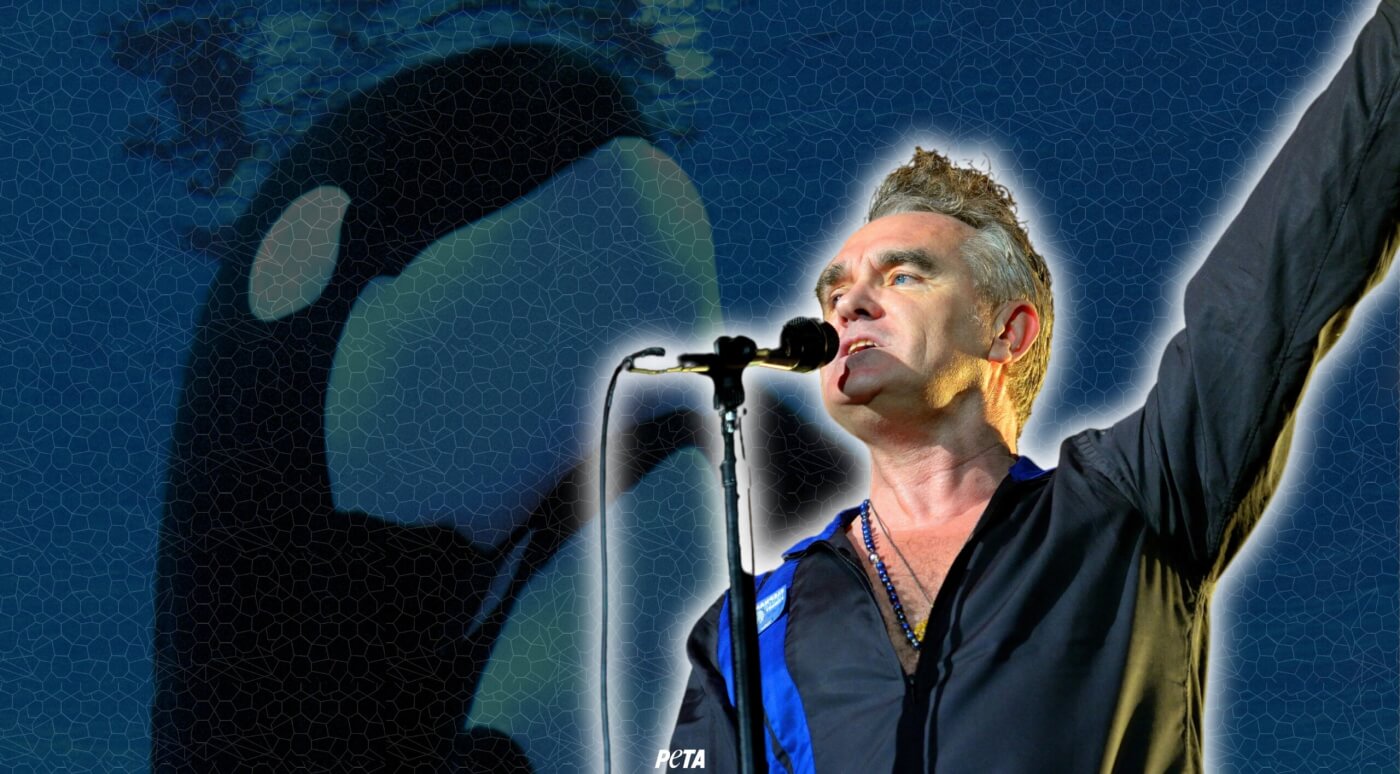
Update (1 April 2024): Morrissey Blasts TUI for Profiting From Marine Park Cruelty
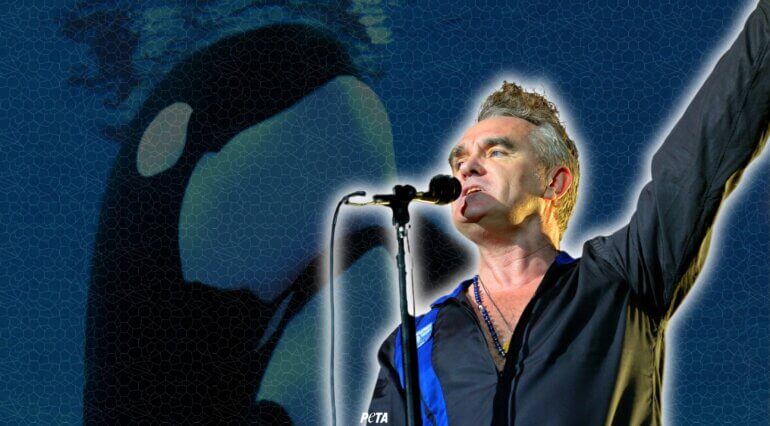
Following his involvement with PETA’s campaign that led Jet2holidays to cut ties with cruel marine parks, long-time PETA supporter, musician, and activist Morrissey sent an urgent letter to TUI Managing Director Andrew Flintham. In it, Morrissey calls on Flintham to follow suit and drop facilities like SeaWorld that keep orcas and other dolphins in captivity from the company’s holiday packages.

“There’s no excuse for promoting – and profiting from – this cruelty. Anyone with a thinking bone in their body – or a drop of compassion – knows that not only does captivity kill the spirit of these imprisoned, intelligent, social beings, it often kills them.”
– Morrissey
Marine Parks Are Prisons

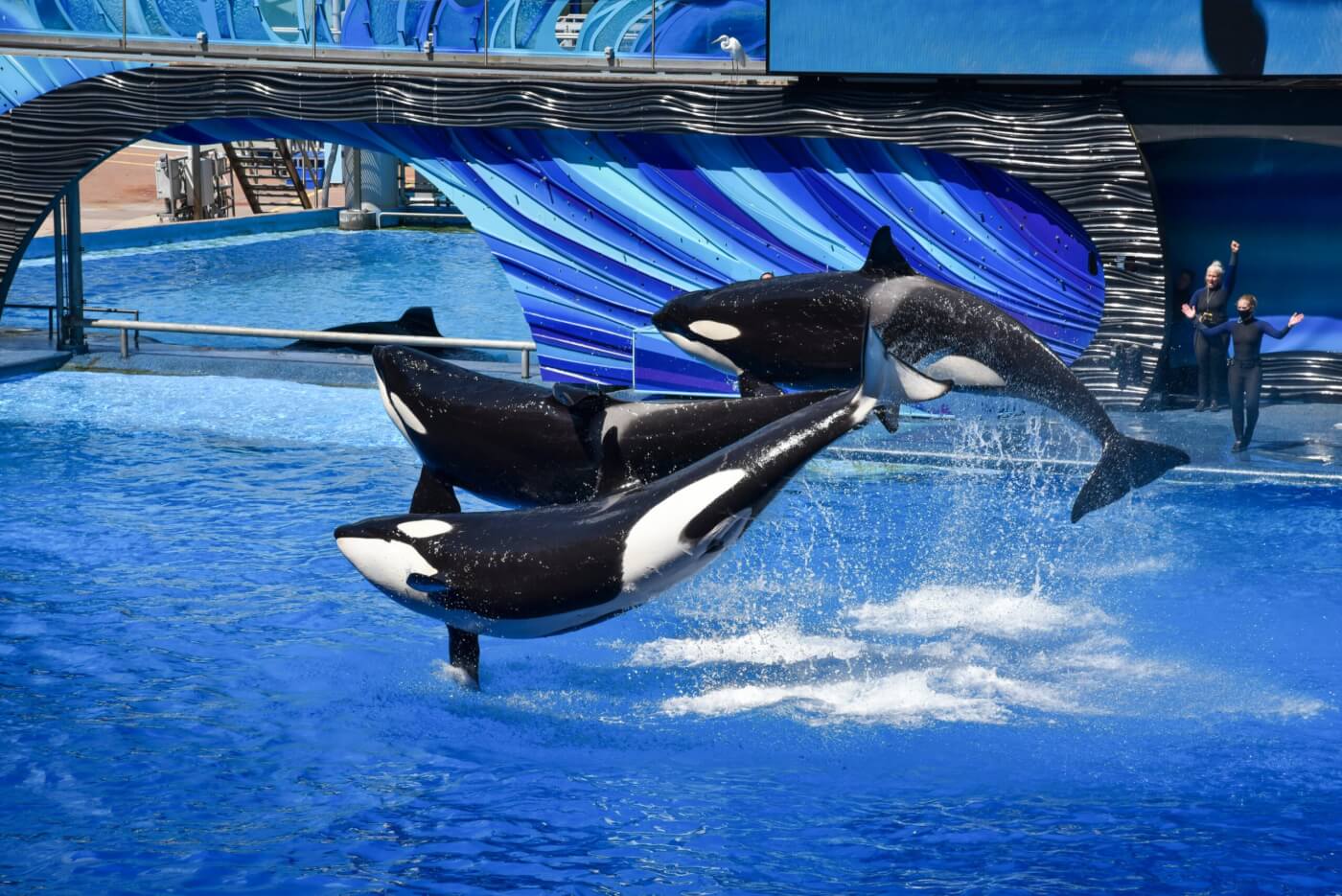
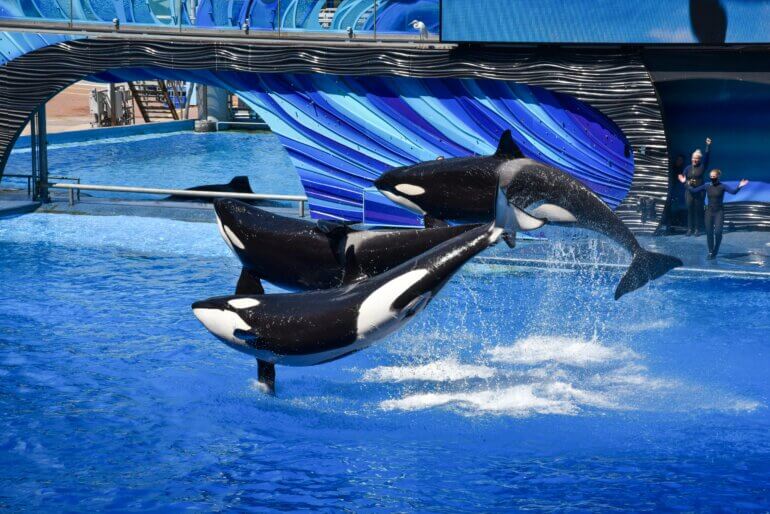
Orcas and other dolphins are intelligent animals. When kept in marine parks, they suffer from social, physical, and psychological stress. Intense confinement causes frustration, resulting in abnormal behaviour, and they often break their teeth by gnawing at the sides of their tanks.

In nature, orcas form complex relationships, work cooperatively to find food, and can traverse up to 150 miles of ocean every day. However, those at marine parks are housed in incompatible groups in cramped concrete tanks – which can be 10,000 times smaller than their natural home range.

Kept in concrete prisons for decades and forced to perform demeaning tricks for tourists, the majority of captive orcas die far short of their natural life expectancy.
TUI Is the Last Major Travel Provider to Profit From Dolphin Abuse

After hearing from PETA entities, other travel companies – including Jet2holidays, Expedia, Tripadvisor, Thomas Cook, Virgin Atlantic Holidays, British Airways Holidays, Club Med, Airbnb, and Booking.com – have stopped selling tickets to places that keep orcas and other dolphins in tanks for entertainment. TUI is the last major provider to continue prioritising profit over animal welfare.

Ticket Sales Fuel Cruelty to Animals

Marine parks can only continue confining animals to cramped tanks as long they sell tickets. Don’t give facilities like these a lifeline – visit animal-free attractions instead.

Take Action for Orcas

Urge TUI executives to implement a company policy banning the promotion and sale of tickets to marine parks: