Translate

Posts tonen met het label illegal pet trade. Alle posts tonen

zondag 12 april 2026

Jakarta Animal Aid Network intercepted a shipment of 24 Long-tailed Macaque babies destined for illegal pet trade ( 11 photos)


Rescue & Early Care

In 2021, JAAN's K9 Wildlife Detection program intercepted a shipment of Long-tailed Macaque (Macaca fascicularis) infants destined for the illegal pet trade. Over time, more rescues followed, eventually forming a group of 24 individuals in our care.
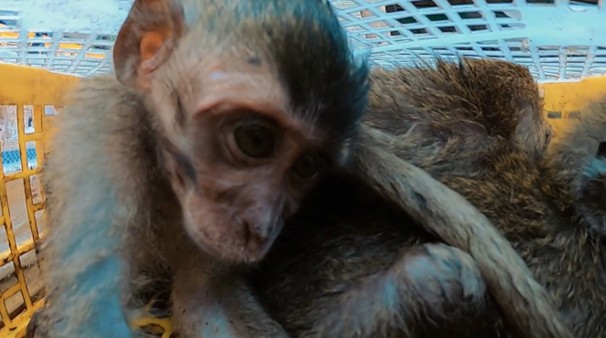
Baby monkeys in illegal smuggling box

Raising infant macaques is demanding work. The team provided milk every four hours, from morning until night, to ensure each animal received adequate nutrition for healthy development. As the group grew, they were moved into larger enclosures fitted with natural climbing structures — tree trunks, branches — designed to reawaken their wild instincts for climbing, foraging, and socialising.
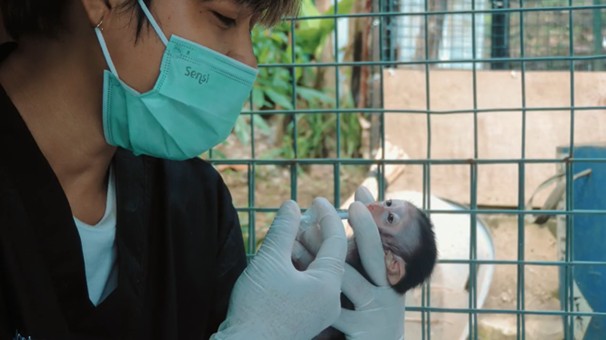
Vetrinary care for baby monkeys

Rehabilitation

Once in the larger enclosures, keepers monitored the group daily, watching for signs of conflict or poor adaptation. Any individual showing stress or aggression was temporarily separated and reintegrated gradually. The team sourced most food from their own garden, with a fruit-dominant diet supplemented by vegetables and foraged leaves on a rotating schedule — always fresh, always cleaned before feeding.
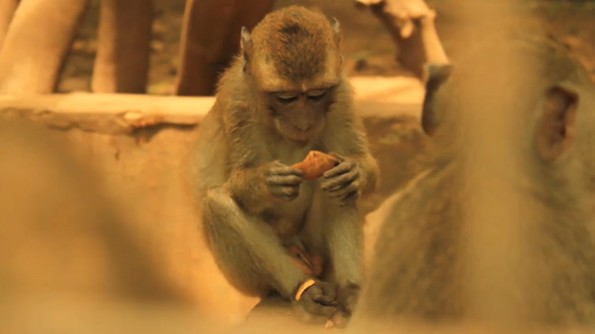
Monkeys are reaching adulthood

Site Selection

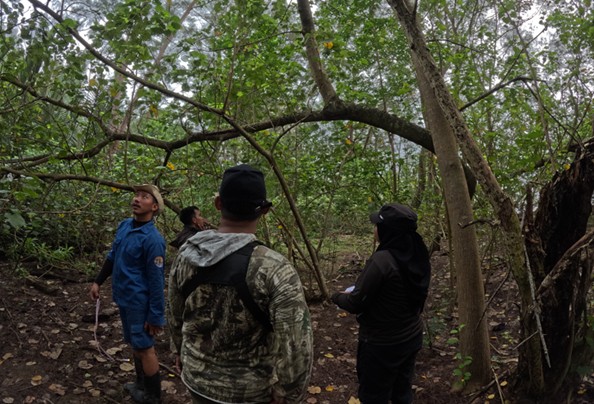
As the macaques reached adulthood, JAAN coordinated with Indonesia's Balai Konservasi Sumberdaya Alam (BKSDA) to identify a suitable release site. In January 2026, a joint team of biologists, keepers, BKSDA officers, and National Park officials conducted a field survey across three locations within Berbak and Sembilang National Parks in South Sumatra: Alanggantang Island, Bogem River, and Barong River.

Alanggantang Island was selected based on its natural vegetation, adequate food and water sources, and minimal human activity — ideal conditions for a successful release.
Advance Team & Habituation Enclosure

On February 10, 2026, an advance team was deployed to the island five days ahead of the main release. Over four days, they constructed a habituation enclosure from netting and natural materials, stocked with fruit, vegetables, and clean water to support the macaques during their initial adjustment to the new environment.
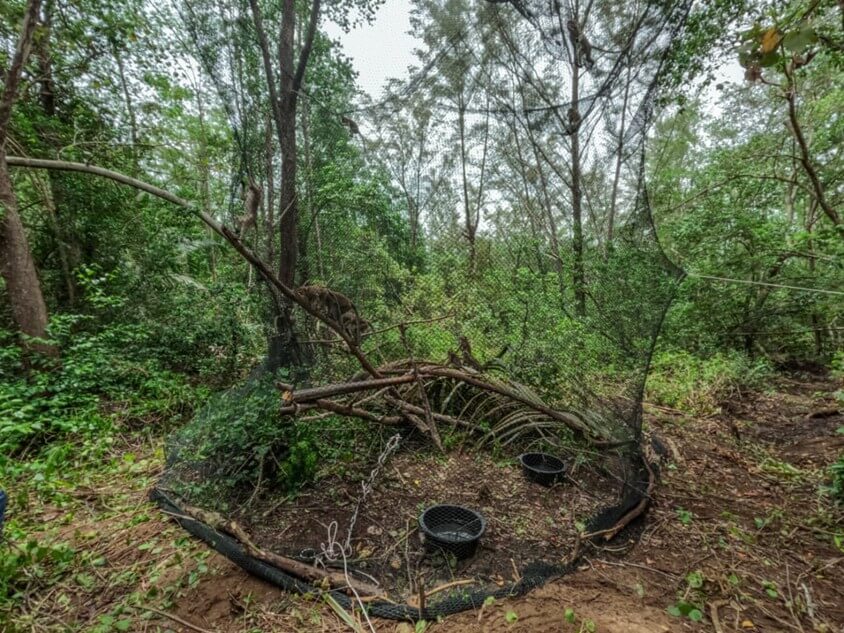
Pre-release for adjusting to new environment and recovering from the long journey

Transport

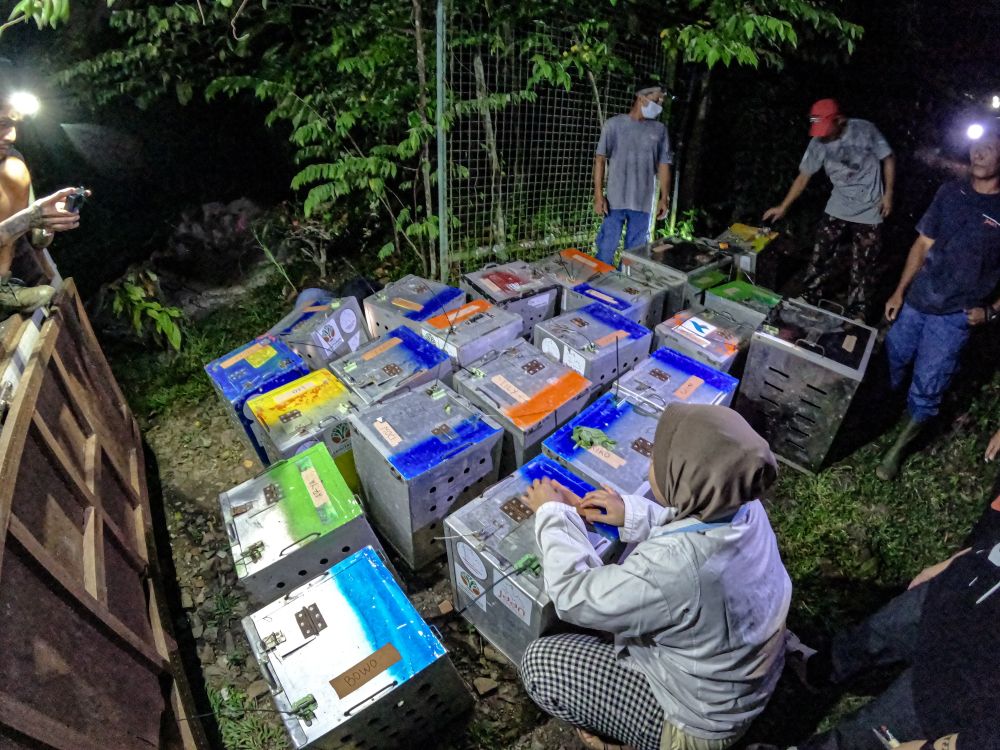
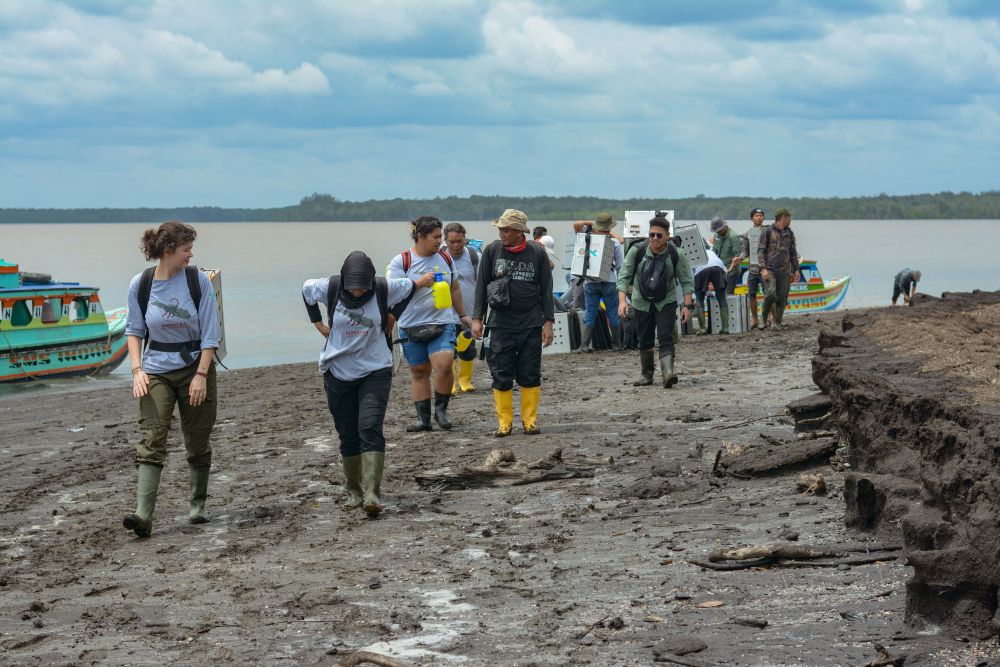
On February 14, the release team at the Sumatra Wildlife Center (SWC) carried out health examinations and transferred all 24 individuals into transport cages. The following morning, the team (accompanied by BKSDA and National Park representatives) began the journey from South Lampung: a 10-hour overland drive, followed by a 2.5-hour sea crossing by barge to Alanggantang Island. Animals were checked every three hours throughout, with rehydration solutions and multivitamins administered to manage stress. The barge maintained minimum speed to keep conditions as calm as possible.
Release

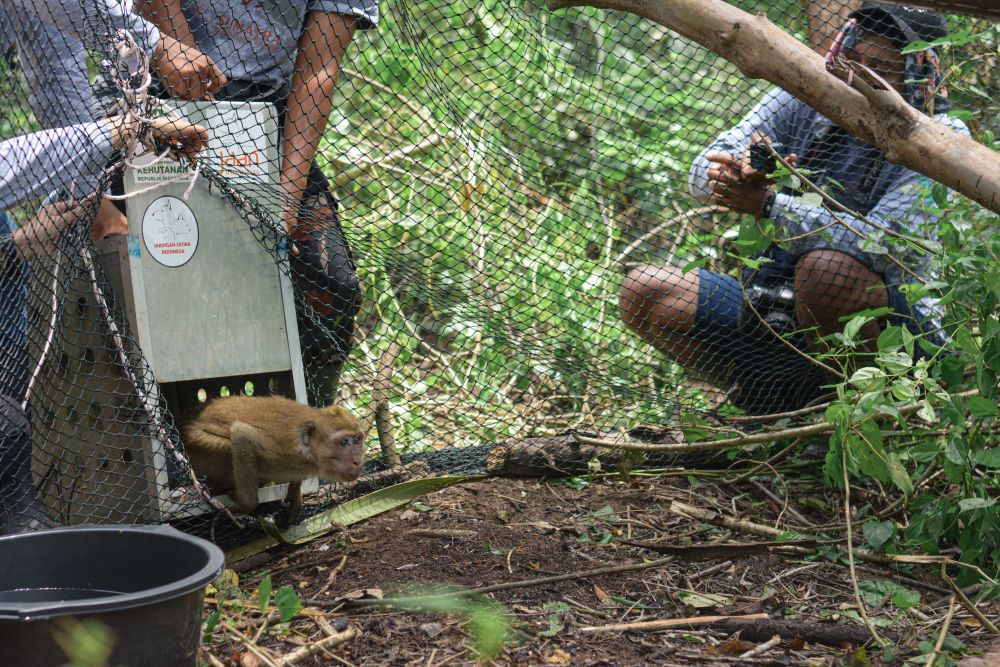
Upon arrival, cages were carefully carried to the habituation enclosure and opened gradually to minimise disturbance. The team kept noise to a minimum and maintained distance while the macaques settled in. One individual managed to breach the netting during the process — a reminder that even well-prepared releases carry their uncertainties.
Post-Release Monitoring

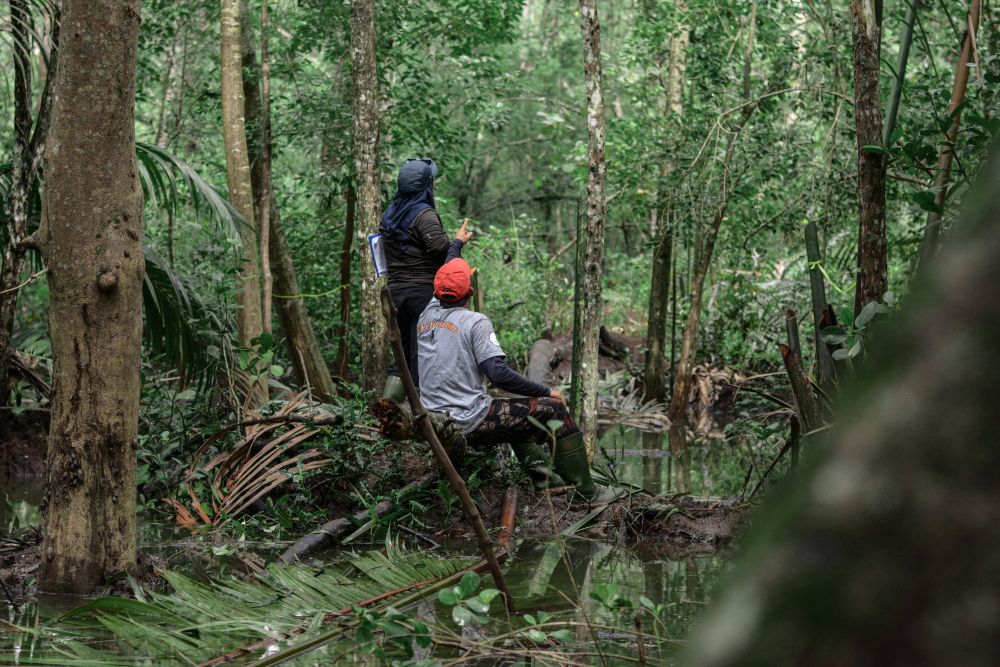
From February 16–22, 2026, a monitoring team conducted daily observations of the group's adaptation. Supplementary food was provided and reduced incrementally over four days to encourage independent foraging. The team recorded movement patterns, social interactions, feeding behaviour, and stress indicators throughout.
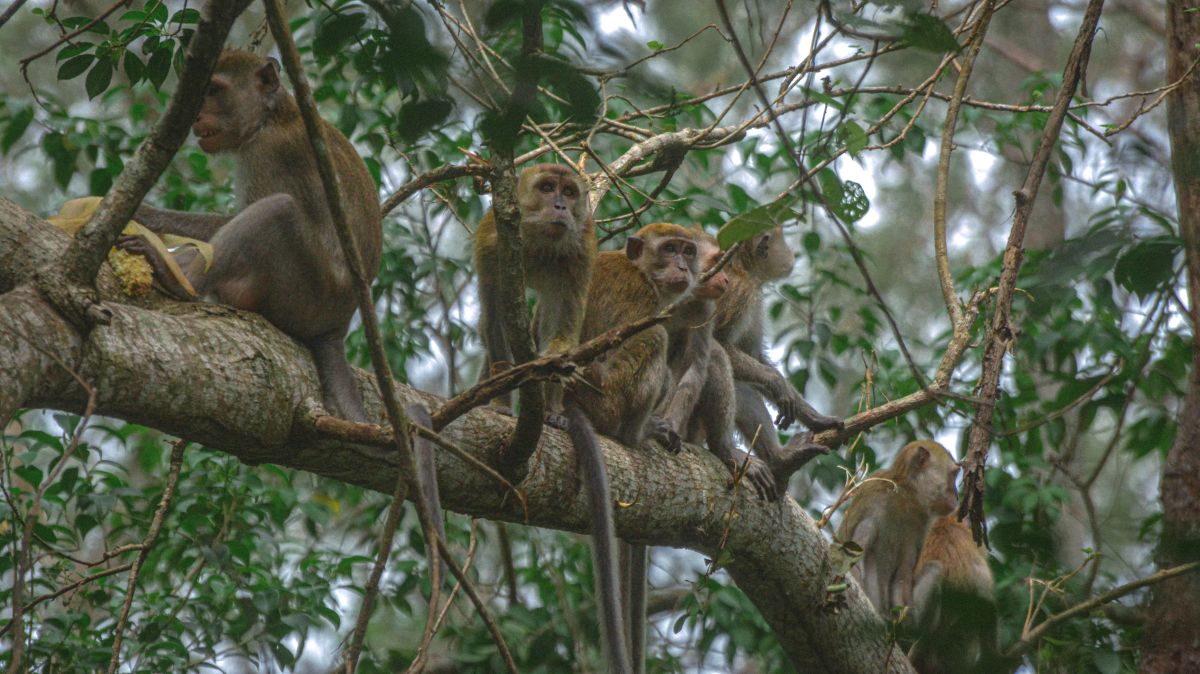
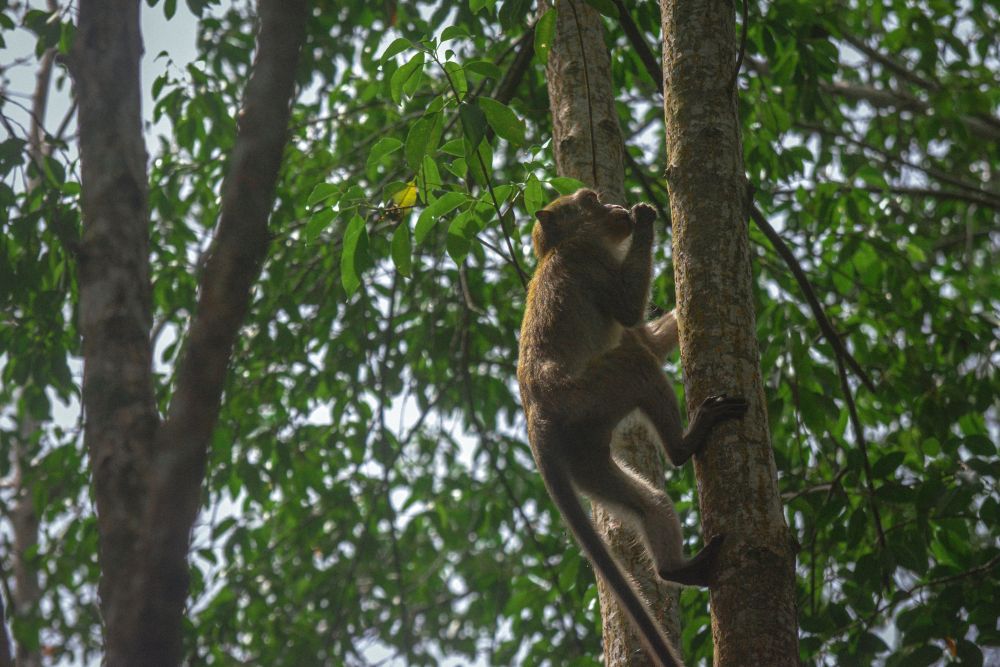
By the end of the monitoring period, the group showed strong signs of successful adaptation: active exploration of the mangrove habitat, stable social dynamics, and growing reliance on natural food sources. Long-term monitoring will continue to confirm their sustained success in the wild.
vrijdag 18 juli 2025

Animal welfare crisis in Japan: animal cafes with wildlife and primates kept as pets, the tradgic lives of captive animals in zoo's, urgently calls for legislative reforms


Animal Welfare Charities Demand Urgent Legislative Reform in Japan


A growing animal welfare crisis is unfolding in Japan, as the trend of keeping primates as pets, along with the proliferation of exotic animal cafes across major cities, raises significant ethical and welfare concerns. Global recognised charity Wild Welfare, in collaboration with the Japanese Coalition for Animal Welfare (JCAW), are urgently calling for critical legislative reforms to address these pressing animal welfare and public health issues.

Fennec Foxes in cramped Animal Cafe window, Tokyo, Japan.

Wild Welfare works tirelessly with partners around the globe to safeguard the welfare of captive wild animals in zoos, aquariums, rescue centres and sanctuaries. Along with JCAW, an organisation dedicated to raising animal welfare standards in Japan through public education and the lobbying of policymakers, a joint petition letter to the Japanese government seeking significant changes in the ‘Act on Welfare and Management of Animals’ has been developed and sent to the Japanese government for consideration.

The Japanese government is poised to review and revise the country’s animal welfare law, making now the ideal time to ensure that vital key animal welfare considerations are included within the new bill. Wild Welfare and JCAW jointly published the powerful letter, which directly addresses important issues regarding the trend for keeping pet primates and the inherent welfare issues within exotic animal cafes across Japan.

Animals stacked in cages inside an animal café in Japan.

Animals stacked in cages inside an animal café in Japan.

The letter highlights the complexities of proper husbandry required to appropriately care for highly intelligent and socially complex primates. “By not providing suitable environments and species appropriate social opportunities, the welfare of the animals is compromised, which can lead to abnormal behaviours and suffering. Although the owners might be providing care (food and water), they will not be able to meet the behavioural and psychological needs of the animals, as well as it being very difficult to appropriately provide for their nutritional and veterinary care needs” explained Simon Marsh, Director at Wild Welfare.

The joint letter further elaborates on how the absence of properly enriched environments and specialised treatments can fundamentally erode the physical and psychological health of non domesticated animals placed in these unnatural settings.

The collective appeal also outlines the increasing issue of Japan’s growing exotic animal cafe trend. Wild Welfare and JCAW have shown particular concern for the welfare of a diverse array of wild animals exhibited within these locations. From nocturnal owls confined indoors under bright unnatural light for many hours of the day, to socially complex animals such as meerkats kept segregated from groups. These unnatural and artificial environments force a high level of direct human interaction onto the animals, taking away the choice or control each animal has over their own life. “There is no place in a modern society for the keeping of exotic species in cafes for human entertainment” Simon expressed.

Wild Welfare and JCAW also highlight the heightened risk of zoonotic disease transmission within these confined and close contact facilities. As there are little to no effective national regulations governing these facilities, it is currently impossible to ensure both animals and customers are protected from the real risk of such disease exposure.

Two Prairie dogs in a small animal café cage.

Prairie dogs in a small animal café cage, Japan.

Another key issue raised by the appeal letter regards the troubling issue of illicit wildlife trade. Many of the thousands of exotic animals kept within Japanese animal cafes may also be pets, a number of which will be subject to international trade prohibitions. Without a robust system that allows traceability, there is a real risk that illegally traded animals may be exhibited at these cafe locations. In this circumstance, customers could unknowingly be supporting the illegal pet trade.

Wild Welfare and JCAW propose that deep legislative reform is necessary to tackle the many issues at hand. “Our joint letter makes a number of recommendations for reform, for instance, the prohibition or restriction of keeping primates as pets and close control of primate ownership. In the case of exotic animal cafes, the coalition recommends implementing a new regulatory framework for the industry” explained Simon.

two flamingos standing in an animal cafe in Japan

Two flamingos standing in a tiny pool by a chained Owl inside of an animal cafe in Tokyo.

Executive director of the Animal Literacy Research Institute and member of Japanese Coalition of Animal Welfare (JCAW), Sakiko Yamazaki, expressed how they are committed to lobbying for laws that protect all animals in Japan. “In recent years, there has been a global focus on issues regarding wildlife in captivity, and in Japan too, there is an array of unresolved issues related to the keeping of wildlife. JCAW believes that bringing each and every one of these issues to the attention of stakeholders as well as the general public would serve as the first step to creating a world that is compassionate to all animals.” said Sakiko.

The comprehensive report is now available to download, with content currently only provided in a Japanese language version at https://www.dokyoren.com/250426/

“Our joint report with JCAW underscores Wild Welfare’s unwavering commitment to improving wild animal welfare globally” Simon exclaimed. It is hoped that this vital work by JCAW and Wild Welfare will encourage the government to act on the proposed suggestions and take real steps towards enhancing animal welfare across Japan, reducing the risk of zoonotic disease, and protecting the public, as well as conserving important wildlife by addressing the illegal trade of wild animals.


Wild Welfare is devoted to improving the welfare of captive animals across the world. You can support our efforts by sharing this article, signing up to our newsletter, following our social media accounts (Facebook and Instagram), or by making an online donation. Every small contribution can help us to develop our vital accessible animal resources. Thank you.


Notes to Editors

For more information or interview requests please contact Wild Welfare on communications@wildwelfare.org

Wild Welfare is a global organisation committed to improving animal welfare for captive wild animals. By uniting the world’s leading zoos, zoo associations and animal welfare organisations, we build trusting partnerships that help provide long-term solutions to critical wild animal welfare issues.

Our vision is to end the suffering of captive wild animals around the world and ensure full and sustainable protection is given to all animals in human care. Find out more at wildwelfare.org. Registered charity in England (no.1165941).