The lost bear whose photo saved 33 others and could rescue 1,000 more
We will never know what became of him, but because of a bear called Samaritan, 33 others are now safe – his image was the beginning of the end for bear bile farming in Vietnam.
Boasting a spectacular seascape of limestone pillars and tiny, forested islands, Vietnam’s Halong Bay is famous for being one of the most beautiful spots in Asia. But in 2014 it became infamous for the shocking way bears were being caged, starved and kept half-dead for the barbaric practice of bear bile farming.
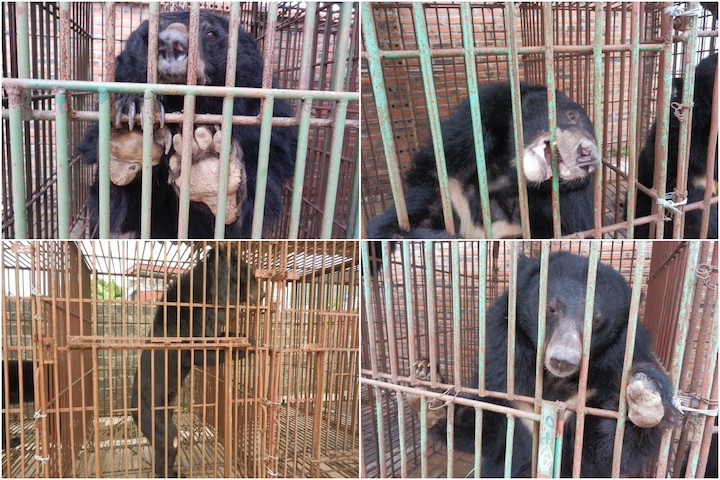
Less than a year after Animals Asia exposed the reality of Quang Ninh province’s gruesome trade, bear bile farming was completely eradicated in the northern province – largely thanks to a bear who literally reached out to staff through the bars of his cage on a Halong farm.
When Animals Asia’s inspection team came closer they could see the deep dry cracks in the bear’s outstretched paw – and a stump where his left paw should have been. It is likely he lost it in a snare laid down by poachers trapping bears in the wild.
The image of the mutilated bear tugged at their hearts, and when it was later shared online, it tugged at the conscience of some 120,000 people around the world who signed a petition urging Vietnam’s prime minister to order the rescue of every bear still trapped on farms in the area.
Overwhelming support for the petition led the prime minister to declare that not only should the bears in the area be rescued – but every single bear in the wider province should be released. In total, 33 bears were saved and brought to Animals Asia’s Vietnam sanctuary.
Exactly two years ago today, on 30 October 2015, Hercules, the last bear in Quang Ninh arrived at the sanctuary and bear bile farming in the province ended forever.
Tragically, nobody knows what became of the bear who Animals Asia’s named Samaritan. In the race to save the Halong Bay Bears, some unscrupulous farmers fought until the bitter end and even allowed their bears to starve to death rather than hand them over.
Since the Halong Bay Bears were saved and the last bear bile farm was closed in Quang Ninh, the Vietnamese government has signed a historic agreement with Animals Asia and declared that they will work with the organisation to rescue every last bear in the country.
Moreover, the Vietnamese government is talking about using the mass rescue operation of bears in Quang Ninh as a template for how the industry could finally be “rolled up” province by province over the next five years.
It is a mammoth task – bear bile has been used in traditional medicine for centuries and an estimated 1,000 bears remain in hundreds of households around the country – but the success in Quang Ninh shows it can be done.
A key lesson from the Quang Ninh campaign was the importance of bringing everyone together to speak and act with a common voice and toward a common goal.
When Hercules arrived at the Vietnam Bear Rescue Centre two years ago, he was able to do so thanks to the efforts of Animals Asia, Vietnam’s Forestry Protection Department, the city police, the Quang Ninh Department of Culture, Sport and tourism, various other local government bodies and the support of thousands of people all around the world.That is how bear bile farming will end in Vietnam: with everyone working together.
Already, the government and the Vietnam Traditional Medicine Association have officially come on board and declared they want to see the cruelty end.
The media too has widely reported on efforts to clean up the remains of the industry and local communities and farmers are becoming increasingly aware of what is going on under their noses.
Animals Asia’s Vietnam Director Tuan Bendixsen said:
“It’s really the end game for bear bile farming in Vietnam now. The period of having to convince and cajole those in power to end it is over. They have had enough and they want it gone.
“Since signing the MOU in July, we’ve been working closely with our partners in government to detail exactly how it is going to happen. That whole plan has to be laid out from start to finish and agreed upon by all parties, and as we work out the fine details it’s becoming increasingly clear how Quang Ninh could be a model. It will take time but we’re all in this together now. We all want the same thing: no more bears in cages.”
Animals Asia Founder and CEO, Jill Robinson MBE said:
“When the team walked onto that awful farm back in 2014, they were stopped dead in their tracks. We always expect the worst, but that day the team were very quiet. They were shocked but they did their jobs. They inspected every last depleted, malnourished bear and noted down the catalogue of health problems they were afflicted with, patiently photographing the suffering around them.
“We knew of course that it was a matter of life and death for Samaritan and all the other bears on that farm and that we would stop at nothing to get them out – but we had no way of knowing the repercussions that our expose would have.
“Poor, lonely Samaritan will never know the critical part he played in setting in motion the events that would save 33 of his fellow bears – and his part still isn’t over. The agreement to rescue every last bear in Vietnam can be traced back to him. His plight made the suffering real to so many people – supporters, forest protection, the police, the public and ultimately even the Prime Minister.”
“We’ll never know the bear Samaritan could have become if he had been one of the lucky ones, but we will forever remember what he did. He changed everything.”
Less than a year after Animals Asia exposed the reality of Quang Ninh province’s gruesome trade, bear bile farming was completely eradicated in the northern province – largely thanks to a bear who literally reached out to staff through the bars of his cage on a Halong farm.
When Animals Asia’s inspection team came closer they could see the deep dry cracks in the bear’s outstretched paw – and a stump where his left paw should have been. It is likely he lost it in a snare laid down by poachers trapping bears in the wild.
The image of the mutilated bear tugged at their hearts, and when it was later shared online, it tugged at the conscience of some 120,000 people around the world who signed a petition urging Vietnam’s prime minister to order the rescue of every bear still trapped on farms in the area.
Overwhelming support for the petition led the prime minister to declare that not only should the bears in the area be rescued – but every single bear in the wider province should be released. In total, 33 bears were saved and brought to Animals Asia’s Vietnam sanctuary.
Exactly two years ago today, on 30 October 2015, Hercules, the last bear in Quang Ninh arrived at the sanctuary and bear bile farming in the province ended forever.
Tragically, nobody knows what became of the bear who Animals Asia’s named Samaritan. In the race to save the Halong Bay Bears, some unscrupulous farmers fought until the bitter end and even allowed their bears to starve to death rather than hand them over.
A model for change
Fast-forward two years and the perception of bear bile farming in Vietnam has changed dramatically.Since the Halong Bay Bears were saved and the last bear bile farm was closed in Quang Ninh, the Vietnamese government has signed a historic agreement with Animals Asia and declared that they will work with the organisation to rescue every last bear in the country.
Moreover, the Vietnamese government is talking about using the mass rescue operation of bears in Quang Ninh as a template for how the industry could finally be “rolled up” province by province over the next five years.
It is a mammoth task – bear bile has been used in traditional medicine for centuries and an estimated 1,000 bears remain in hundreds of households around the country – but the success in Quang Ninh shows it can be done.
A key lesson from the Quang Ninh campaign was the importance of bringing everyone together to speak and act with a common voice and toward a common goal.
When Hercules arrived at the Vietnam Bear Rescue Centre two years ago, he was able to do so thanks to the efforts of Animals Asia, Vietnam’s Forestry Protection Department, the city police, the Quang Ninh Department of Culture, Sport and tourism, various other local government bodies and the support of thousands of people all around the world.That is how bear bile farming will end in Vietnam: with everyone working together.
Already, the government and the Vietnam Traditional Medicine Association have officially come on board and declared they want to see the cruelty end.
The media too has widely reported on efforts to clean up the remains of the industry and local communities and farmers are becoming increasingly aware of what is going on under their noses.
Animals Asia’s Vietnam Director Tuan Bendixsen said:
“It’s really the end game for bear bile farming in Vietnam now. The period of having to convince and cajole those in power to end it is over. They have had enough and they want it gone.
“Since signing the MOU in July, we’ve been working closely with our partners in government to detail exactly how it is going to happen. That whole plan has to be laid out from start to finish and agreed upon by all parties, and as we work out the fine details it’s becoming increasingly clear how Quang Ninh could be a model. It will take time but we’re all in this together now. We all want the same thing: no more bears in cages.”
Animals Asia Founder and CEO, Jill Robinson MBE said:
“When the team walked onto that awful farm back in 2014, they were stopped dead in their tracks. We always expect the worst, but that day the team were very quiet. They were shocked but they did their jobs. They inspected every last depleted, malnourished bear and noted down the catalogue of health problems they were afflicted with, patiently photographing the suffering around them.
“We knew of course that it was a matter of life and death for Samaritan and all the other bears on that farm and that we would stop at nothing to get them out – but we had no way of knowing the repercussions that our expose would have.
“Poor, lonely Samaritan will never know the critical part he played in setting in motion the events that would save 33 of his fellow bears – and his part still isn’t over. The agreement to rescue every last bear in Vietnam can be traced back to him. His plight made the suffering real to so many people – supporters, forest protection, the police, the public and ultimately even the Prime Minister.”
“We’ll never know the bear Samaritan could have become if he had been one of the lucky ones, but we will forever remember what he did. He changed everything.”



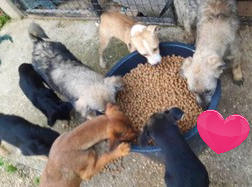
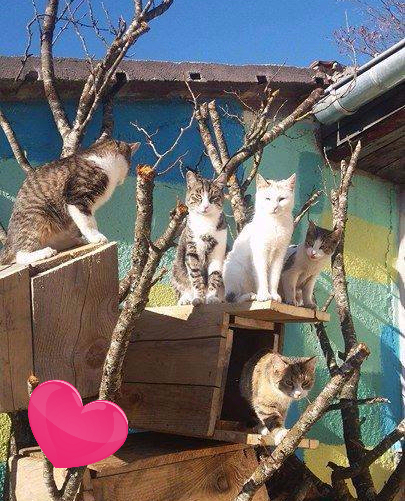
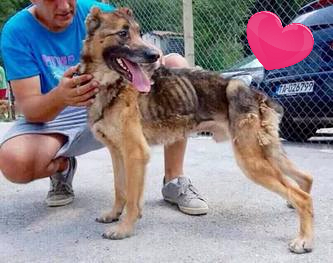
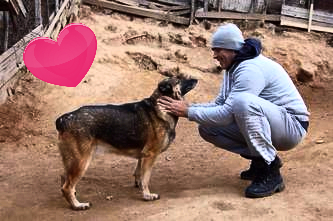
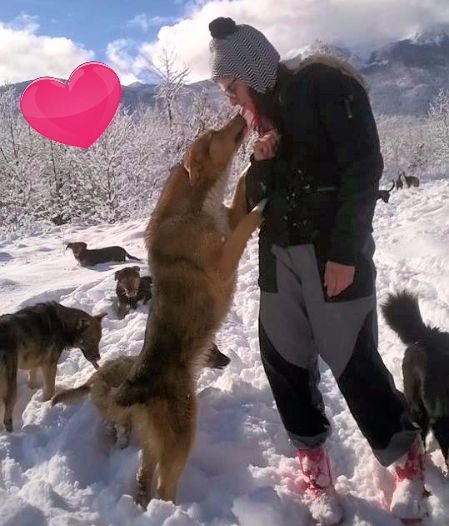 Tinka Anic wakes each morning and steps inside her hand-built, rainbow-painted rescue cottage on a mountaintop with pack of hungry dogs and many cats all waiting for their breakfast.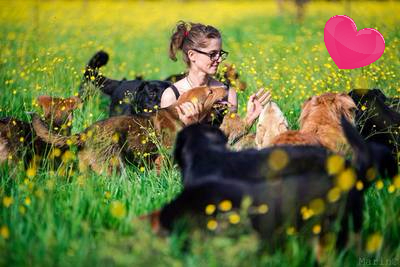
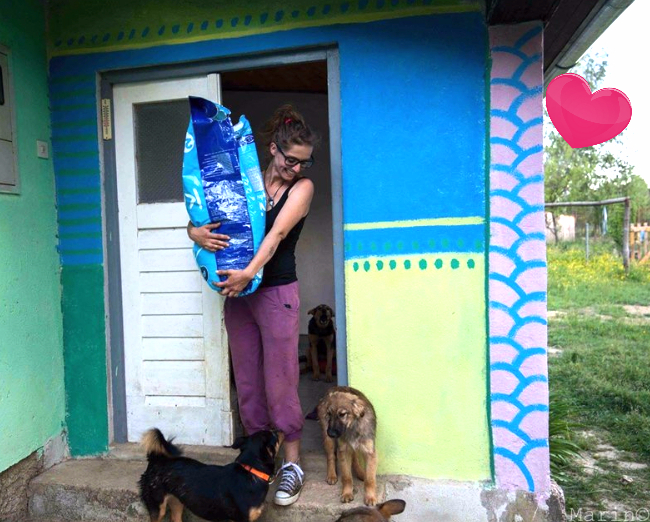 “I would like to have a boyfriend, to eventually start a family, to wear nice clothing and everything else a woman my age wants," she said. "It is hard. When you have so many dogs and live in mountains, you are not on the top of the list. But when my fluffs are in their houses and fed, my heart is in its rightful place and I can say, ‘Thank you God and I’m happy!’
  This past week, we helped Tinka to buy food for the animals, but she will run out again at the end of the month. Her rescue center is one of many and we urgently need funds to be able to fulfill our promise to deliver 71,000+ meals during the month of November. The rescuers who are counting on us have nowhere else to turn.
  \
\ 
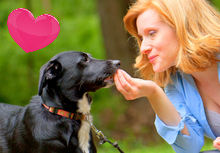
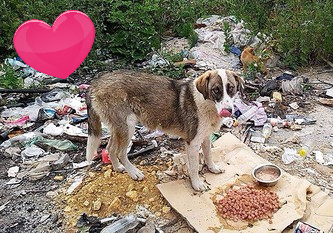 Elsewhere in Bosnia, volunteer Edina Pasic also canvases deserted areas for abandoned animals like this dog named Dougal. Edina often has more dogs and cats than she can provide for, so she will feed them on location for a while until she's able to bring them in for veterinary care and place them in a boarding facility while searching for an adoptive home abroad.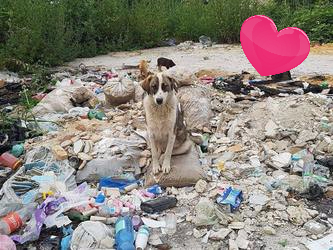
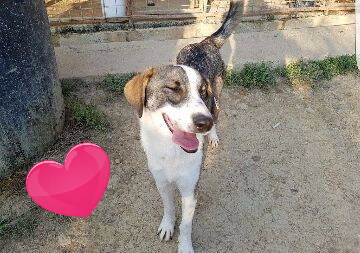
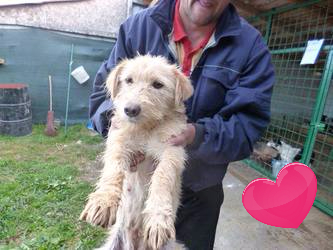 "This pound is built on a hill and the weather blows straight into the pens where there is absolutely no escape from the elements," Harmony Fund's Debbie Evans explained upon her return. "Lots of the dogs are so skinny and have no fat to protect against the cold concrete they are in 24/7. My heart is broken thinking about them, so beautiful, friendly and without hope if we do not step in to be their voices."
 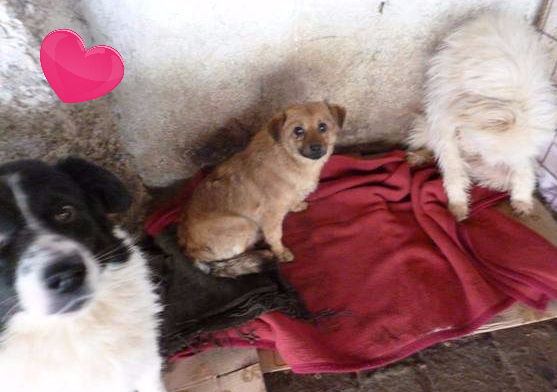 We've had numerous difficulties with the unscrupulous director at the dog pound, who is now under investigation by the mayor after we prevented evidence of neglect and attempted extortion in exchange for 'allowing' volunteers to care for the dogs. After a tumultous week, we now have access to feed the dogs and our Facebook fans have provided enough funds for dog houses to be built. Meanwhile, we were permitted to give the dogs some minimal forms of bedding as seen here.
 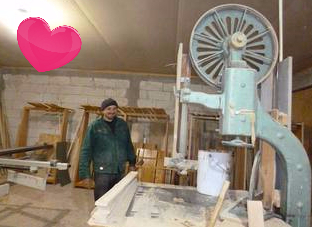 We hired a local Romanian carpenter who has begun building and is expected to have everything done fairly quickly.
 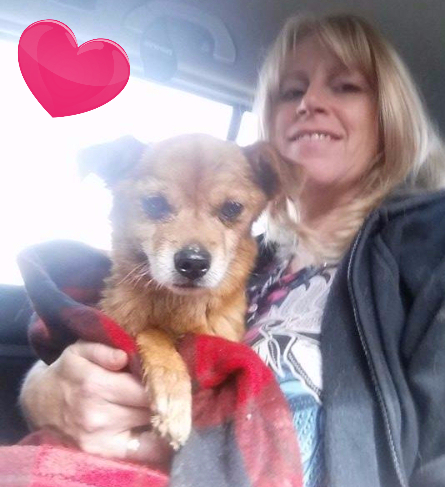 Debbie has been volunteering her time to organize a steady food supply and also spearheading international adoptions for dogs. It's a start, and with winter coming, getting straw-filled, wooden shelters in place will make a tremendous difference in the quality of lives of these dogs.
 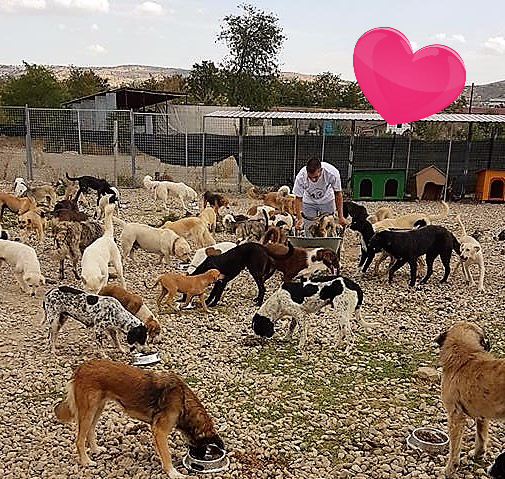 Every week, Harmony Fund receives pleas for help from animal rescue centers internationally. We evaluate each request as quickly as possible and help as many as we can. With the recent shortage in our monthly food fund, it has been more difficult to say "yes" to those asking for help. However, this Macedonian refuge really needs our help and we sent them a small donation last week with the hopes that we can do more for the month of November.
 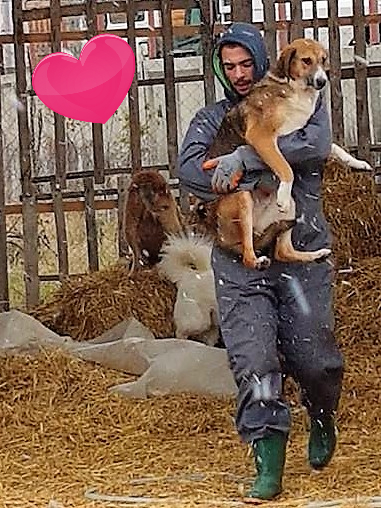 "Five years ago my home and the homes of my fellow activists were turned into animal shelters," explains Maggie at Saving Macedonian Strays. "We had more than 80 animals in our homes. Since then, we started developing a shelter in our town where we take the most abused, injured, sick and animals with disabilities."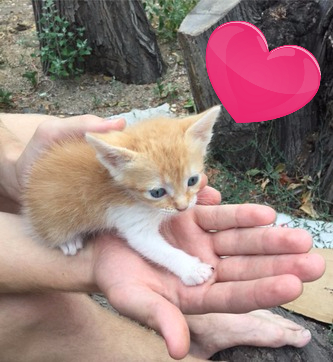
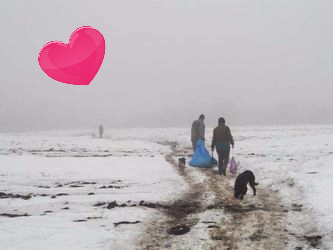 "We have no road to shelter,” FRIEND shelter's founder Marina Dilly explained from her base in the Ukraine earlier this month. “The shelter is cut off from outside world from autumn until spring. Every day we walk 3 kilometers (1.8 miles) to bring food to the dogs and the people at our shelter. Some of the food we can store before winter, but with 500 + dogs, we can’t store a lot and also rats become a problem.”
 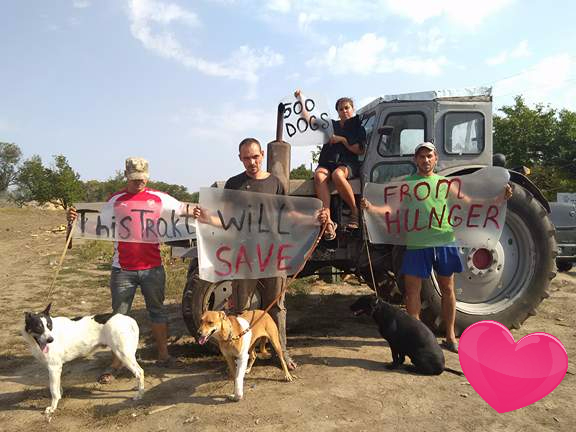 The rescue team asked for our help to purchase an old tractor to clear access to the shelter during winter. The total cost was about $2,600 (about 1,961 British pounds or 2,211 Euros)
 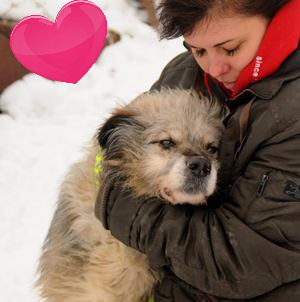 And the volunteers are not only making a path to the dogs, but also to get supplies to the people who care for them. The shelter is now home to families who became homeless due to the political violence and economic collapse of the Ukraine in recent years.
 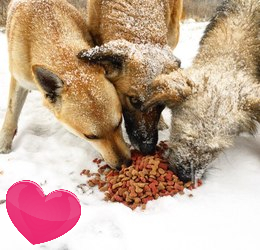 Harmony Fund initially helped this rescue group to purchase their land several years ago. We couldn’t be more proud of what they’ve achieved. But poverty is a very big issue in Ukraine now and our help was needed to keep the shelter accessible this winter. Most of the dogs arrive here in an awful state, just skin and bone. They are counting on us to keep the shelter up and running, even during the most severe storms.
 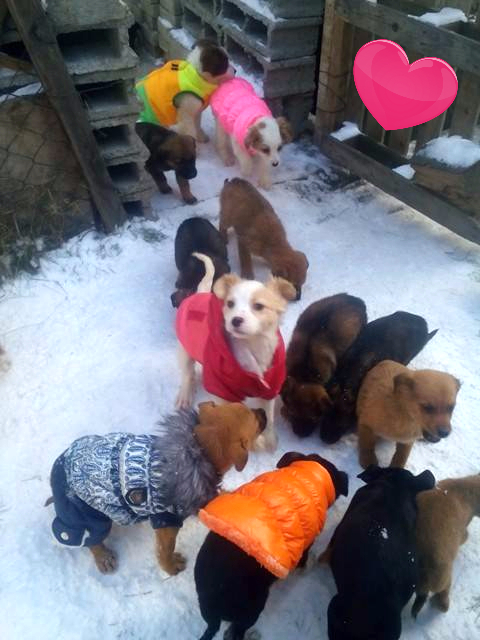 We are chasing our tails trying to get dozens and dozens of animal rescue squads ready for the fast-approaching winter.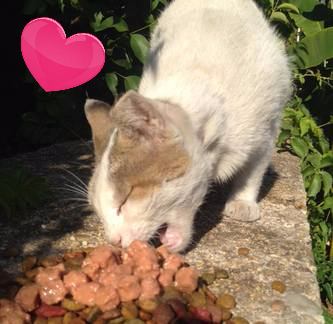
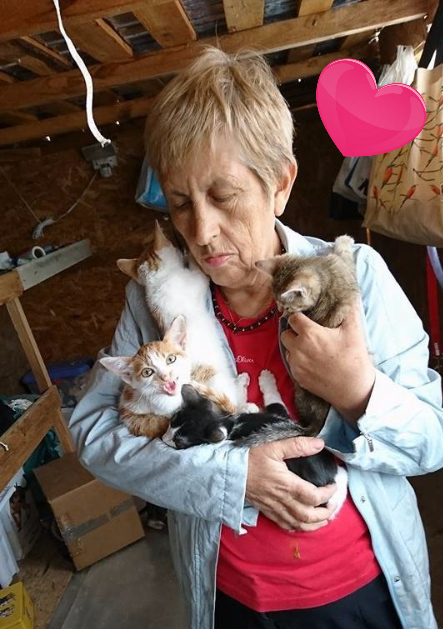 In many of the regions we work, cold weather is on the way. In this photo you see a volunteer at the St. Francis Shelter in Romania. Every month we donate $850 worth of food for the cats and dogs here. They are among the many who are counting on us.
 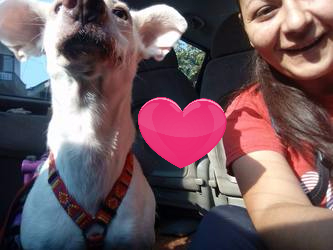 Perhaps Bulgarian rescuer Tsvetelina Vranchava said it best recently when she had this message to deliver to all of you who support the Harmony Fund:
 .jpg "donate-food-drive-collarge-lg (002)")